Introduction
Have you ever experienced the moment when the water suddenly turns weak while you’re taking a shower in the morning? Or noticed that your garden hose barely sprays when you’re watering the plants? It can be really frustrating when the water flow isn’t strong enough for daily tasks like showering, doing laundry, or cleaning.
Do you want to know why your water pressure is low and how to solve it? This article will give you a detailed answer and offer practical solutions to restore steady pressure.
How to Know If You Have Low Water Pressure
In most homes, the water pressure is normally between 40 – 60 psi. This pressure range means that you won’t get a thin flow while taking a shower, and the washing machine can work properly.
Don’t have a pressure gauge? No problem, you can judge your water pressure according to the following common signs:
- Does your shower feel weak?
- Does your washing machine take in water slowly, and does the program take longer?
- Does your water flow become weaker when your family members wash up together at the same time?
- Does the water come out in bursts instead of a steady stream?
If you want to confirm, you can screw the pressure gauge onto an outdoor faucet and measure it. If the reading is lower than 40 psi, it means your water pressure is low.
What Causes Low Water Pressure in Your House?
- City Water Supply Issues
>Sometimes you find the water pressure is weak in the morning. It might be due to the pipeline maintenance.
> You might also notice that the water pressure is weak when many people are taking showers at the same time in the morning.
What you can do: Check if the water utility has issued any notices or call their customer service line to confirm if maintenance is in progress.
- Clogged Faucets or Aerators
> When the water stream becomes thinner and the spray disperses, it’s most likely caused by scale buildup that blocks the filters or aerators.
What you can do: Remove the faucet aerator or showerhead and rinse it with water or vinegar to clean.
- Partially Closed Valves
> After the repair, the main valve wasn’t fully opened, and the water pressure at home felt like someone had pinched the pipe.
> If you have a pressure switch, the reading is low but stable. The pressure-reducing valve (PRV) might be set too low.
What you can do: Open the main valve fully and check whether you need to adjust the PRV setting.
- Leaking Pipes
> Even a small leak in your underground pipes can reduce the water pressure throughout the house. Is there any wet spot on your wall? Can you hear the dripping sound at midnight? Is the water bill much higher than last month?
What you can do: For small, visible leaks, you can temporarily fix them by tightening pipe fittings or using plumbing tape. But it’s better to ask a professional to fix it. If you can’t find where it leaks, leave it to a professional.
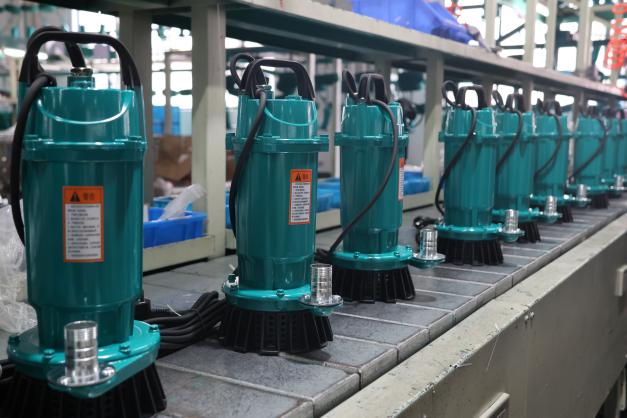
- Faulty or Underpowered Water Pump
> Sometimes the low water pressure might be caused by a faulty or underpowered pump. If the pump is extremely noisy or the pressure reading is jumping, it’s a pump problem.
What you can do: First, check if the power switch and circuit breaker are functioning properly. Verify that the pressure switch is operating correctly. Review the flow rate and head information on the nameplate to confirm whether it matches your household demand.
Using an intelligent controller can help keep stable water pressure and prevent the pump from running dry.
- Pressure Tank or Switch Problems (for well systems)
> In a well water system, a pressure tank functions like a buffer bag. If the tank loses air or the switch isn’t working properly, you will notice the pump starting frequently or water pressure fluctuating wildly.
What you can do: For these electrical problems, we suggest you ask a professional technician to fix the pump.
- Pipe Corrosion or Sediment Buildup
If you live in an older house with galvanized pipes or steel pipes, the pipes can rust inside over time, narrowing the passage for water, and you’ll get smelly, rusted water.
What you can do: You can replace old corroded pipes with new plumbing materials like PEX or copper. This repair is expensive, but more reliable in the long run.
- Clogged Filters or Water Softeners
If your home has a water filter or softener, it might get clogged with sediment or minerals after months of use. You’ll notice the water flow becomes weak.
What you can do: clean or replace them regularly to maintain a smooth water supply every 3-6 months.
- Shared Water Lines or Multi-story Homes
If you take a shower, do laundry, or cook at the same time as your neighbors, the water pressure may drop.
What you can do: When you choose a booster pump, check the head and flow to ensure they meet your actual needs.
What to Do When Your Water Pressure Is Low – Simple Checks You Can Try
- Is the weak flow only at one tap? If only one tap is weak, try cleaning the aerator first. If all taps are weak, you need to check the outdoor faucet to see the baseline pressure.
- Test at different times of day.
Try opening the taps in the morning and evening. If the pressure changes at different times, your city’s water supply may be the cause.
- Inspect valves and filters.
Make sure all main valves are fully open and your filters are not clogged.
- Check for leaks.
You can walk around your house and listen for dripping sounds or look for wet spots on walls or on floors.
- Check your water pump.
If you use a water pump, make sure it’s not air-locked, isn’t running continuously, and starts when you open the tap. Water pressure will be unstable if the pump or controller isn’t functioning properly.
- Measure actual pressure with a gauge.
The normal home water pressure range should stay between 40 – 60 psi. You should connect a pressure gauge to an outdoor faucet to see the actual pressure.
- Adjust or replace components as needed.
After the above steps, you should have found the cause. Take actions, like cleaning a filter or tightening a valve; a small fix can make a big difference.
When to Call a Professional
If you run into the following issues, it’s best not to fix them yourself; call a professional instead.
- Leaks Hard to Locate
If you’ve already checked the valves, filter, and water pump but still can’t find what’s wrong, and the pressure gauge readings keep jumping, the problem could be a hidden leak. Leaks behind walls or underground are often difficult to detect and may not be obvious without professional tools.
- Electrical or Control System Issues with the Pump
When the pump won’t start, runs nonstop, or the controller doesn’t respond, it might be an electrical issue. There may be something wrong with the motor, wiring, or pressure switch. It’s safer to let a professional solve it.
- Damaged Components or Complex Installation
If parts like the pressure tank, PRV, or check-in valve are damaged, it’s hard to fix them by yourself. And if your pipes are old, rusty, or the installation is complicated, don’t try to fix it by yourself; call a plumber to help.
- Economic and Safety Considerations
It seems cheaper at first if you repair by yourself, but it can also be risky when you deal with the electrical parts or pressurized systems. A qualified technician can solve the problem faster and ensure a long-term and reliable solution.
How to Prevent Future Low Water Pressure Problems
- Routine Cleaning and Maintenance
You need to clean the filters and aerators regularly, and check if there’s any clogging in your kitchen and bathroom.
- Regular System Inspection
It would be too late if you only check your system when a problem appears. You’d better schedule regular inspections every 6-12 months to spot potential issues early.
- Upgrade to Smart Controls
Installing an intelligent pressure controller on your pump helps keep a consistent water flow and reduces the chance of sudden pressure drops.
- Use Quality, Corrosion-Resistant Materials
Use stainless steel or PPO plastic pipes and fittings to prevent corrosion, leaks, and aging over time.
- Develop Good Water Use Habits
You should avoid using several high-flow outlets at the same time. Keep your water tank at a stable level. If you use a well system, remember to check the water level and sand content regularly.
Conclusion
Most low-pressure problems come from simple causes like clogged filters, small leaks, or partially closed valves. With the steps in this guide, you can solve most problems in your home by yourself.
If you already use a water pump, upgrading to an intelligent controller or a smart pump can make a big difference. These smart water solutions can automatically keep water pressure stable, saving both time and energy.
Regular maintenance and cleaning can prevent most water pressure issues before they even start.
Low water pressure can be frustrating, but most issues can be solved once you identify the root cause.
If you’re looking for a reliable solution to your water pressure problems, you’re welcome to reach out to Hungerät.
We specialize in developing and producing high-quality household water pumps and intelligent controllers for global markets.
FAQ
Q1:Why is my water pressure suddenly low in the whole house?
A1: You need to check if it’s the city water supply, a partially closed valve, a clogged filter, or a pump malfunction.
Q2: Why is the water pressure low only in one tap or shower?
A2: It’s usually a local blockage in the aerator or showerhead.
Q3: How do I know if my water pump is the cause of low pressure?
A3: If the pump runs continuously, doesn’t start, or pressure fluctuates, it may be faulty.
Q4: How can I increase water pressure in a multi-story home?
A4: You can consider installing a booster pump or an intelligent controller to maintain stable water flow.
Q5: How can I prevent future low water pressure problems?
A5: Do regular cleaning, inspections, and use corrosion-resistant materials for your pipes and fittings.