Are you a submersible pump retailer or wholesaler still struggling to find the right submersible pump model for your customers? This article will give you all the answers you need.
Introduction
A submersible pump is a water pump that works under the water. It is built with a sealed motor so water cannot get inside. The pump pushes water up from wells, tanks, or other deep places. It is often used for wells, farm irrigation, drainage, or removing dirty water.
Choosing a submersible pump means choosing reliability and efficiency, it is safe, quiet, and works with high efficiency. Since it is placed underwater, it does not need to be filled with water before use. It saves space, needs little maintenance, and can last for a long time.
Submersible Pump Types and Their Uses
1. Deep Well Submersible Pumps
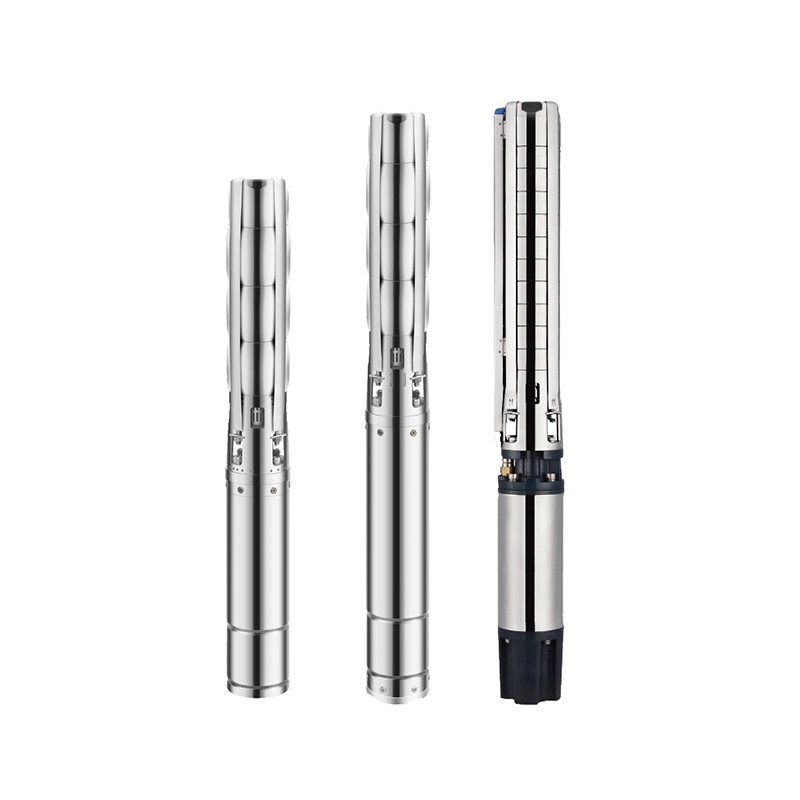
A deep well submersible pump is made to lift water from deep wells or boreholes. It is placed far below the ground where the water level is low. The pump pushes water up through long pipes, making it perfect for home water supply, farm irrigation, or small industries. Its motor is sealed to prevent water from getting in, so it can run safely under high pressure. These pumps are quiet, energy-saving, and give a strong, steady water flow even from deep sources.
2. Effluent/ Sewage Pumps
Effluent/ sewage pumps can handle dirty water and wastewater. They can move liquids that contain small solids, such as mud, sand, or waste from homes and factories. The pump’s design prevents clogging and helps keep drainage systems clean. It is widely used in basements, septic tanks, and wastewater plants. With a strong motor and durable casing, it can run for long hours without problems. This pump helps remove dirty water quickly and safely, keeping the environment clean.
3. Grinder Pumps
A grinder pump is a special sewage pump with a sharp cutter inside. It grinds solid waste into very small pieces before pumping it out through narrow pipes. This design prevents blockages and allows smooth wastewater flow. Grinder pumps are ideal for homes, small buildings, and rural areas where the sewage must be pumped uphill or over long distances. They’re strong and surprisingly quiet when running and easy to install. By breaking down solids, this pump keeps the system clean and trouble-free.
4. Clean Water Submersible Pumps
A clean water submersible pump is designed to move clean or slightly dirty water from tanks, pools, or flooded areas. It is lightweight, easy to carry, you can easily move it around the house or garden.. The pump runs quietly and can remove water quickly with low energy use. Many models come with an automatic float switch that turns the pump on and off when needed. It is ideal for emptying pools, watering gardens, or draining rainwater.
5. Fountain or Decorative Submersible Pumps
Fountain or decorative submersible pumps are made to create beautiful water displays in gardens, ponds, or public spaces. They help circulate water and keep it clean. These pumps are small, quiet, and easy to install. Some models allow different spray patterns or connect to lighting systems for a more attractive effect. They are also energy-saving and safe for long-time use. It brings a lively touch to any pond or garden corner
6. Solar Submersible Pumps
In remote places without power lines, a solar pump makes things simple. It does not need electricity or fuel. It is perfect for remote farms, villages, or places without stable power. The pump works quietly and can provide water for irrigation, livestock, or home use. It is highly efficient and helps save energy costs. With simple installation and low maintenance.
Materials and Construction Differences
Stainless steel housing :Strong, rust-resistant, and suitable for clean or slightly dirty water. Works well in corrosive environments like seawater or chemical water. Higher cost but long lifespan and clean appearance.
Cast iron housing:Heavy and strong, ideal for sewage or dirty water. It manages pressure and grit very well. However, it may rust if used in corrosive water. Affordable and very durable for tough jobs.
Aluminum housing:Lightweight and good for portable or temporary use. It cools quickly and resists mild corrosion. Not recommended for very dirty or chemical water.
Plastic housings:Light, rust-free, and low cost. Good for small household or garden pumps. Not as strong as metal, so not ideal for heavy-duty or high-temperature work.
Quick Tips :
- For clean or corrosive water → choose stainless steel.
- For dirty or heavy-duty use → choose cast iron.
- For portable or light jobs → choose aluminum or plastic.
Impeller Type Description
Open Impeller :Has visible blades and no cover plate. Easy to clean and good for liquids with small solids. Slightly lower efficiency but less clogging.Semi-Open Impeller : A mix between open and closed types. It gives better flow and handles dirty water well. Common in general-purpose pumps.Vortex Impeller : Creates a strong whirlpool that moves water without solids touching the impeller. Best for sewage or water with large particles.
Cutter Impeller : Has sharp blades that cut solids before pumping. Prevents clogging and is great for wastewater or toilet use.
Screw Impeller :Works like a screw to move water gently and steadily. Ideal for deep well pumps and clean water use with high lift.
Quick Tips :
- For clean water or deep wells → choose screw or semi-open impeller.
- For dirty water → choose open or vortex impeller.
- For sewage with solids → choose cutter impeller.
Key Specifications to Consider
- Flow rate (m³/h or GPM):You can think of flow rate as how much water you can move in a set time. A higher flow rate means the pump can move more water in less time.
- Head ( pressure/ lift height):Head shows how high the pump can lift water. It’s the distance between the water source and where you want the water to go. A pump with a higher head can send water farther or to higher places.
- Power rating and voltage:Power rating tells how strong the pump motor is. More power means stronger pressure and higher flow, but also more energy use. Voltage must match your power supply (for example, 220V or 380V).
- Maximum particle size:This shows the biggest solid size the pump can handle without clogging. For dirty or sewage water, you can choose a pump that allows larger particle sizes.
- Cable length and outlet diameter:Cable length decides how deep you can place the pump underwater. A longer cable is better for deep wells. The outlet diameter affects how much water can pass through — bigger outlets let more water out faster.
- Type of liquid (clean, dirty, corrosive, or abrasive):The pump you choose must match the type of water you are pumping. Clean water pumps are for clear water; sewage pumps are for dirty or sandy water; stainless steel pumps are best for corrosive liquids.
Choose the Right Submersible Pump for Your Needs
| Type of Pump | Main Use | Water Type | Key Features | Best For |
Deep Well Submersible Pumps | Lifting water from deep wells | Deep Well Submersible Pumps | High lift, narrow body, strong pressure | Farms, homes with deep wells |
| Effluent / Sewage Pump | Draining dirty or waste water | Dirty water | Large passage, anti-clog design | Waste pits, basements |
| Grinder Pump | Cutting and pumping sewage | Dirty water with solids | Built-in cutter, high power | Toilets, commercial use |
| Clean Water Submersible Pump | Moving clean water | Clean or rain water | Light weight, low noise | Pools, tanks, small wells |
| Fountain / Decorative Pump | Water circulation for display | Clean water | Small size, quiet, easy to hide | Fountains, ponds, gardens |
| Solar Submersible Pump | Pumping water using solar power | Clean water | Energy saving, no electricity needed | Remote areas, farms |
Maintenance Tips
Maintenance Tips While not in Use
If you store it clean and dry, it will last longer. Check the power cable and plug regularly for any damage. Clean the inlet screen and impeller to remove sand or debris that might block the water flow. If your pump has oil inside the motor, change or top it up according to the user guide. Always store the pump in a cool, dry place to avoid rust and corrosion. Doing these small things can greatly extend the pump’s working life.
Maintenance Tips While Working Underwater
1.Keep the pump fully underwater.
Make sure the pump is always deep enough in the water during operation. If part of it is exposed, it may overheat and get damaged.
2.Avoid dirty or muddy water when possible.
Try not to use the pump in thick mud or sand. These can block the inlet or wear out the impeller faster.
3.Check the water level often.
When the water level drops too low, stop the pump to avoid running it dry. Running without water can burn the motor.
4.Inspect the float switch regularly.
Make sure the float switch moves freely and can turn the pump on and off correctly. A stuck float switch may cause the pump to stop working.
5.Clean the inlet screen and impeller.
After every few uses, take out the pump and clean the bottom screen and impeller to remove dirt, sand, or leaves. This keeps the water flow smooth.
6.Check the power cable and seals.
Look for cracks or cuts on the power cable and check that the sealing parts are tight. Any damage could let water enter the motor.
7.Let the pump rest sometimes.
If you use the pump for many hours, turn it off for a short time to cool down the motor and extend its life.
8.Use a rope to lift the pump, not the cable.
Always use a strong rope or handle to move the pump in or out of water. Pulling the cable can cause internal wire damage.
Common Problems and Troubleshooting
Pump not starting: Check power supply, plug, and switch. Make sure the float switch is not stuck.
Low water flow: Clean the inlet screen and impeller. Check if the hose is blocked or kinked.
Pump runs but no water: There may be air trapped inside; lift and lower the pump a few times to release it.
Pump stops suddenly: The motor may be overheated or the protection switch is on. Wait until it cools down, then restart.
Unusual noise or vibration: Check if something is stuck in the impeller or the pump is not standing firmly.
Safety and Installation Tips
Before using the pump, make sure all power is off. Always connect the pump to the right voltage and power supply. Lower the pump into water slowly and make sure it stands upright on a flat surface, not in mud or sand. Do not run the pump dry—always keep it fully under water when working. Use a safety rope to lift or move the pump instead of pulling the cable. Check water depth and make sure the pump is at least 20–30 cm above the bottom to avoid sucking in mud.
Conclusion
The right pump makes your daily work easier and lasts much longer. Each pump type fits a different job — clean water, dirty water, deep wells, or fountains. Using the wrong pump can waste energy and cause early damage. Before buying, think about your water source, flow needs, and working conditions. If you are not sure which model fits your project,please talk to a professional and reliable pump supplier. They can help you choose the most suitable pump to save time, money, and effort while keeping your system running smoothly.
Looking for a pump that won’t let you down? The Hungerät pump is the smart choice for dependable power and lasting value.
FAQ
How does a submersible pump work?
A submersible pump works underwater. It pushes water up through pipes using a sealed motor that keeps water out.
How do I use a submersible pump?
Put the pump fully underwater, connect the power, and make sure the outlet hose is clear. The pump will start moving water once switched on.
How do I fix a submersible pump that won’t start?
Check the power plug, cable, and float switch. Clean the inlet screen and impeller. If it still doesn’t work, contact a service center.
How often should I clean my submersible pump?
Clean it after every few uses or when you notice weak water flow. Remove dirt and sand from the bottom screen and impeller.
What is the cost of submersible well pump replacement?
It depends on the pump size, depth, and brand. Most replacements cost between $300–$1,000, including labor.
How long does a submersible pump last?
With good care, a submersible pump can last 5 to 15 years, depending on water quality and usage time.
Can a submersible pump run dry?
No. Running dry can damage the motor. Always make sure the pump is fully under water before turning it on.
What is the price of a 1 HP submersible pump?
The price varies by brand and material, usually between $25–$300 for most home-use pumps.
Can I use a submersible pump for dirty water?
Yes, but choose a pump made for dirty water or sewage. These pumps have larger inlets and anti-clog designs.
Who should I contact to buy the right pump?
Please buy pumps from a professional and trusted pump supplier. They can help you choose the right model for your needs and offer after-sales support.