

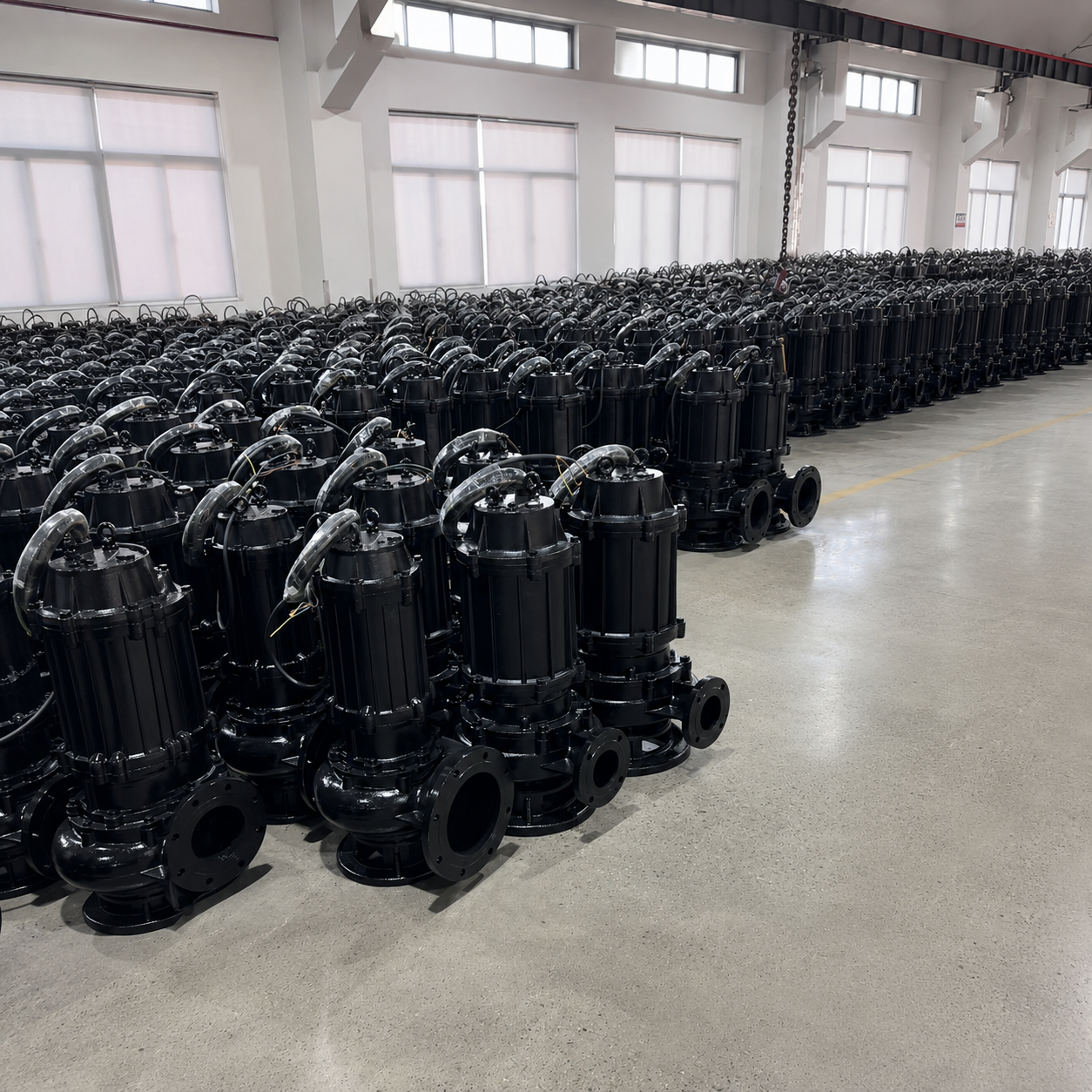
Your Reliable Submersible Slurry Pump Manufacturer
- Built for Abrasive Slurry
- Heavy-Duty Wear Resistance
- Stable Underwater Operation
- Factory Direct Pricing
- Custom Pump Solutions
- Fast Production & Delivery
What Is a Submersible Slurry Pump?
Submersible slurry pumps are made to move slurry, mud, sand, sludge, and other liquids with rough solids while they are fully submerged. It is often used in places where regular pumps might get clogged or wear out quickly, like mining, dredging, building dewatering, and wastewater handling. It can handle solids well and is built to last, so it can be used continuously for heavy-duty tasks and tough pumping circumstances.
As a skilled manufacturer of submersible slurry pumps, we offer manufacturer-direct services to project buyers, distributors, and contractors all over the world. Multiple sizes, materials, voltage choices, and performance configurations are available for OEM and custom production. Our customers can find the right slurry pump more quickly and easily, and we help them save money by offering stable quality control, low prices, and reliable service.
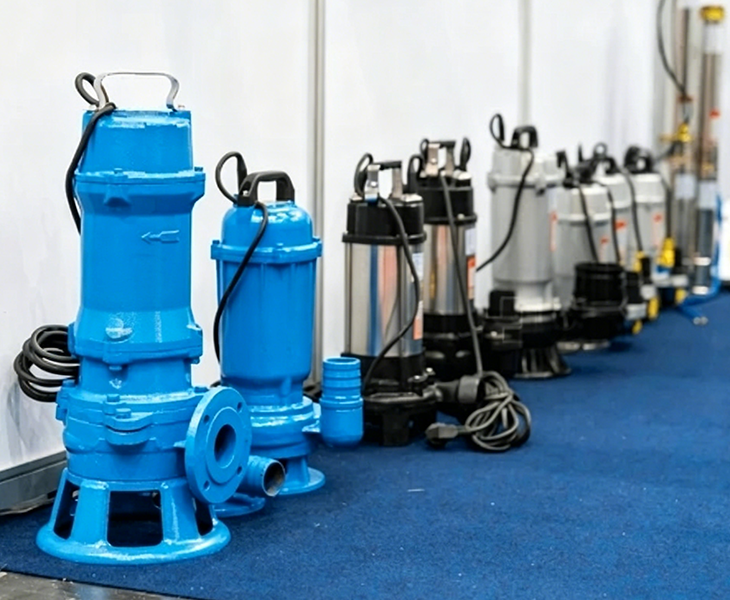
The Hidden Cost of Low-Quality Submersible Slurry Pumps
Under heavy loads, submersible slurry pumps can handle rough sludge, sand, mud, and solids. Cheap pumps tend to wear out faster, get clogged more easily, and stop working as well over time. This could cause problems, cost more to fix, and need to be replaced more often.
Our submersible slurry pumps are made with materials that don’t break down easily, reliable seals, and stable performance for tough slurry jobs. We help our customers cut costs and keep projects moving by supplying them directly from the factory and giving them custom choices and consistent quality.
Why Choose HunGerät Submersible Slurry Pumps
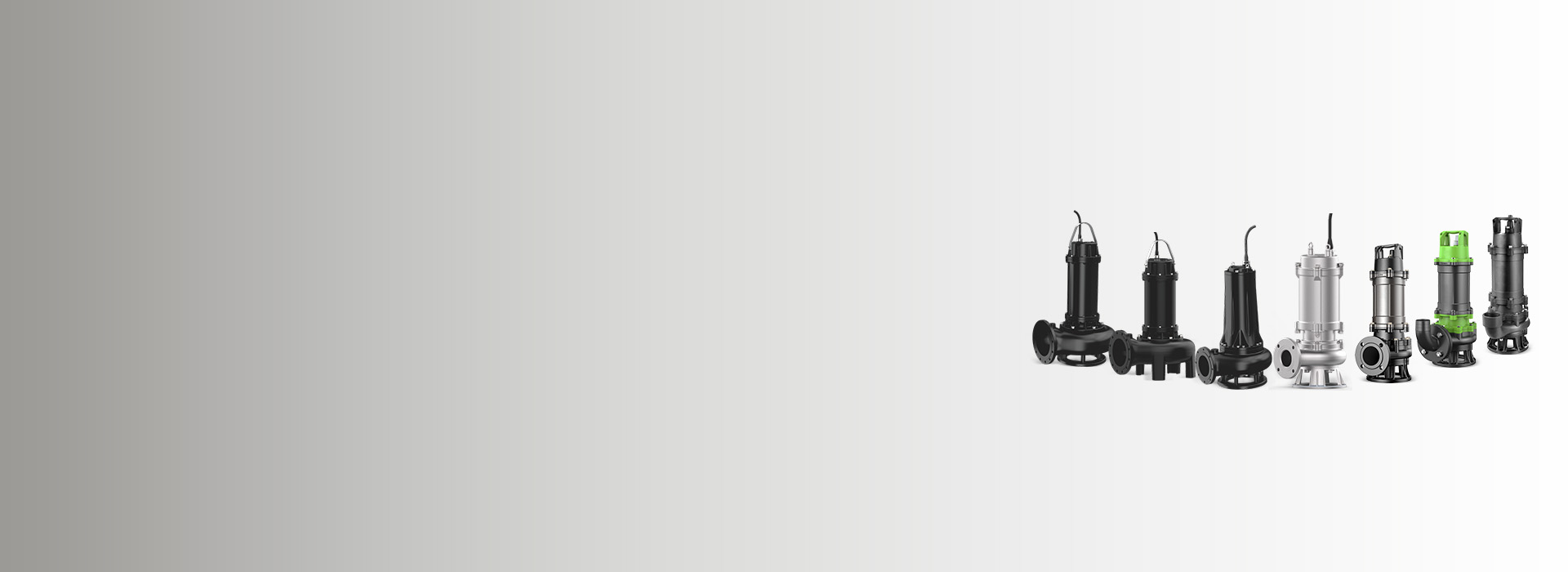
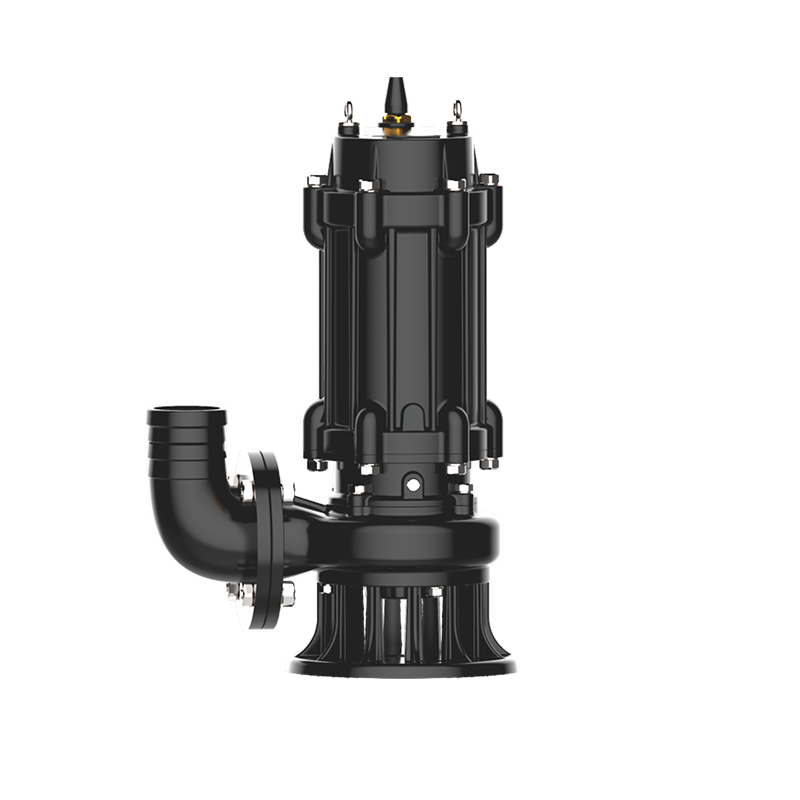 Standard Submersible Slurry Pump
Made to pump slurry, mud, sand, and sludge in heavy-duty daily situations. A useful option for removing water, grit, and moving slurry around in general.
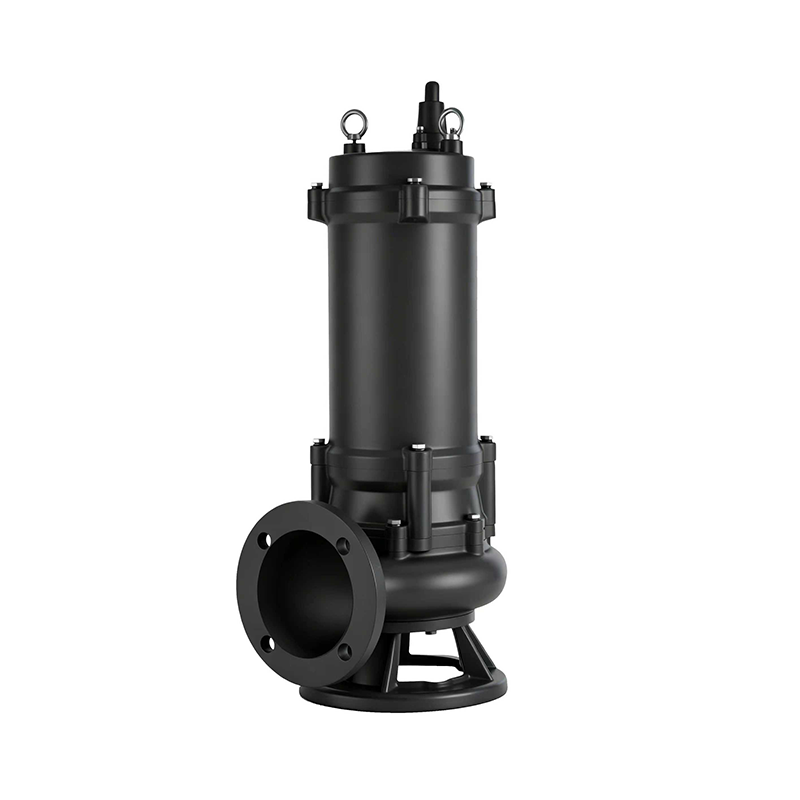 Agitator Submersible Slurry Pump
Designed with a stirrer near the entrance to mix solids that have settled before pumping. Excellent for dealing with thick sludge, sand deposits, and slurry situations with a high concentration.
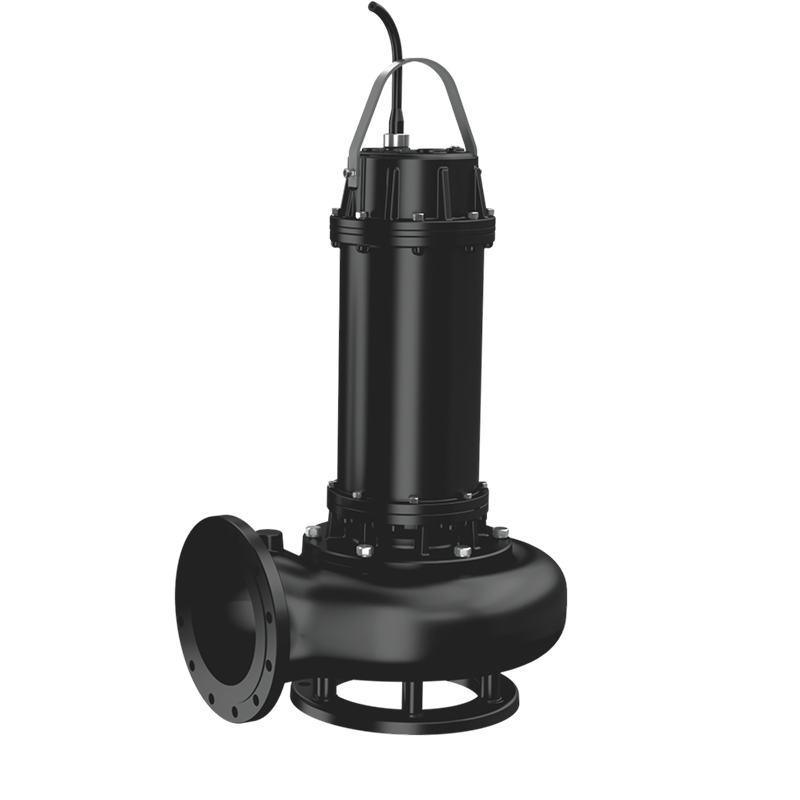 High-Chrome Slurry Pump
Made with high-chrome parts that don’t wear down easily to protect against sand and rocks. Good for digging, dredging, and other rough pumping jobs.
Why Choose HunGerät Submersible Slurry Pumps
They are made to handle sand, sludge, and solid bits with less damage when they are used all the time.
Wide paths for flow make it easier for slurry, mud, and sediment to move through and lower the chance of blocking.
Strong sealing helps keep the motor from leaking slurry and allows for longer running times while underwater.
Pumps that are made to work for long hours with a lot of water are used in mining, dredging, dewatering, and garbage jobs.
Based on the needs of the project, they come in a range of outlet sizes, materials, voltages, cable lengths, and performance designs.
Direct manufacturing support, stable production capacity, and easy bulk buying for project buyers and distributors are some of the benefits.
Built for Abrasive Slurry, Not Clean Water
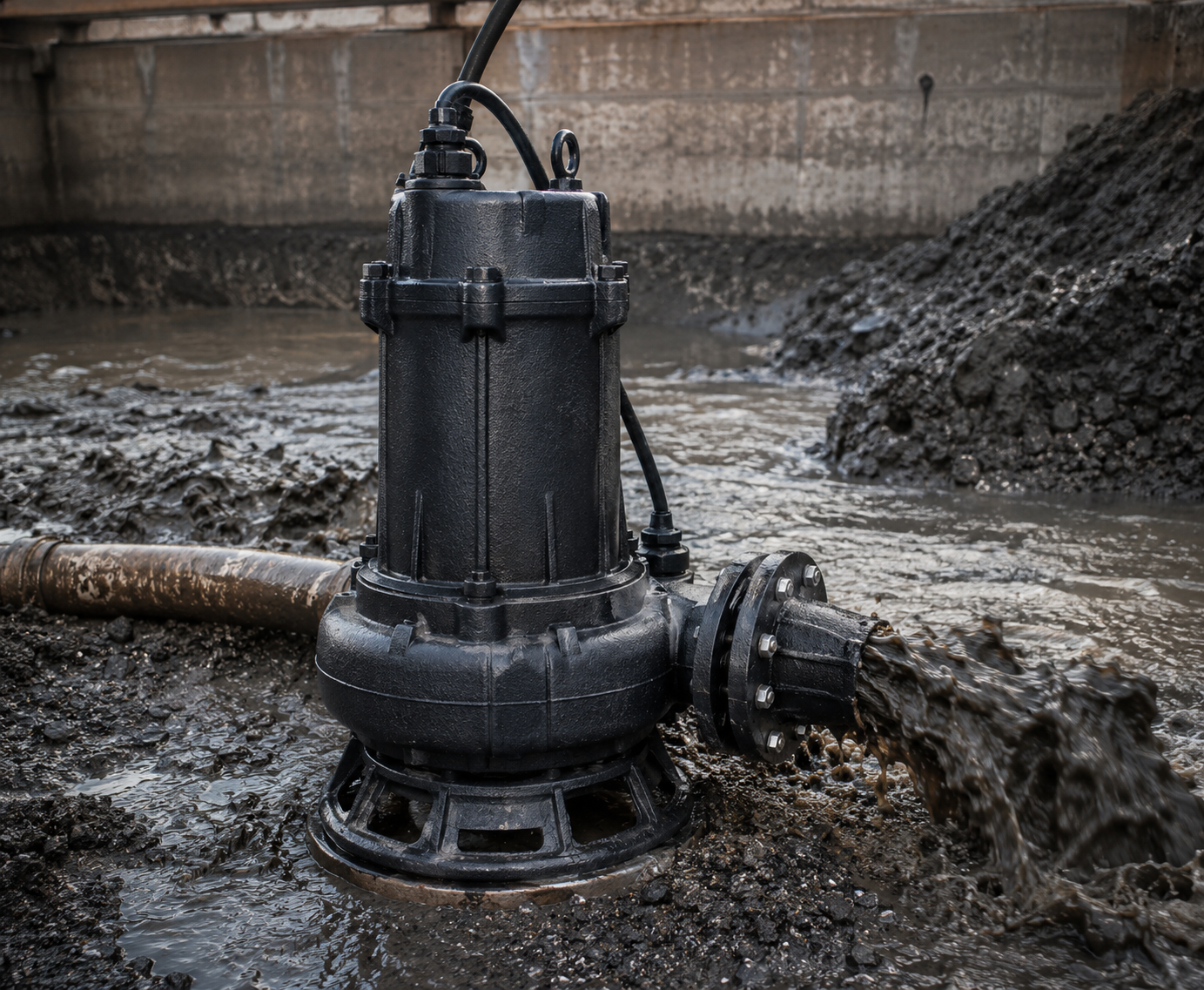
Slurry pumps that are submerged in water can handle a lot rougher conditions than regular water pumps. Inside the pump, sand, sludge, grit, and suspended solids wear it down all the time. So, for key wet-end parts, we use materials that don’t wear down easily. This keeps the pump’s performance stable even in heavy-duty slurry uses and lowers wear and tear.
Designed to Reduce Clogging and Downtime
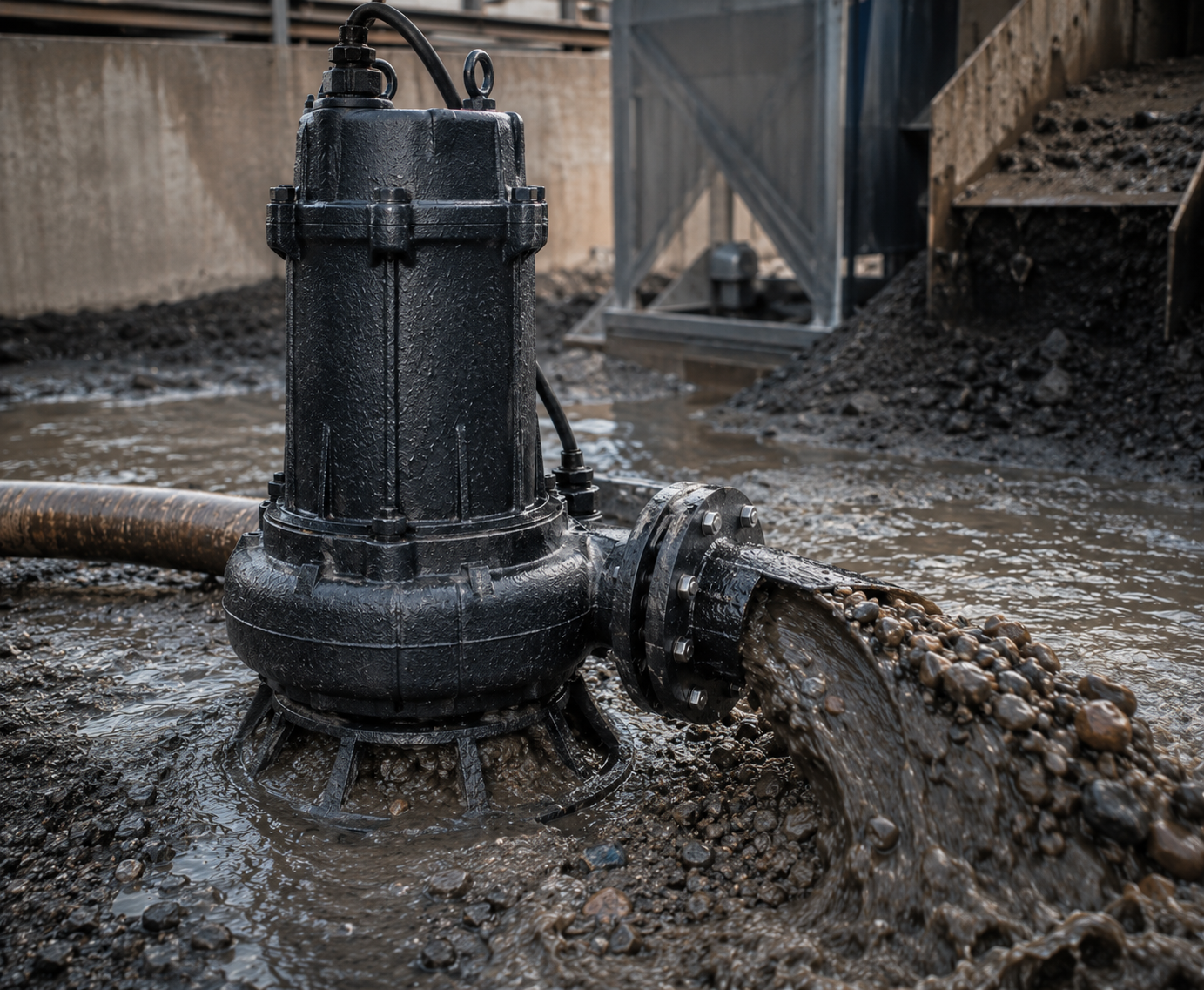
Easily blockable solids in slurry can stop normal pumps from working. For better solids handling and less blockage while pumping, our submersible slurry pumps are made with wider flow paths. For demanding job sites, this means faster slurry transfer, less downtime for cleaning, and more reliable performance.
Reliable for Continuous Heavy-Duty Operation
In many slurry situations, pumps need to keep going for a long time. Dependability is important for everything from mine drainage to dredging and moving garbage. Our pumps are designed to work continuously underwater. They have a stable structure, reliable sealing, and long-lasting internal parts that can handle many rounds of heavy use.
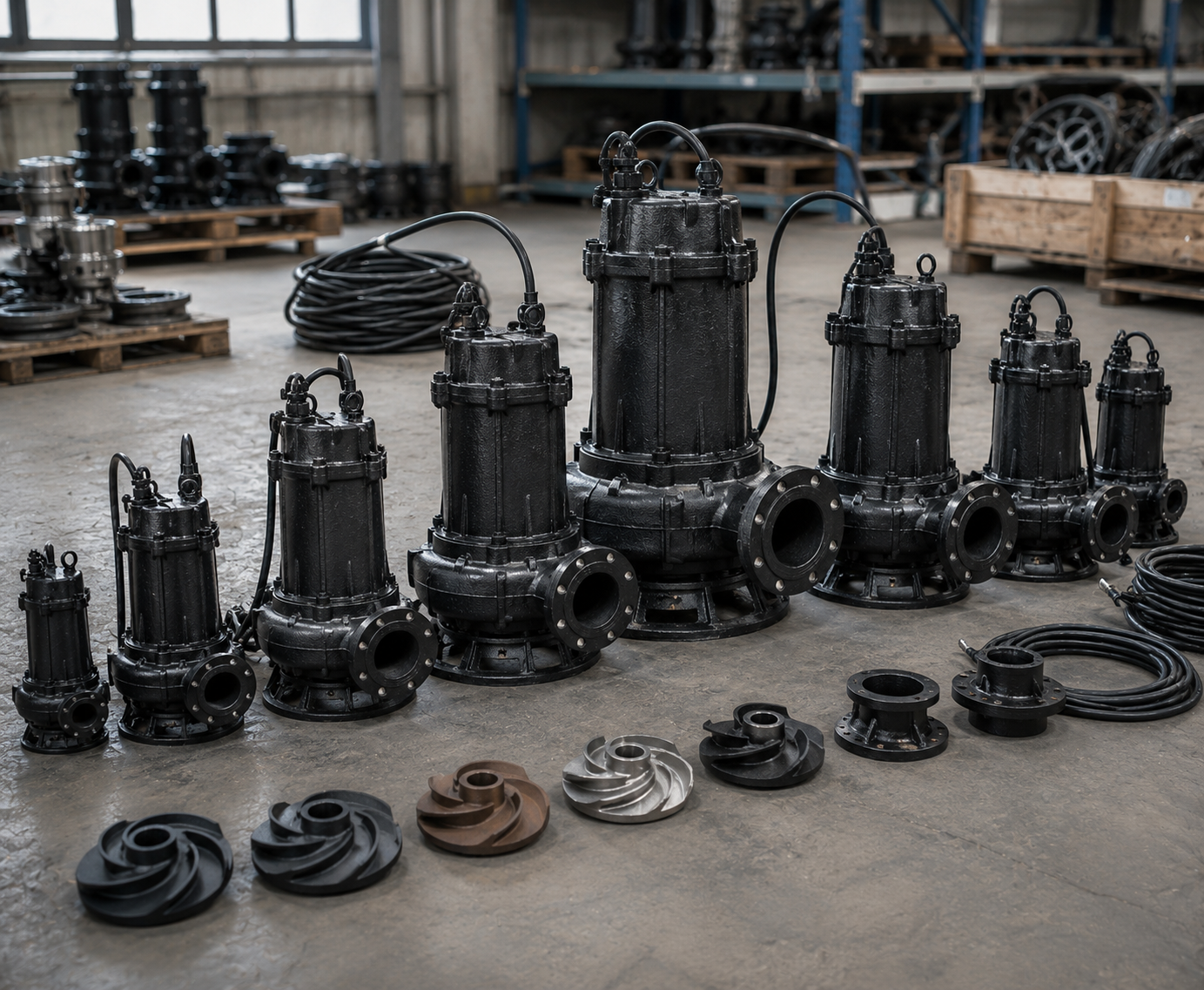
Flexible Configurations for Different Projects
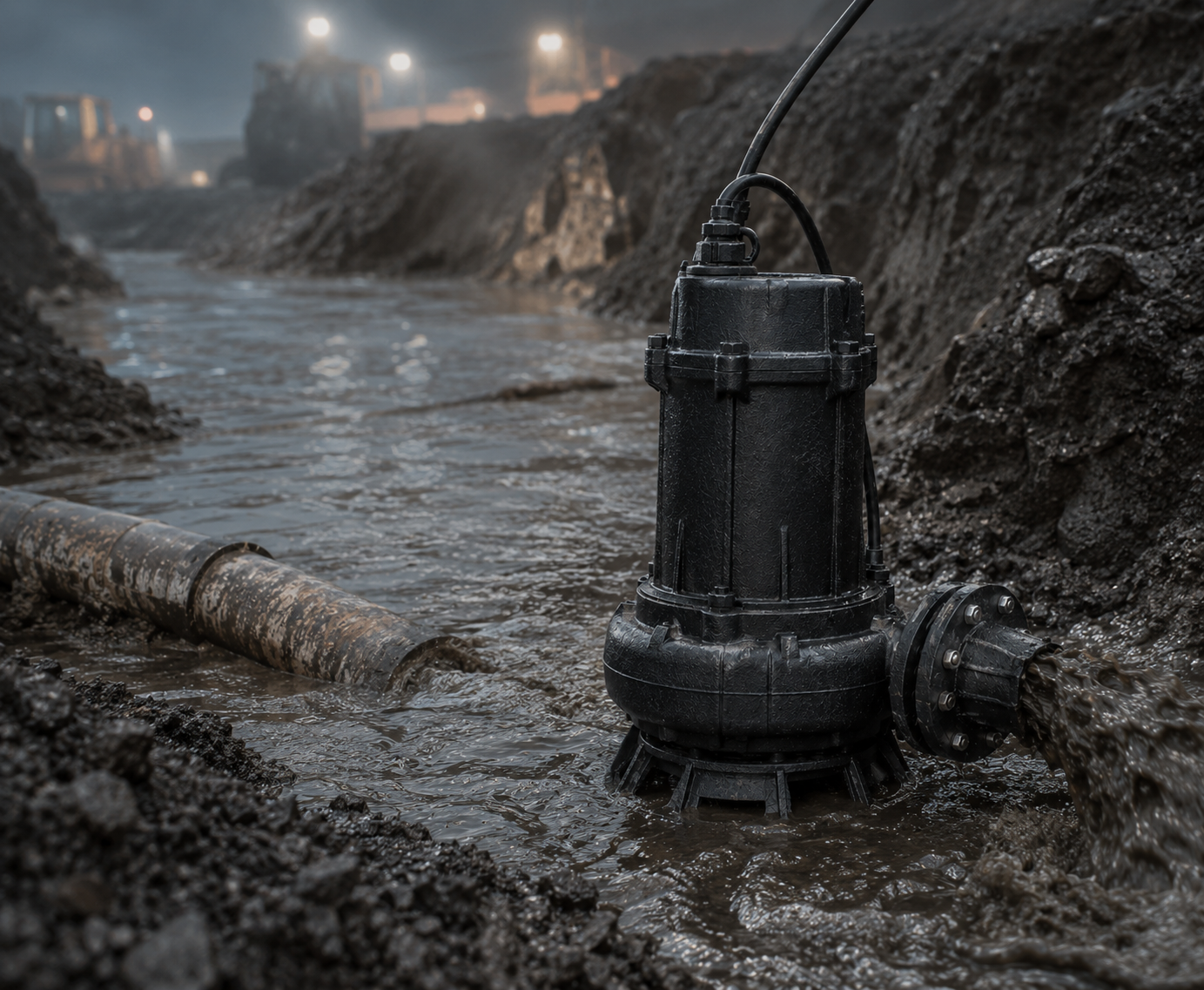
Pumps must meet different needs for different projects. We have a range of flow rates, heads, outlet sizes, voltages, wire lengths, and materials to choose from. We make it easy for distributors, contractors, and original equipment manufacturers (OEMs) to find a submersible slurry pump that works in the real world.
Factory-Direct Supply with Faster Response
If you work directly with the manufacturer, you can talk to them more quickly, get better prices, and have more control over the creation process. We help customers with stable quality control, flexible production schedules, and reliable shipping to make buying easy and quick. This goes for both sample orders and bulk supplies.
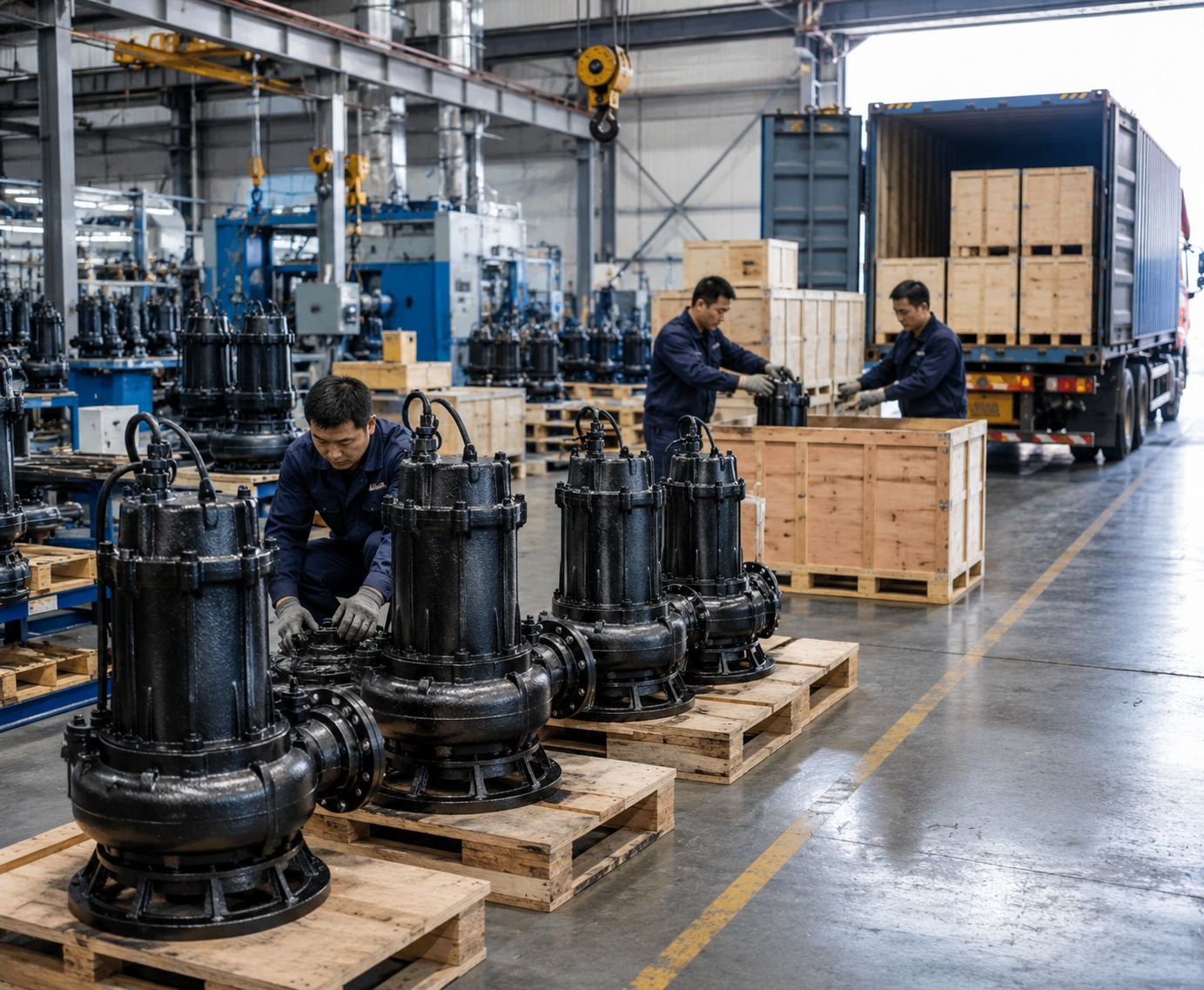
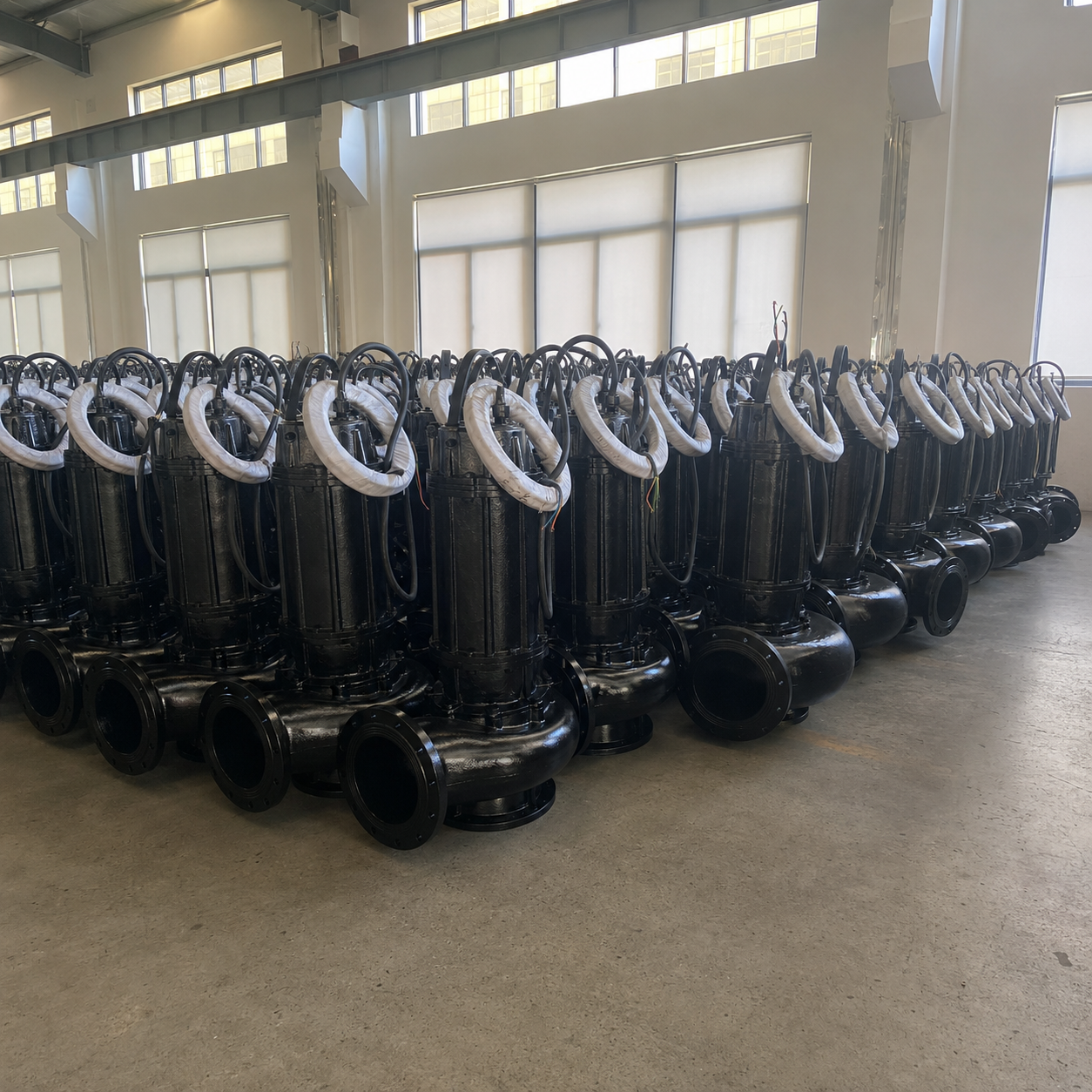
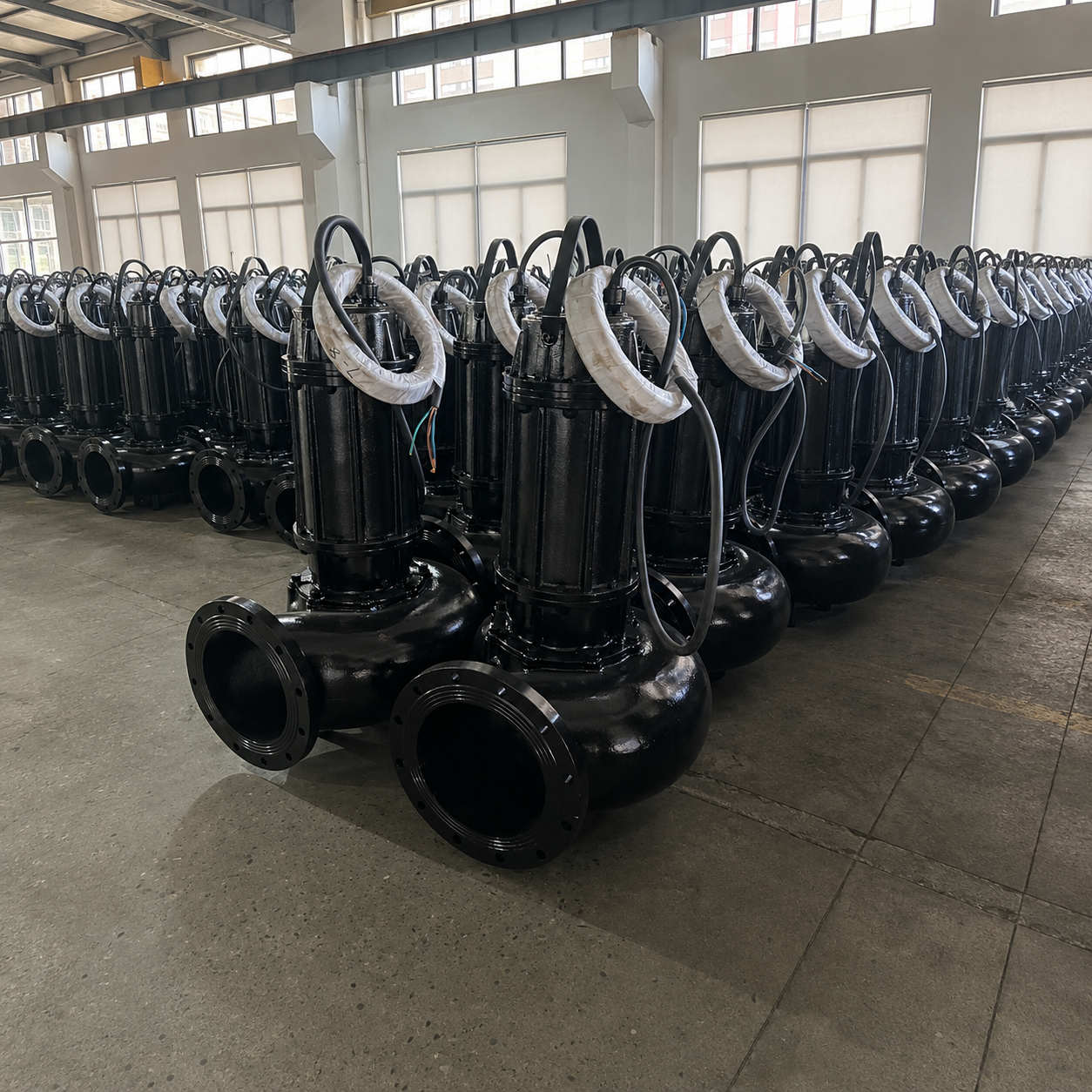
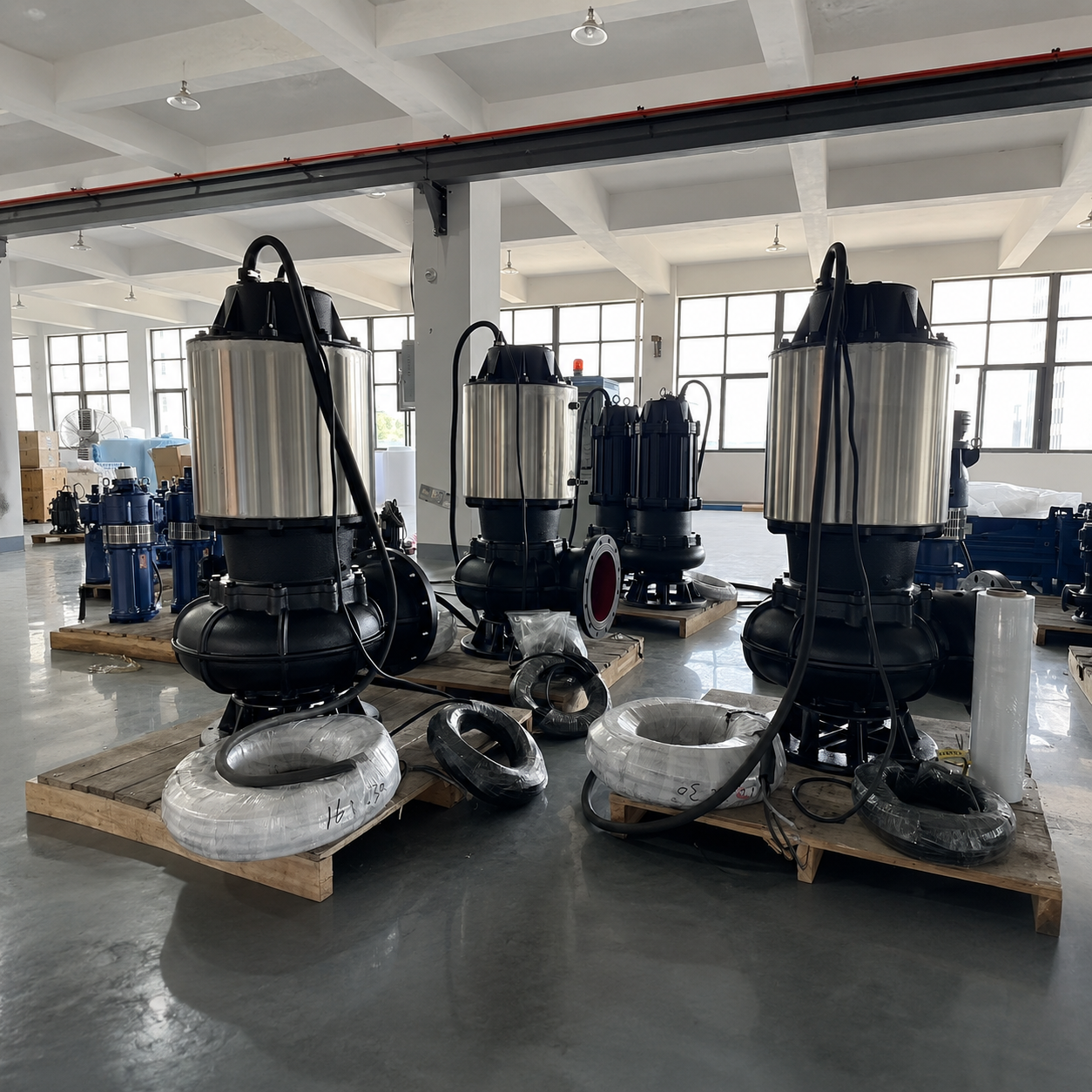
Your Reliable Factory for Submersible Slurry Pumps
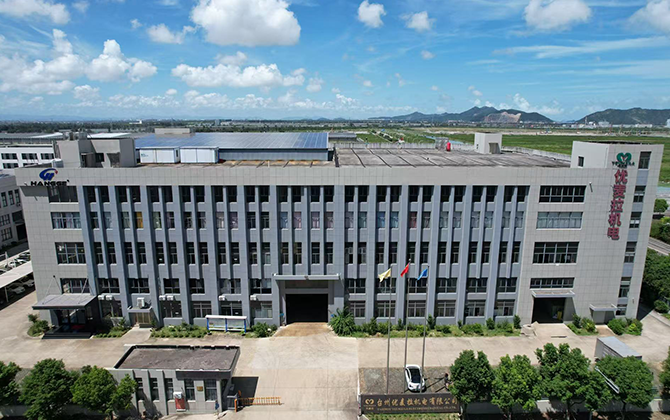
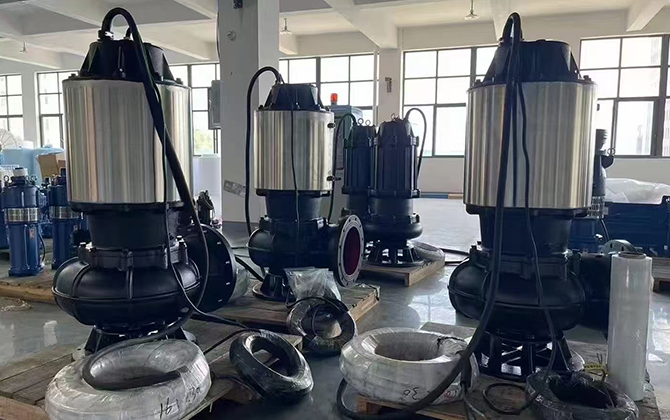
When you buy submersible slurry pumps from us, you’re dealing directly with a plant that makes pumps for heavy-duty uses. We understand that moving clean water is not the same as moving sludge. Every day use causes real wear from sand, sludge, and gritty solids, so choosing a pump should be based on site conditions, not just data from a catalog. We help our customers pick the right model by looking at their flow, head, material content, and workspace.
It’s also easier and faster to source when you buy directly from our plant. You can talk to them more quickly, get OEM support that fits your needs, and have better control over specs, production, and delivery. We support both sample sales and bulk purchases with useful service, stable manufacturing, and reliable shipping around the world, whether they are for distributors, contractors, or project procurement.
Submersible Slurry Pump Application Areas
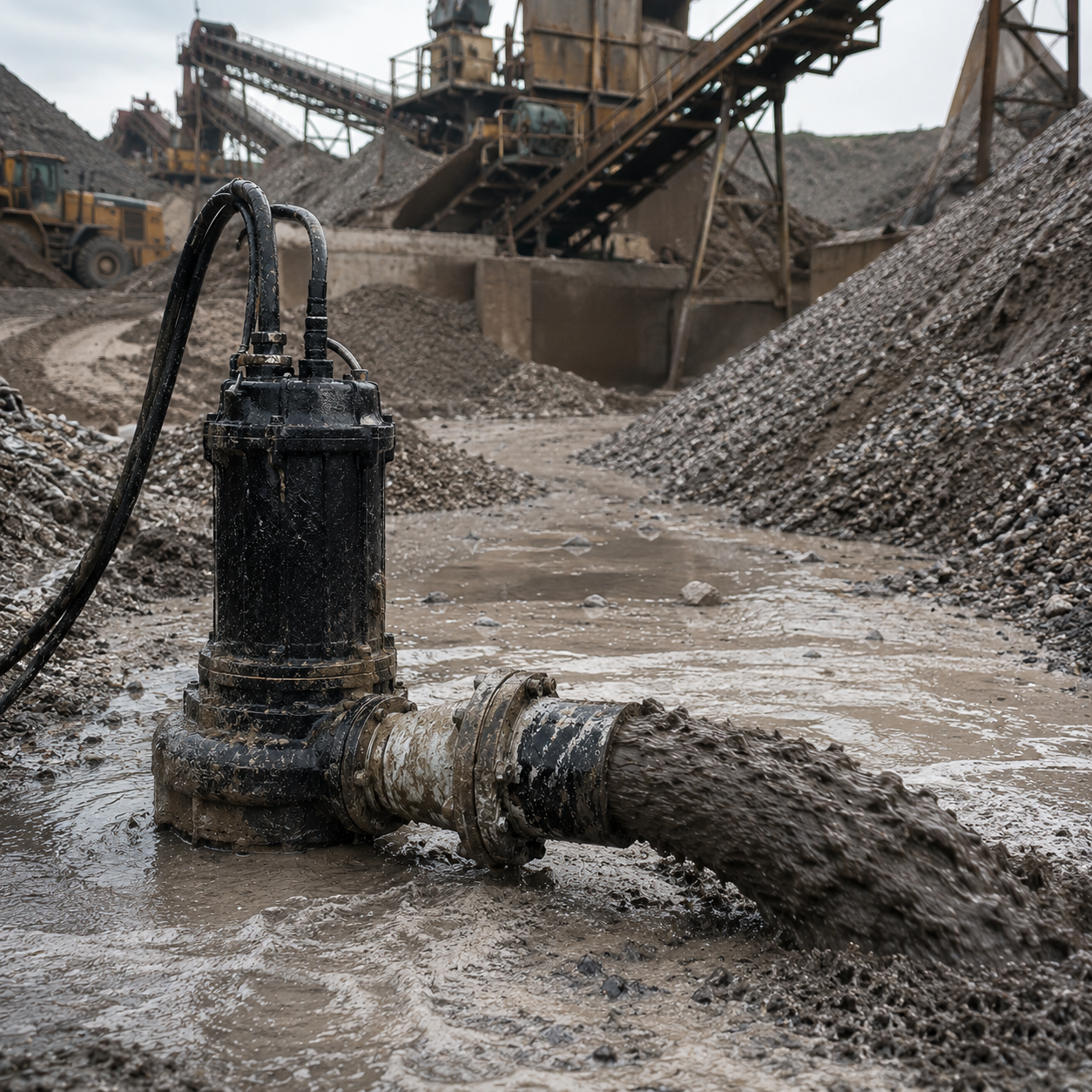
In mine, our pumps deal with rough slurry, sand, and sediment. They move tailings quickly from processing sites to storage or disposal areas, so they can keep working without getting clogged.
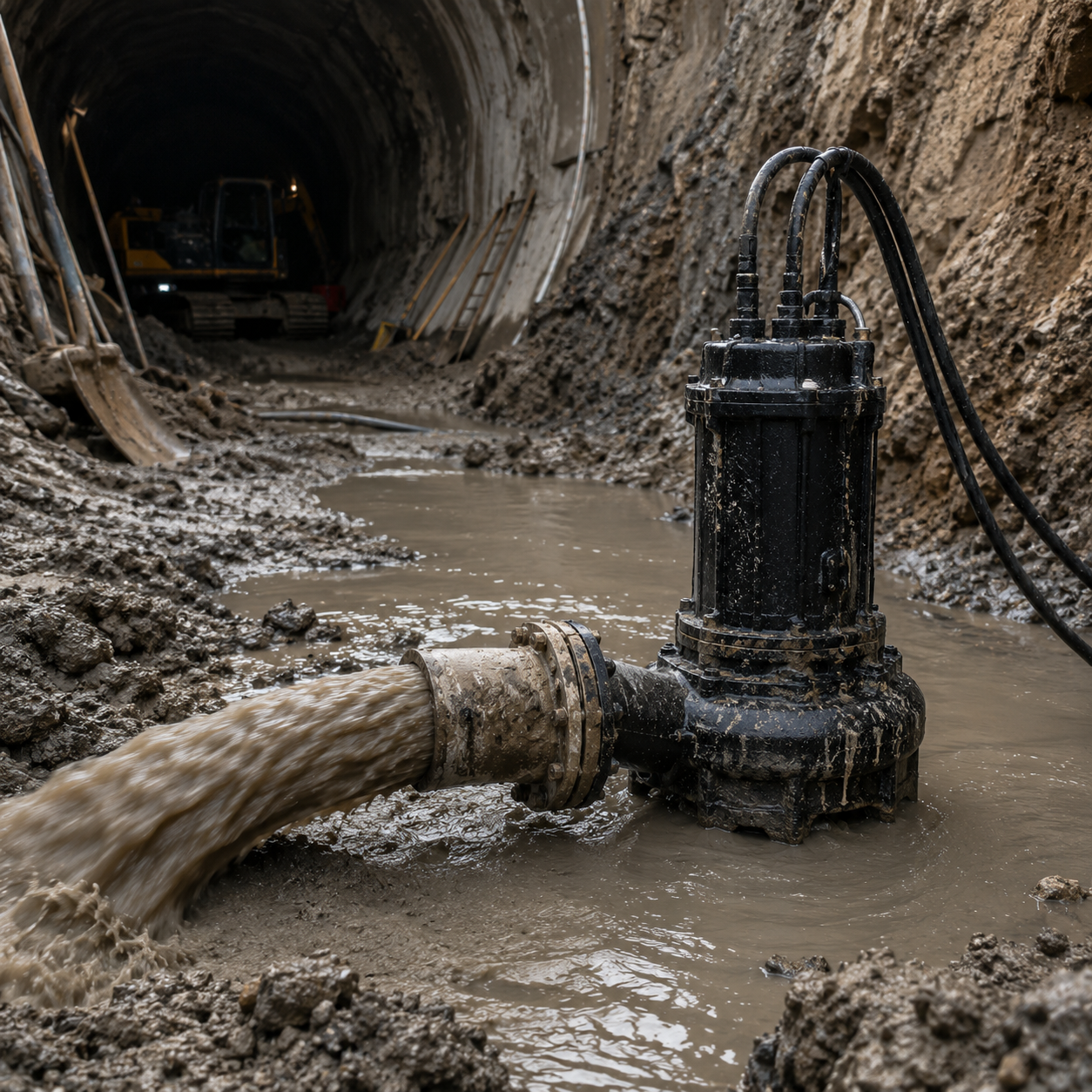
In construction sites, tunnels, and excavation pits, these tools get rid of water that is mixed with sand, mud, and other things that don’t belong. For reliable operation even in water with a lot of solids, their strong design is key.
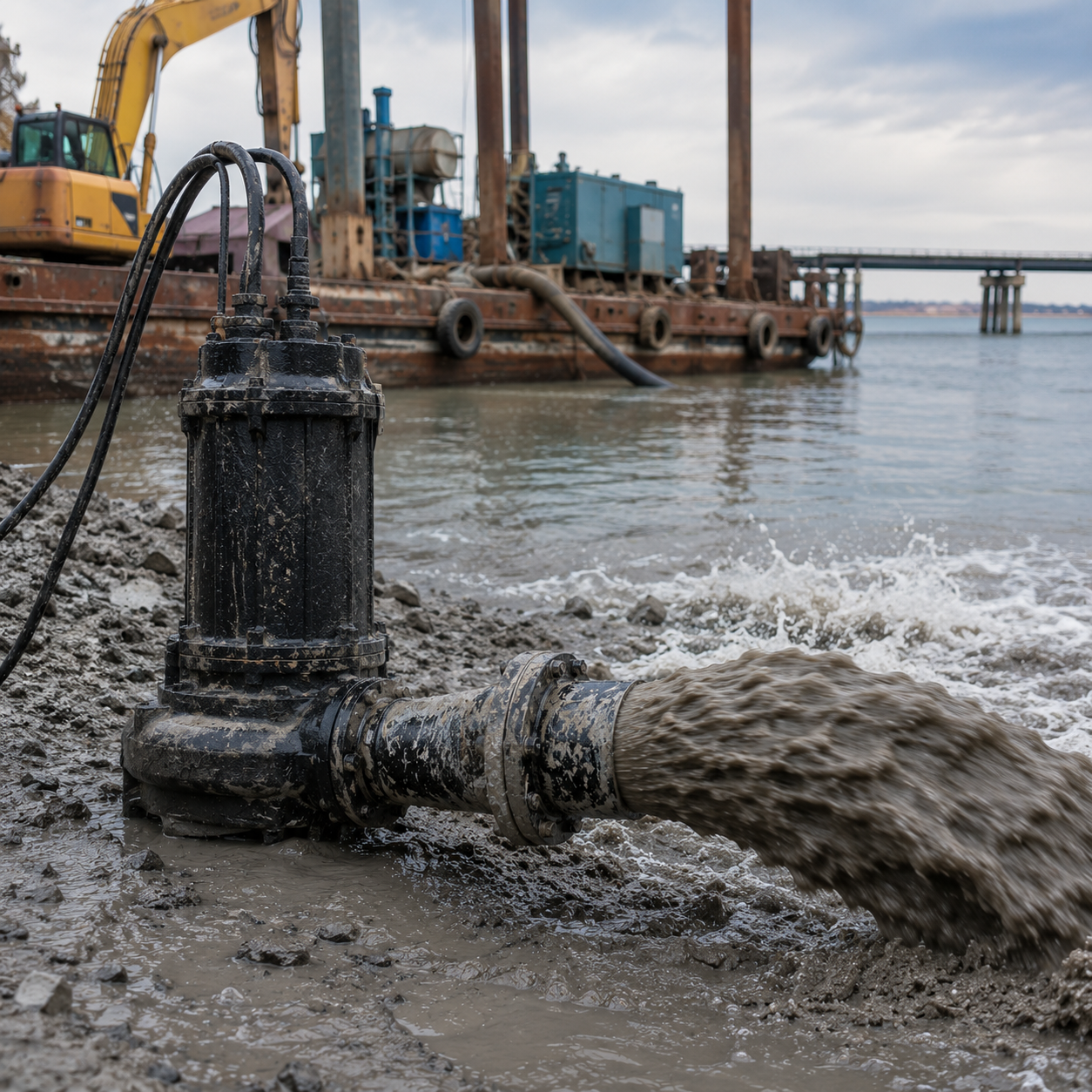
Our slurry pumps move sand, silt, and mud without putting too much wear on the motor. They are perfect for digging in rivers, lakes, and ports. Large solids move through easily, which keeps the cleaning process quick and effective.
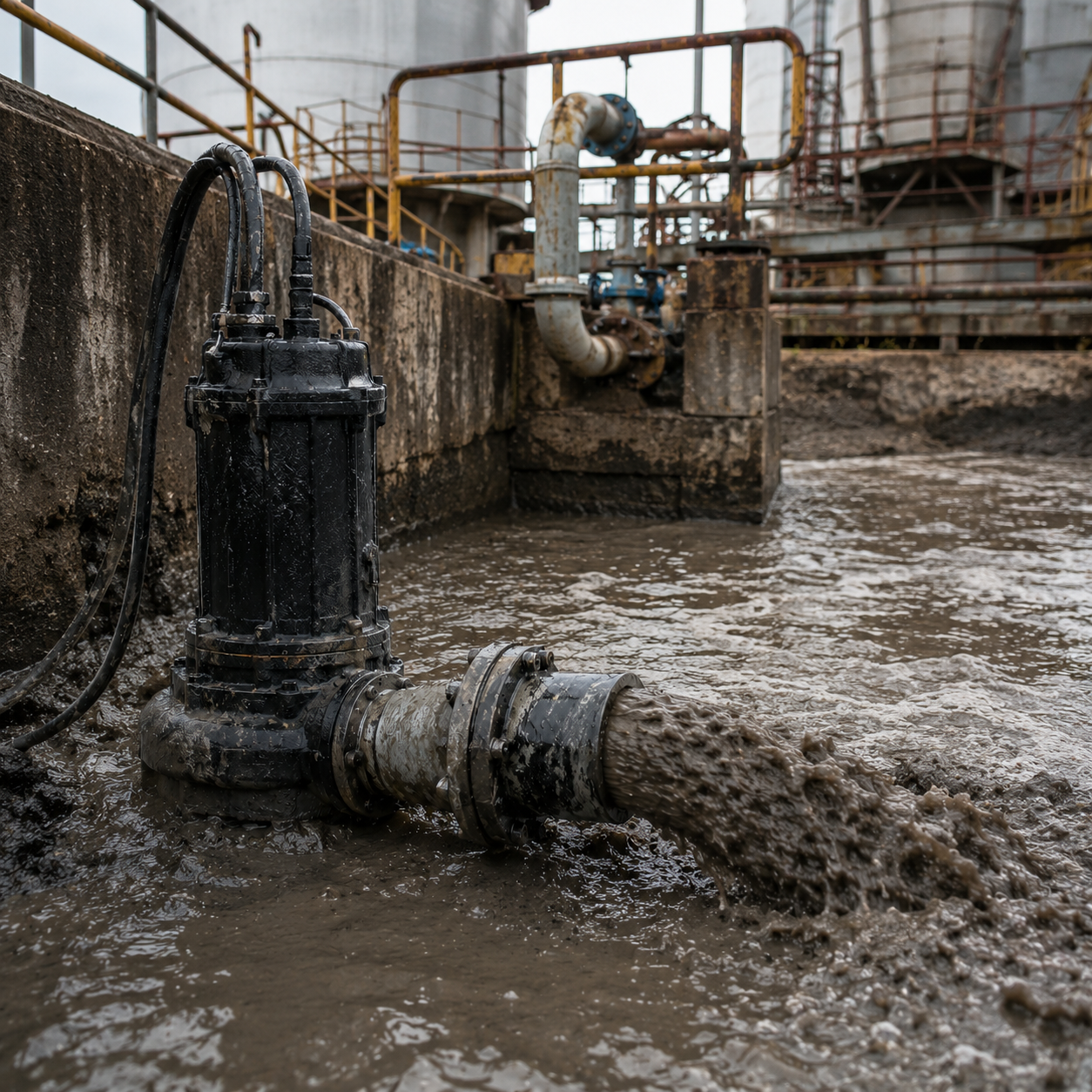
It is safe for the pumps to move sludge and sediment-filled water in factories, chemical plants, and wastewater treatment plants. Their long-lasting wet-end parts cut down on upkeep and downtime.
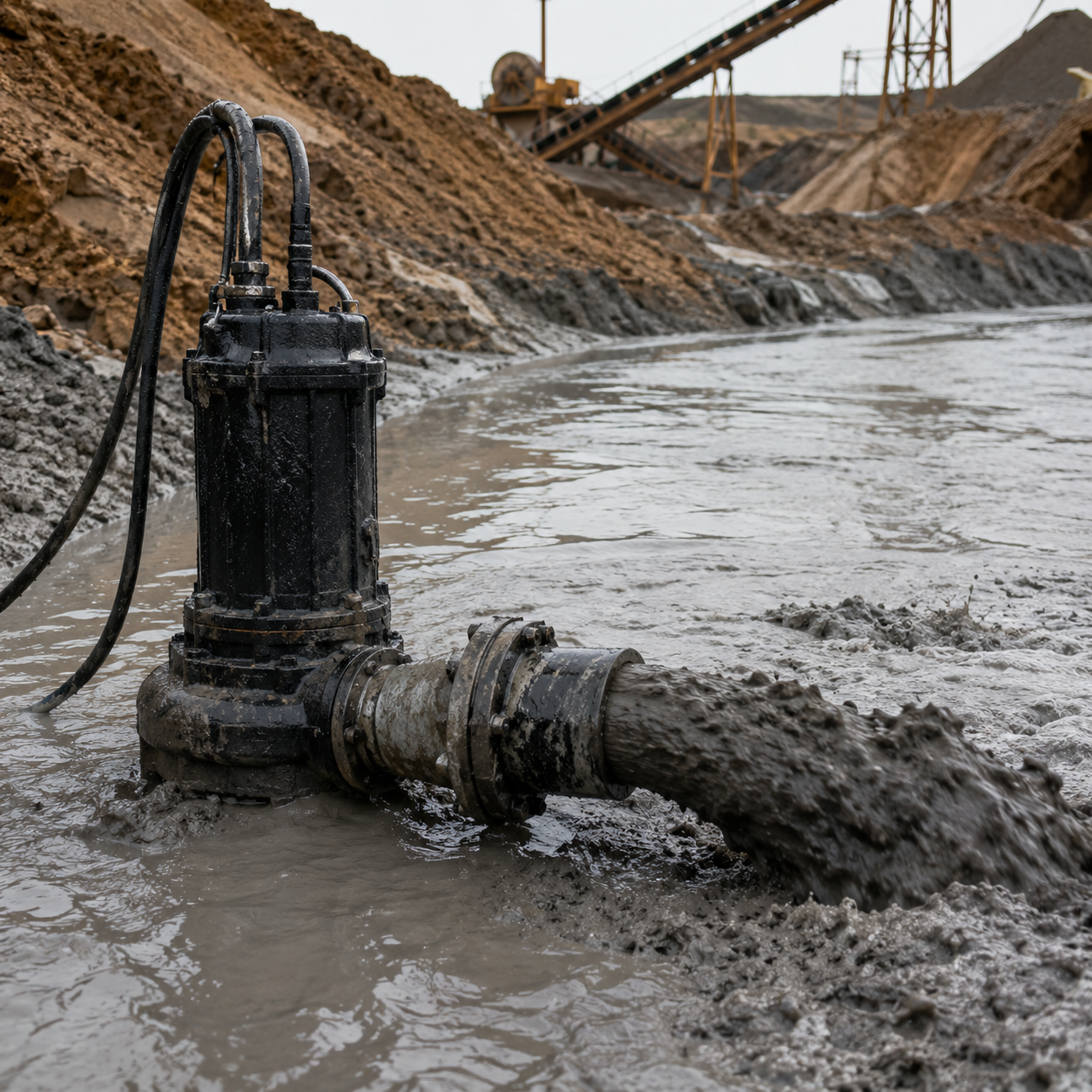
Sand, gravel, and slurry are moved from mines to processing equipment by heavy-duty submersible slurry pumps. Because they are designed to not wear down easily, they can be used continuously in rough, abrasive circumstances.
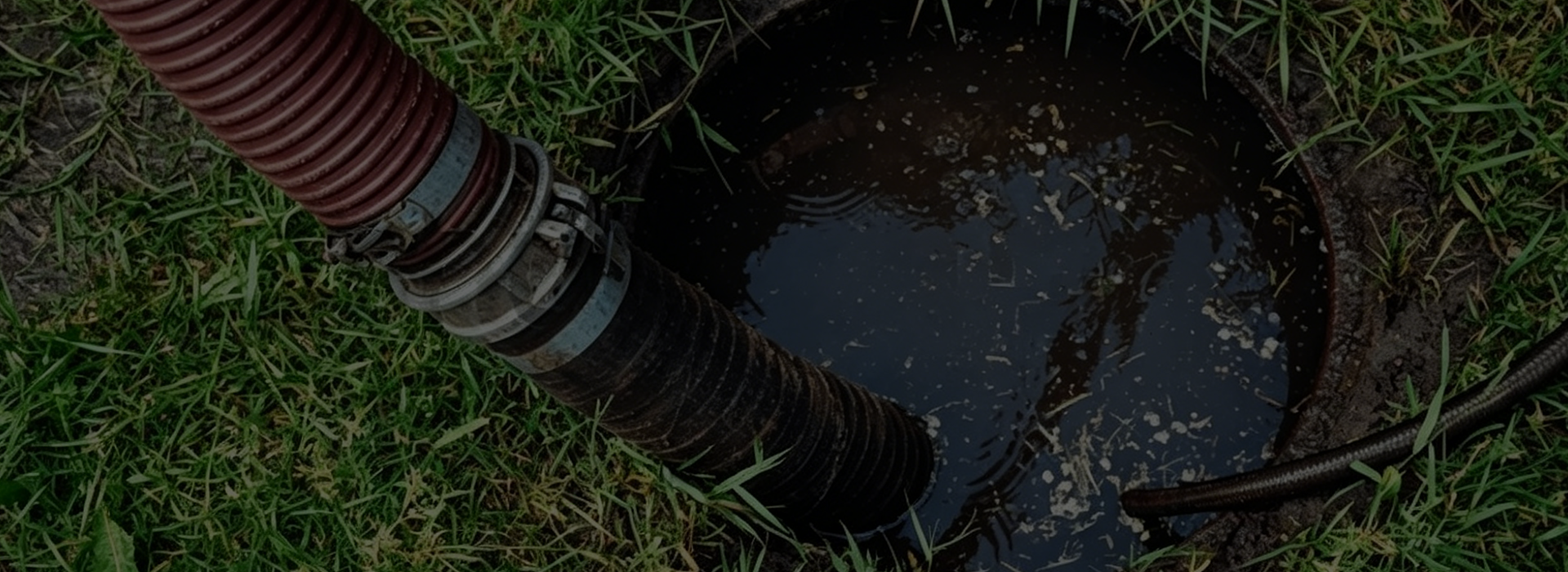
While it’s underwater, a submarine slurry pump moves rough slurry, sand, sludge, mud, sediment, and liquids that contain solids. Normal water pumps wear out too quickly for applications like mining, dredging, quarry drainage, building dewatering, and moving wastewater from one place to another in factories.
Usually, a submersible water pump works best with clean or slightly dirty water. That’s why underwater slurry pumps are made for slurry, solids, sludge, and abrasive liquids. Stronger parts that don’t wear out as easily, a bigger solids passage, and better durability in heavy-duty pumping uses.
Yes. For moving sand and gravel, submersible slurry pumps are often used. Because they are made to handle sand bits without too much wear, the impellers and pump casings are made to be resistant to abrasion.
Yes. Submersible slurry pumps are often used to move sludge in lagoons, settling ponds, wastewater treatment plants, and industrial sludge transfer systems. They can handle high-density sludge and streams that have solids in them.
What happens here depends on how the pump is made and how the motor’s seals are built. If needed, standard types can work several meters underwater, and deep-submersible slurry pumps can be specially made to be installed deeper.
Specific models have different capacities for handling solids. Bigger slurry pumps can move bigger particles, gravel, or slurry solids, while smaller pumps can move fine sand or sediment. Maximum particle size varies with the design of the impeller and the diameter of the discharge outlet.
Handling objects is different for each model. Smaller slurry pumps can move larger pebbles, gravel, or solids in a slurry, while larger pumps can move fine sand or sediment. Different types of impellers and release outlets have different maximum particle sizes.
Yes. Large numbers of heavy-duty submersible slurry pumps are made to work nonstop in mining, dredging, and industry dewatering. Long working hours require the right pump size and placement.
Yes. An underground slurry pump’s main feature is that it doesn’t wear down easily. Numerous models protect against wear from sand, sludge, and other rough solids by using high-chrome metal or other strong materials.
Frequent wear is generally caused by a very rough slurry, solids that are too big, dry running, choosing the wrong pump, or using the wrong pump materials. Selecting the right slurry pump for the job can greatly lower wear.
Especially when pumping fibrous waste or solids that are too big for the pump’s design limit. More solids-handling pumps with wider paths help lower the chance of clogging.
A lot of different industries use submersible slurry pumps, such as mining, quarrying, dredging, building dewatering, tunneling, treating industrial wastewater, digging for sand, moving tailings, and getting rid of sediment.
Some heavy-duty slurry pumps can handle loose or small dirt. The gravel size relies on the size of the pump passage and the space between the impeller and the housing.
High-chrome metal is used a lot because it doesn’t wear down easily. Depending on the job, cast iron, stainless steel, or other materials that don’t break down easily could also be used.
The slurry concentration, working hours, pump material, and maintenance all affect how long a pump lasts. Heavy-duty underwater slurry pumps can last a long time and have less downtime if they are used in the right way.
Yes. Maintaining stable slurry pumping efficiency and extending the life of pumps by checking their seals, bearings, cables, and output performance on a regular basis.
Yes. There are a lot of companies that make submersible slurry pumps, and you can choose the outlet size, flow rate, head, voltage, frequency, wire length, materials, and OEM branding.
You can usually get submersible slurry pumps with 220V, 380V, 415V, 440V, and other industry voltages. For foreign markets, custom voltage configurations can also be made.
Yes. Because they can handle solids in tough circumstances, submersible slurry pumps are used a lot in mining to move tailings, drain mines, dry out pits, and move abrasive slurry.
Yes. In dredging, they are often used to move sand, mud, silt, and sediment from ports, rivers, ponds, lakes, and excavation sites.
Yes. Submersible slurry pumps can handle wastewater that has sludge, solids, or rough grit in it. They are often used in devices that move sludge and wastewater from factories.
Slurry pumps are less likely to get clogged if they are the right size, are installed at the right level, are serviced regularly, and are made with a strong solids-handling capacity.
Sand and grit are what a sand pump is mostly used for. For more general use, a slurry pump can move sand, sludge, mud, slurry, and waters with more abrasive solids in them.
Yes. When compared to buying through trading companies, buying directly from a submersible slurry pump manufacturer generally means better prices, faster communication, OEM support, and more freedom to make changes.
Sending a price request means telling them about the flow rate, head, slurry type, solids size, voltage, discharge size, and installation conditions you need. Thus, the maker can suggest the best concealed slurry pump for your job.
How to Choose the Right Submersible Slurry Pump for Your Application
Selecting the incorrect submersible slurry pump could result in poor performance, excessive wear, and high running costs that are not required. An undersized pump might not be able to handle the needed flow rate or solids concentration, while an oversized pump can waste energy and make the equipment more expensive. Choosing a pump based on its port size or motor power alone usually doesn’t lead to good performance.
Think about the solids content, particle size, pumping distance, and fitting depth before picking a slurry pump. For rough sand or mine slurry, you might need materials that don’t wear down easily. An agitator slurry pump might work better for thick sludge or sediment. When you match the pump to the conditions at the spot, it works better, lasts longer, and costs less to maintain over time.