

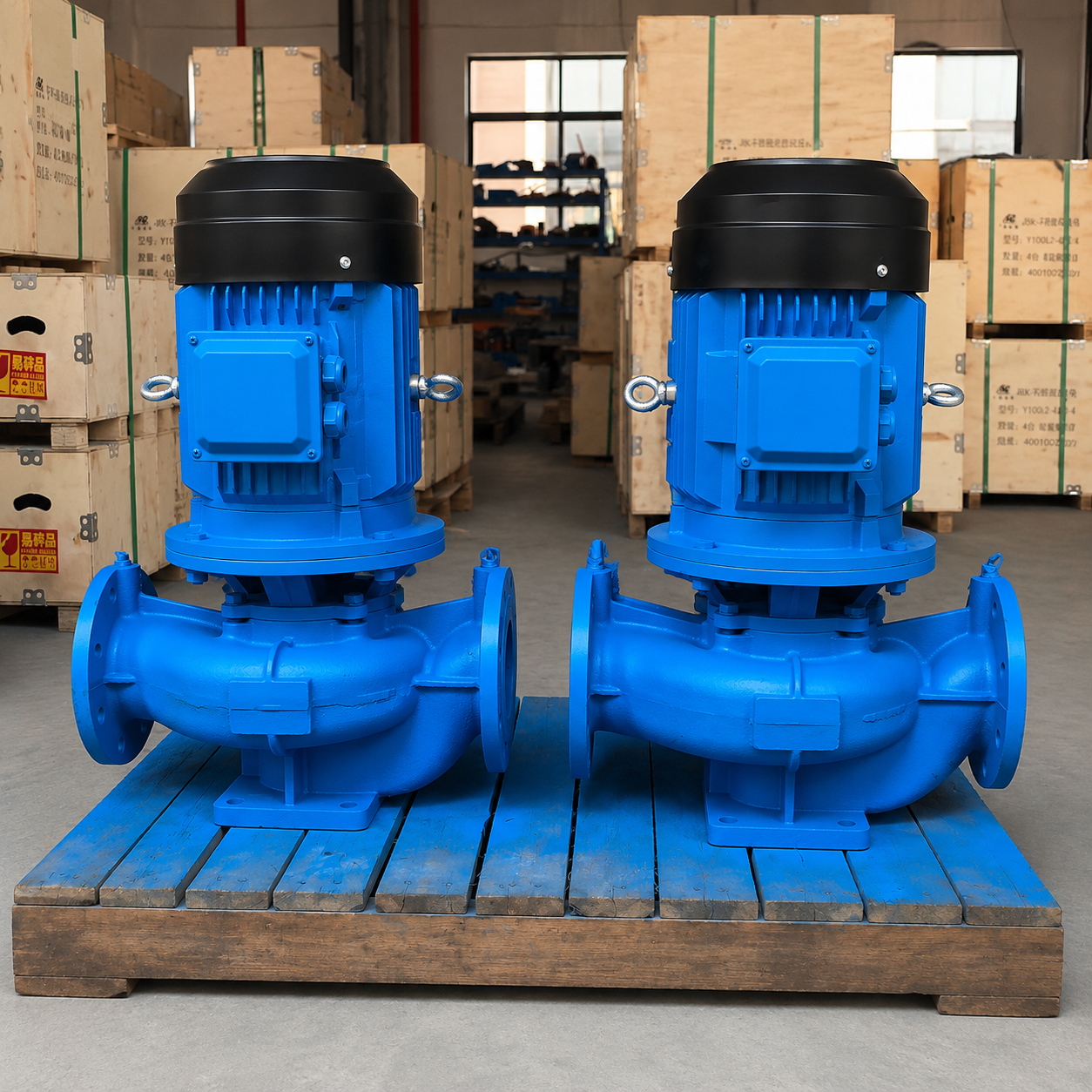
Inline Centrifugal Pump Product Highlights
- 4–1200 m³/h Flow Range: Includes needs for small, medium, and large water systems.
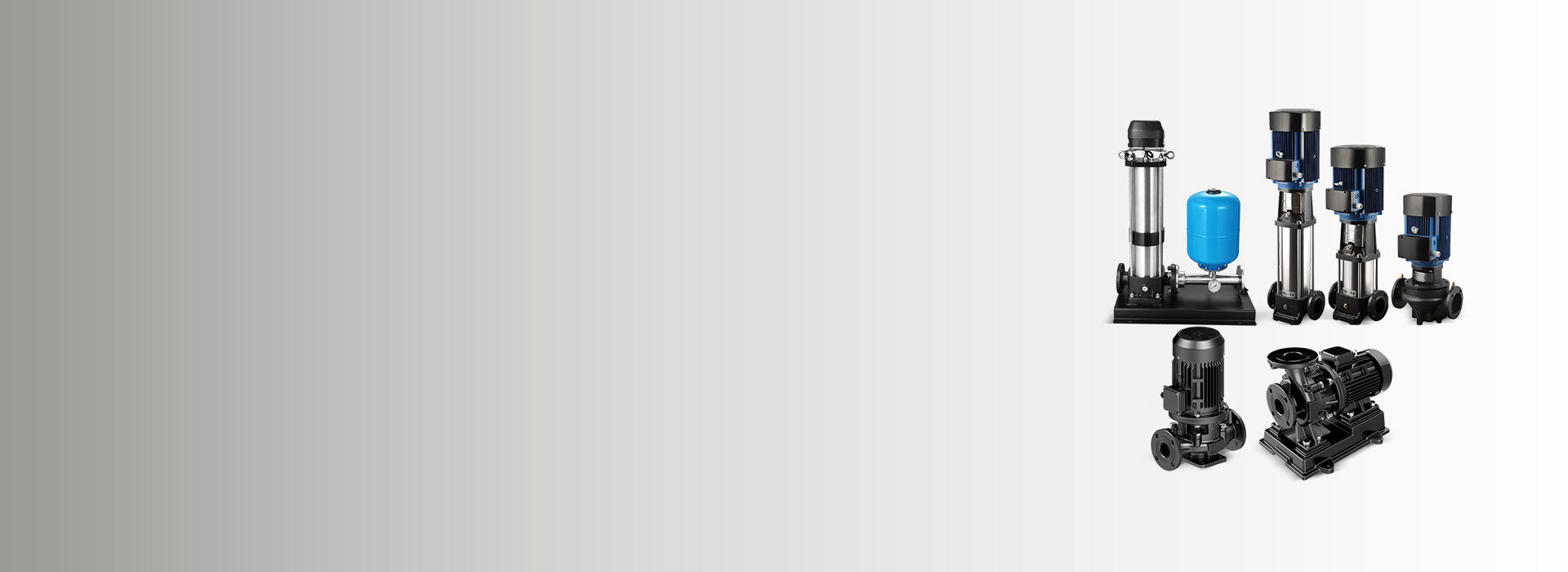
- Multiple Model Options: Single-stage, vertical, high-flow, and stainless steel models available.
- Flexible Head Selection: Different head options help match different project pressure needs.
- Motor Matching Support: Power, voltage, and frequency can be matched to market requirements.
- Material Choice Available: Cast iron and stainless steel options support different water conditions.
Bulk Order Ready: Regular models support faster order planning and delivery.
Inline Centrifugal Pump Supplier for Bulk Project Orders
HunGerät inline centrifugal pumps are designed for systems where you need more than a small booster pump. With rated flow from 4 m³/h to 1200 m³/h, this series gives you stronger flow coverage, stable pipeline performance, and more model flexibility for different project demands.
The strong pump body helps keep the pipeline connection stable during long-term use, and the balanced impeller lowers vibration and unstable flow. Mechanical seals that work well help lower the chance of leaks, and choices made of cast iron or stainless steel let you better match different types of water. HunGerät gives you a useful choice of inline centrifugal pumps that are easier to choose, easier to get, and better suited for long-term, daily use.
Inline Centrifugal Pumps by Design
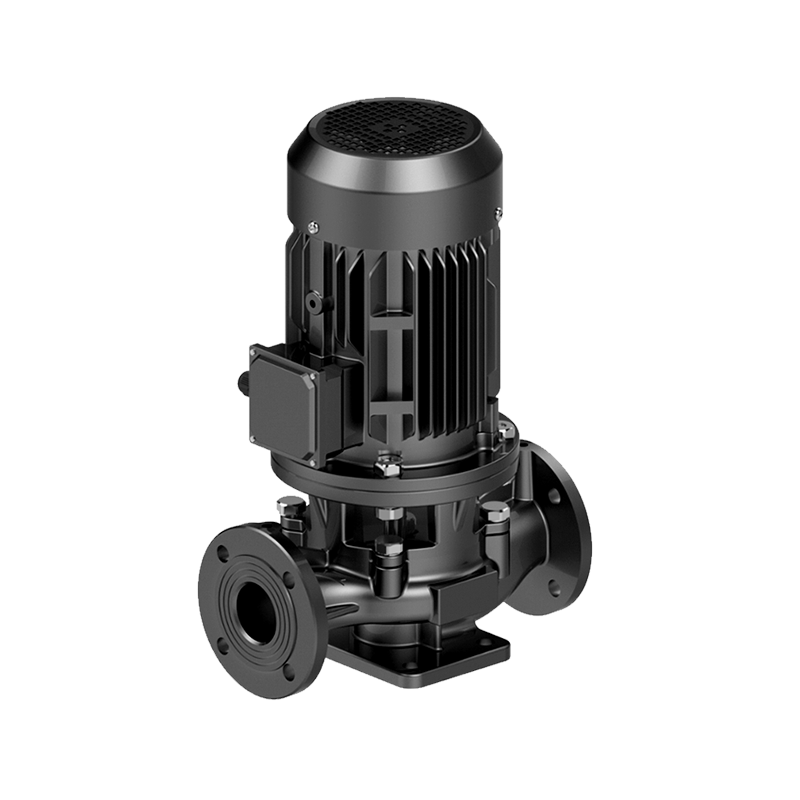 Single-Stage Inline Pumps
This type uses one impeller to move clean water through the pipeline. It is a good choice for general circulation, water supply, and light-pressure boosting.
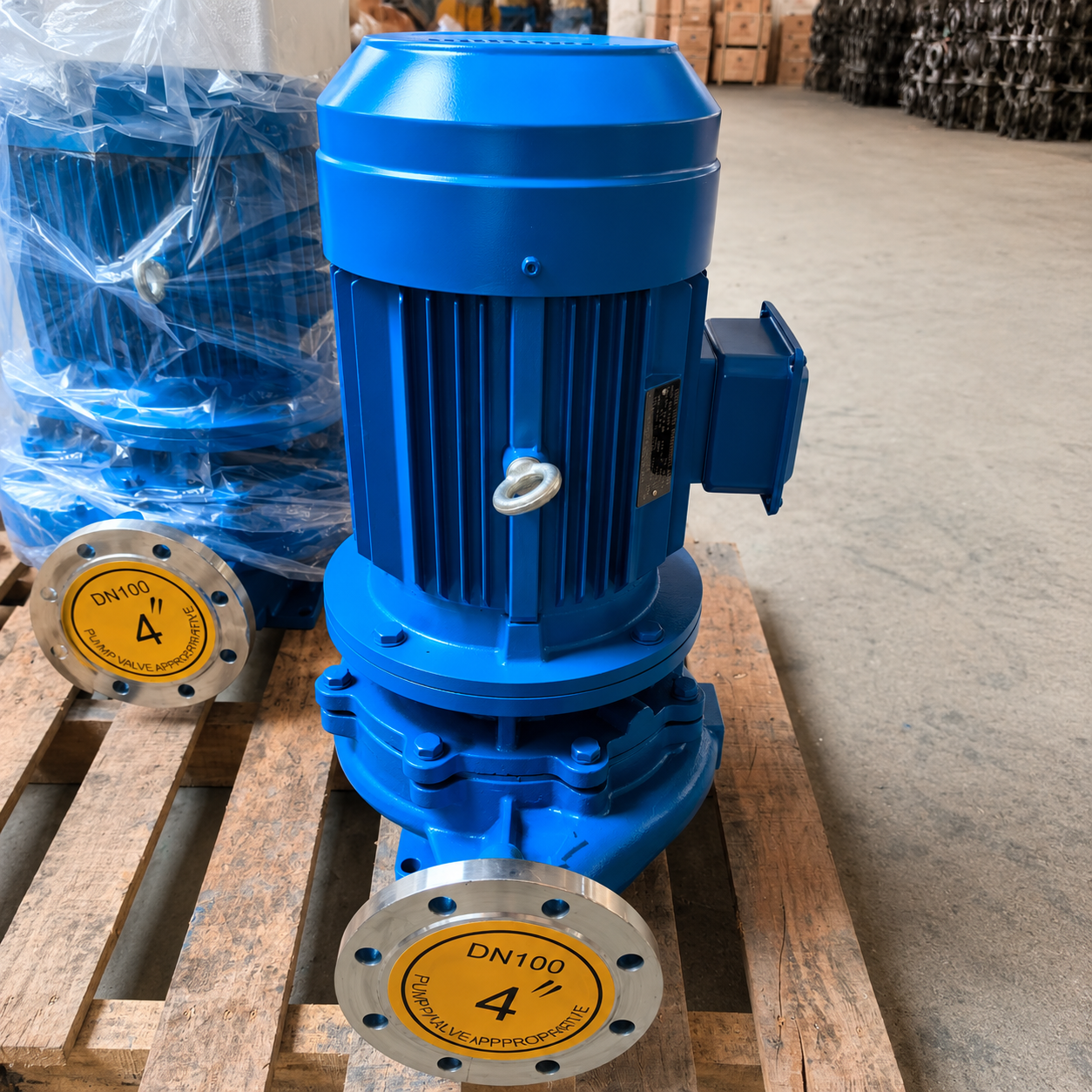
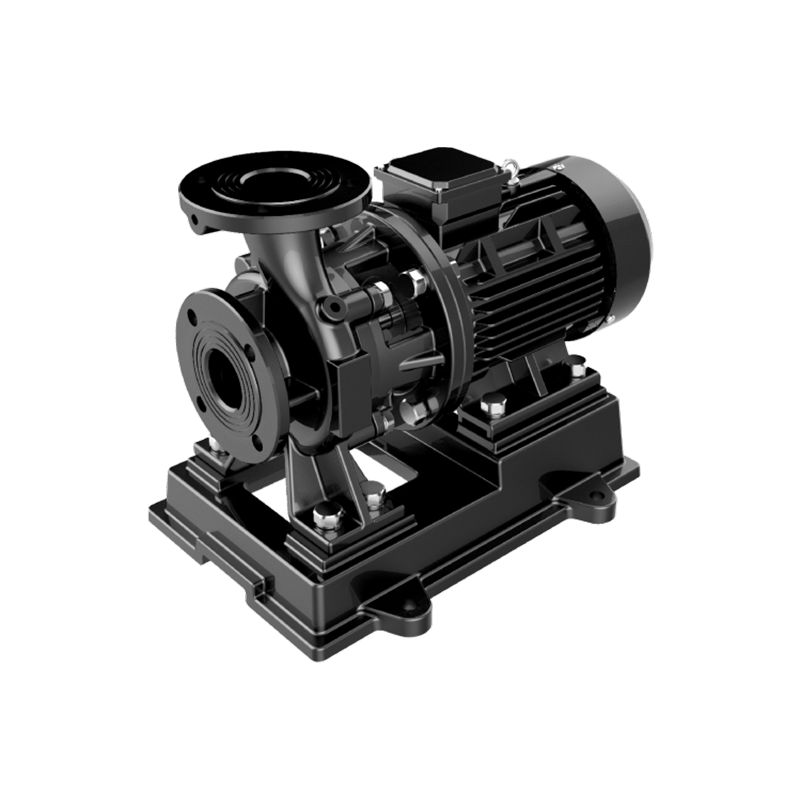 Vertical Inline Pumps
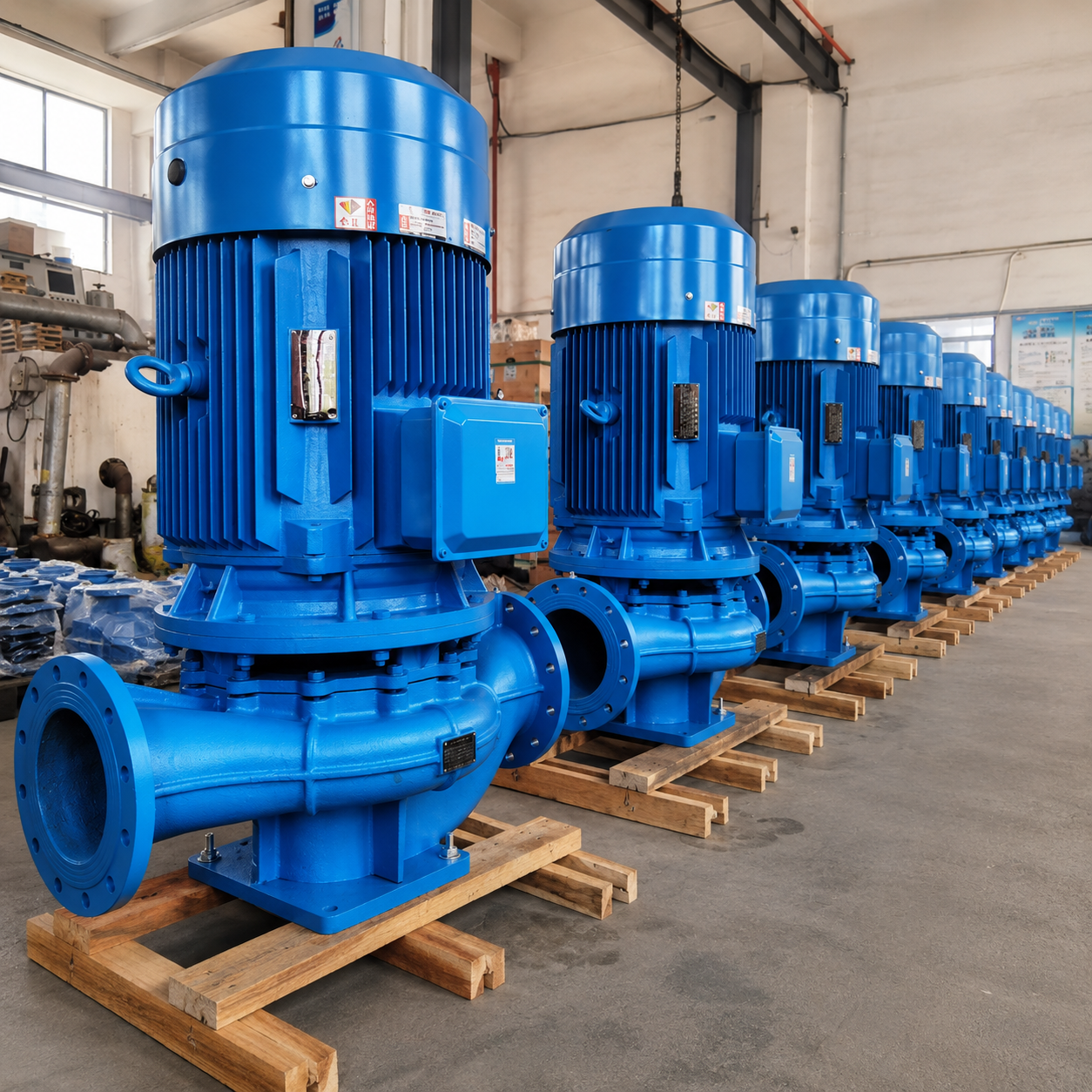
The motor sits above the pump body, and the inlet and outlet stay on the same line. This design saves floor space and works well in compact pump rooms.
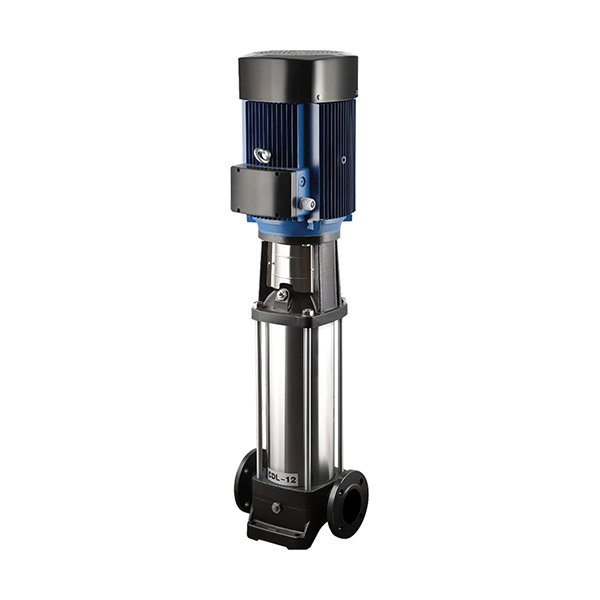 High-Flow Inline Pumps
These pumps are made for systems that need more water movement, such as HVAC circulation, cooling water, and building water supply.
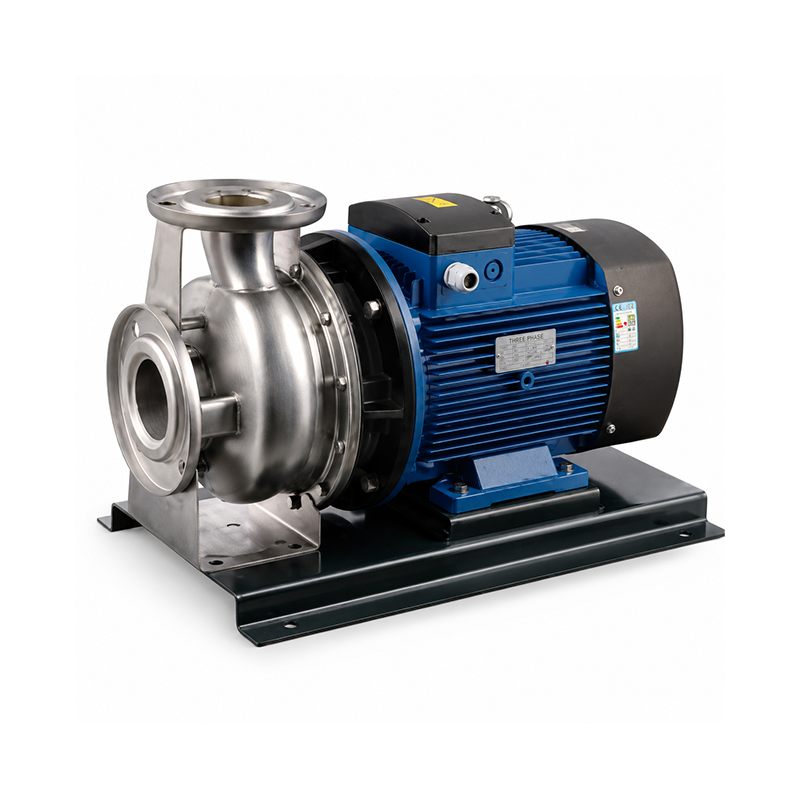 Stainless Steel Inline Pumps
Stainless steel parts help resist rust and keep the water path cleaner. They are suitable for clean water systems where better corrosion resistance is needed.
Why Choose HunGerät as Your Inline Centrifugal Pump Factory
HunGerät has been making pumps for 25 years, so we know a lot about how to create pumps, how to control production, and what the market wants. Our main goals are stable quality, clear model standards, and a steady supply capacity. It’s easier for buyers to pick inline centrifugal pumps now that they know it will be easier to find them.
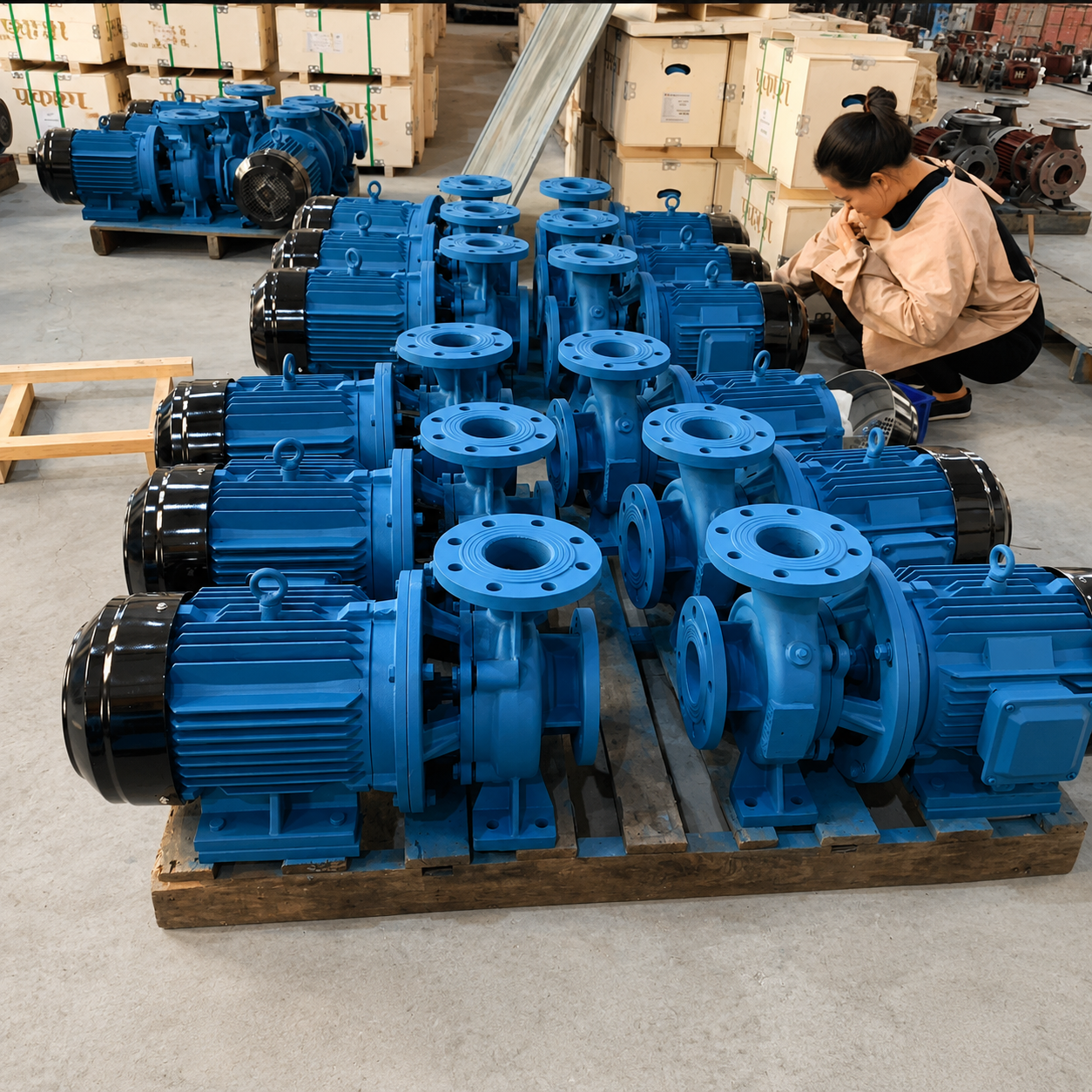
The 25,000 m² floor space of our factory allows for batch production, stock preparation, assembly, inspection, and loading containers. We have better control over production schedules and order handling this way. This is helpful when you need a steady supply for large orders, projects, or plans to buy from us again and again.
HunGerät winds copper motors in-house, which gives us more control over the quality of the motors, the stability of the power, and the regularity of production. Instead of getting all of our motors from outside sources, we can keep a closer eye on key motor details. This makes it easier for each inline centrifugal pump to work reliably every day.
To meet the needs of different markets, HunGerät can offer OEM choices for things like labels, colors, packaging, voltage, frequency, material choice, and model matching. This makes it easier to make goods that fit your local sales channel, the needs of the project, and the positioning of your brand.
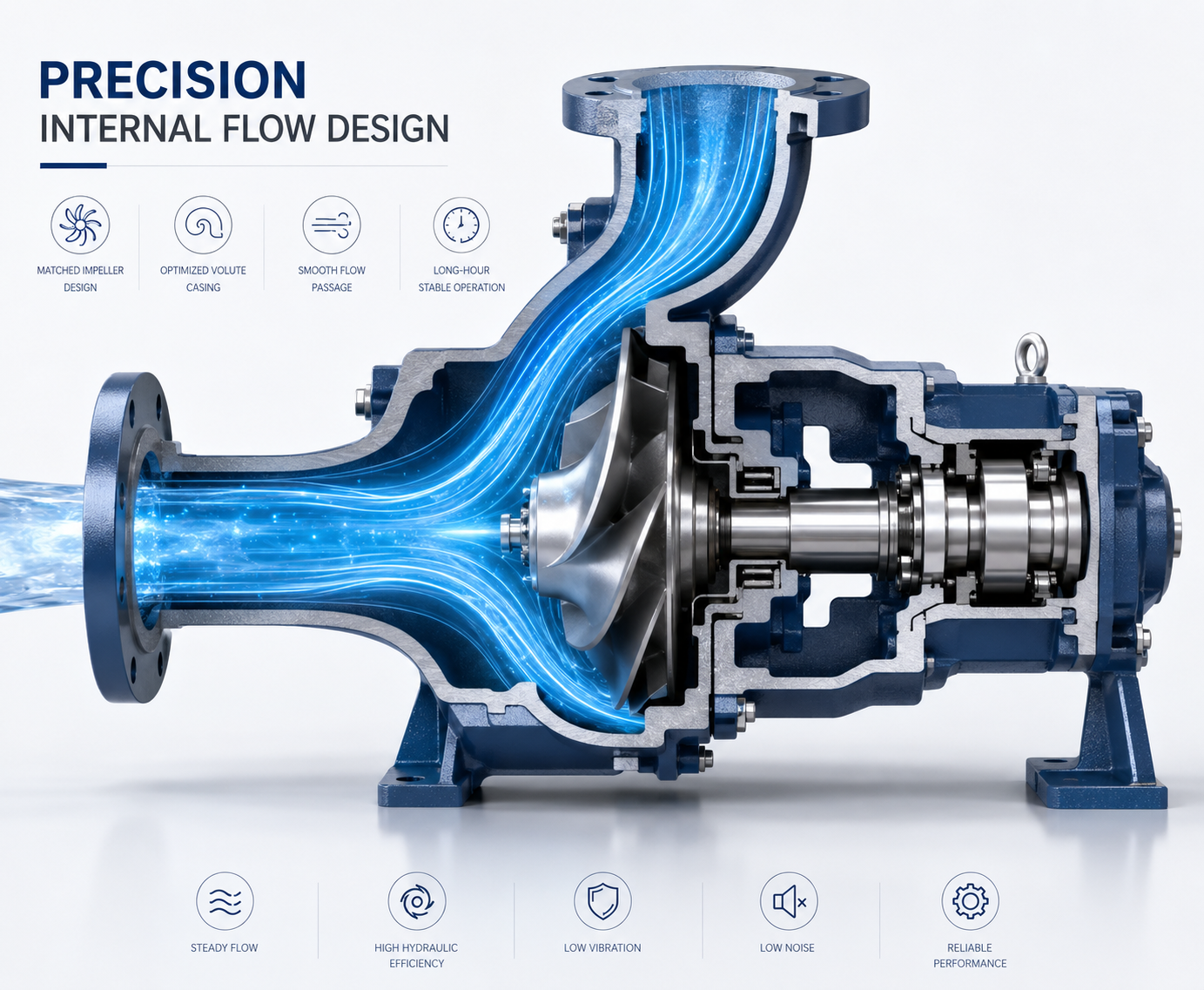
Precision Internal Flow Design
HunGerät inline centrifugal pumps have a casing and impeller that are designed to fit. This makes it easier for water to flow through the pump. The smoother flow path helps lower the turbulence inside the pump body. This means that the flow stays steady, the hydraulics work better, and the pump works better even after long hours of use.
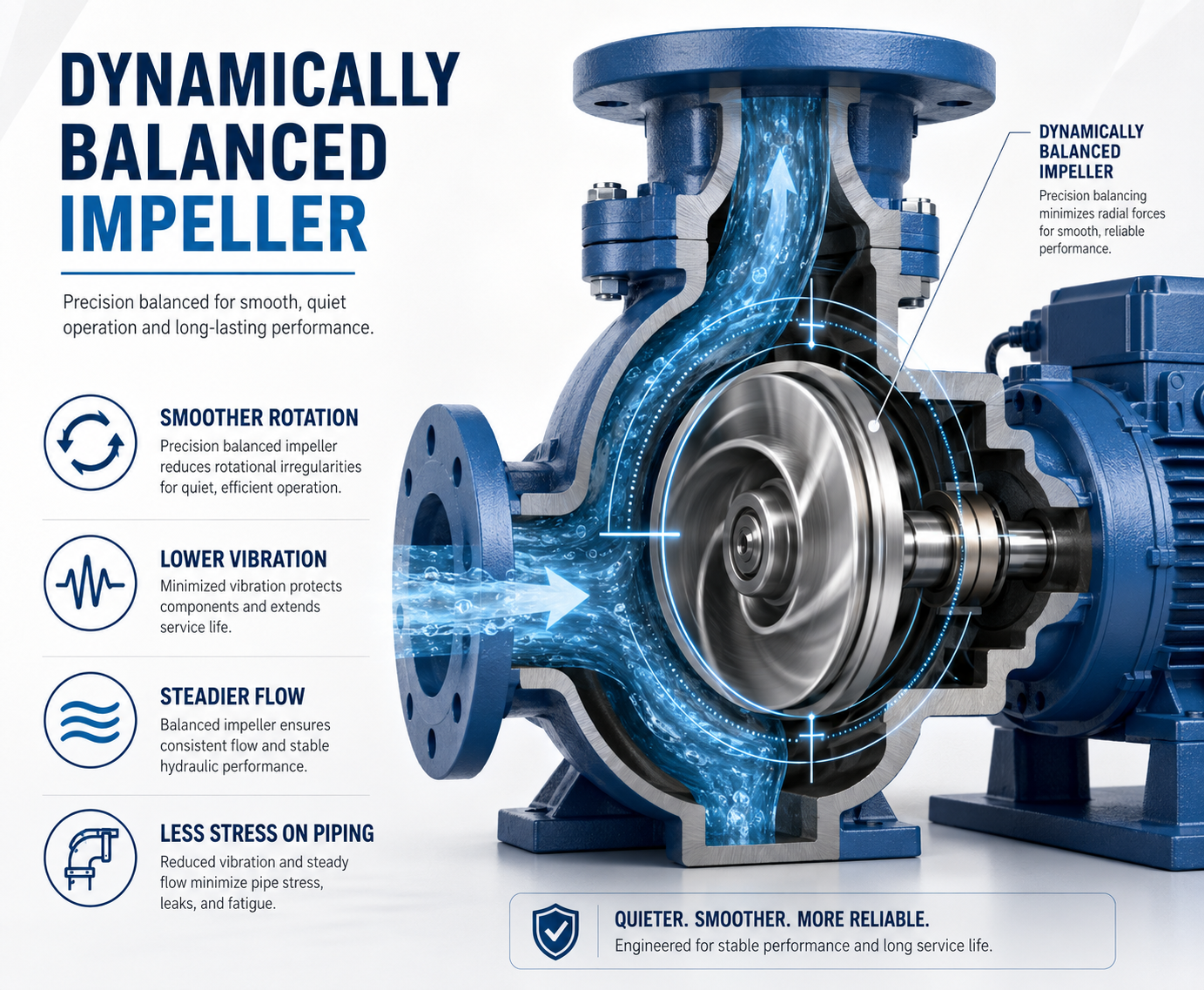
Dynamically Balanced Impeller
Each impeller of HunGerät inline centrifugal pumps is made and adjusted so that it can spin more smoothly at working speed. This helps make installation less likely to cause vibrations, pipe shaking, and flow that isn’t stable. This means that the pump can run more quietly and with less stress on the valves, flanges, and pipeline parts that are connected to it.
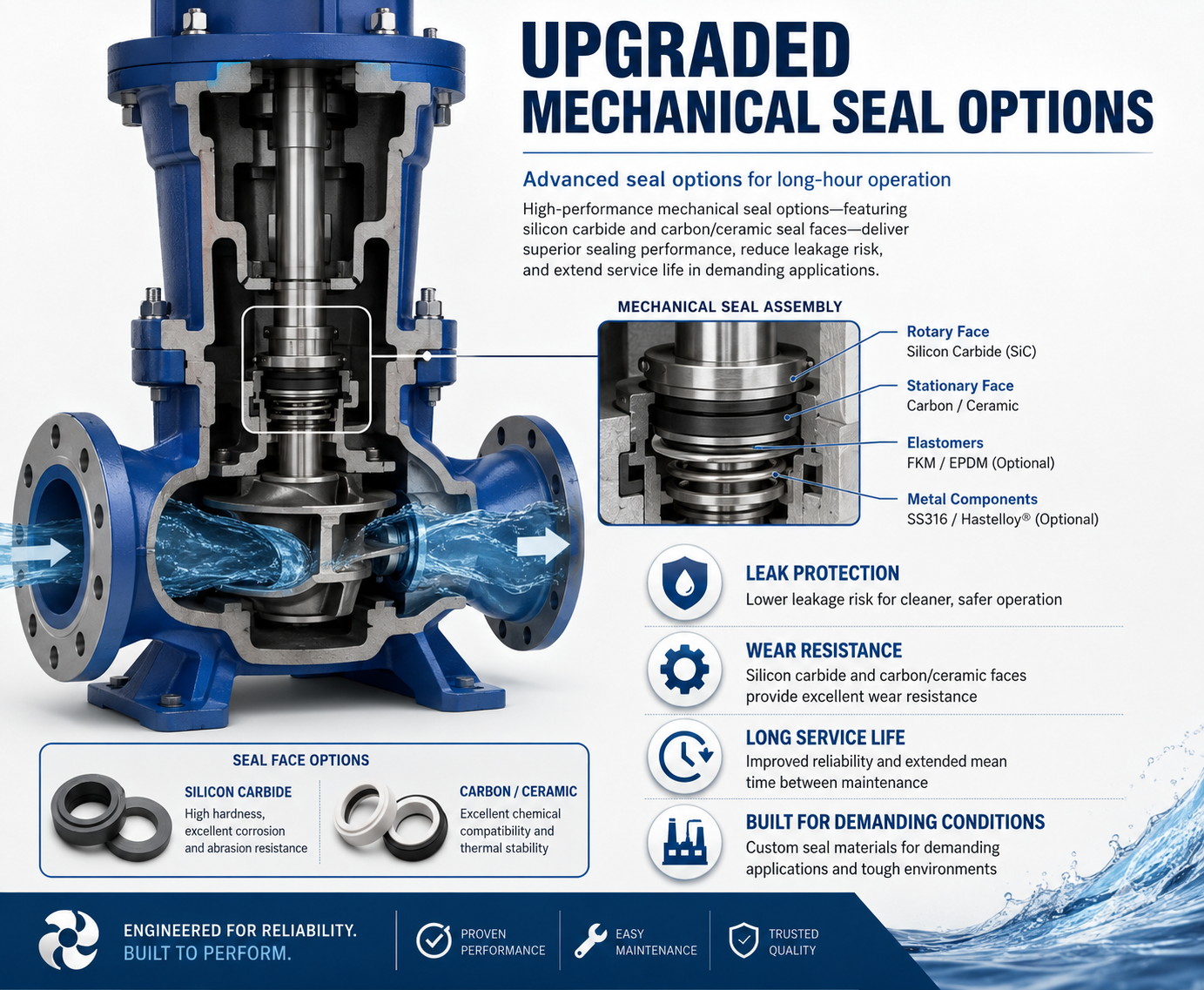
Upgraded Mechanical Seal Options
Based on the needs of the job, HunGerät inline centrifugal pumps can be fitted with strong mechanical seals like silicon carbide or carbon/ceramic seal faces. These seal materials help make them less likely to leak and last longer. This is very helpful when the pump has to work for a long time or for jobs that need higher maintenance pressure.
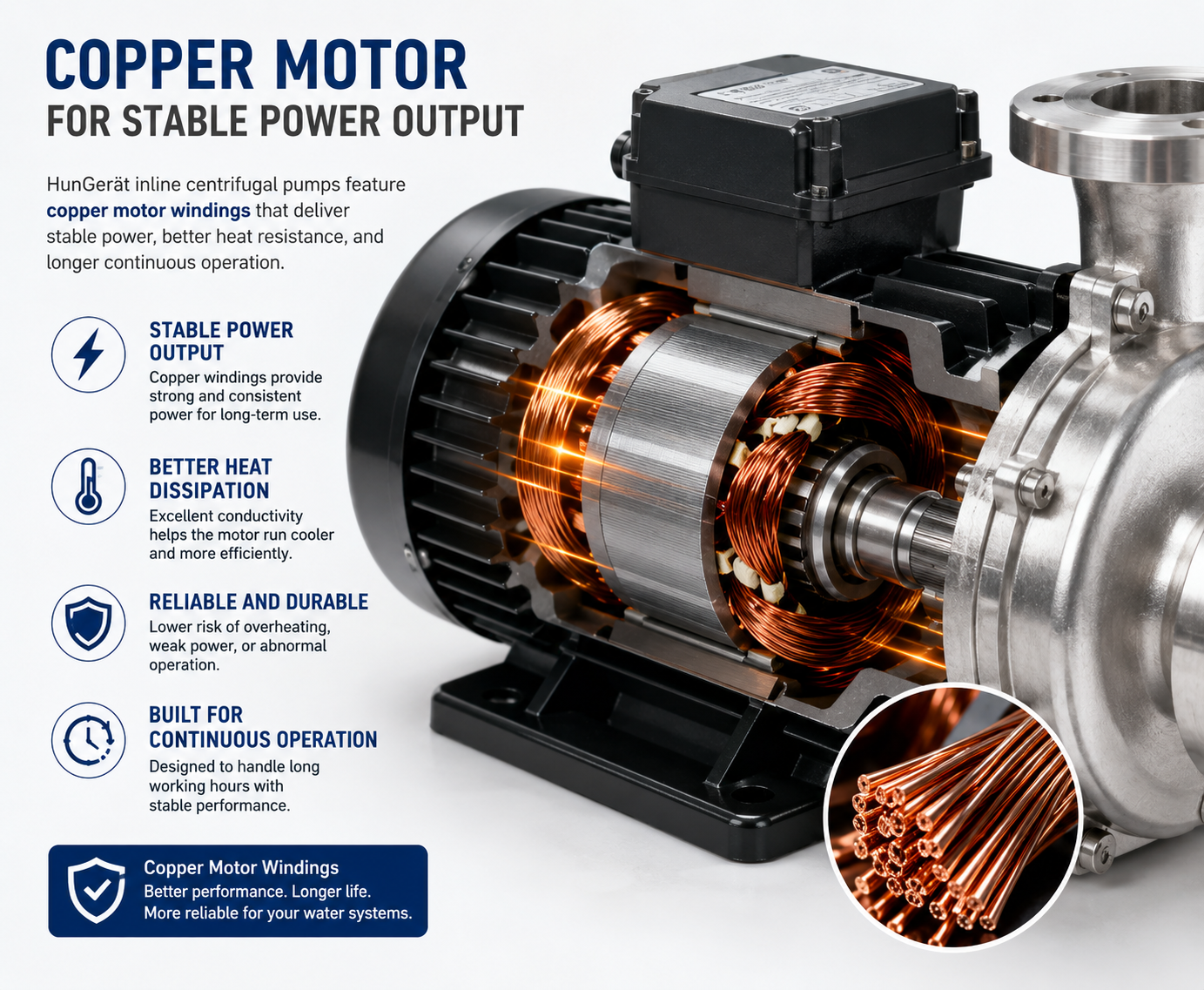
Copper Motor for Stable Power Output
HunGerät inline centrifugal pumps have motor windings made of copper, which helps them keep a steady output of power and handle heat better. This makes the motor run more steadily when it’s on all the time, and it lowers the chance that it will overheat, produce weak power, or behave badly when the system is running for a long time.
Your Reliable Factory for Inline Centrifugal Pumps

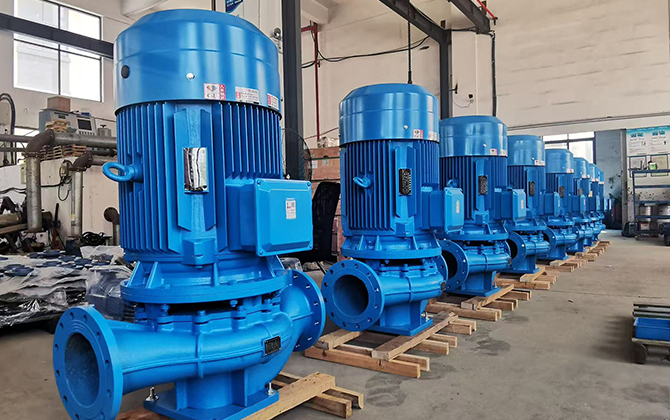
Stable pump quality comes from details you can check. HunGerät focuses on accurate inlet and outlet alignment, strong pump body structure, balanced impeller operation, copper motor winding, and reliable mechanical sealing. These details help reduce vibration, leakage risk, motor stress, and unexpected service problems after installation.
With 25 years of manufacturing experience, we understand the importance of repeat order consistency and stable production quality. Our 15,000 m² factory floor area supports batch production, regular stock preparation, and container order handling. Service coverage in 3,000+ areas helps support different market needs, while 24-hour online support helps buyers get faster feedback for model selection, quotation, order updates, and after-sales questions.
Inline Centrifugal Pump Application Areas

Water systems in hotels, apartments, office buildings, and public buildings often have to deal with long pipe runs, small pump rooms, and pressure changes from floor to floor. Inline centrifugal pumps help keep the flow of water steady and fit more easily into pipe layouts that are already in place.
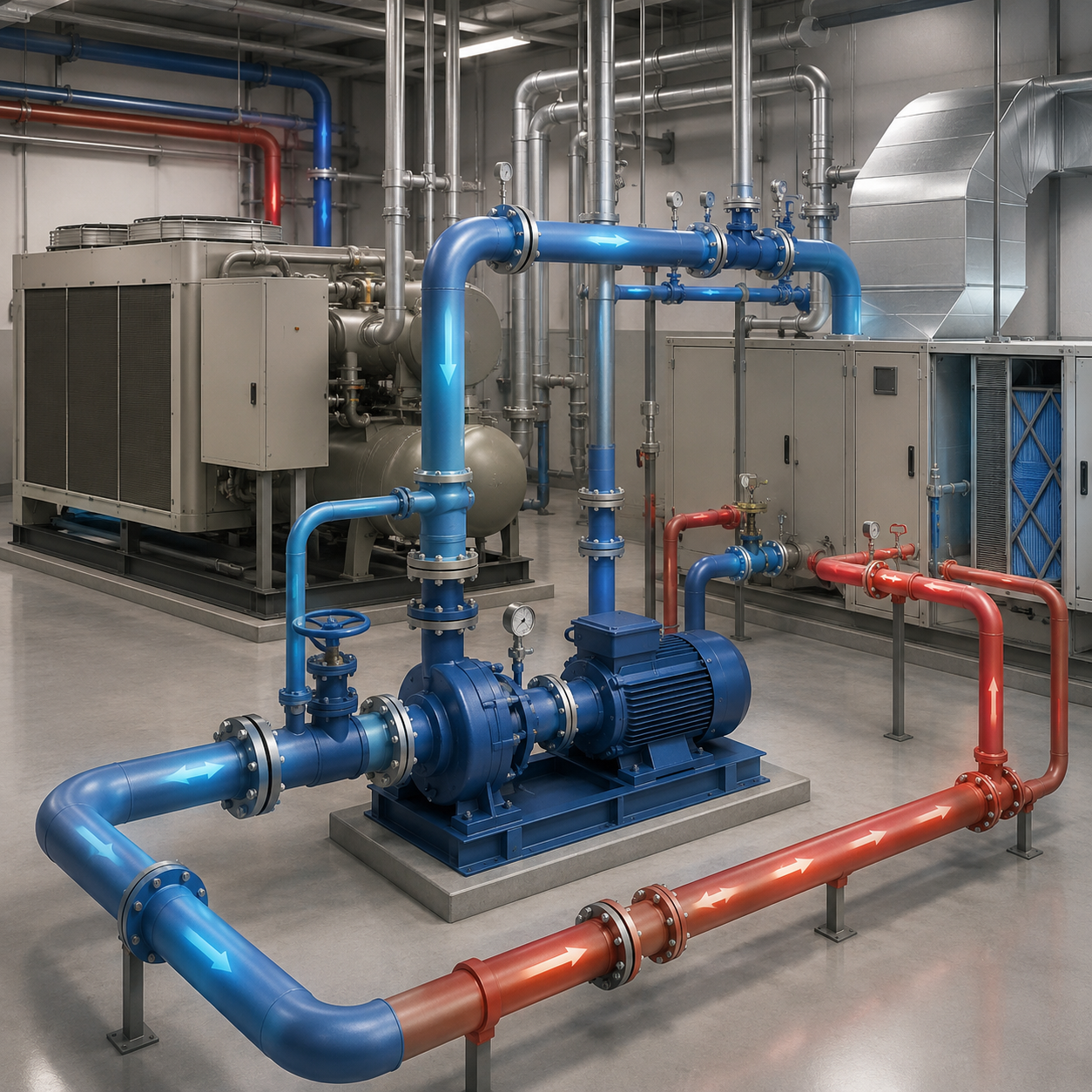
To keep heating and cooling working at the same level, HVAC systems need a stable water flow. It takes less space in machinery rooms to use inline centrifugal pumps to move hot or cold water through pipe loops.

If the pressure in the pipes is too low, the water supply may be weak on higher floors, at long-distance exits, or during times of high use. It is possible to pair inline centrifugal pumps with control panels or VFD systems to make pressure output more stable.
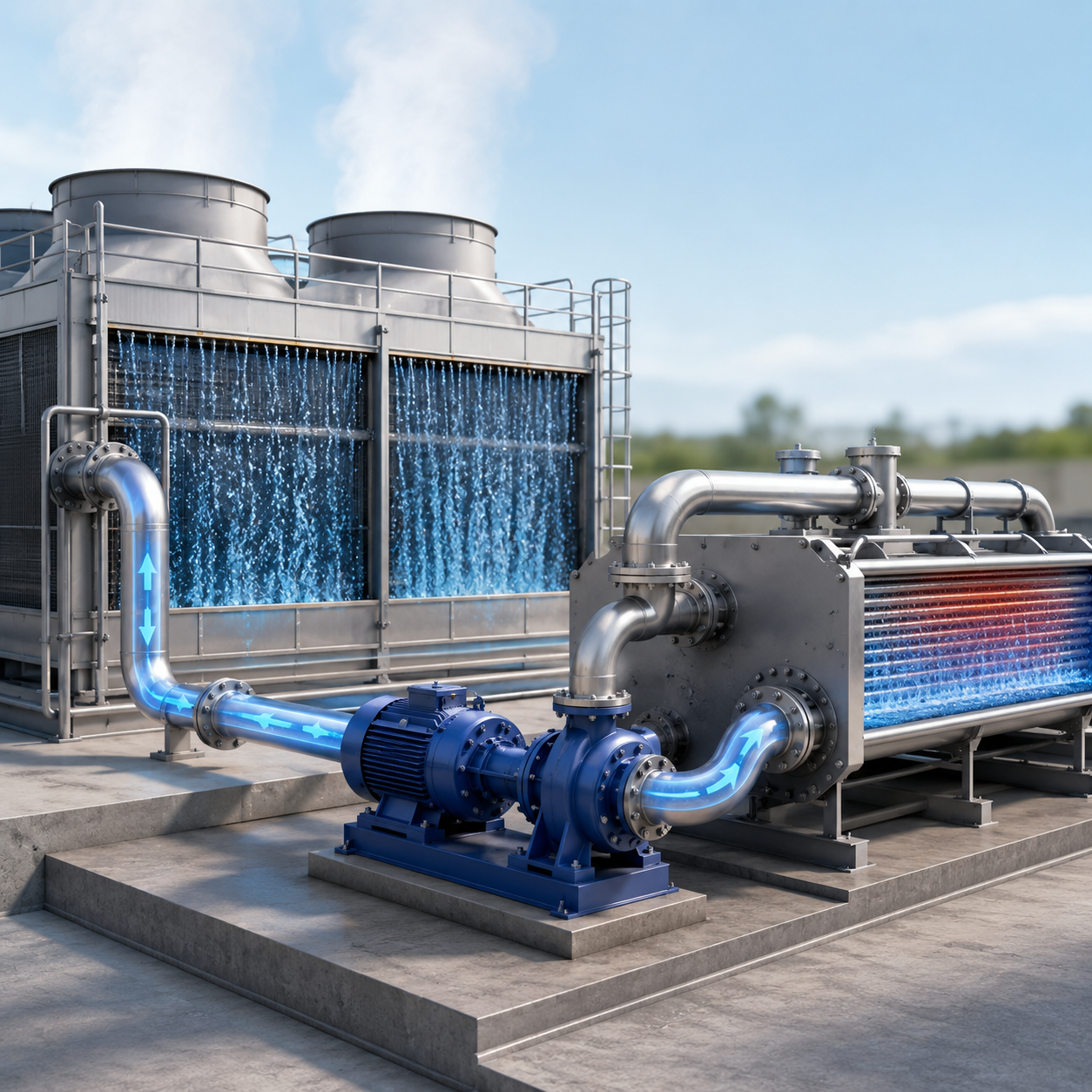
Process equipment, molds, chillers, and heat exchanges need a steady flow of water to get rid of heat on time. Inline centrifugal pumps help keep the flow of cooling water steady, which lowers the risk of warming or stopping production.
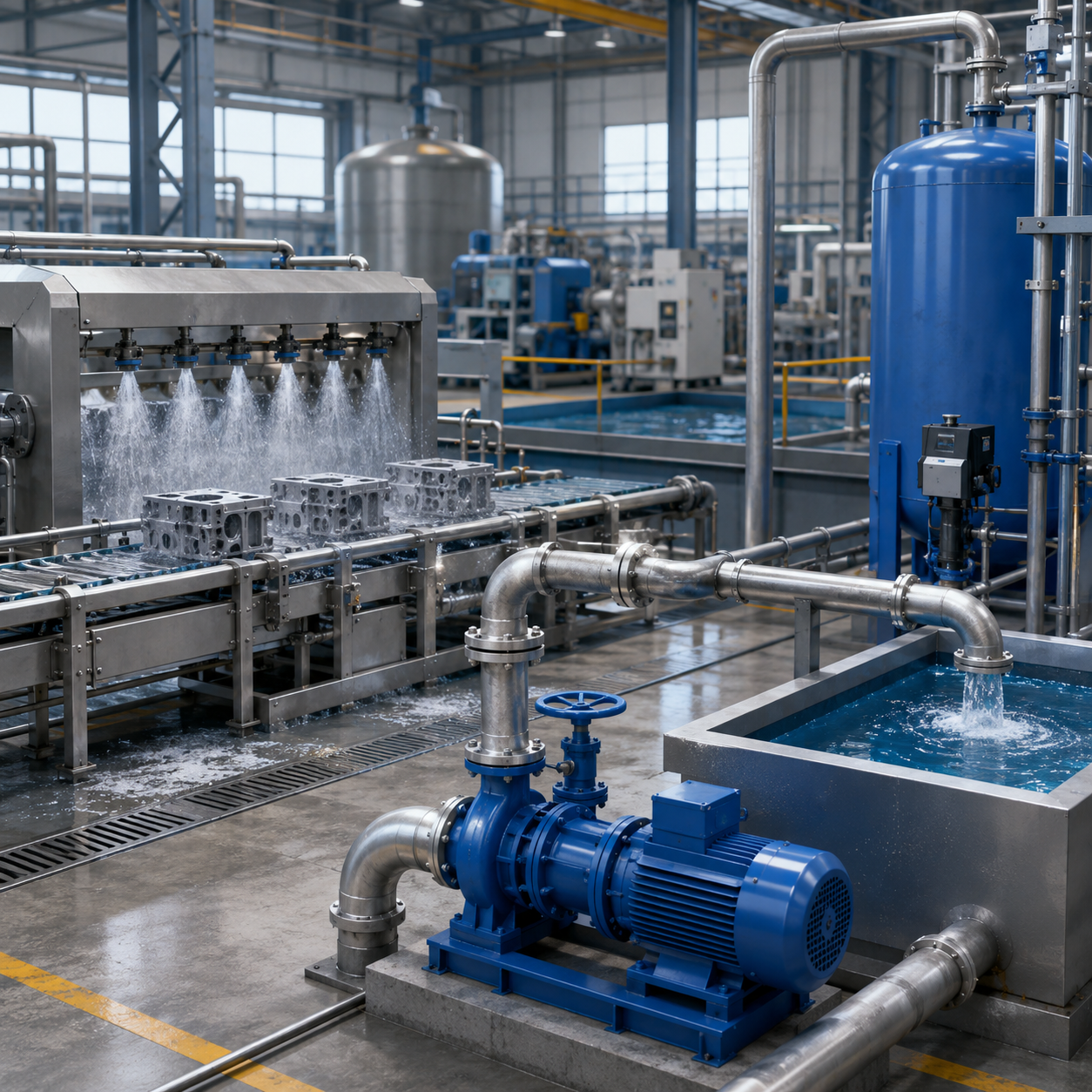
Water is often needed in workshops and production lines for cleaning, moving water around, reusing cleaned water, and supporting equipment. HunGerät has options made of cast iron and stainless steel so that you can choose the right Inline centrifugal pump for your water quality and site care needs.

Farms, greenhouses, and landscaping systems generally require planned water flow through large pipe networks and branch lines. Inline centrifugal pumps enable continuous transfer. The system configuration is small.
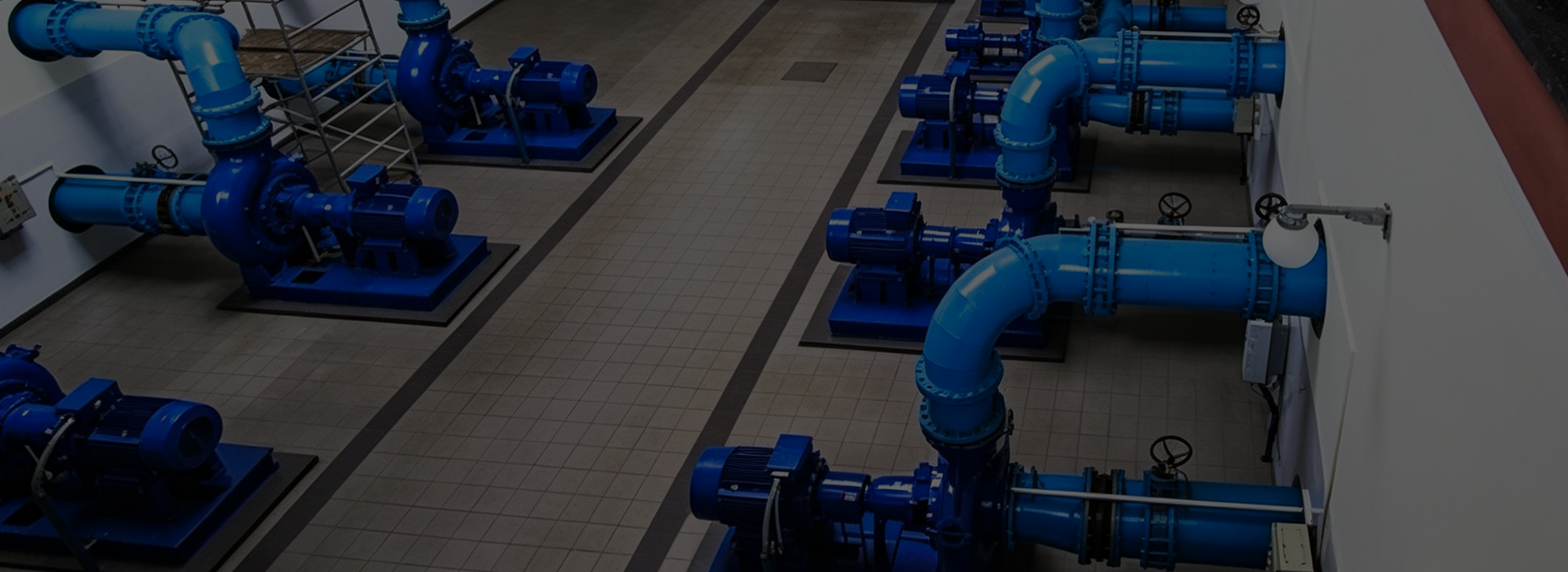
HunGerät inline centrifugal pumps use a straight-through inlet and outlet design, so you can install the pump directly into the pipeline. This helps you save pump room floor space and reduce extra pipe bends.
Clean water is mostly what standard inline centrifugal pumps are used for. If the water has sand, mud, or big solids in it, a different kind of pump is probably better.
An inline centrifugal pump has inlet and outlet on the same line. An end suction pump usually needs more base space and a different pipe layout.
Yes. Choose a vertical inline centrifugal pump model and follow the installation manual.
Yes, if you choose a horizontal inline centrifugal pump model.
A cast-iron inline centrifugal pump is common for standard clean water. Stainless steel is better when corrosion resistance, cleaner water handling, or longer service life is required.
If the inline centrifugal pump is too small, it could lead to low pressure, bad circulation, slow water flow, or stable system performance.
An inline centrifugal pump that is too big can waste energy, make noise, make vibrations worse, and wear out seals, valves, and pipes more quickly.
An easy switch could be used for an inline centrifugal pump device. You might need a control panel or VFD for a booster system or an automatic pumping system.
Yes. With a VFD, you can change the speed of many linear centrifugal pumps, save energy, and make the pressure more stable.
There may be noise from an inline centrifugal pump if there is air in the pipe, the pipe is not supported well, the pump is the wrong size, the bearings are worn out, or there is cavitation due to bad input conditions.
Cavitation happens when there isn’t enough water going into the pump. It can hurt the impeller of an inline centrifugal pump, make noise, and slow down the flow over time.
This system needs a short, smooth pipe that comes in. The water level should stay the same, and the pump should be the right size for the system.
Yes. Check bolts, wiring, pipe connections, seals, bearing sound, and vibration regularly. Small checks can prevent larger service problems.
No. Most inline centrifugal pumps should not run without water. Dry running can quickly damage the mechanical seal and other internal parts.
The mechanical seal helps stop water from entering the motor side. A good seal reduces the inline centrifugal pump leakage risk and helps protect pump operation.
Single-phase and three-phase options are common for inline centrifugal pumps. The exact voltage depends on the model, motor power, and target market requirements.
Yes. HunGerät can support OEM options such as labels, color, packaging, voltage, material, and model selection based on order quantity.
You should provide flow rate, head, liquid type, liquid temperature, pipe size, voltage, frequency, and installation position. This helps us recommend the right inline centrifugal pump model.
How to Pick the Right Inline Centrifugal Pump for Your System
Many issues can happen if you pick the wrong inline centrifugal pump. The system might not work right if the pump is too weak. The water flow will be low. Too strong of a pump could waste electricity, make noise, and put extra stress on the valves and lines. A good pump should fit the pipe size as well as the way it will be used.
Before picking a model, make sure you know what flow and head first you need. The flow shows how much water there is that needs to move. The head tells the pump how much pressure it needs to give. Then check the state of the drink. Plain inline pumps work best with clean water. Stainless steel or a special seal may be better if the water is hot, acidic, or needs to be cleaner.
Also, check the room for installation, the direction of the pipe, the voltage, and the way the control is set up. Even a simple inline pump might be enough for a circulation device. For a device that raises the pressure, you might need a VFD or a control panel. Send the working data to HunGerät if you’re not sure which type will work best for your system. We’ll help you find a pump that will work well with it.