
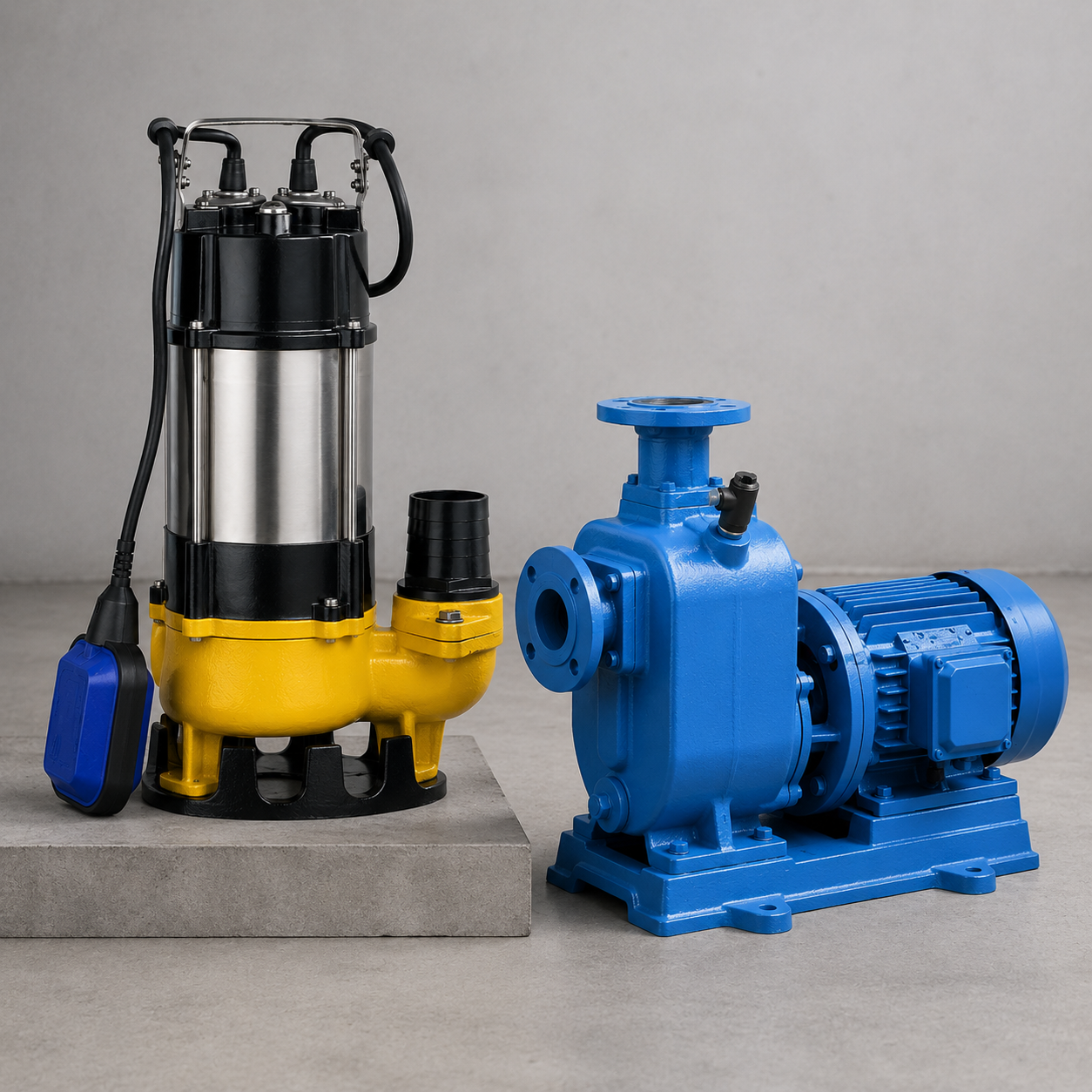
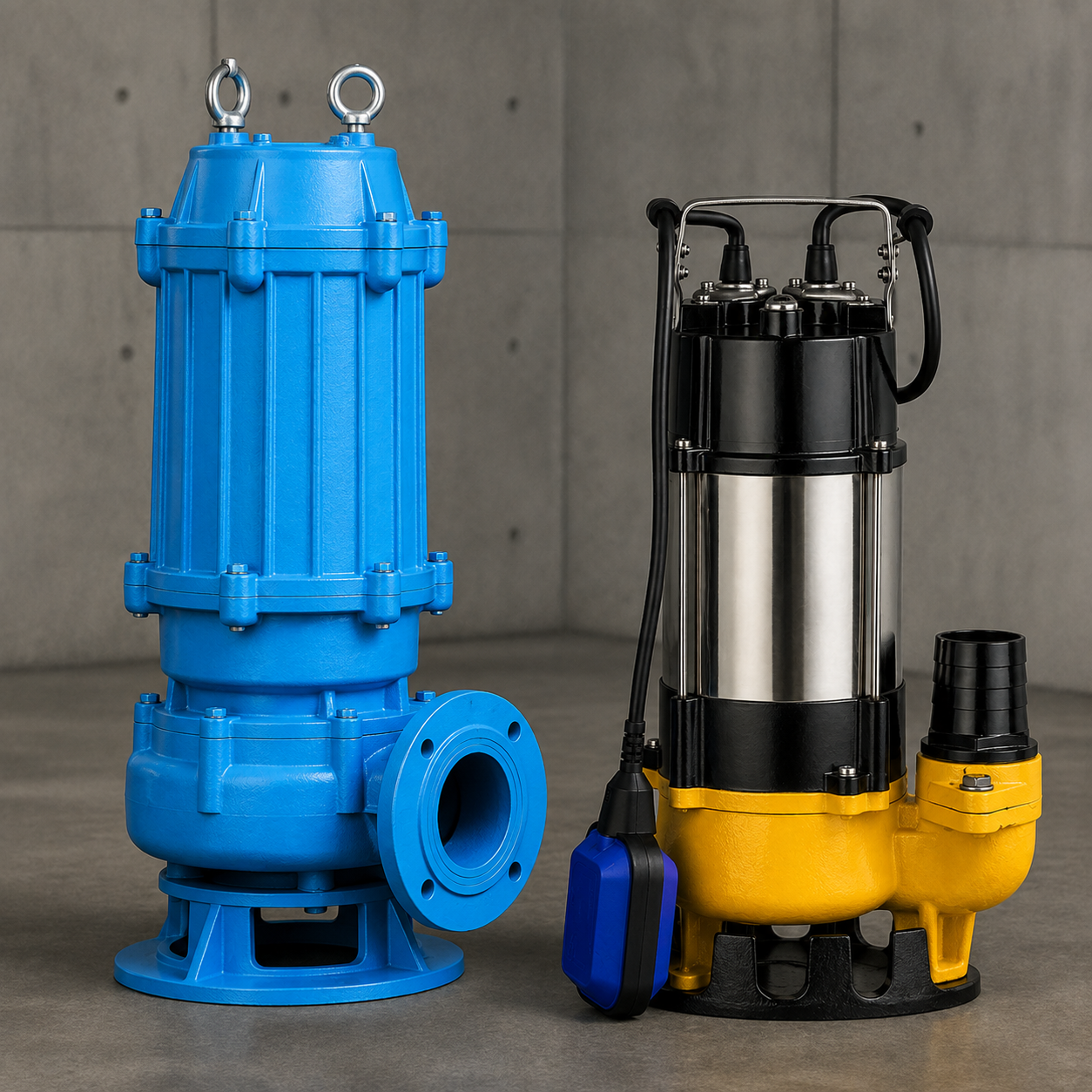
Wastewater Pump Product Highlights
- Non-Clog Wastewater Handling: Large flow paths and hydraulic structures designed for sewage make it easier for wastewater, solids in suspension, and common debris to move through the pump without getting stuck.
- Cutting Options for Fibrous Waste: For some Wastewater Pumps, cutting structures break down paper, cloth fibres, hair, and other soft waste before pumping it. This helps keep the pump from getting clogged in tough wastewater situations.
- Wide Flow & Power Range: HunGerät Wastewater Pumps can handle flow rates of up to 5,500 m³/h, discharge sizes of up to 600 mm, and motor powers of up to 550 kW. They can be used for everything from small drainage systems to big city sewage projects.
- Submersible & Self-Priming Options: You can pick a self-priming wastewater pump for moving wastewater above ground or a submersible wastewater pump for pits and tanks based on how they are installed.
- Durable Pump Construction: For different types of sewage, there are pumps made of stainless steel, cast iron, and other strong materials that last longer when they are used to handle wastewater over a long period of time.
- Flexible Application Matching: There are different types of Wastewater Pumps that can be used for different types of dirty water problems, like draining homes, draining construction sites, treating wastewater in factories, draining sewage in cities, and more.
Wastewater Pump Supplier for Reliable Wastewater Handling
When staying clear of blockages, steady drainage, and transferring wastewater reliably are important, HunGerät Wastewater Pumps give you more choices for various sewage conditions. With options like cutting, submersible, self-priming, large-flow, and non-clog, you can find pumps that work well for small drainage jobs, large municipal sewage projects, and industrial wastewater systems.
Furthermore, the broad performance range makes it easy to match the flow, head, discharge size, and motor power to the needs of your specific project. Using HunGerät’s stable production, clear technical communication, OEM support, and adaptable order management, you can build a more reliable Wastewater Pump supply for long-term wastewater uses, project purchases, and distribution.
Wastewater Pumps by Design
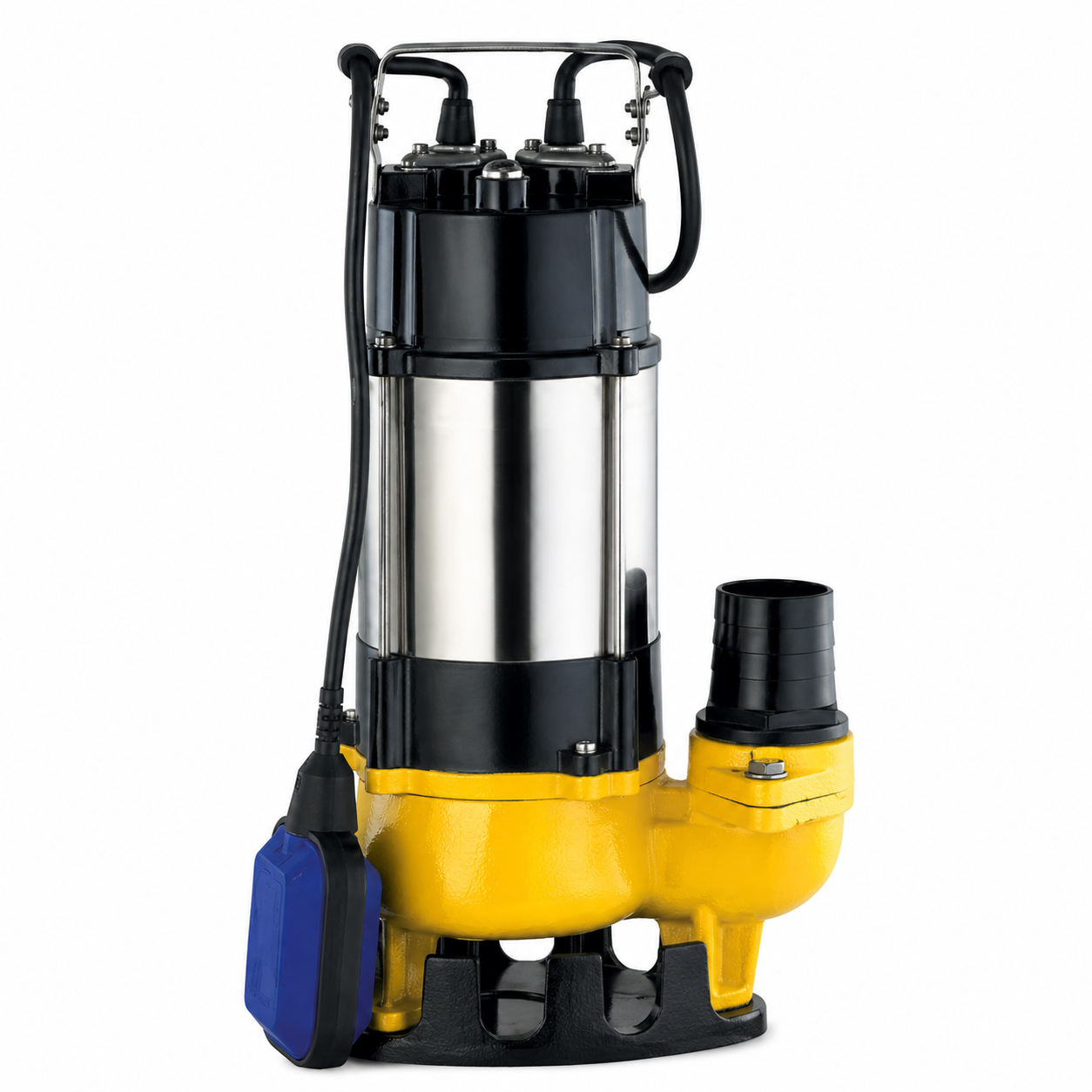 V Series Stainless Steel Wastewater Pumps
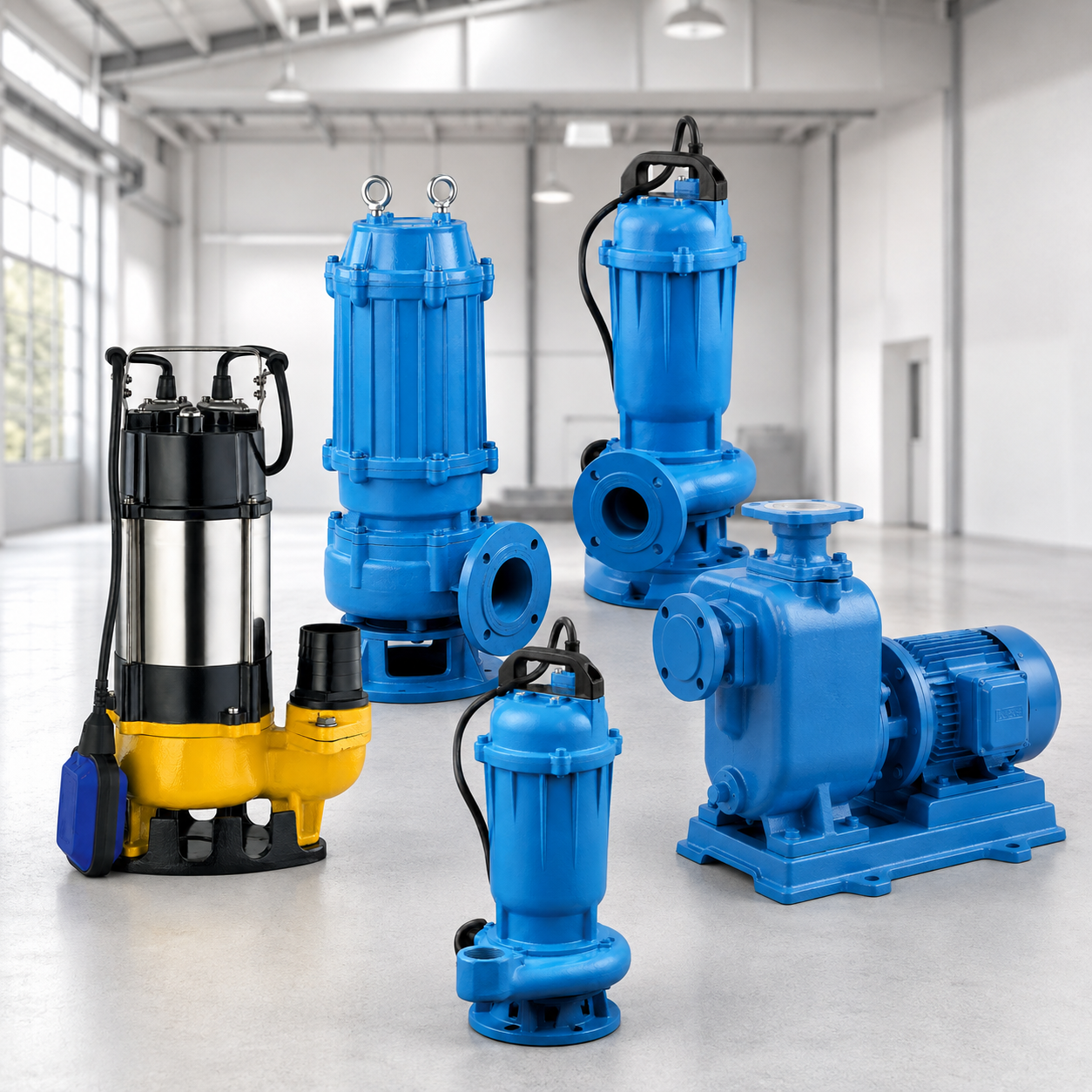
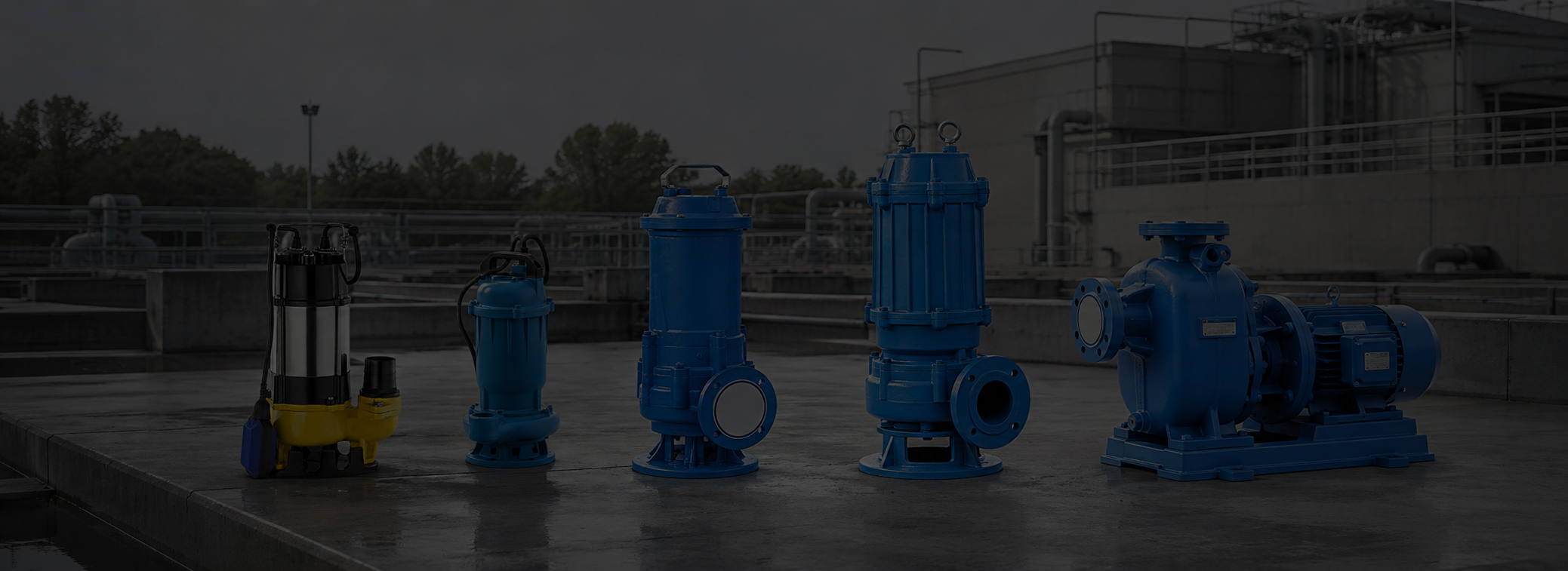
The V Series has a small submersible structure and a motor housing made of stainless steel, which makes it more resistant to corrosion in daily wastewater draining. This design works well for home drainage, small sewage pits, basements, and other light wastewater uses. The exit sizes range from 25/40 mm to 102 mm, and the power ranges from 0.18 kW to 2.2 kW.
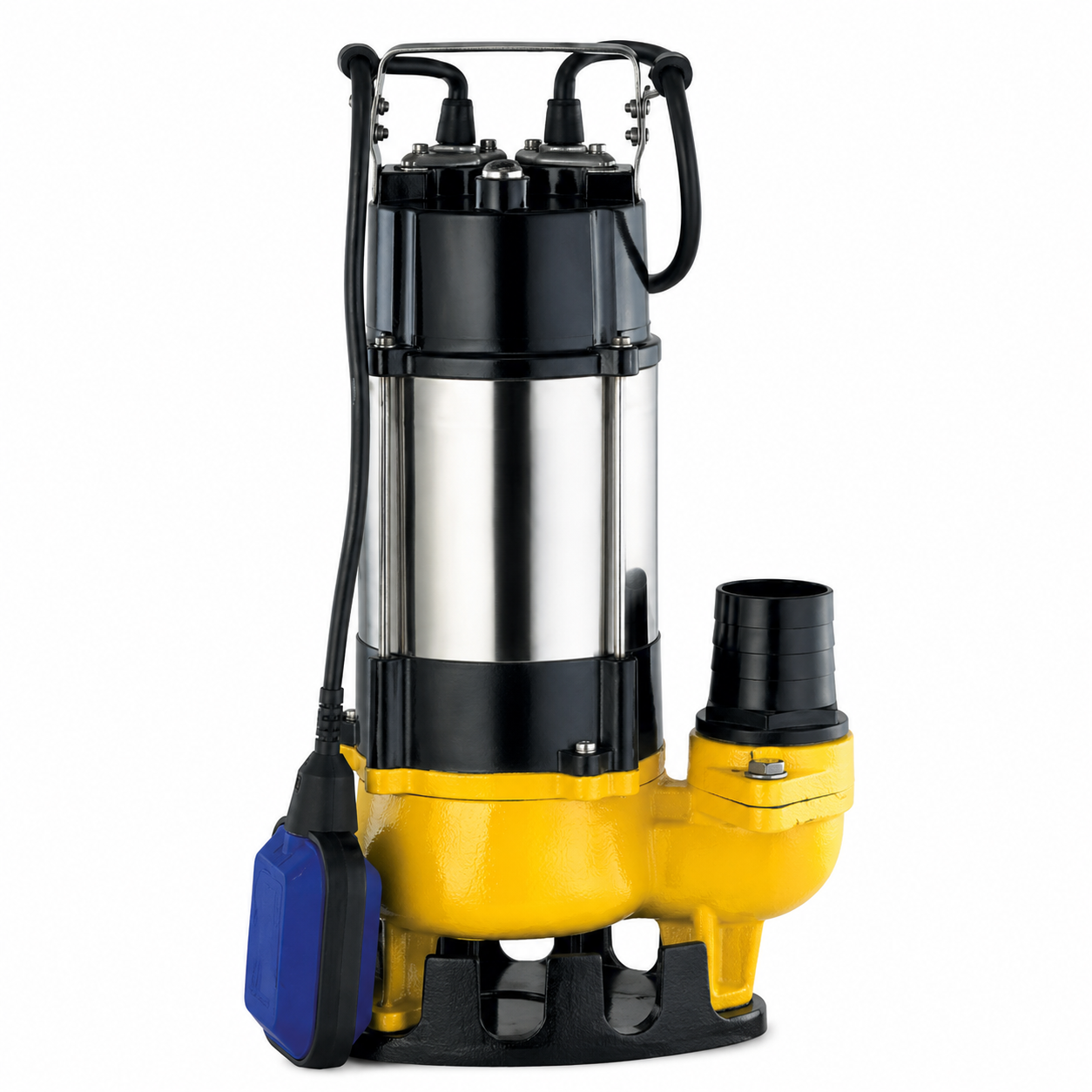 V Series Stainless Steel Cutting Wastewater Pumps
This type is made of stainless steel and has a cutting structure at the pump inlet. This helps break down fibres and soft waste before they get into the pump. The catalogue has types like the V370, V550, V750, V1100, V1500, and V2200 cutting pumps. These can handle wastewater that has hair, paper, cloth fibres, and other things that can get stuck.
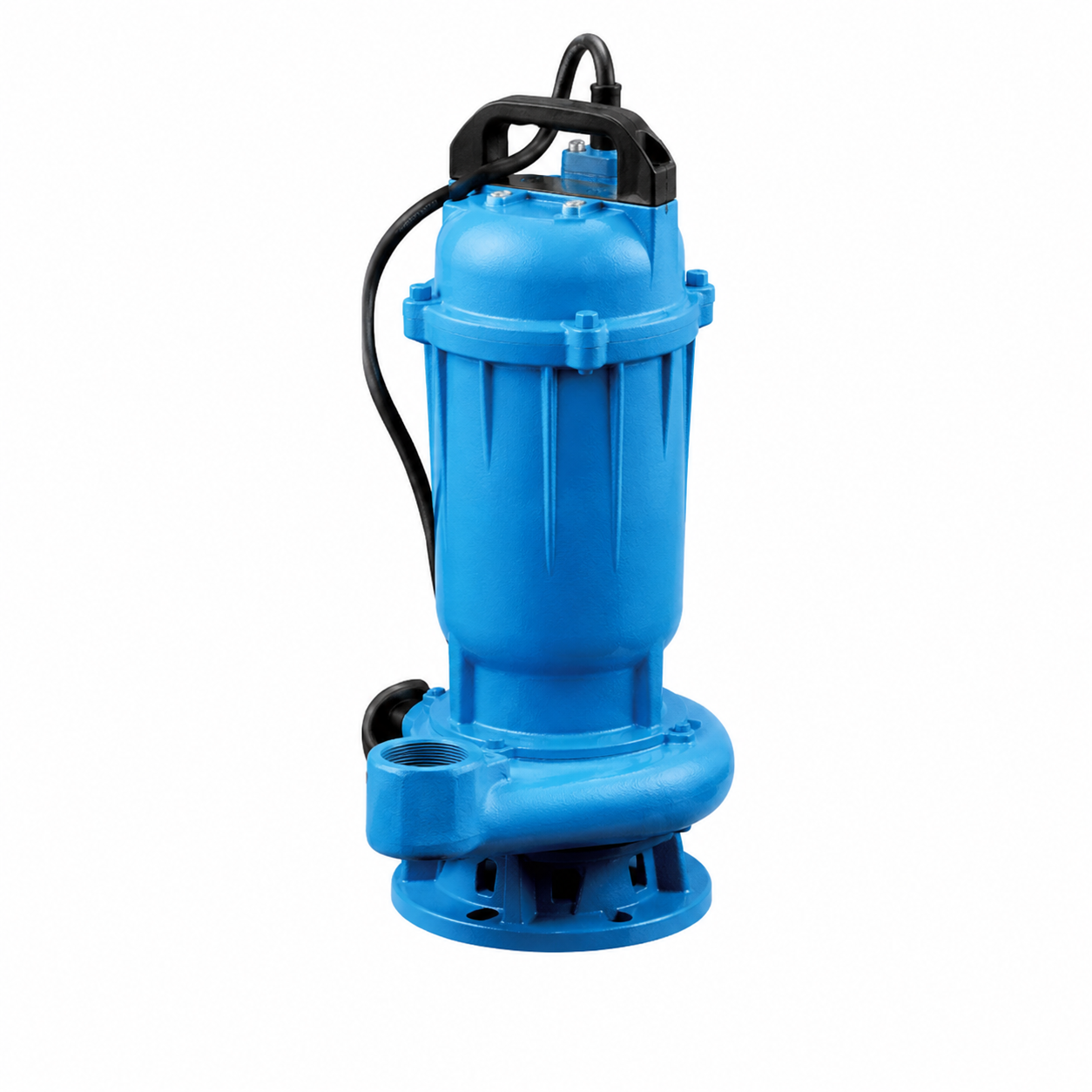 WQD Threaded Outlet Wastewater Pumps
WQD Wastewater Pumps have a threaded discharge connection and are compact submersible. This makes it easy to connect and replace pipes in smaller drainage systems. The models on this page mostly have 50–80 mm outlets that can handle flow rates of up to 40 m³/h and heads of up to 18 m. This makes them a good choice for moving wastewater and draining buildings.
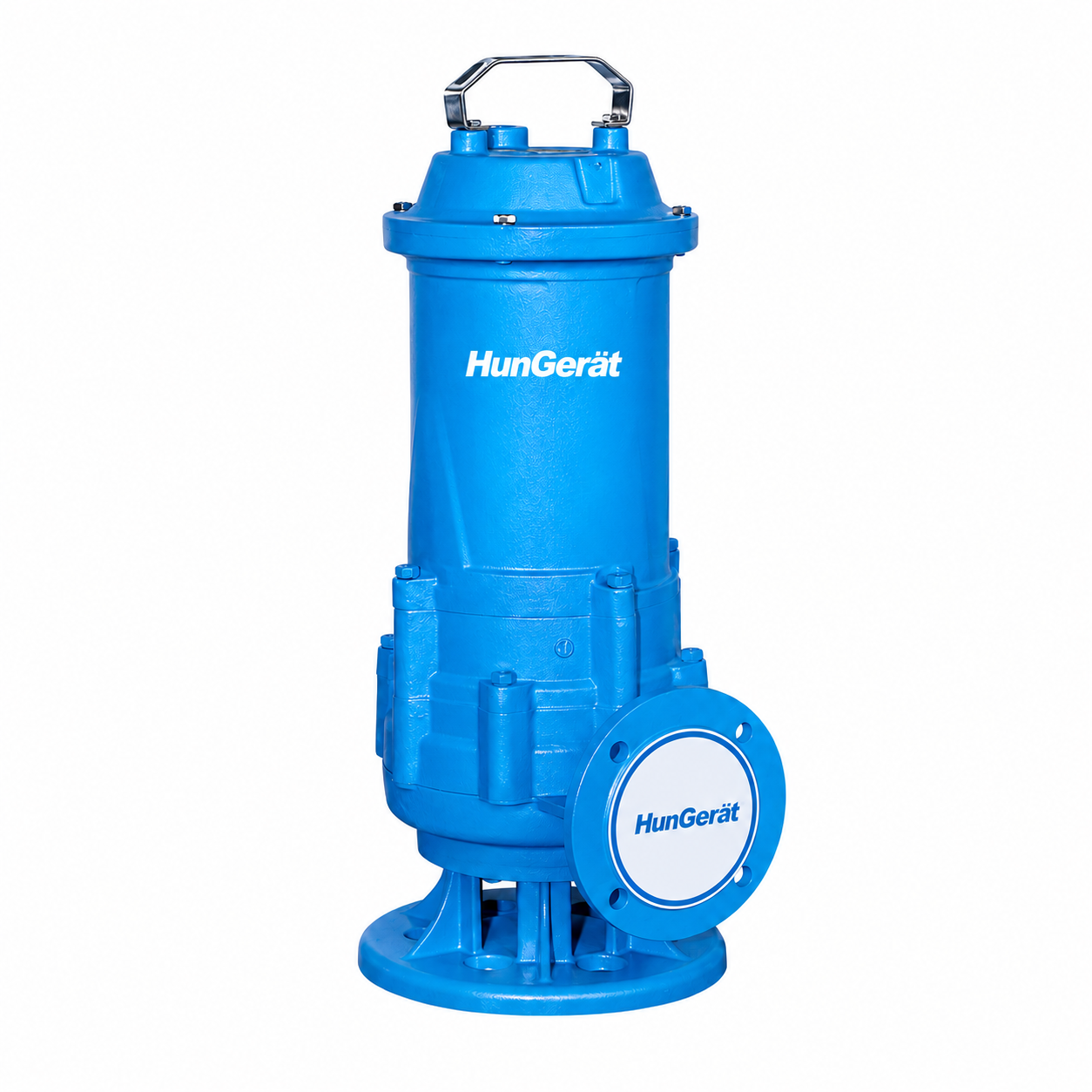 WQ Two-Pole Standard Wastewater Pumps
The WQ Wastewater Pumps have a standard submersible sewage structure and motors that run at about 2,900 r/min. This lets pumps that aren’t very big work better at higher head levels. The catalogue has drains with 50–200 mm openings, flow rates of up to 180 m³/h, heads of up to 40 m, and power outputs of up to 15 kW. These drains are good for sewage pits, building sites, and moving wastewater from factories to sewers.
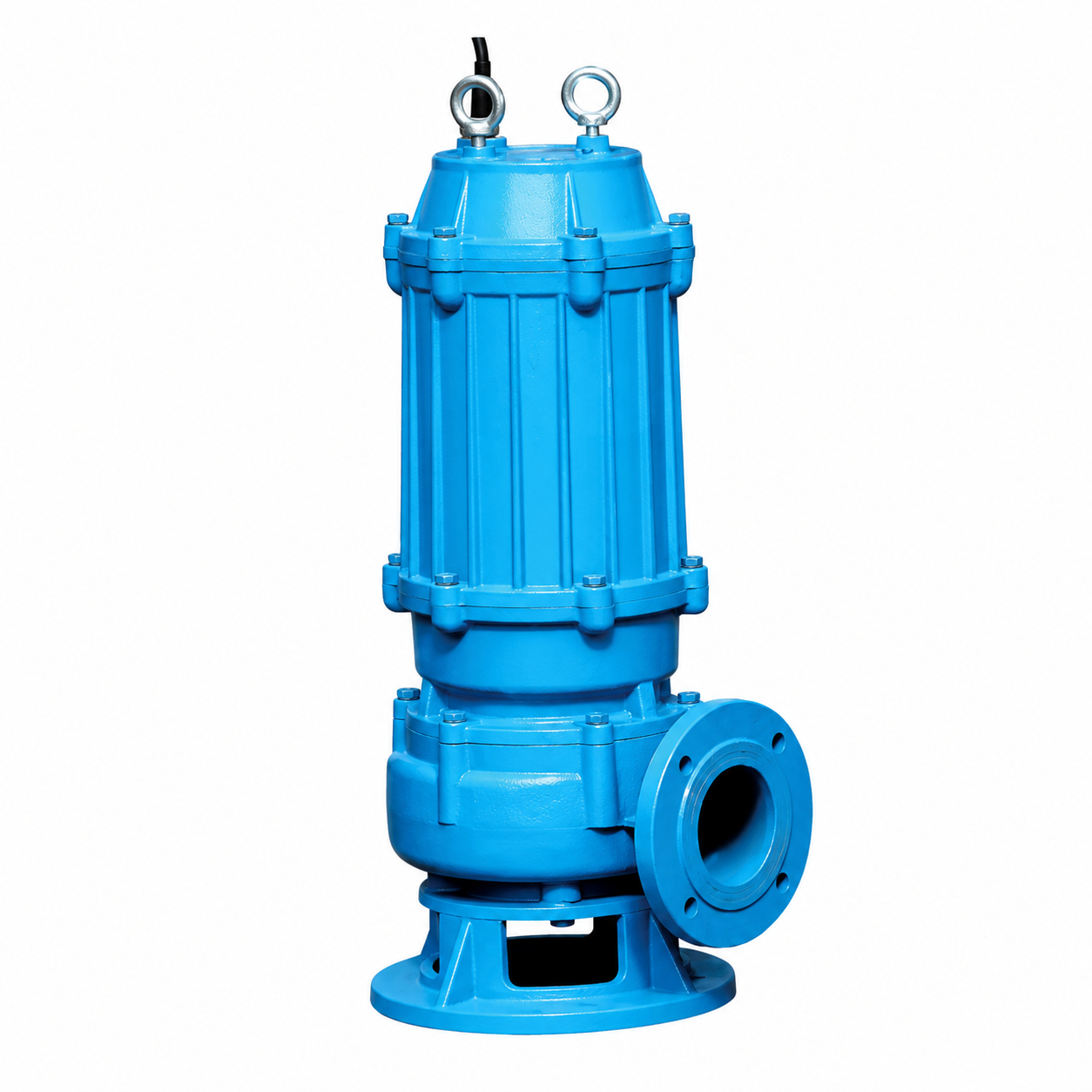 WQ Four-Pole Non-Clog Wastewater Pumps
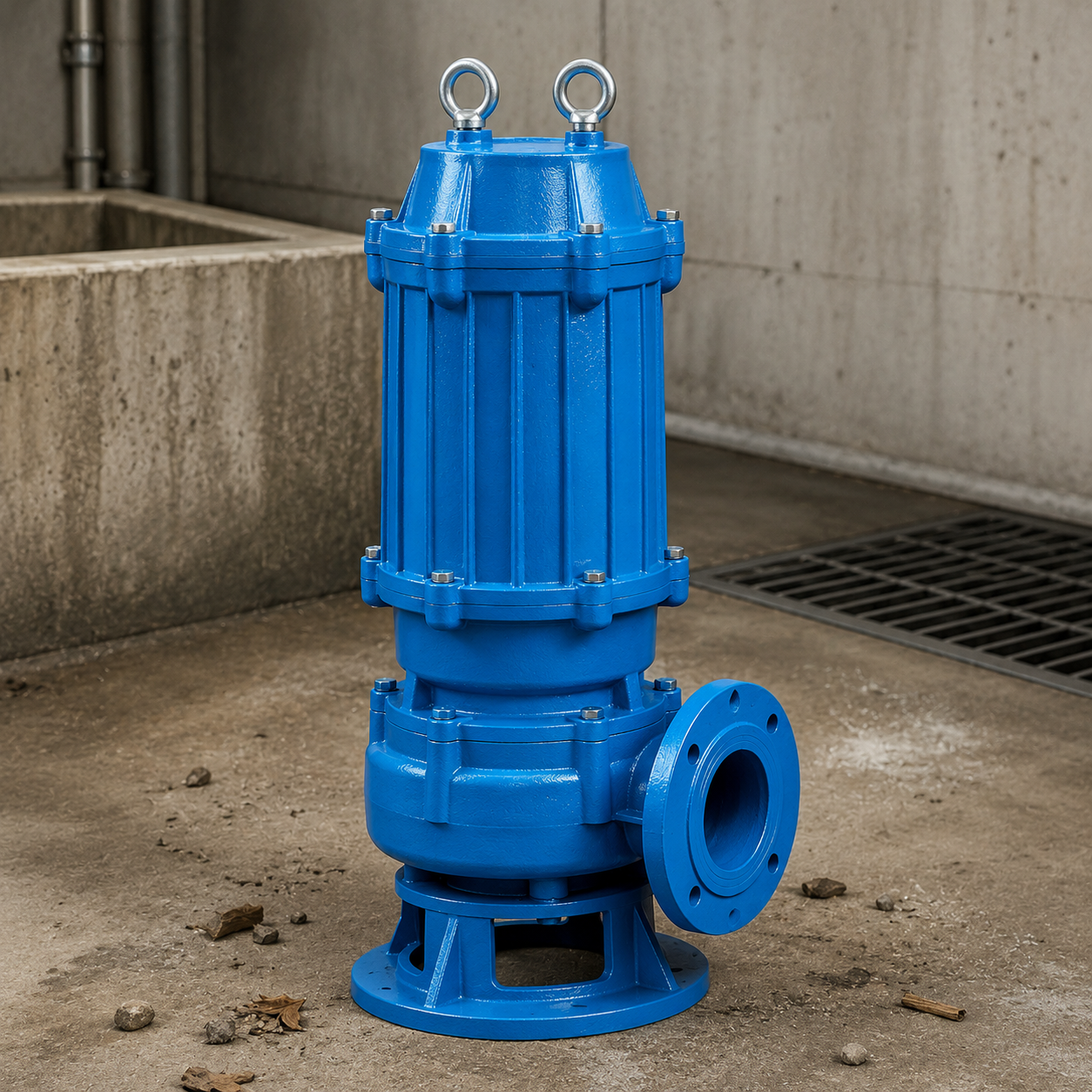
WQ four-pole Wastewater Pumps have a hydraulic structure that doesn’t get clogged and motors that spin at a slower speed, usually around 1,450 r/min. This lets them handle more wastewater at once and continuously. This design works for sewage systems in cities, wastewater treatment plants, factories, and other places with a lot of water flow. There are types with outlet sizes between 100 mm and 600 mm, flow rates between 100 m³/h and 5,500 m³/h, and motor powers between 11 kW and 550 kW.
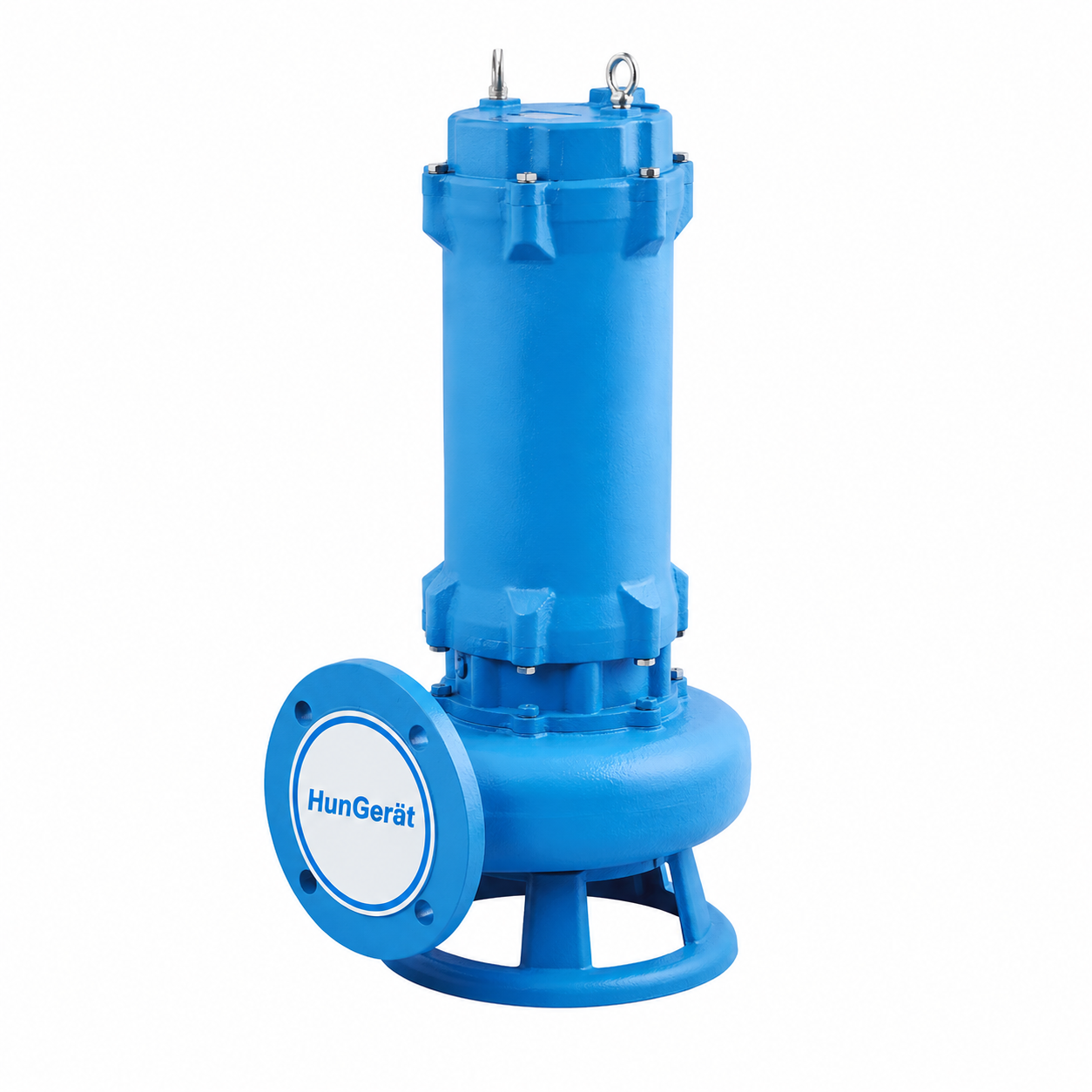 GNWQ Cutting Wastewater Pumps
Prior to pumping, GNWQ pumps use a cutting blade and cutting parts at the inlet to break up fibrous and soft solid waste into smaller pieces. Their catalogue says they have 50–150 mm outlets, flow rates between 10 and 150 m³/h, heads up to 45 m, and power levels between 0.75 and 11 kW. This makes them a better choice for sewage that has fibres, paper, cloth, and other things that could clog a normal pump.
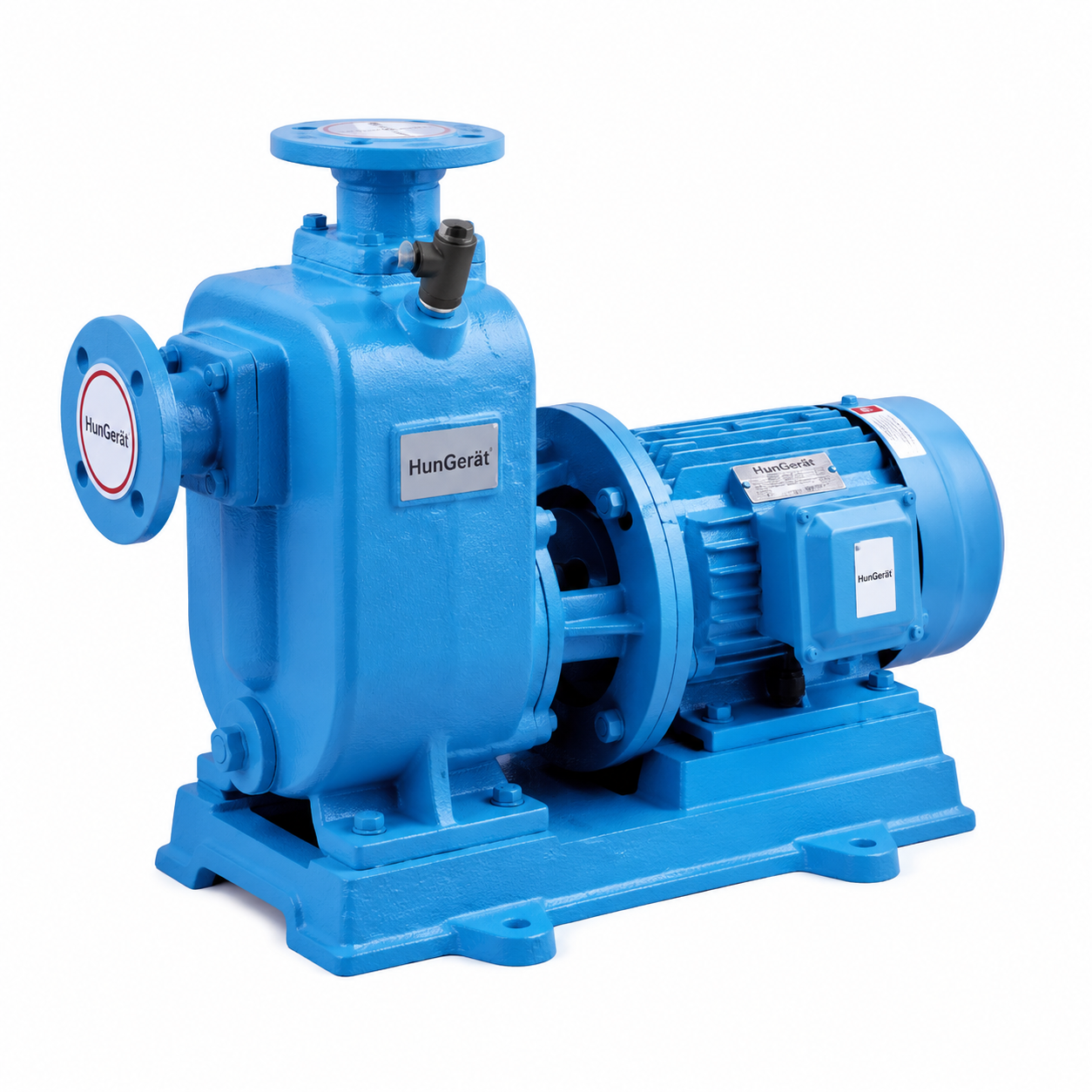 ZW Series Self-Priming Wastewater Pumps
The ZW Series pumps have a horizontal self-priming centrifugal structure, which means they can be put in place above the source of the wastewater instead of working underwater. The models shown have outlets that are 40–150 mm wide, flow rates that range from 8 to 180 m³/h, heads that range from 10 to 55 m, and power ranges from 1.5 to 22 kW. This means that they can be used for sewage transfer, industrial wastewater, drainage systems, and other uses where they need to be easier to check and maintain.
Why Choose HunGerät as Your Wastewater Pump Factory

For 25 years, HunGerät has been making pumps and has learned how to make Wastewater Pumps, design hydraulics, match motors to pumps, and check the quality of their work. With this experience, you can find reliable Wastewater Pumps for sewage transfer, wastewater drainage, municipal projects, and industrial uses, and the quality will stay the same for repeat orders.

For different kinds of wastewater, HunGerät has Wastewater Pump options with structures that don’t get clogged, cutting systems, threaded outlets, stainless steel designs, and large-flow configurations. Flow rates range from 3 to 5,500 m³/h, discharge sizes reach up to 600 mm, and motor powers reach up to 550 kW. This makes it easier to match pumps for small drainage systems, garbage from factories, and big sewage projects in cities.

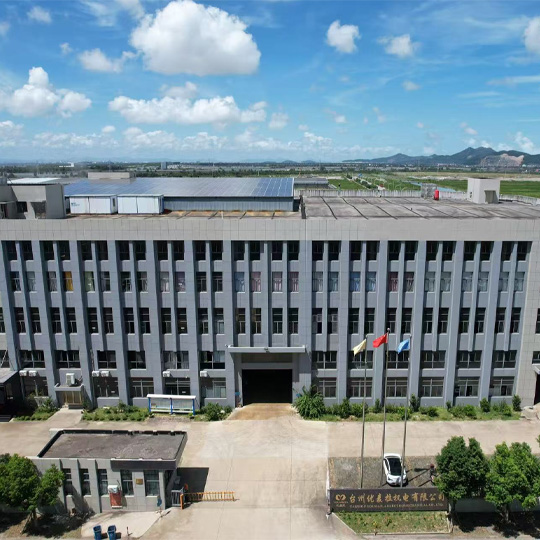
The 25,000 m² workshop space can be used for making things in batches, putting things together, inspecting them, getting stock ready, and loading containers. As shipping times become more stable, this feature of production helps you keep track of repeat sales, project supplies, and planning your Wastewater Pumps inventory.

HunGerät inspects the Wastewater Pump production process to make sure that important things like motor operation, sealing performance, electrical safety, and pump performance are all checked before the shipment. When you sell Wastewater Pumps in groups, this quality control process helps you cut down on problems with product stability, problems after the sale, and the cost of replacements.

You can tell HunGerät what labels, colours, packaging, voltage, frequency, outlet specs, and product configurations OEMs want for sewage pumps. With these choices, you can change your sewage pump range to fit local wastewater needs, the needs of distributors, project requirements, and different market standards.
Non-Clog Hydraulic Design for More Reliable Sewage Handling
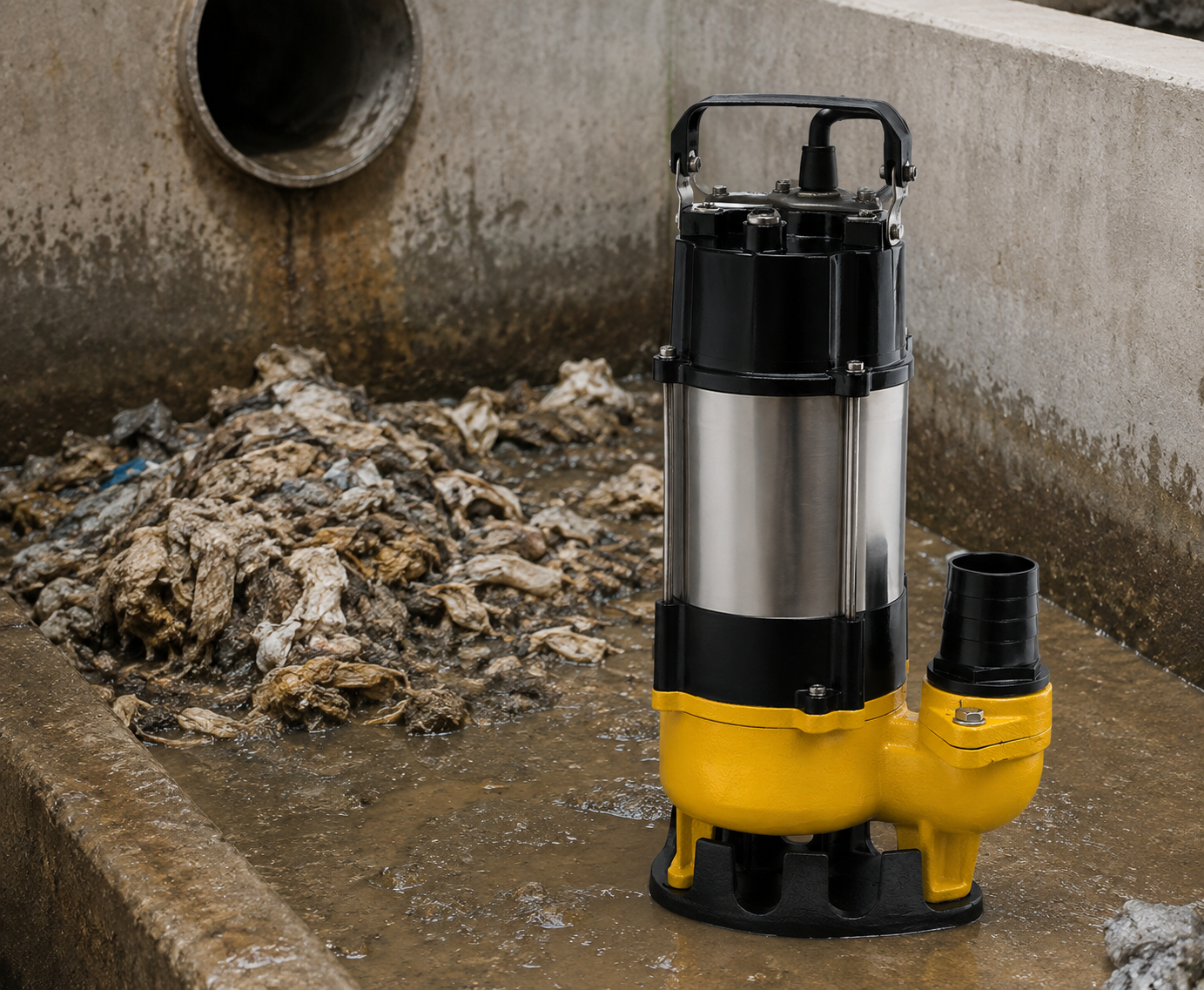
HunGerät Wastewater Pumps have big flow paths and hydraulic structures that don’t get clogged up easily to make it easier for wastewater to move through the pump. The design of the pumps makes them good for drainage, wastewater treatment, and industrial sewage transfer because it lowers the chance of blockages and unplanned shutdowns when dealing with sewage that has fibres, solids suspended in it, and other solid waste.
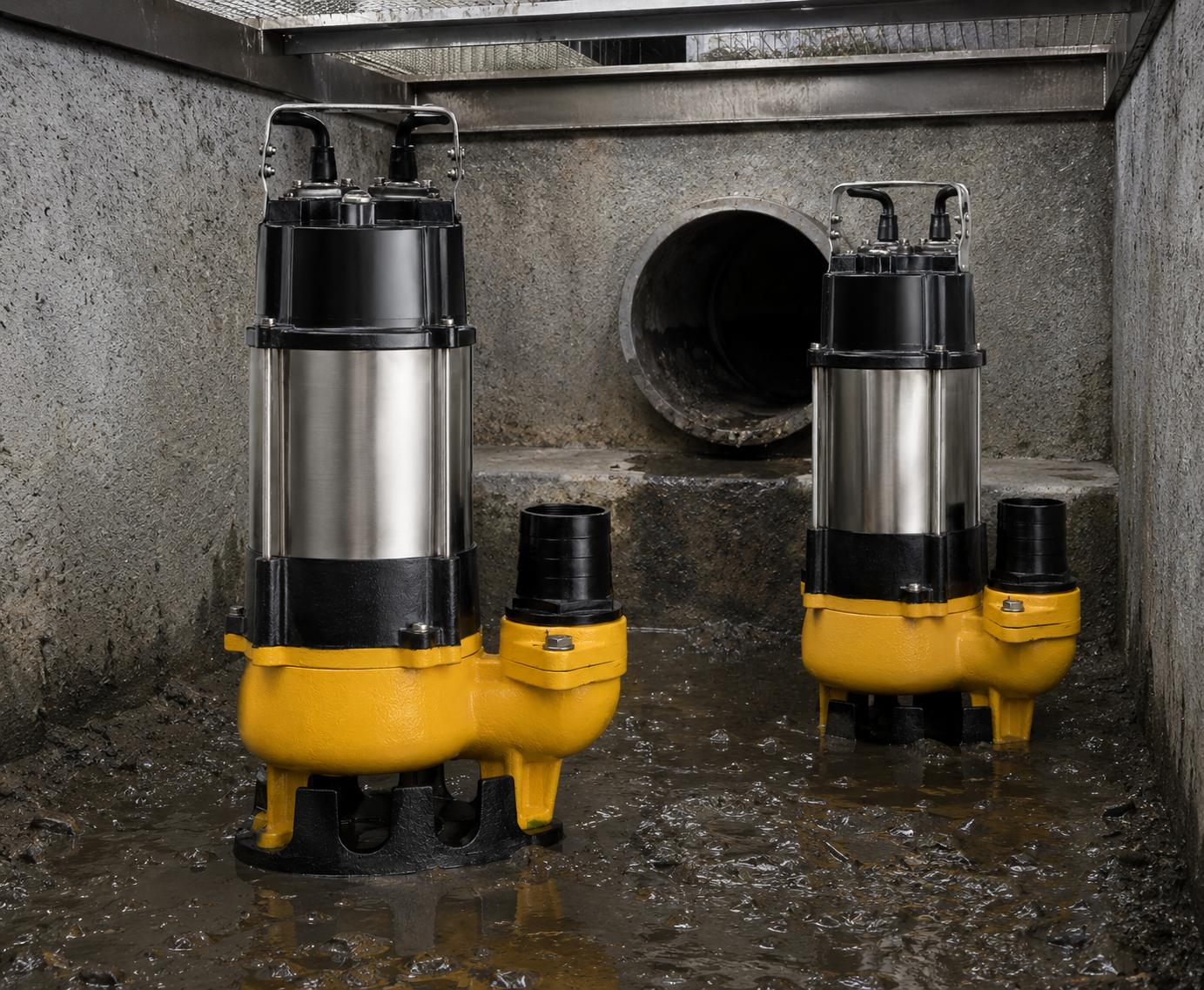
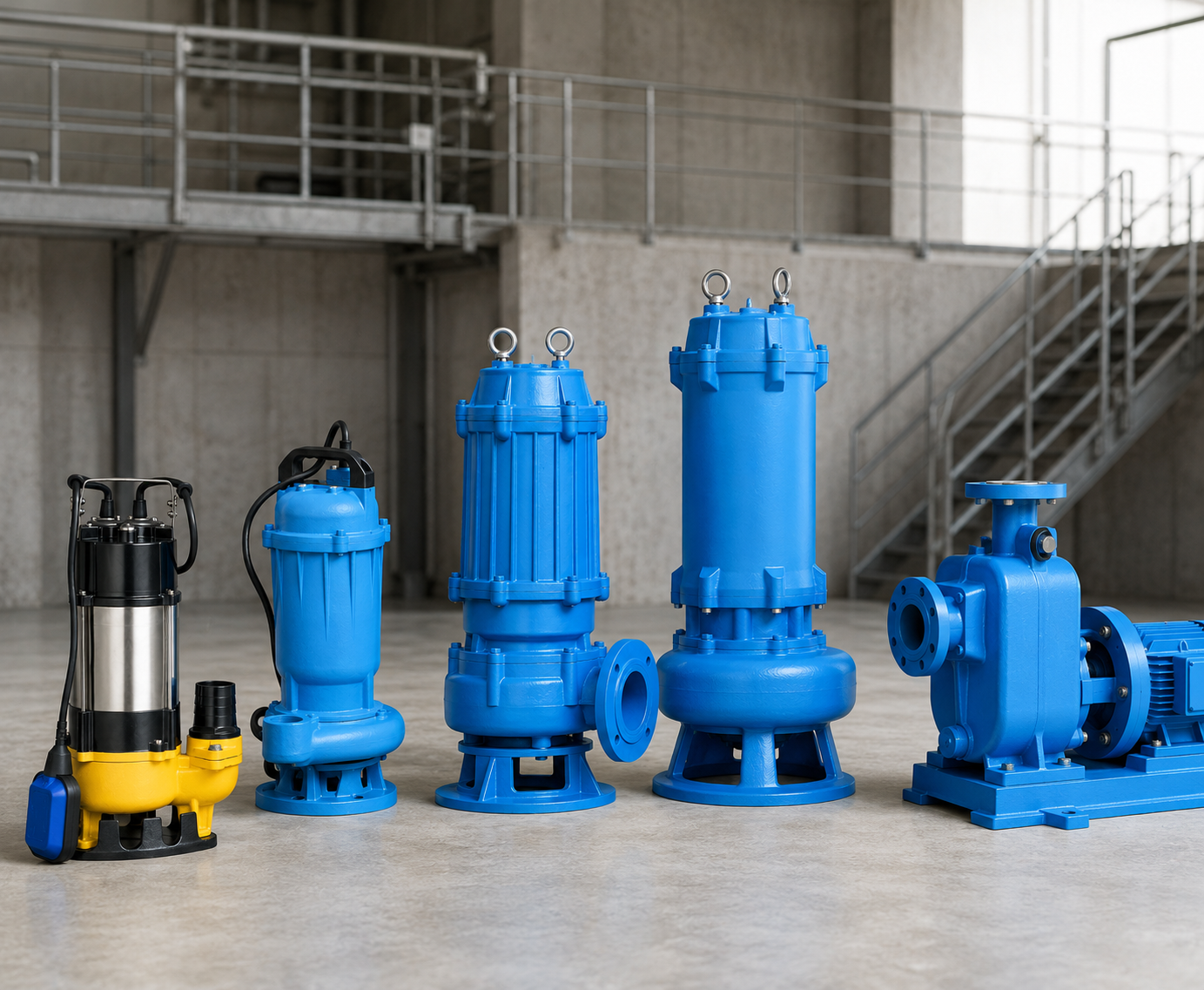
Wide Flow and Head Range for Easier Project Matching
HunGerät Wastewater Pumps have a wide range of performance, so you can use the right size pump for your sewage system instead of one that is too big or too small. The catalogue shows that the models that are available have flow rates ranging from 3 to 5,500 m³/h, heads of up to 110 m, and discharge sizes ranging from 25/40 mm to 600 mm. These ranges cover small drainage systems all the way up to large wastewater projects for cities and businesses.
Cutting Structure for Reduced Risk of Fiber Blockage
There are cutting parts on some HunGerät Wastewater Pumps that break down fibres, cloth, paper, and other soft waste before it goes into the pump. This makes a cutting sewage pump more reliable for wastewater that has things in it that can easily wrap around a blade. This lowers the number of times you have to clean the pump and the time you spend on maintenance.
Multiple Motor Configurations for Stable Wastewater Pumping
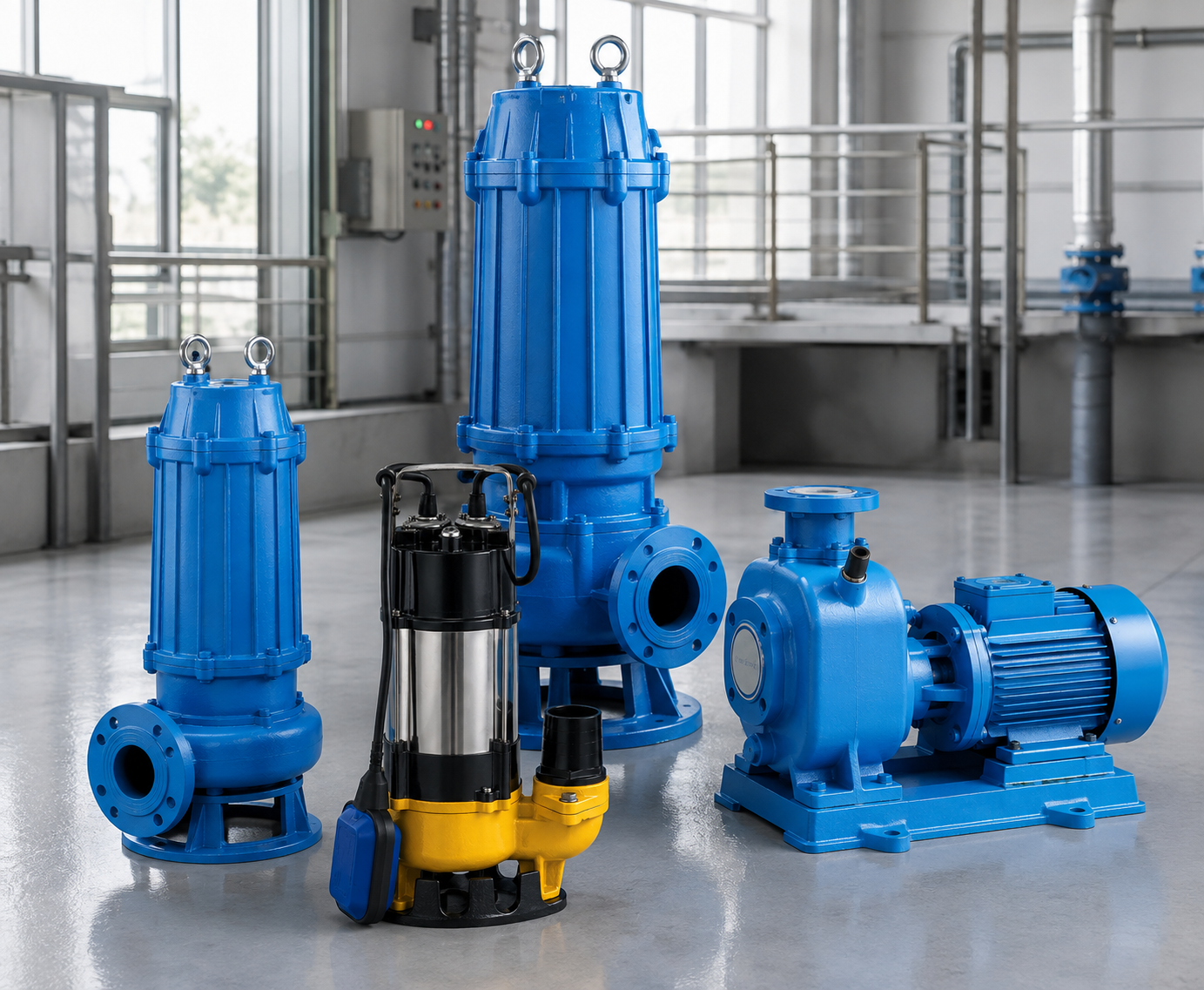
HunGerät Wastewater Pumps come with a range of motor speeds and power levels to meet a wide range of flow, head, and operation needs. You can pick a submersible Wastewater Pump or an industrial sewage pump with motor powers ranging from 0.18 kW to 550 kW and configurations such as 2-pole, 4-pole, 6-pole, and 8-pole motors based on the capacity and operating conditions you need.
Flexible Pump Structures for Easier System Installation
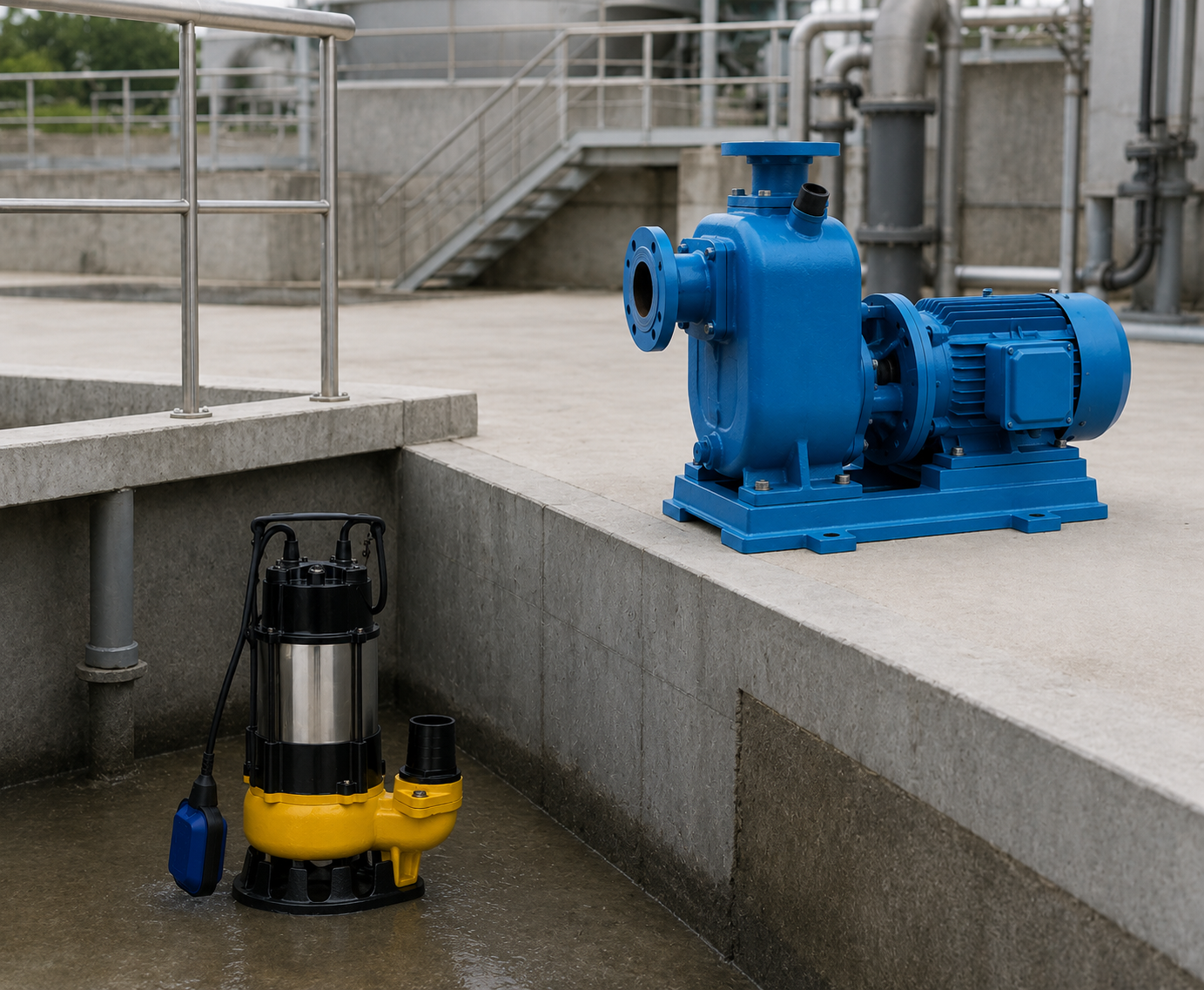
HunGerät Wastewater Pumps have pumping structures that are both submerged and above water. This gives you more options when planning or updating a wastewater system. You can put a submersible Wastewater Pump directly in sewage pits or tanks, or you can choose a self-priming Wastewater Pump if you’d rather place it above ground and have easier access to it for maintenance. This will help you build a sewage transfer system that works with the way things are at the site.
Your Reliable Factory for Wastewater Pumps
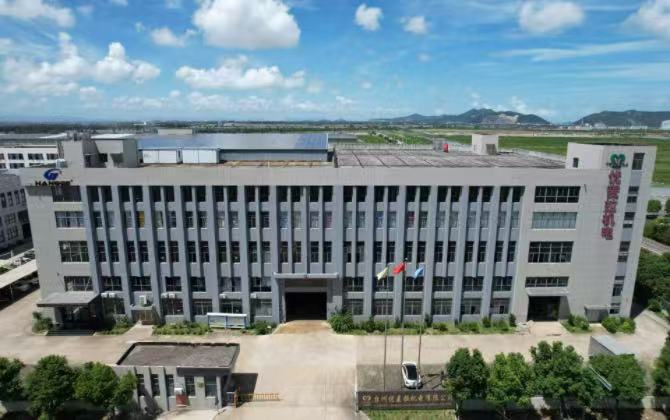
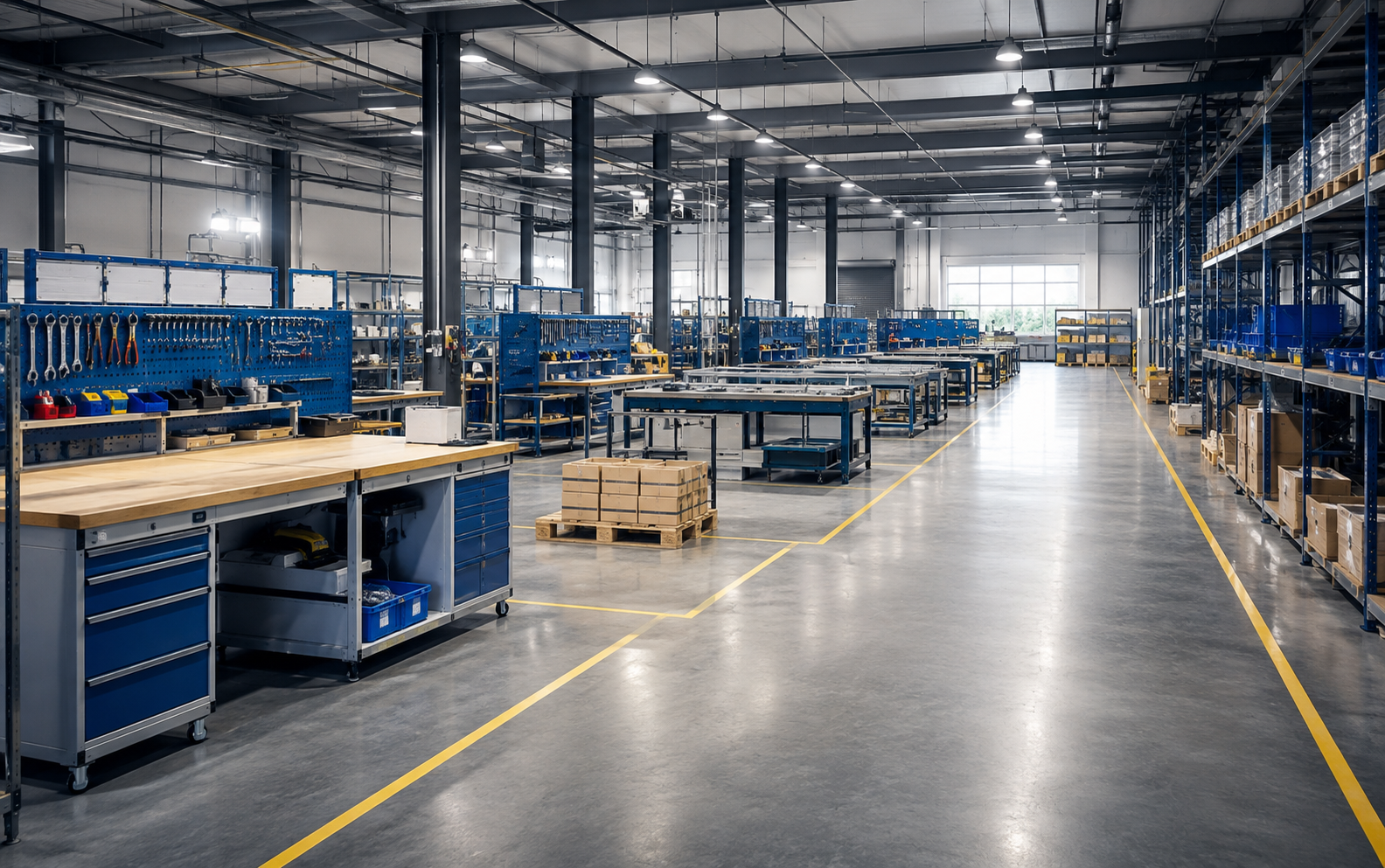
HunGerät makes sure that every Wastewater Pump is the same by standardising production control at every step, from preparing the parts and putting together the motors to putting together the pumps, testing their performance, and doing a final review. We check important things during production, like how the motor works, how well the seals work, how safe the electricity is, how well the pump works, and the quality of the finished product. This helps you keep quality levels consistent when working on repeat orders and Wastewater Pump projects.
For 25 years, HunGerät has been making pumps. They have an industrial system that can handle batch production, stock preparation, assembly, testing, and handling container orders. It’s easier to keep track of your Wastewater Pump purchases from the time you choose one until it arrives because our team can help you with model confirmation, wastewater condition matching, technical communication, quotes, OEM requirements, and order updates.
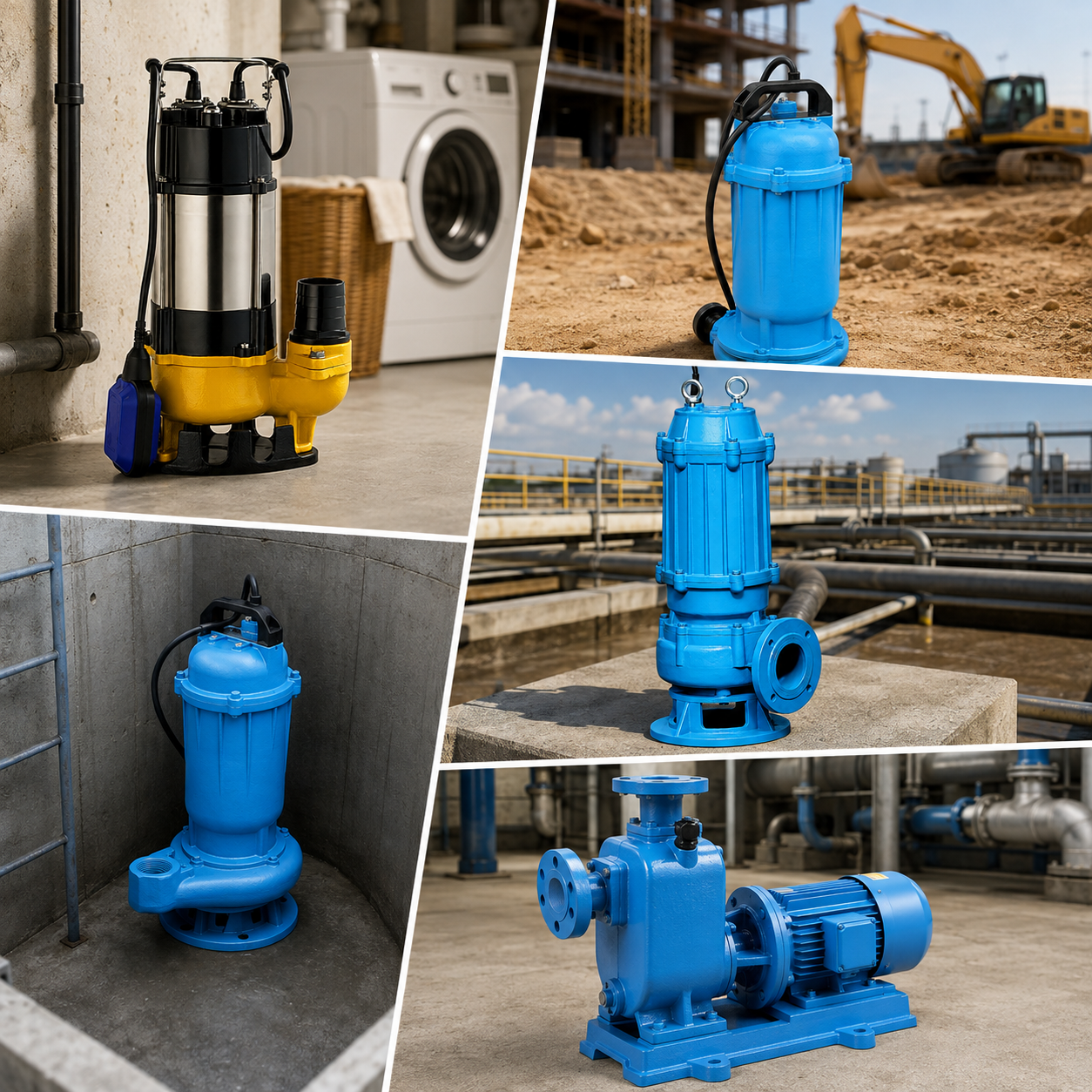
Wastewater Pump Application Areas
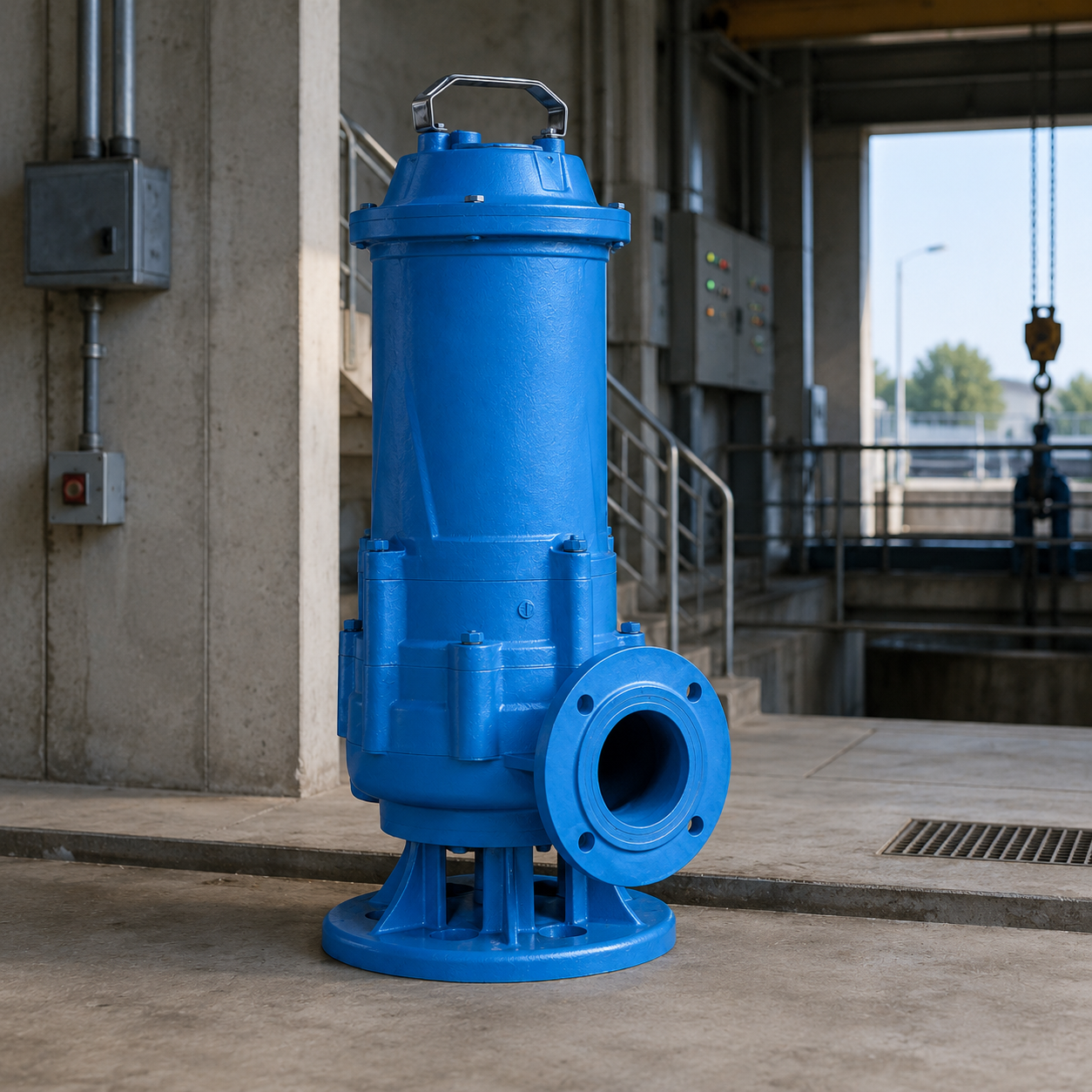
Pumps that can constantly move large amounts of wastewater that contains solids and other garbage in suspension are needed in municipal sewage systems. HungGerät Wastewater Pumps offer various flow, exit, and power choices for sewage pumping stations, sewage collection stations, and citywide wastewater transfer projects.
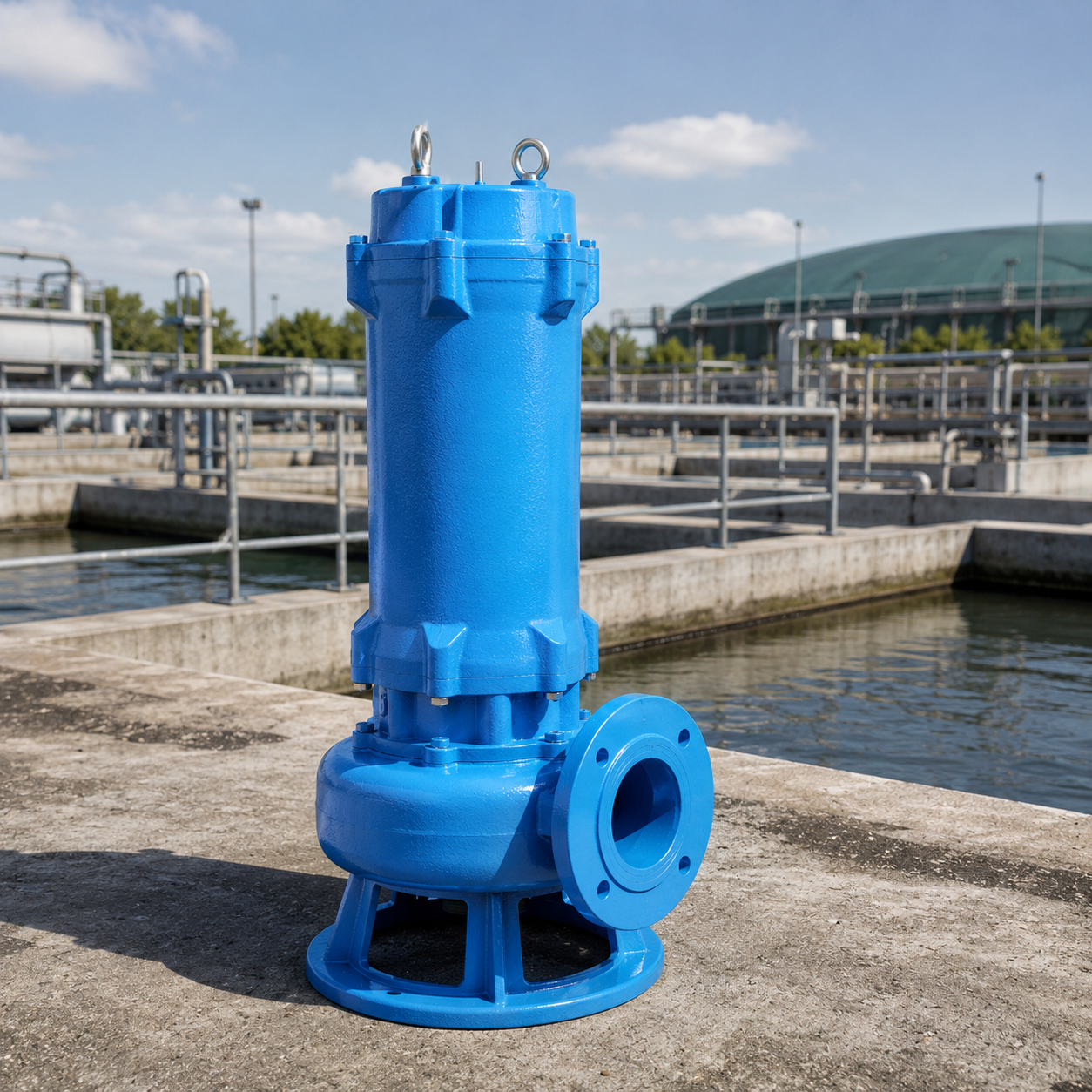
Pumps must work reliably between the collection tanks, treatment processes, and discharge areas of wastewater treatment plants. Wastewater Pumps with hydraulic systems that don’t get clogged help move garbage that has solids and fibres in it while also lowering the chance of getting clogged while they’re running all the time.
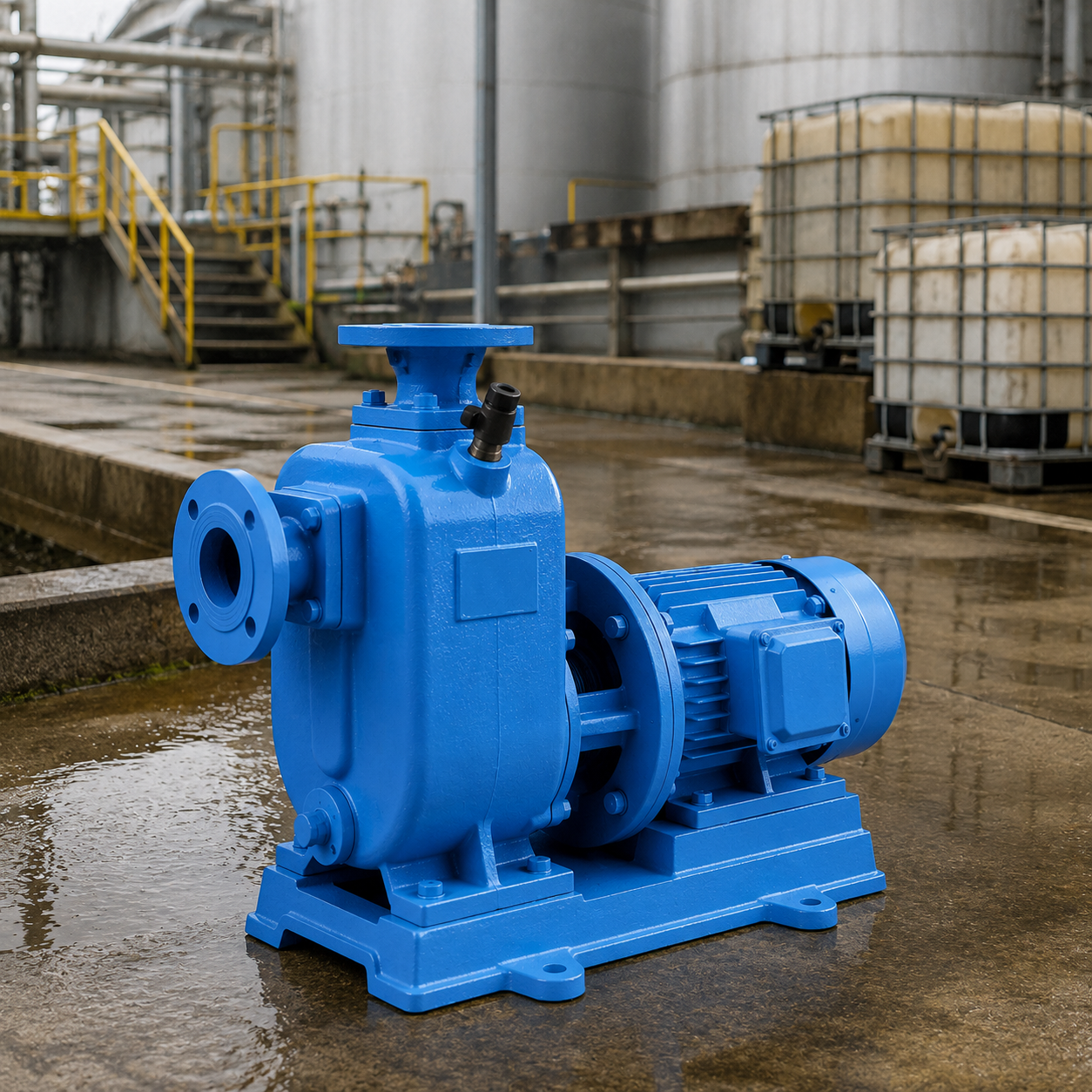
Wastewater from factories can have fibres, process waste, dissolved solids, and other impurities that make it harder to pump than clean water. In factories, HunGerät industrial Wastewater Pumps let you choose the flow and head levels that work best for wastewater transfer, drainage, and treatment systems.
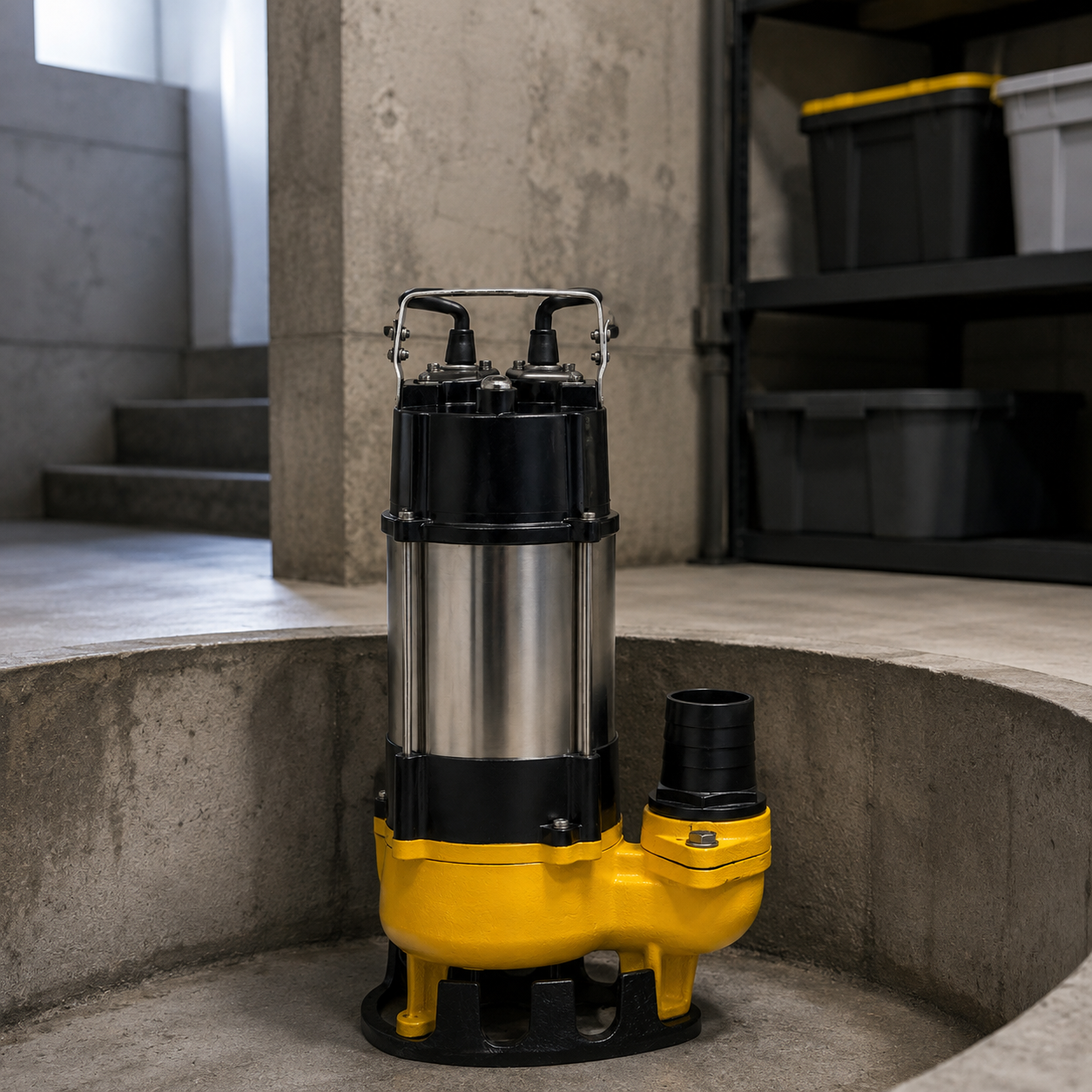
For reliable drainage when wastewater builds up below the main sewer level, basements, underground garages, commercial buildings, and residential facilities are needed. Installing submersible Wastewater Pumps directly in sewage pits or collection tanks moves wastewater to the outlet pipeline without the need for any human intervention.
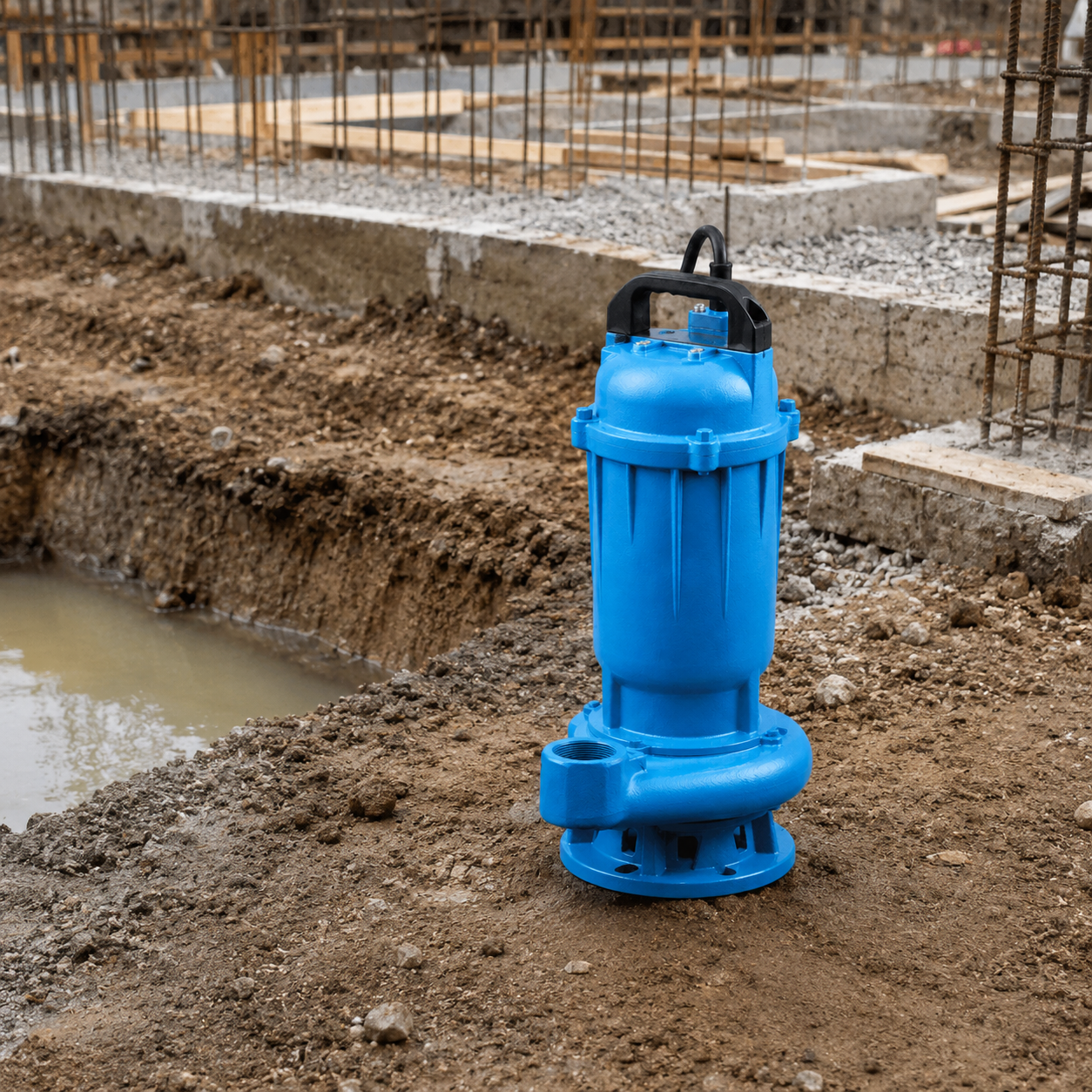
It is common for construction sites to need to clean up pits, foundations, and excavated areas with dirty water that has mud, sand, and other things suspended in it. When more flow is needed and better handling of dirty water is needed, HunGerät Wastewater Pumps are a sensible decision.
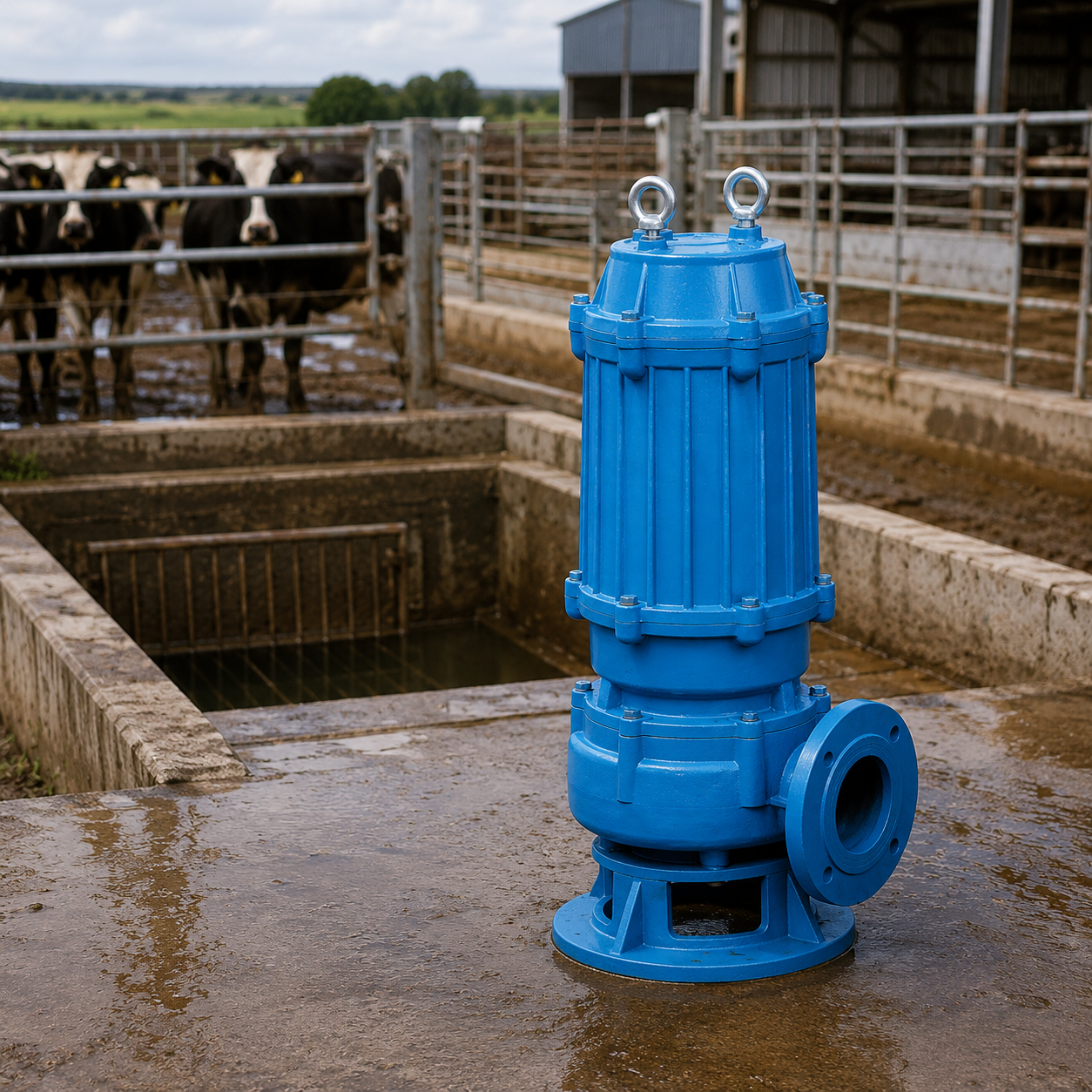
Landfills and farms with animals often have to move wastewater that has fibres, other soft solids, and organic waste in it. Selecting a cutting or non-clog Wastewater Pump will help you move this waste water more regularly while lowering the need for frequent manual cleaning and blockages.
For most wastewater pumping systems, pick a duty flow that is 10–15% higher than the normal flow. This will cover short-term changes. To give you an example, if you need 40 m³/h of flow, a good selection goal would be 44–46 m³/h at the needed total head.
After figuring out static lift and pipeline friction loss, a useful head margin is generally between 5 and 10 percent. If the total dynamic head is 30 m, don’t just pick the highest-head model; instead, pick a pump that can provide about 31.5–33 m at the required flow.
For normal building wastewater, a free passage of 35–50 mm works well. However, 65–100 mm or bigger passages are usually needed for municipal or heavier sewage systems. If the biggest solid that you expect is 40 mm, don’t just look at the discharge diameter; choose a pump that has at least a 50 mm free passage.
Many Wastewater Pump motors work better when they start only 10–15 times an hour or less. This keeps the motor from getting too hot and the contactors from wearing out. If a pump starts up every two to three minutes, that’s twenty to thirty starts every hour. This usually means that the operating volume or float levels in the sump need to be changed.
The usable sump volume should usually allow a few minutes between pump starts instead of letting the cycle happen right away. For instance, if you want a 5-minute break and the flow to be 12 m³/h, the working volume between the start and stop levels should be about 1 m³.
Most sewer systems can handle a discharge speed of about 0.7 to 2.5 m/s, and many can handle a speed of about 1.0 to 2.0 m/s. It is more likely for solids to settle below about 0.7 m/s, and friction loss can become very high above 2.5–3.0 m/s.
Most standard submersible Wastewater Pump installations can only go as deep as 5–10 m, but heavy-duty models may be able to go deeper. Before you buy, make sure you know the motor’s pressure rating, cable length, mechanical seal design, and the depth to which it can be submerged if your sump is 12 to 15 metres.
A Wastewater Pump with an S1 continuous-duty motor rating can usually run nonstop for 24 hours if the motor stays submerged or cool enough and works at its maximum load. You shouldn’t think that pumps that are meant for intermittent duty can work 24 hours a day, seven days a week without checking the motor duty rating.
The water temperature in sewage can go up to about 40°C in many standard Wastewater Pumps. A high-temperature Wastewater Pump with the right motor insulation, seals, cable materials, and bearings is usually needed if the liquid regularly hits 50–80°C.
A normal Wastewater Pump can handle a small amount of sand in the fluid, but pumping very rough wastewater over and over again can quickly damage the blade and volute. If the solids content is higher than 3–5% by weight or the water has large particles of sand bigger than a few millimetres, this should be mentioned before choosing a pump so that materials that don’t wear down quickly can be thought about.
A 50 mm Wastewater Pump is usually used for small wastewater and drainage systems that need a flow rate of 5 to 30 m³/h, depending on the pump’s head and design. If you need 20 m³/h at 12 m head, don’t just pick any 50 mm sewage pump. Instead, look at the model’s performance curve to make sure it can meet your needs.
A 100 mm Wastewater Pump is usually used when the flow rate needs to be between 50 and 150 m³/h, but the real capacity can change a lot depending on the head and impeller design. Make sure that the pump curve goes through or just above the operating point for a project that needs 100 m³/h at 20 m head.
The horizontal distance of pumping is not set by a maximum distance, but by the friction between the pipes. To get water from a 200-meter discharge pipe with an 8-meter vertical lift and a 10-meter friction loss, the Wastewater Pump needs to have a total dynamic head of at least 18 metres, plus the chosen design margin.
A smaller pipe sharply raises the speed of the water and the friction loss, which lowers the real flow of the Wastewater Pump. If you cut the pipe width from 100 mm to 80 mm and keep the same flow rate, the speed can go up by about 56%. This means that long pipelines should be carefully checked before the discharge pipe size is reduced.
As long as the cables are the right size, the voltage drop should be no more than 3 to 5 percent of the maximum voltage. It’s best for the motor voltage to stay above about 361 V on a 380 V three-phase Wastewater Pump, since a 5% drop is equal to 19 V.
For important wastewater systems, two pumps are usually set up so that one is on duty and the other is backup. Each pump can handle about 100% of the normal design flow. If the normal demand is 80 m³/h, each pump can be set to handle about 80 m³/h, and the second unit can be used as a backup or extra source of capacity when demand is high.
In a duplex control system, the lead pump is usually switched between units so that both of them get the same number of hours of use. For example, Pump A can handle one cycle and Pump B can handle the next. When the level of the wastewater hits the high-high level, both pumps start working together because one pump can’t handle the flow coming in.
There should be a basic inspection every one to three months for normal commercial wastewater service and a detailed inspection every six to twelve months. It is recommended to check pumps that handle grease, fibres, sand, or heavy solids more often, usually every one to two months, since blockages and wear happen more quickly.
Keeping at least one inlet diameter of clear space between the suction area and any sump walls or other obstacles close is a good place to start. When installing a bigger pump, follow the final installation drawing and leave at least 100 mm of clear space around the pump’s inlet.
It’s important to give information about the flow rate (in m³/h), total head (in metres), largest solid size (in mm), sump depth, discharge pipe diameter, voltage, frequency, phase, liquid temperature, and number of operating hours per day. The manufacturer can choose a much more exact sewage pump model if the customer specifies details like 60 m³/h, 18 m head, 40 mm solids, 5 m installation depth, DN80 outlet, 380 V/50 Hz/3-phase, and 12 hours a day.
How to Pick the Right Wastewater Pump for Your System
First, make sure the pump can handle the type of garbage you have. Check the installation depth, flow rate, total head, discharge size, and to see if the liquid has any fibres, paper, sludge, or other debris suspended in it. If the wastewater has a lot of solids, a non-clog Wastewater Pump will work. If the wastewater has a lot of fibres, a cutting Wastewater Pump is better. If you have pits, tanks, or underground drainage, a Submersible Wastewater Pump is usually easier to use because it can work right in the wastewater.
Next, think about the conditions of use and the upkeep that needs to be done. If the pump will be used for a long time or for a lot of wastewater, make sure the flow and head margins are big enough for the waste. Don’t just choose the motor power. Also, make sure the solids passage and outlet are big enough. A self-priming Wastewater Pump might be better if it’s more important to have the pump easy to check and maintain from above ground. Please let HunGerät know about your project’s flow, head, wastewater state, installation method, and power needs. We will then help you find the best Wastewater Pump for it.