
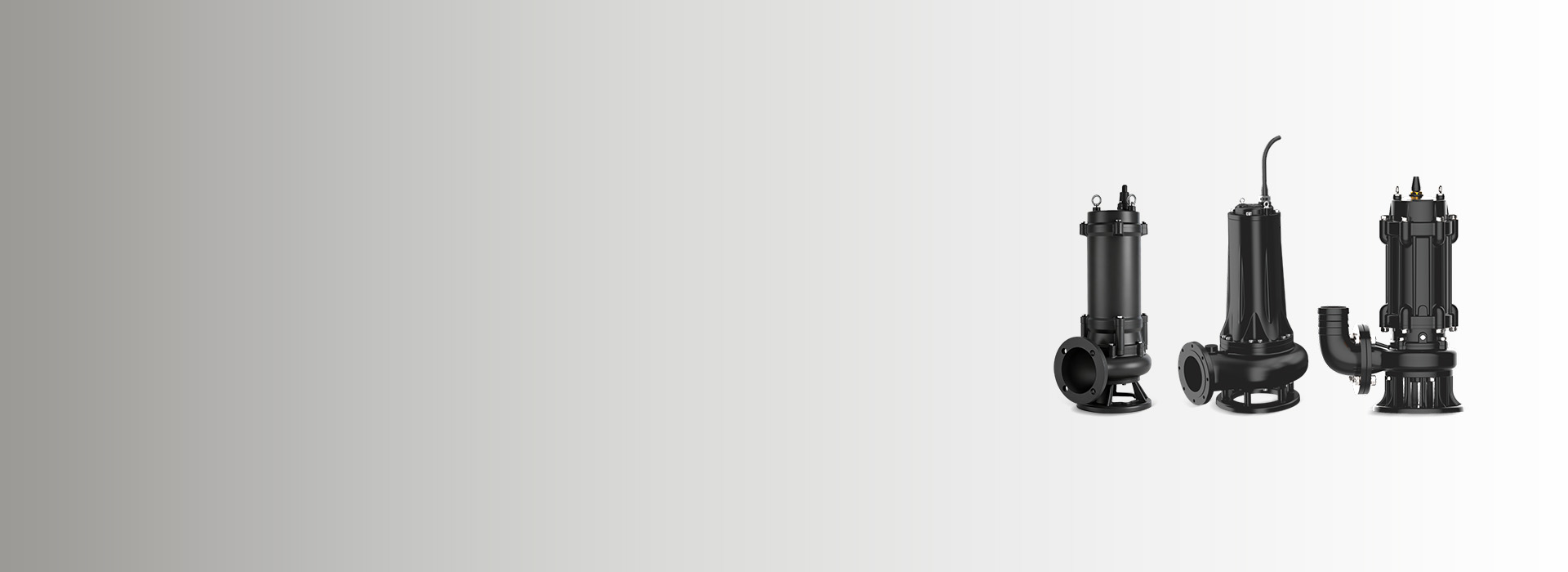

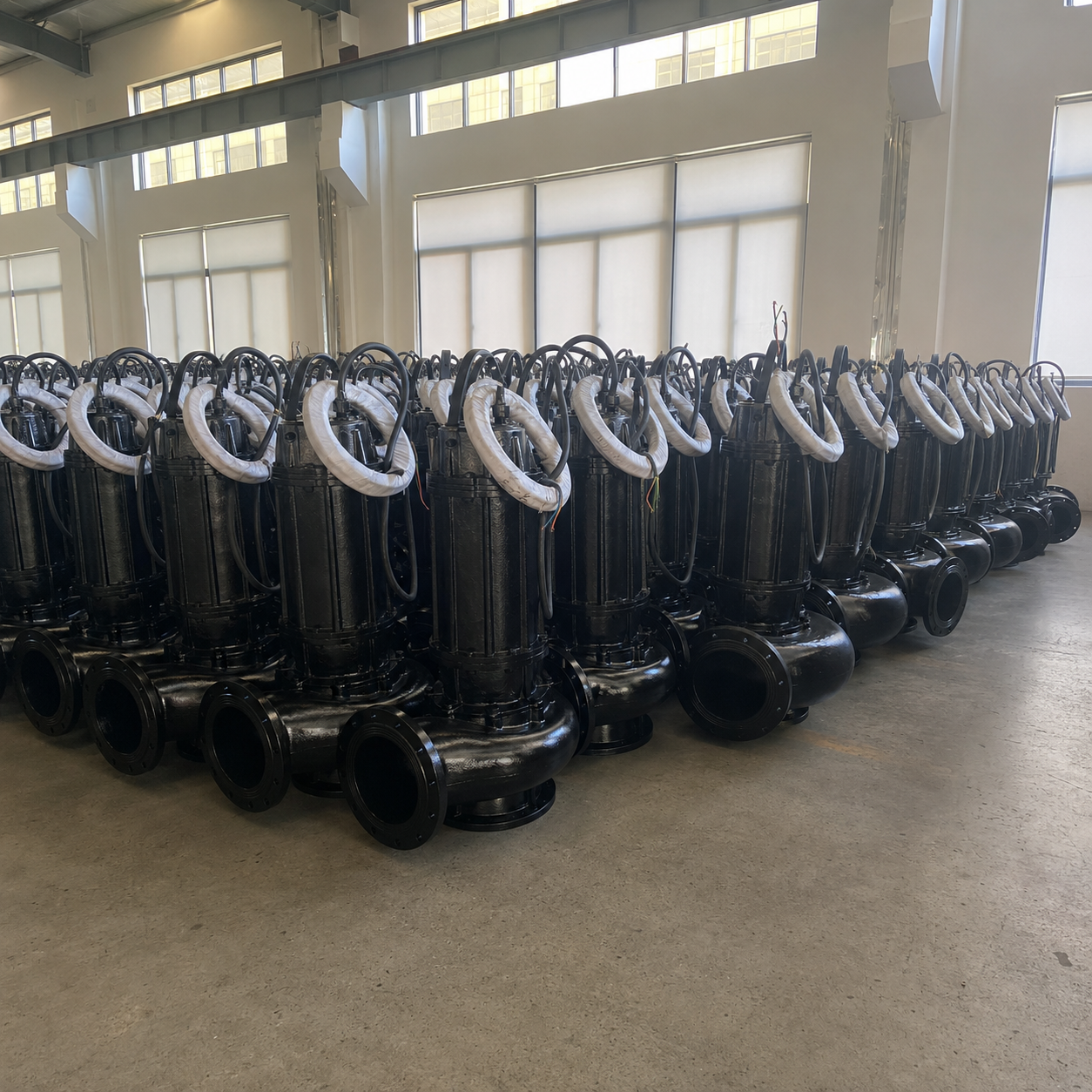
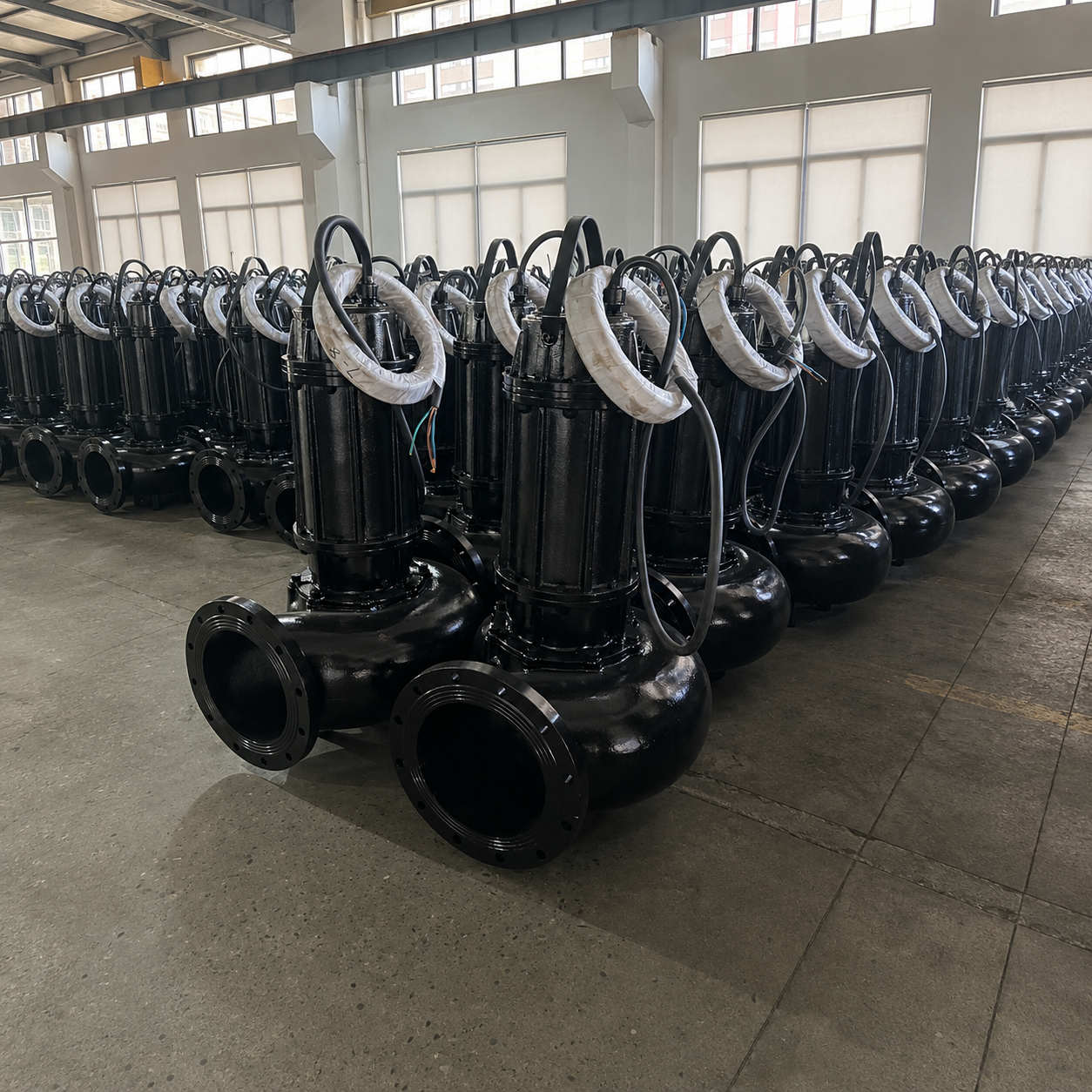
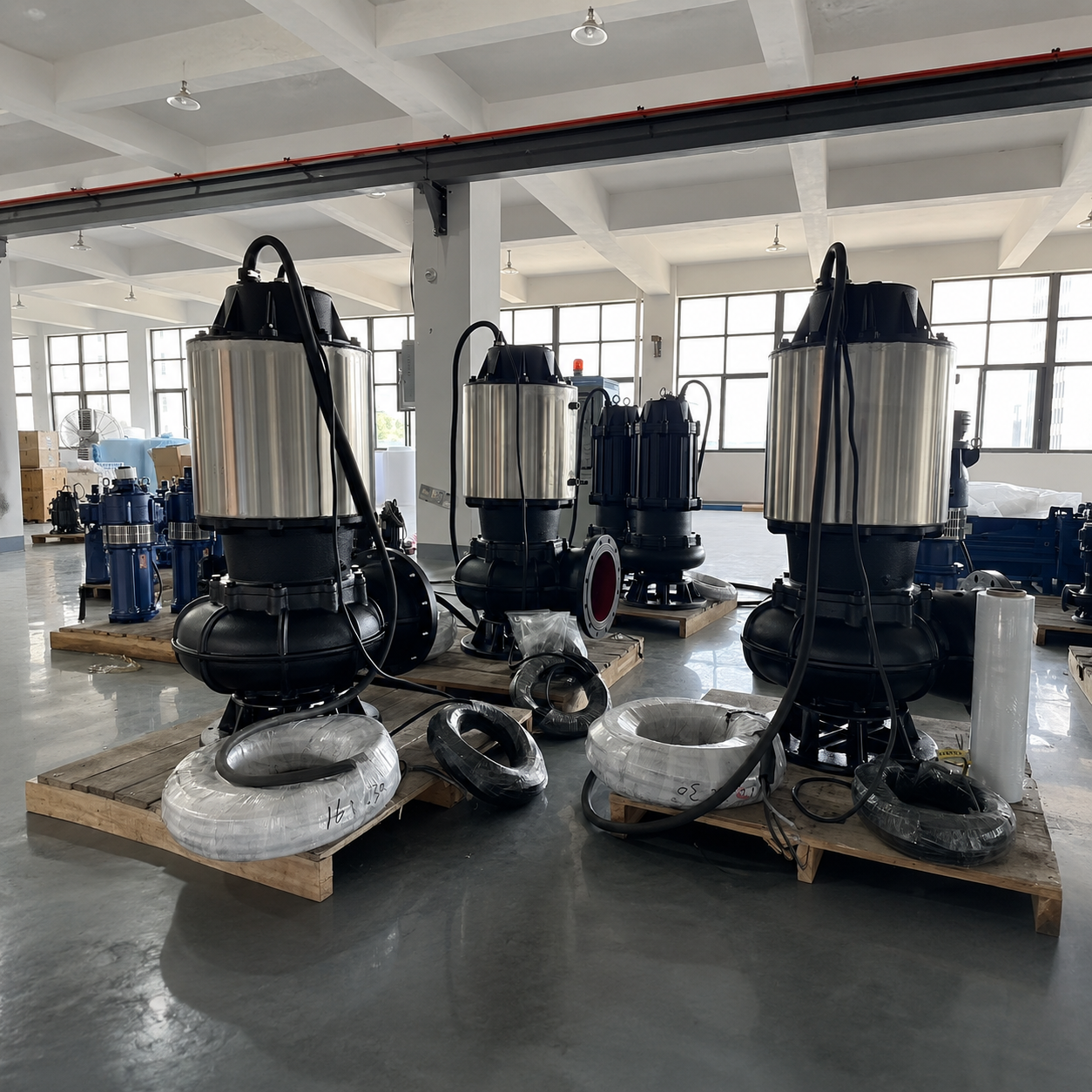
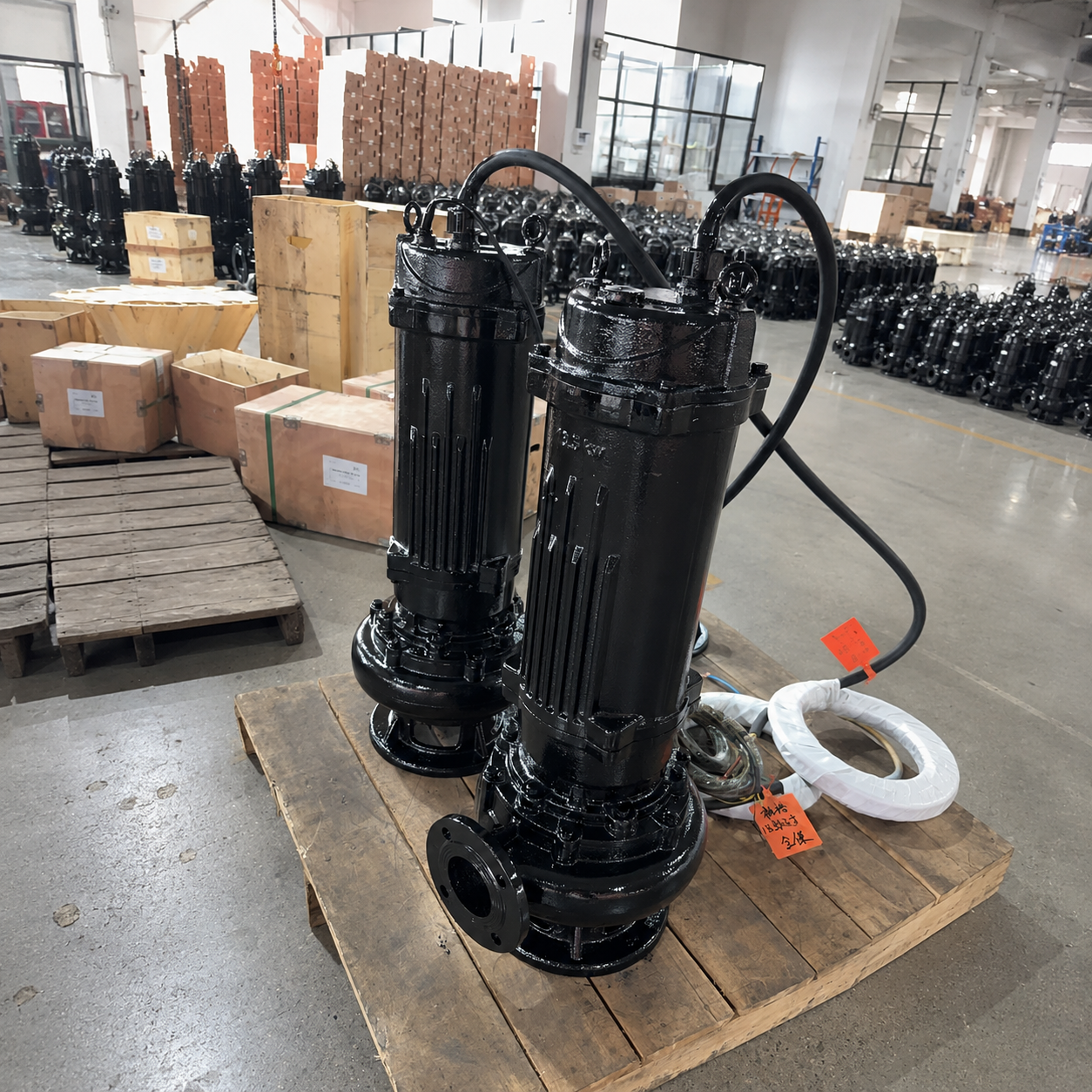
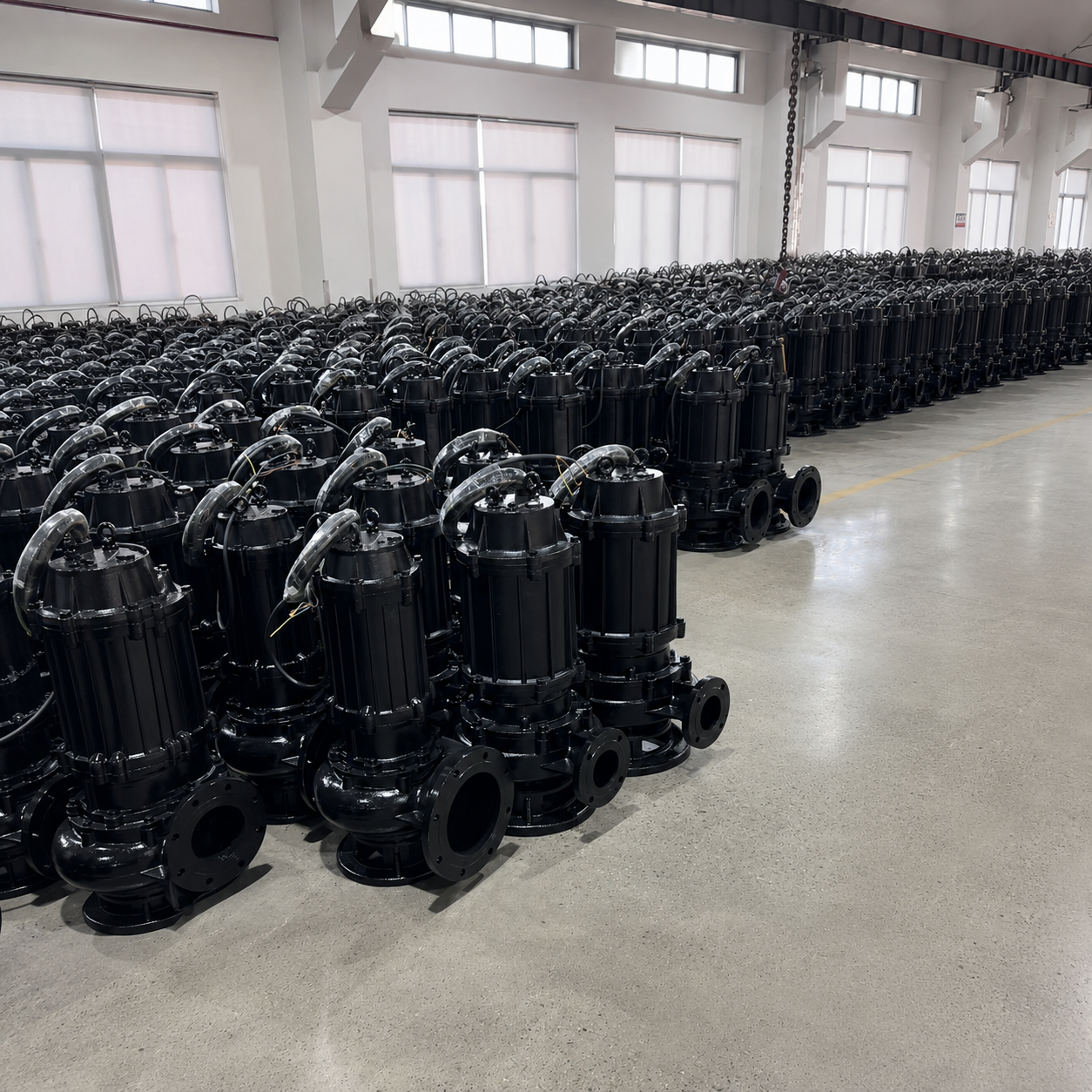
Cutter Pumps for Demanding Wastewater Applications
- Handles Fibrous and Solid Waste: Made for sewage that has fibers, rags, paper, wipes, and other solids in it.
- Reduces Blockage Risks: Integrated cutting mechanism helps keep things from getting clogged and reduces the need for upkeep.
- Built for Continuous Operation: Heavy-duty design makes sure that it will work reliably in tough conditions.
- Multiple Models Available: Different flow rates, heads, and output sizes are available to meet the needs of different systems.
- OEM & Custom Manufacturing: You can get customized voltage, materials, cables, and logos if you ask for them.
- Factory-Direct Supply: Prices that are competitive, quality control that is stable, and short lead times for output.
What Is a Cutter Pump?
A cutter pump is a type of submersible sewage pump that is made to cut and move wastewater that has fibers, soft solids, and other garbage in it. Its built-in cutting mechanism breaks down waste before it is pumped, which helps keep pipes from getting clogged and makes sure that wastewater can be moved reliably in residential, business, municipal, and industrial settings.
HunGerät as a professional cutter pump manufacturer, we have a lot of models with different flow rates, heads, and power choices so that we can meet the needs of all kinds of projects. For reliable long-term performance, our pumps are made with strong materials, precisely machined cutting parts, and motor technology that has been used for a long time. We make it easy for distributors, contractors, and equipment sellers to buy cutter pumps by offering OEM customization, strict factory quality control, low prices, and quick delivery.
Cutter Pumps by Models
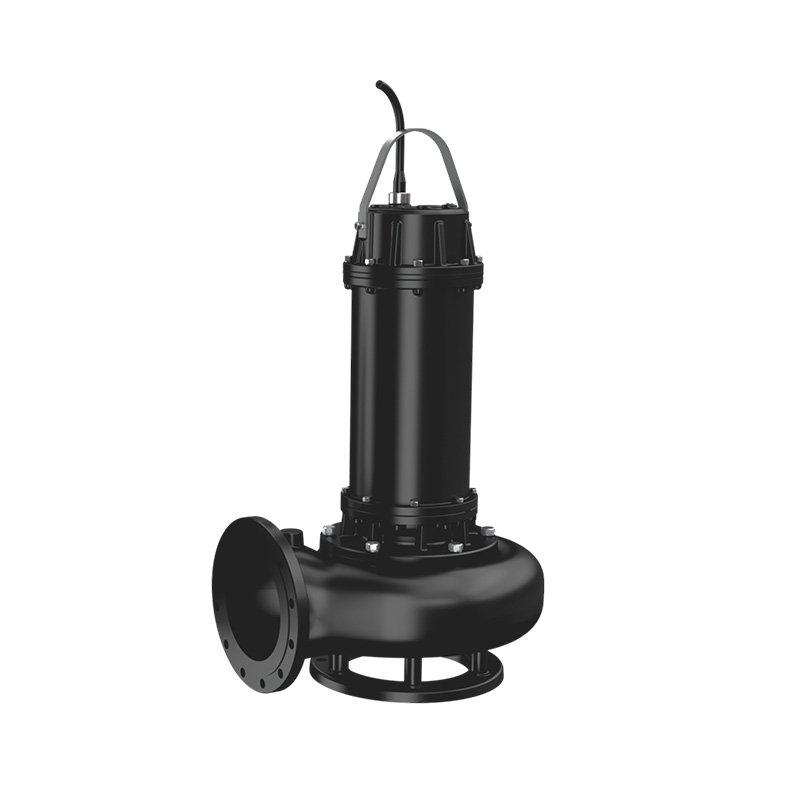 GNWQ Series - Cutting Sewage Type Submersible Pump
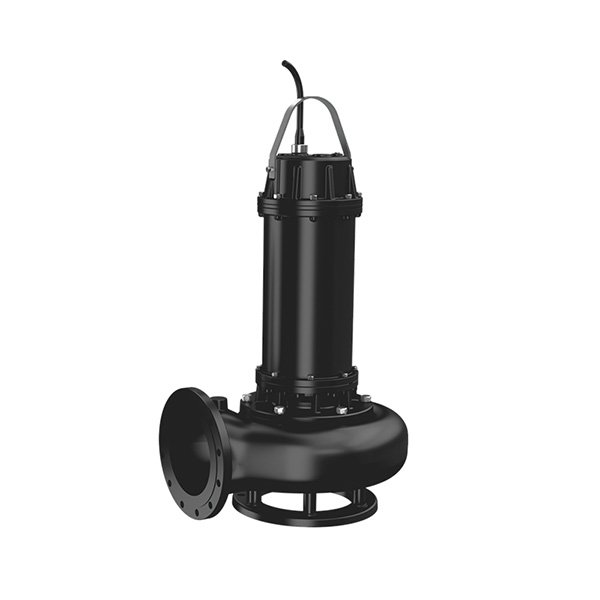 ASWQ Series - Cutting Sewage Type Submersible Pump
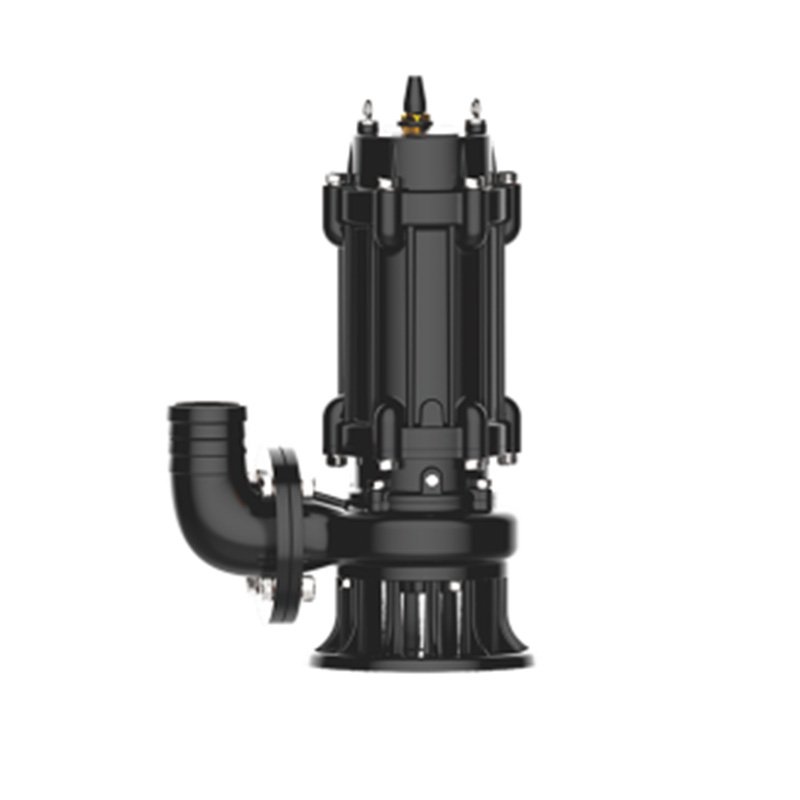 WQ Series - Standard Cutting Sewage Type Submersible Pump
Why Choose HunGerät as Your Cutter Pump Factory
HunGerät has been making sewage and cutting pumps for a long time. We know how hard it is to deal with solids, fibrous waste, and uses that tend to get clogged, so we help our customers choose the right cutter pump for their wastewater system.
Key steps in the production process are all done in our plant, from machining the pump casing to putting together the motor and testing it one last time. This helps us keep quality levels stable and keep a better track of work schedules.
A cutter pump’s main part is the cutting assembly. We focus on exact manufacturing and assembly to make sure that the solids are shredded properly, that there is less chance of blockages, and that the machine will work reliably for a long time.
We offer OEM services, which include customizing performance, voltage, frequency, materials, and logos. This lets project buyers and distributors fit the needs of the local market and application.
We can handle both small test orders and big project needs with the same high quality because we have established production lines and planned our inventory well.
Our team can quickly help customers choose a model, ask technical questions, get quotes, and get reports on their orders. This makes projects and purchases go more smoothly for our customers.
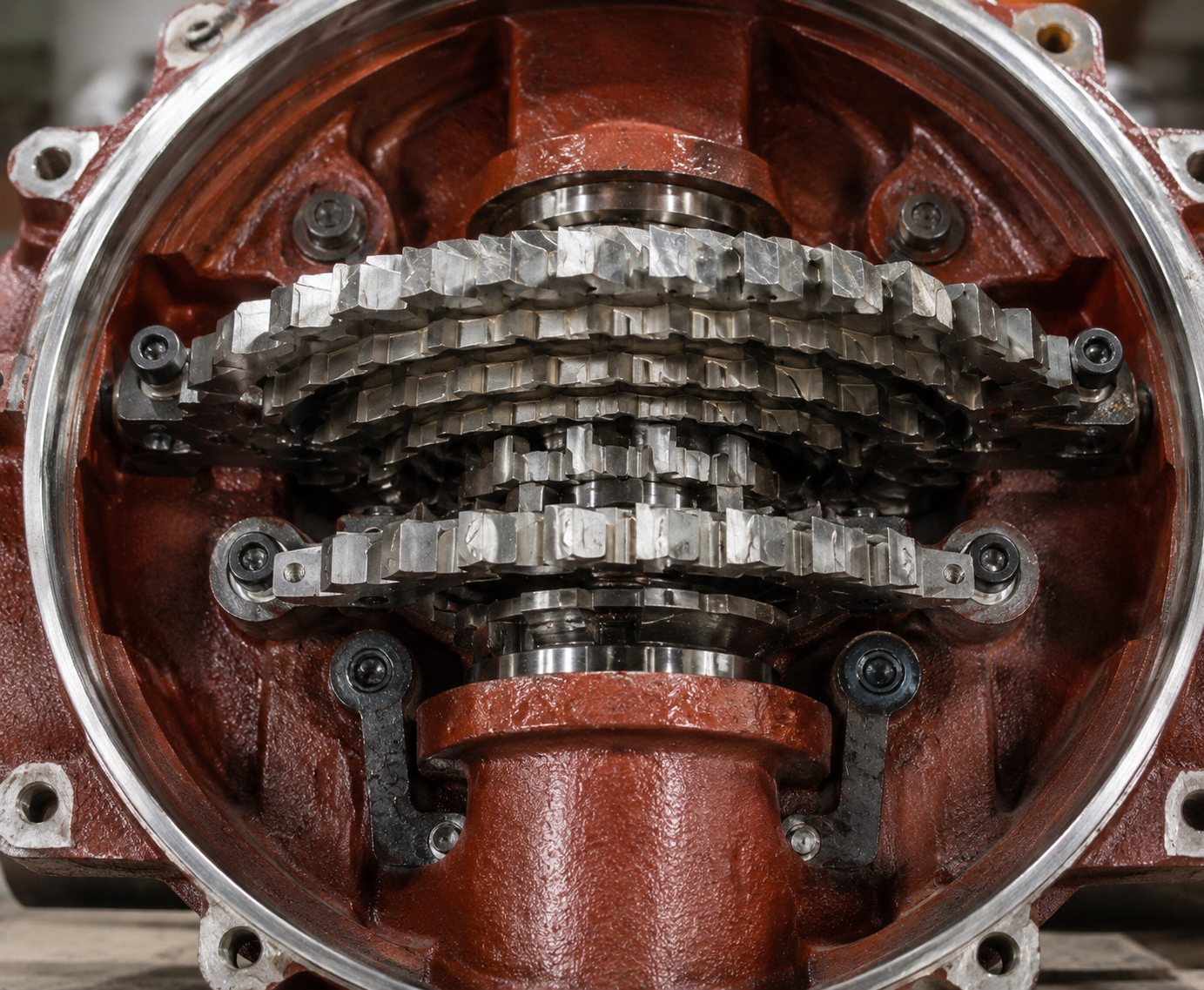
Double-Reamer Cutting System
Before pumping, HunGerät cutter pumps shred diapers, wipes, plastic bags, cloth, ropes, paper goods, and other fibrous solids very well with their double-reamer cutting mechanism. The heavy-duty cutting system comes in models ranging from 0.75 kW to 110 kW. It helps keep your pumping system going smoothly, prevents clogs, and improves the flow of wastewater.
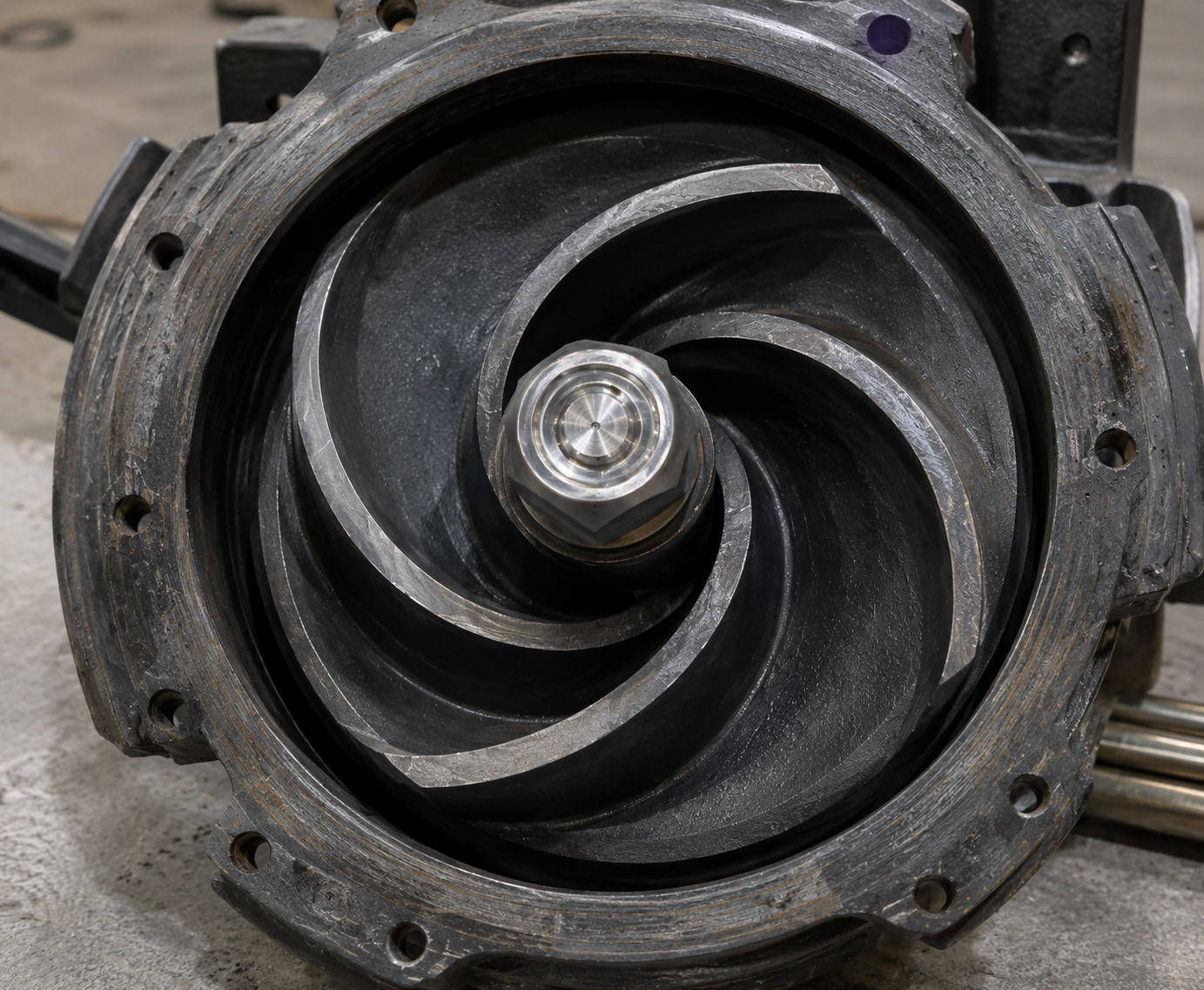
High-Flow Cutting Impeller
Our high-flow cutting impeller and a fixed cutter plate work together to keep the solid particle size smaller while the machine is running. You can move wastewater more quickly through pressure sewer systems, lift stations, and industrial drainage networks with this design because it has good hydraulic performance and solids handling.
100% Copper Motor Winding
High-purity copper windings are built into every HunGerät cutter pump to keep the power output stable, lower the working temperatures, and make the energy use more efficient. The motor is reliable enough for demanding wastewater uses because it is made to work continuously.
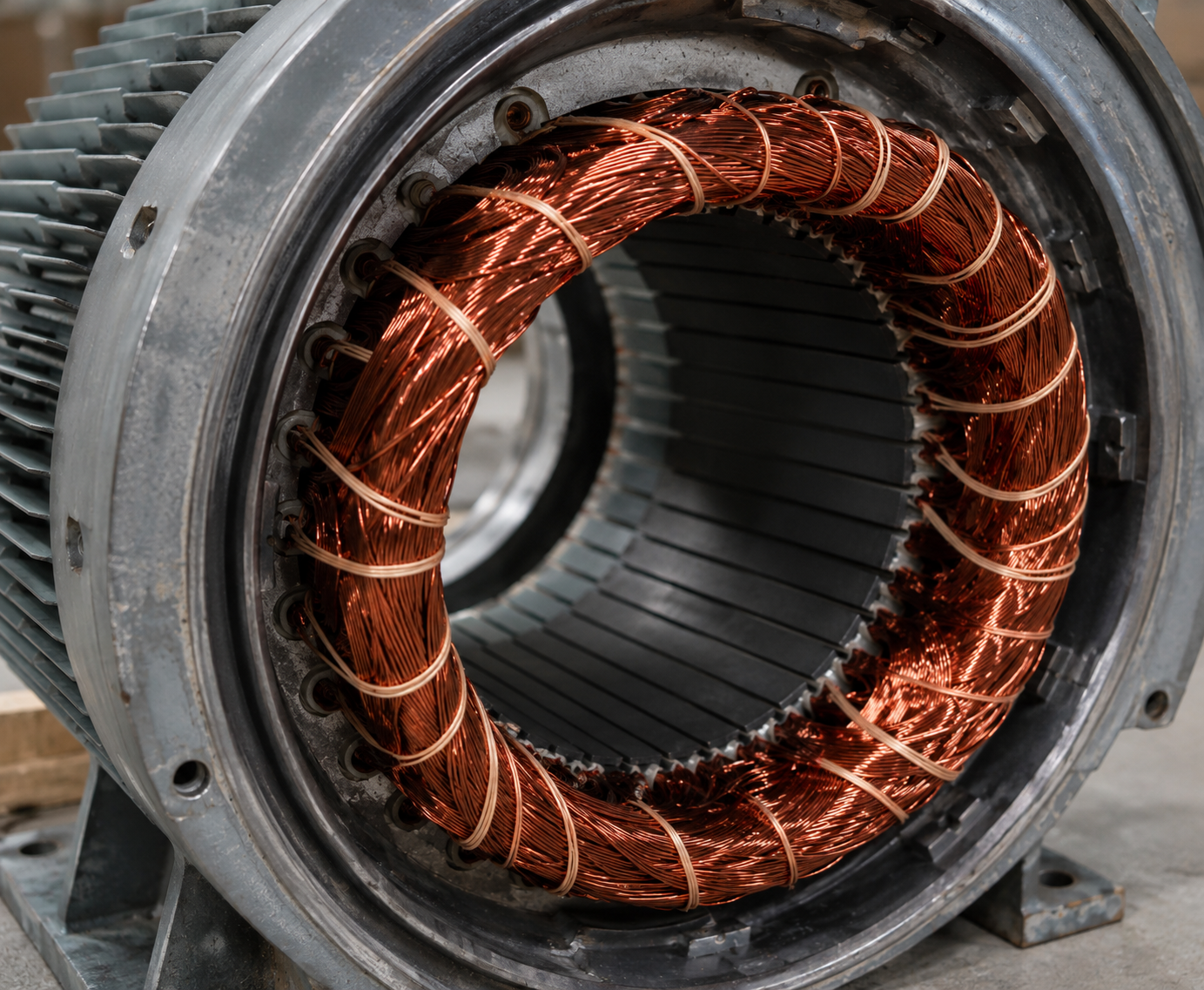
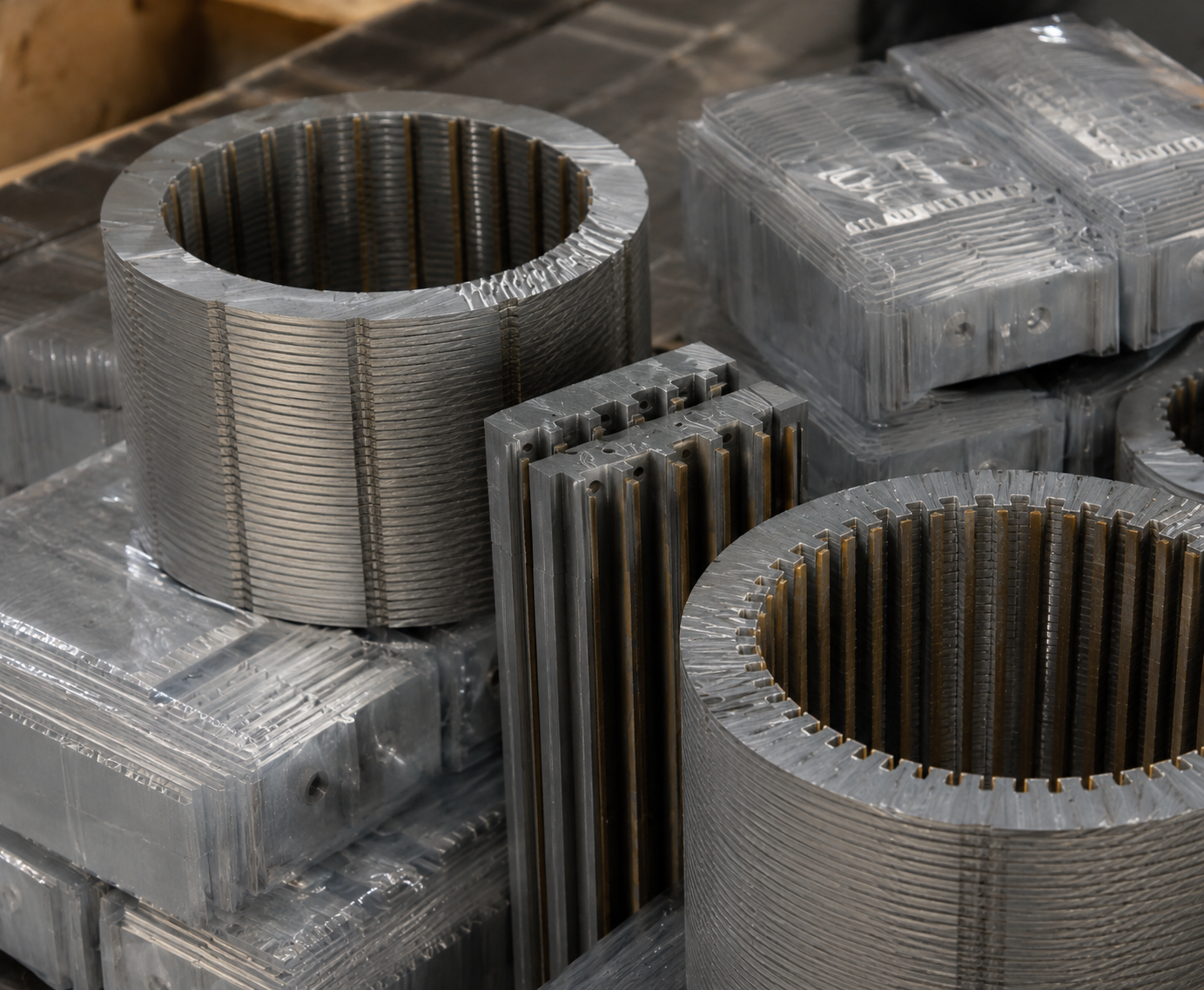
Cold-Rolled Silicon Steel Stator
Our pumps use luxury cold-rolled silicon steel laminations that cut down on magnetic losses and improve electrical performance so that the motor works as efficiently as possible. The improved design of the stator helps you use less energy while keeping the system stable over time.
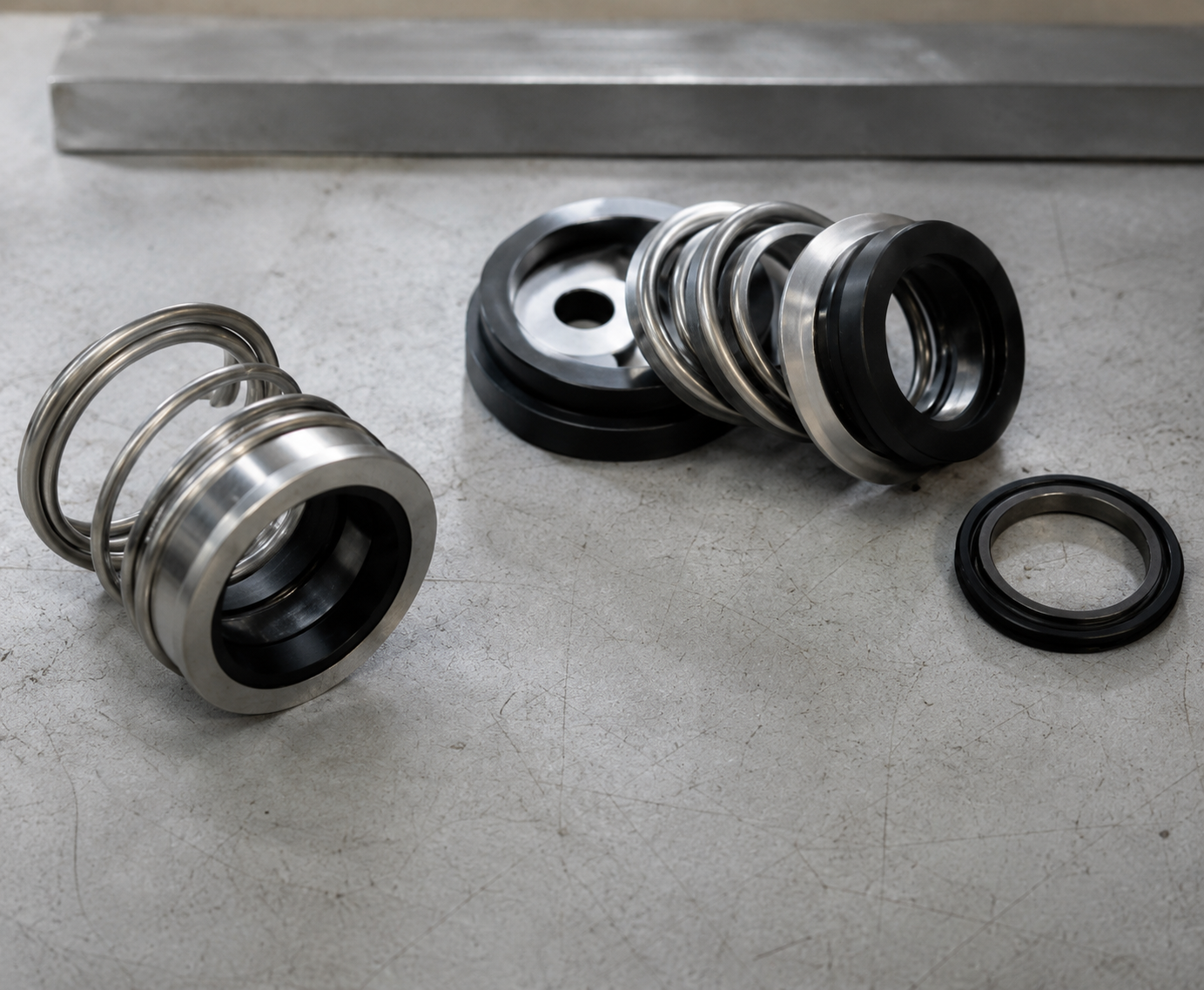
Dual Mechanical Seal System
Our dual mechanical seal method keeps wastewater from getting into the motor chamber. This protects against leaks better and makes the seal last longer. This extra protection helps cut down on upkeep needs and gives you more confidence when submerged sewage pumping is needed.
Cutter Pump Application Areas
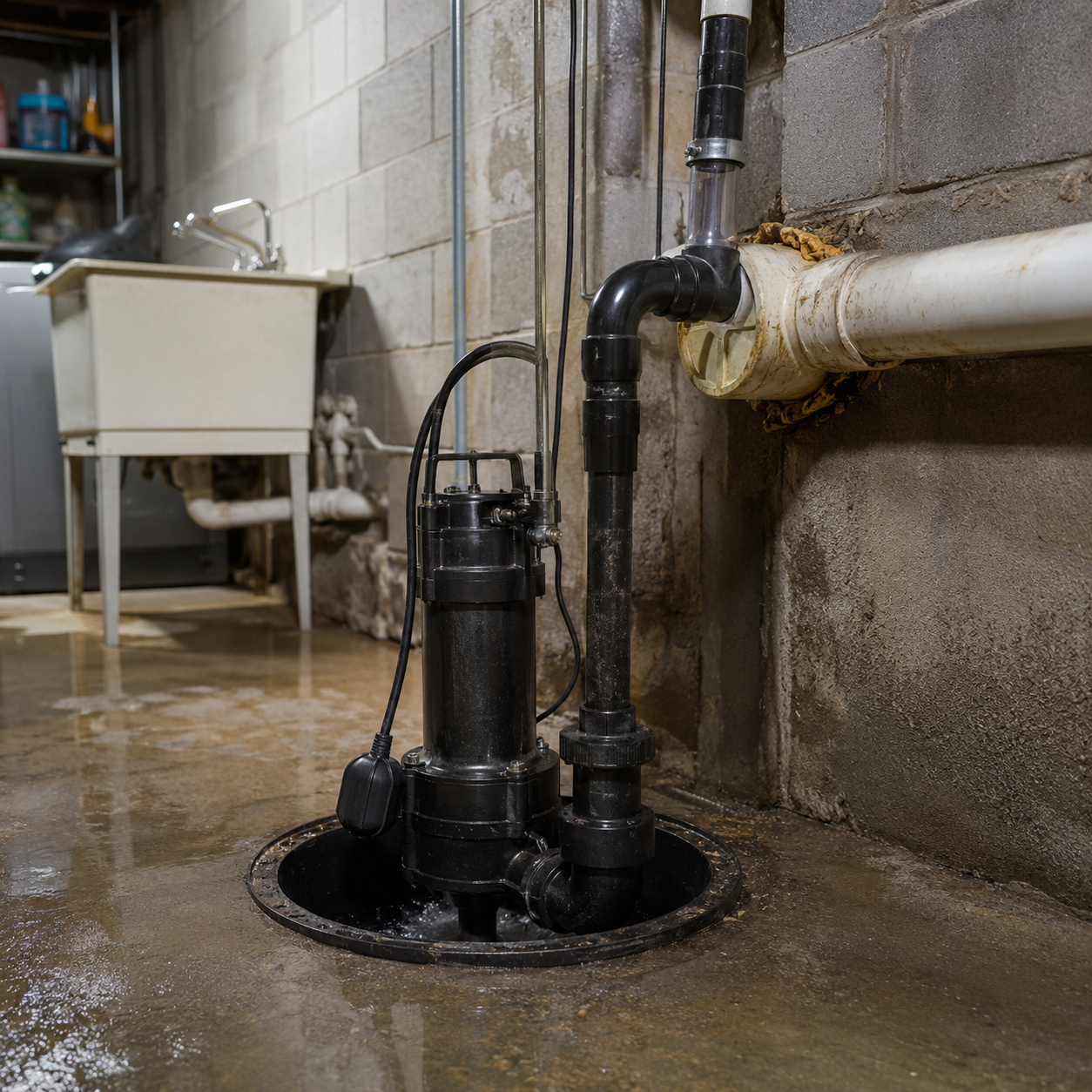
When sinks in bathrooms, laundry rooms, or utility rooms are put in below the main sewer line, garbage can’t just flow out by gravity. Before being pumped through small-diameter pipes to the city sewer system, a cutter pump breaks down solids and fibrous garbage.
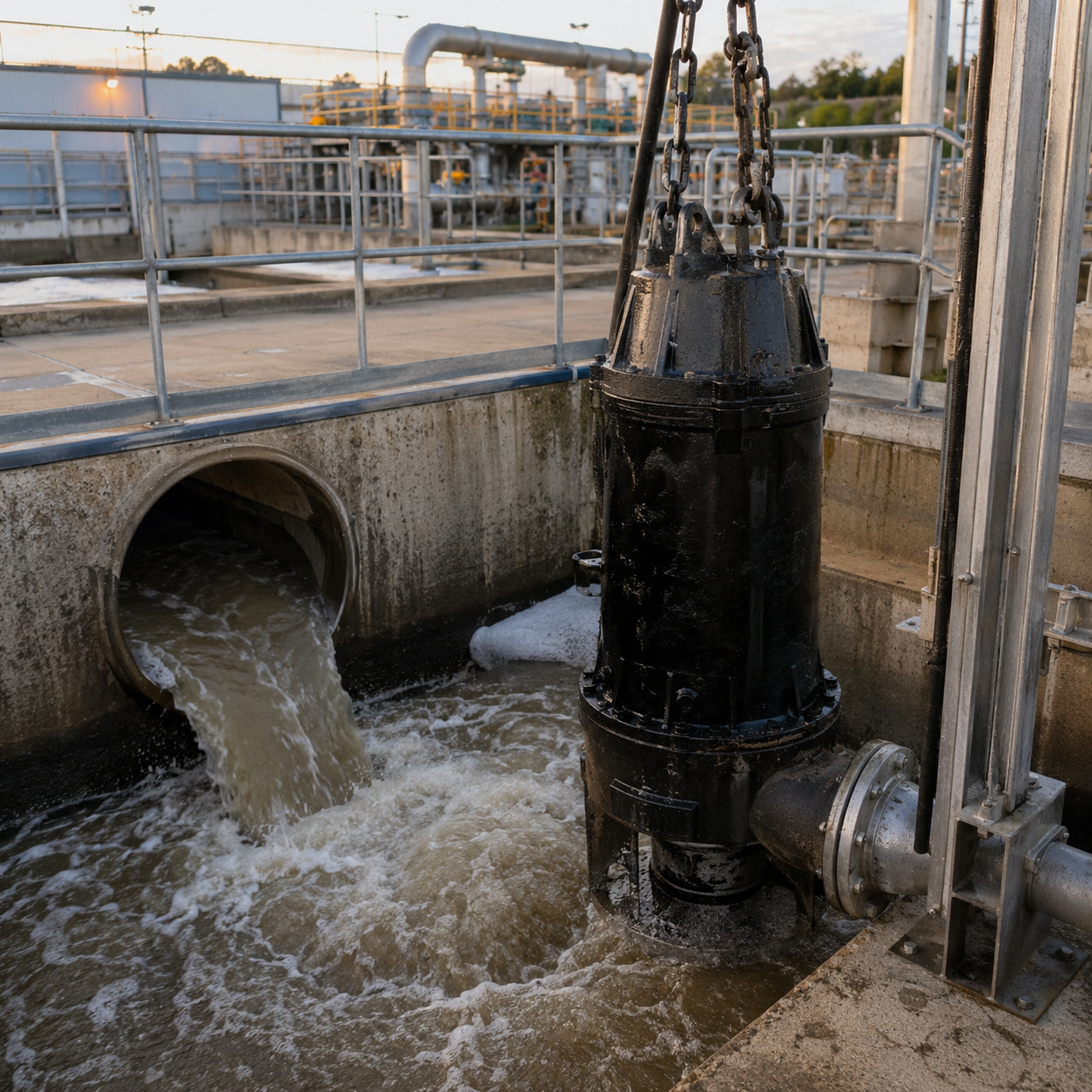
Wipes, cloth, paper goods, and other things that can get stuck in standard pumps are often found in municipal wastewater. Cutter pumps break up solid materials into smaller pieces, which helps lift stations keep the flow going and cuts down on repair needs.
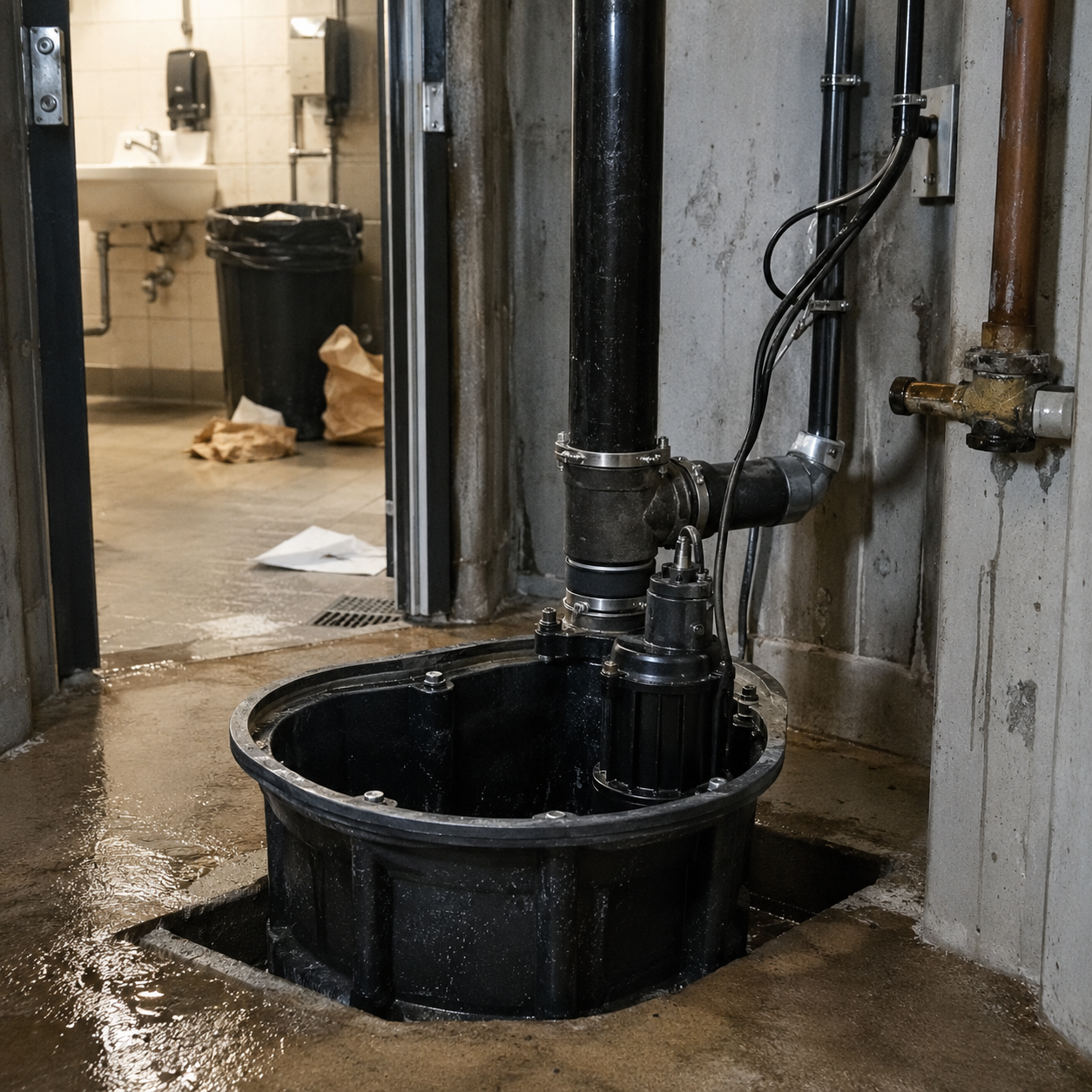
Every day, a lot of garbage is made by hotels, restaurants, office buildings, and shopping malls. Cutter pumps help move water that has paper waste and organic solids in it while lowering the chance that pipes will get clogged and service will be interrupted.
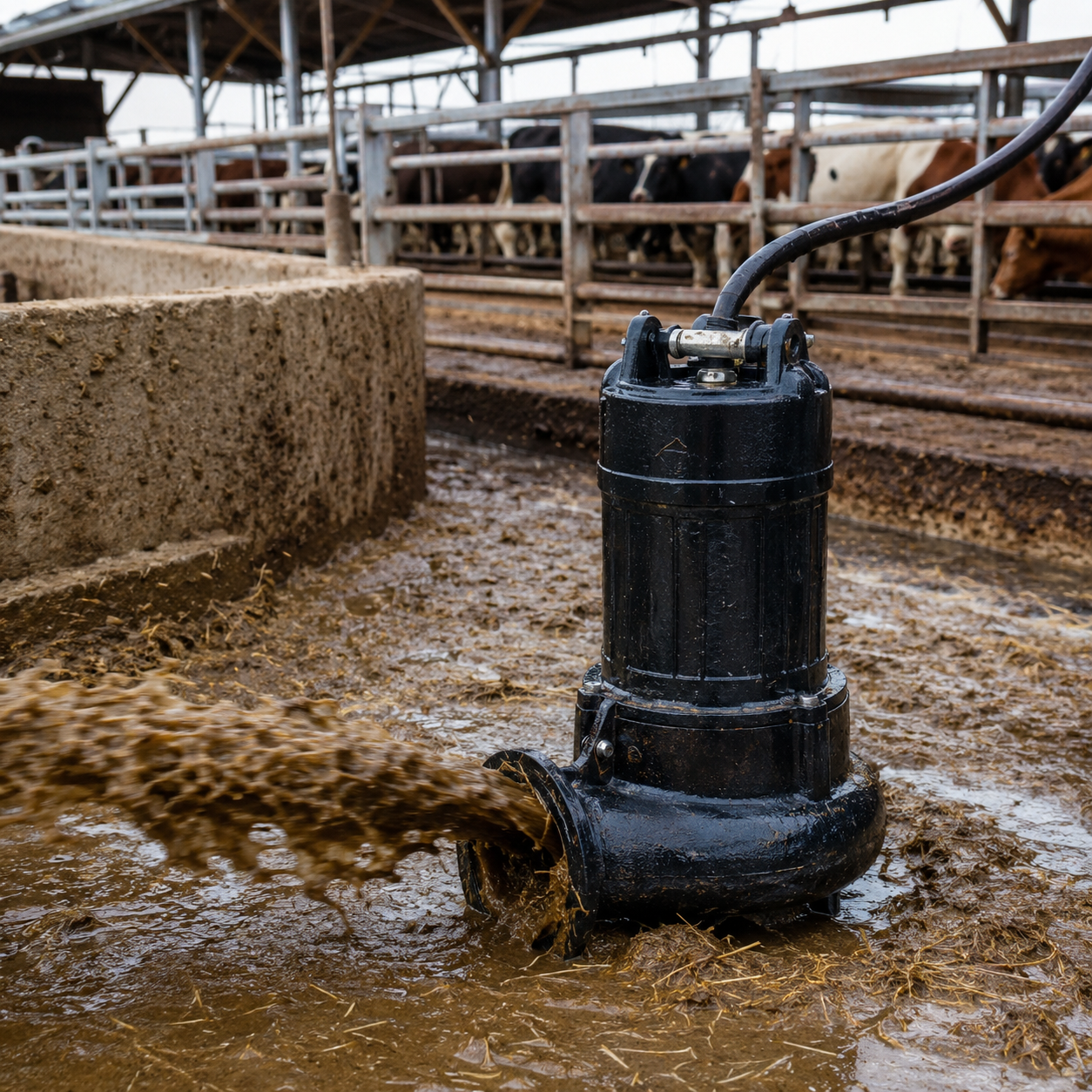
Straw, feed residue, manure, and other fibrous products are often found in animal waste systems. Cutter pumps break down these solids before they move them, which makes them good for moving manure, collecting wastewater, and draining farms.
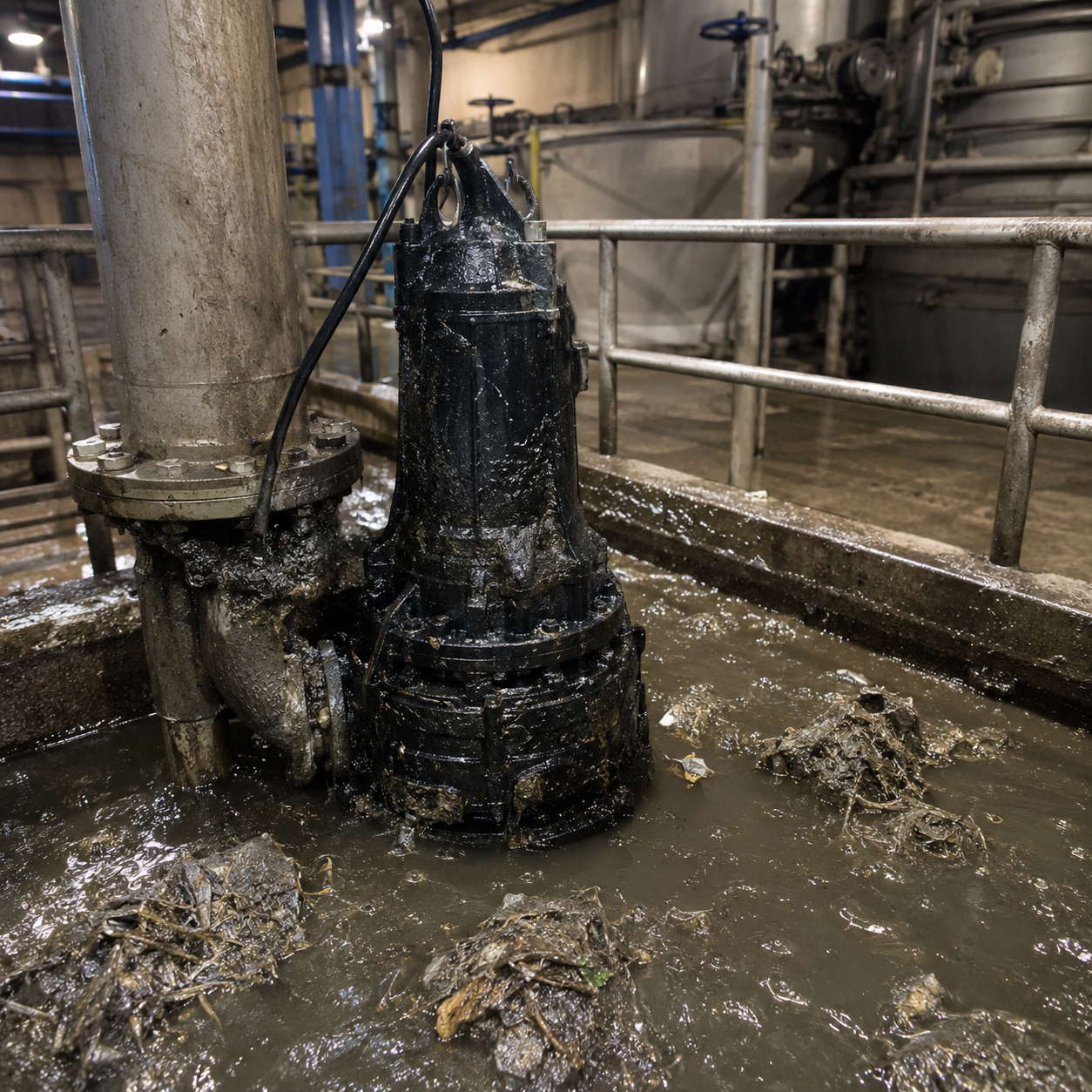
Wastewater from factories and processing plants often has solids, fibers, sludge, and industrial waste in it. Cutting-edge cutter pumps reliably break down solids and move wastewater, which helps the drainage system keep running smoothly.
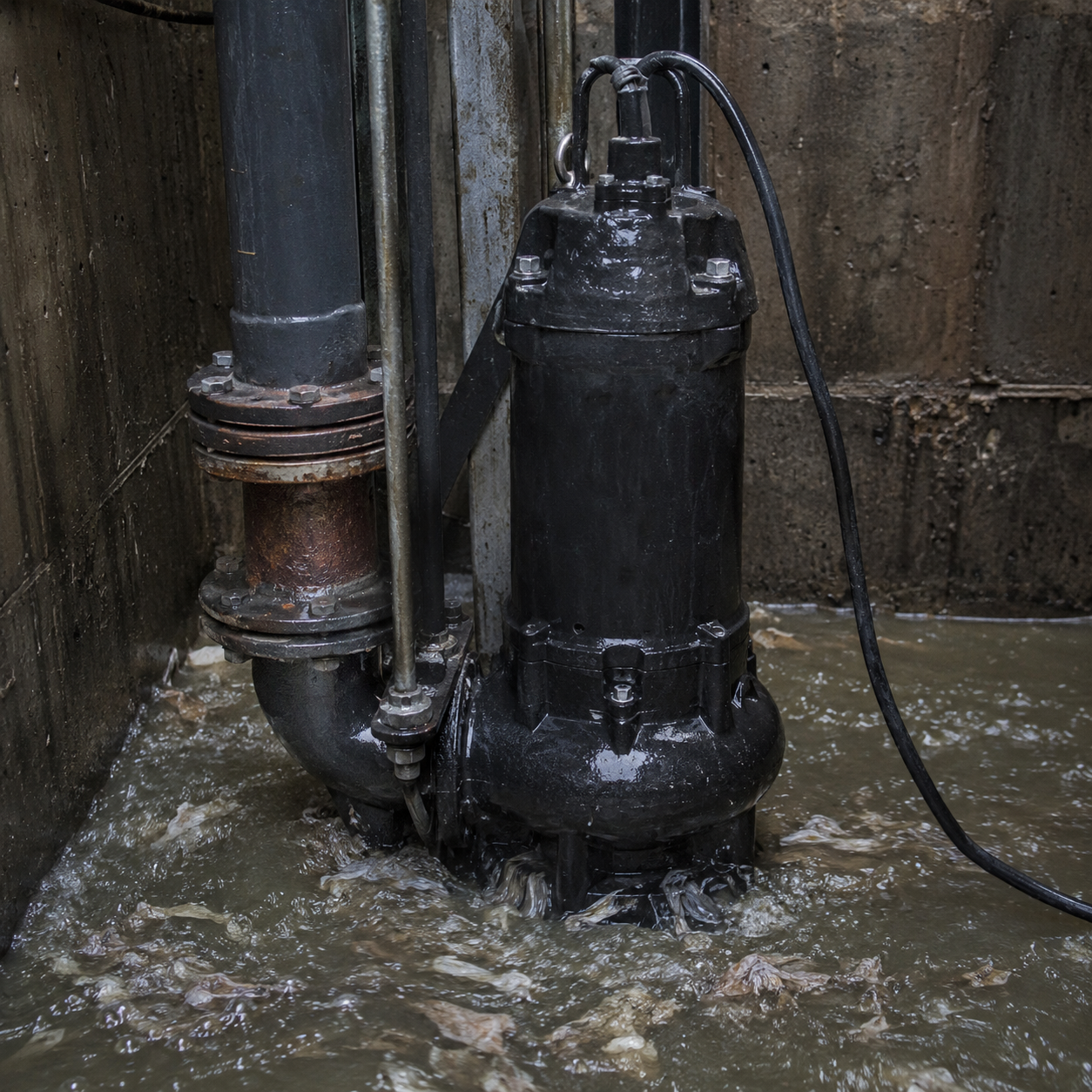
Cutter pumps are used to move raw sewage around during the collection and movement of wastewater. Their cutting action breaks up big solids and keeps equipment further down the line from getting clogged or having to be shut down.
Before pumping, cutting blades in a cutter pump break up solids, while grinding blades in a grinder pump break up trash into smaller pieces. When dealing with wastewater that has coarse materials and soft solids, cutter pumps are often the best choice.
Yes. If you build your cutter pump right, it can cut and move things like wet wipes, tissues, and other flexible things that tend to get stuck in regular sewage pumps.
A lot of cutting pumps can handle light to medium sludge that has fibers and solids in it. The appropriateness is based on the particle size, viscosity, and concentration of the sludge.
The exact size depends on the type of cutter and pump used. Before they pump, most cutting pumps are made to break up bigger solids into smaller pieces.
When dealing with garbage that has rags, wipes, fibers, or other stringy materials in it, a cutter pump usually works better and doesn’t get clogged as easily.
The suggested pipe size is based on the flow rate of the pump, the link for the discharge, and the distance of the pumping. If the pipe is too small, it can cause more friction loss and poorer performance. If the pipe is too big, it can slow down the flow. Depending on the job, most cutter pumps come with discharge lines that are between 2 and 6 inches long.
Yes. In sewer lift stations, cutter pumps are often used to remove solids and protect the pipes further downstream.
Yes. Cutter pumps make it easier for wastewater to move through long pipes and force mains by breaking up solids into smaller pieces.
The flow rate, head, solids content, and working conditions all affect the size of the motor. Common choices include small units for homes and large, powerful ones for businesses.
A cutter pump that is too big may use more energy than it needs to, and can make smaller sewer systems cycle too much. In some cases, the wrong size can also make the whole system less effective. Choosing a pump based on the real flow and head needs helps make sure that it works well and doesn’t cost too much.
Many industrial cutter pumps are made to work nonstop, as long as they are installed and sized properly.
Depending on the need, common materials include cast iron, ductile iron, stainless steel, and alloys that don’t break down easily.
Yes. Cutter pumps made of stainless steel are often used in places where chemicals can rust, like food processing plants, marine settings, and chemical wastewater systems.
Different models and uses have different discharge sizes, but for industrial systems, they are usually between 2 and 6 inches or even bigger.
Yes. Cutter pumps are made to handle hair, fibers, fabric pieces, and other things that can get wrapped around the impellers of regular pumps.
How often they need to be replaced depends on how many hours they are used, the type of trash, and how abrasive it is. Regular checks help cut as efficiently as possible.
Checking cutter wear, seals, bearings, oil chambers, and electrical parts as directed by the maker is generally part of routine maintenance.
Over time, abrasive bits like sand, grit, stones, and mineral solids can make cutter wear happen faster.
Yes. Cutter pumps are often used in septic systems to break down solids before moving the wastewater to another area.
Modern cutter pumps are made to balance how well they cut with how well they use hydraulics, which helps keep total costs down.
Voltages like 110V, 220V, 380V, 415V, 460V, and others that are made to fit different markets are common choices.
Yes. The power source, materials, cable length, discharge connections, control systems, and branding needs can all be changed by the manufacturer.
Yes. It is common for cutter pumps to be used outside for wastewater collection in places like lift stations, septic systems, farms, and city sewage networks. But electrical connections, control panels, and wires should be kept out of the weather so that the system works safely and reliably.
Under regular conditions, a good cutter pump should last between 8 and 15 years. With proper installation and regular maintenance, service life can often last longer than 10 years in residential and light business settings. If an industrial or municipal wastewater system is used all the time, its real lifespan relies on things like the amount of solids in the system, how often it is used, and how well it is maintained.
Yes. Some types of cutter pumps are made to work with high-head wastewater transfer and pressure sewer lines in particular.
How to Choose the Right Cutter Pump
.
First, look at four important factors: the flow rate, the pumping head, the solids that will be used, and the installation surroundings. If your wastewater has a lot of wipes, cloth, or other fibrous materials in it, you should choose a heavy-duty cutter pump with a more active cutting system. A high-head model is best for long discharge lengths or pressure sewer networks. Wear-resistant materials should be considered if the wastewater has rough bits like sand or grit in it. Choosing the right pump for the job can boost performance, lower costs, and increase the life of the equipment.