
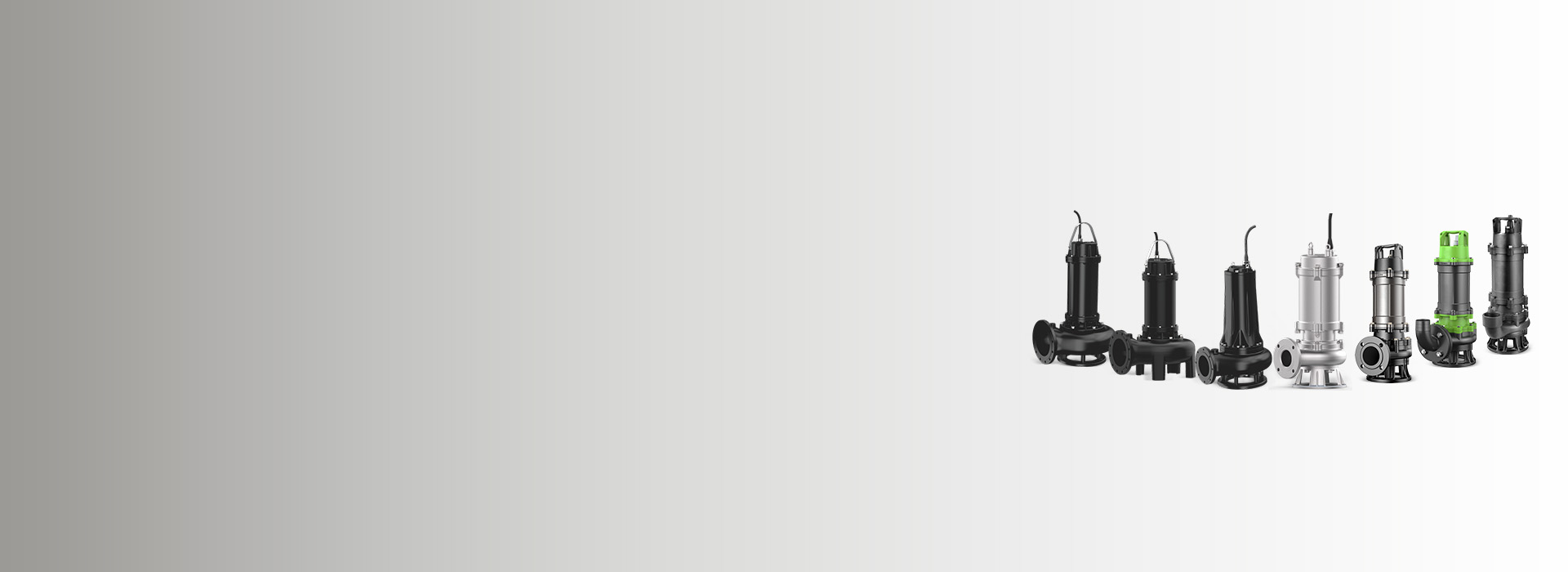
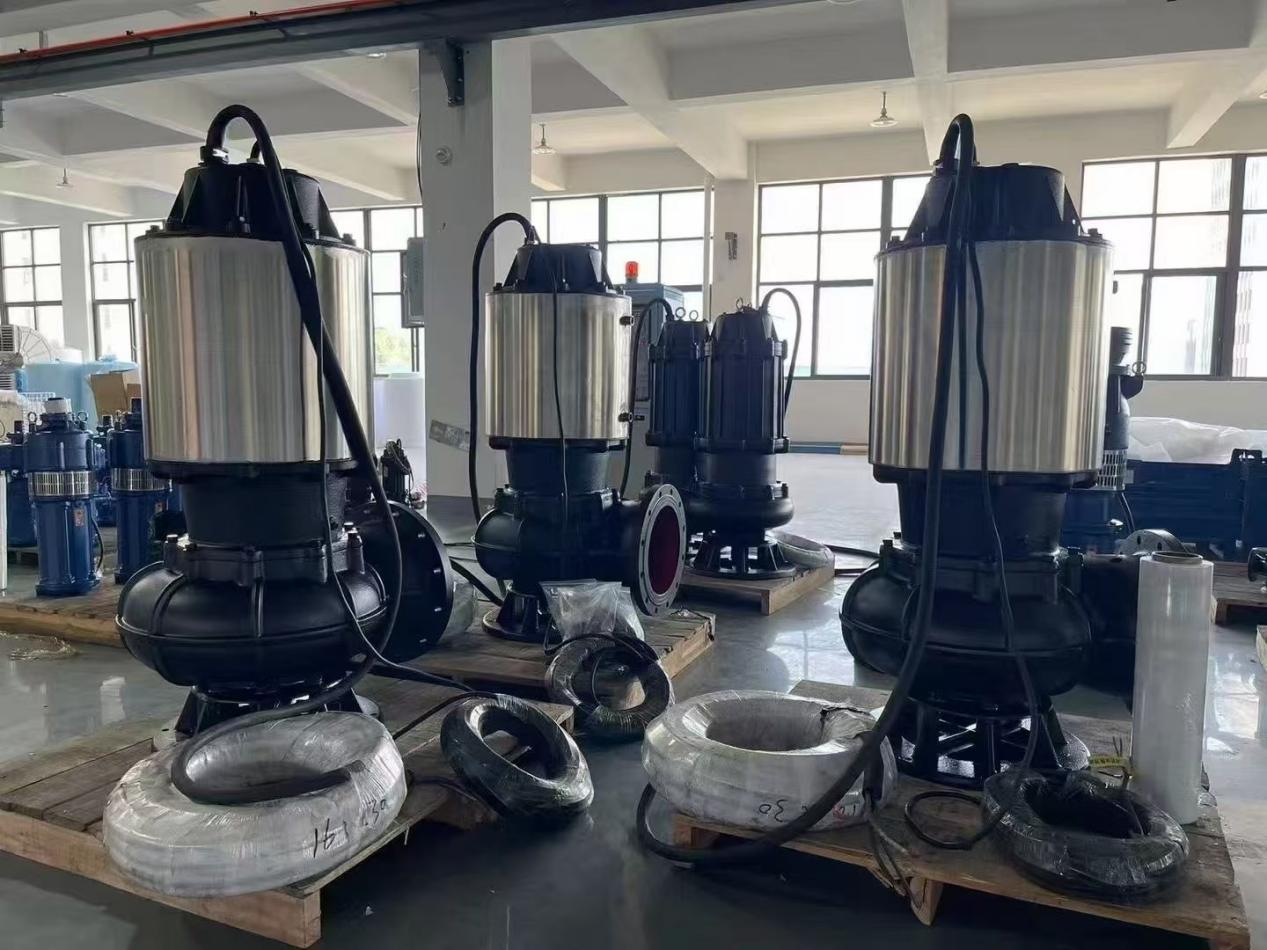
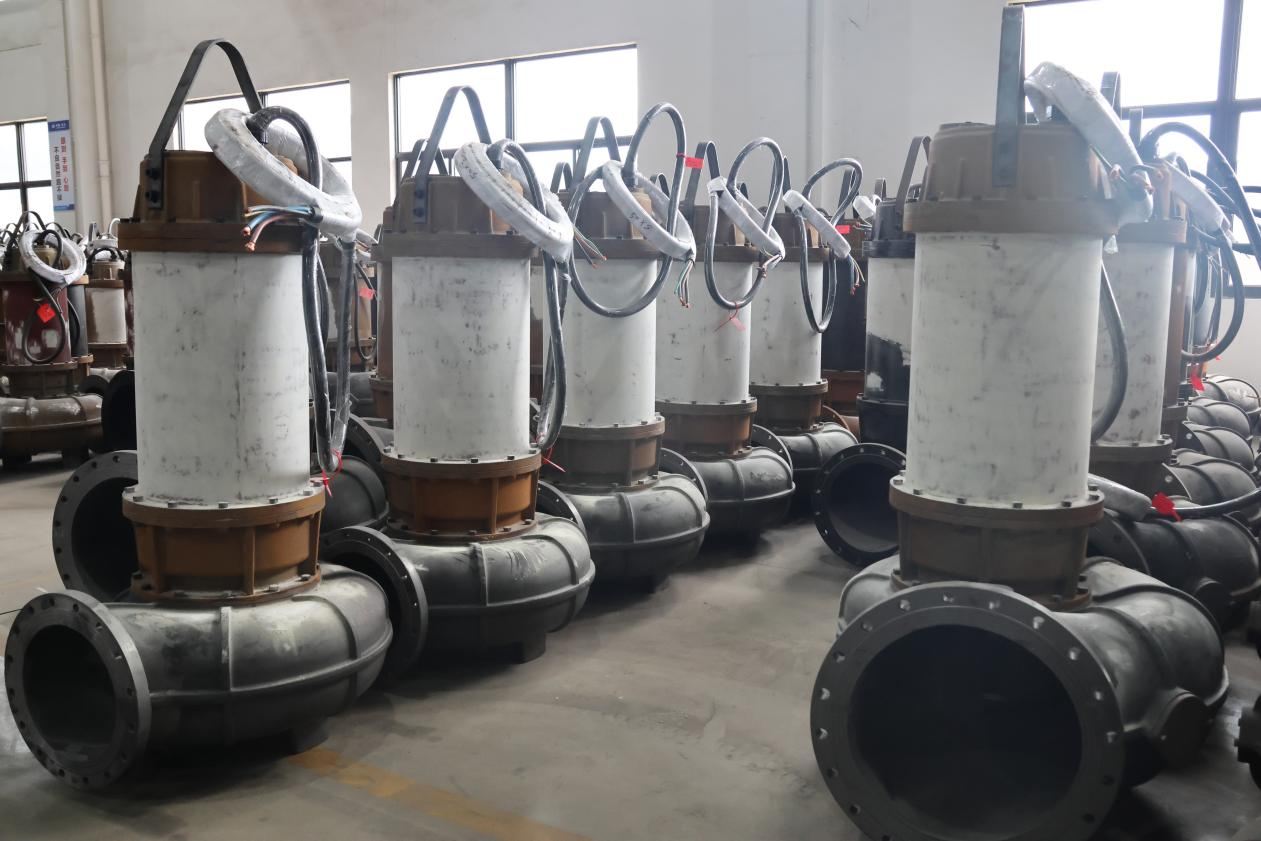
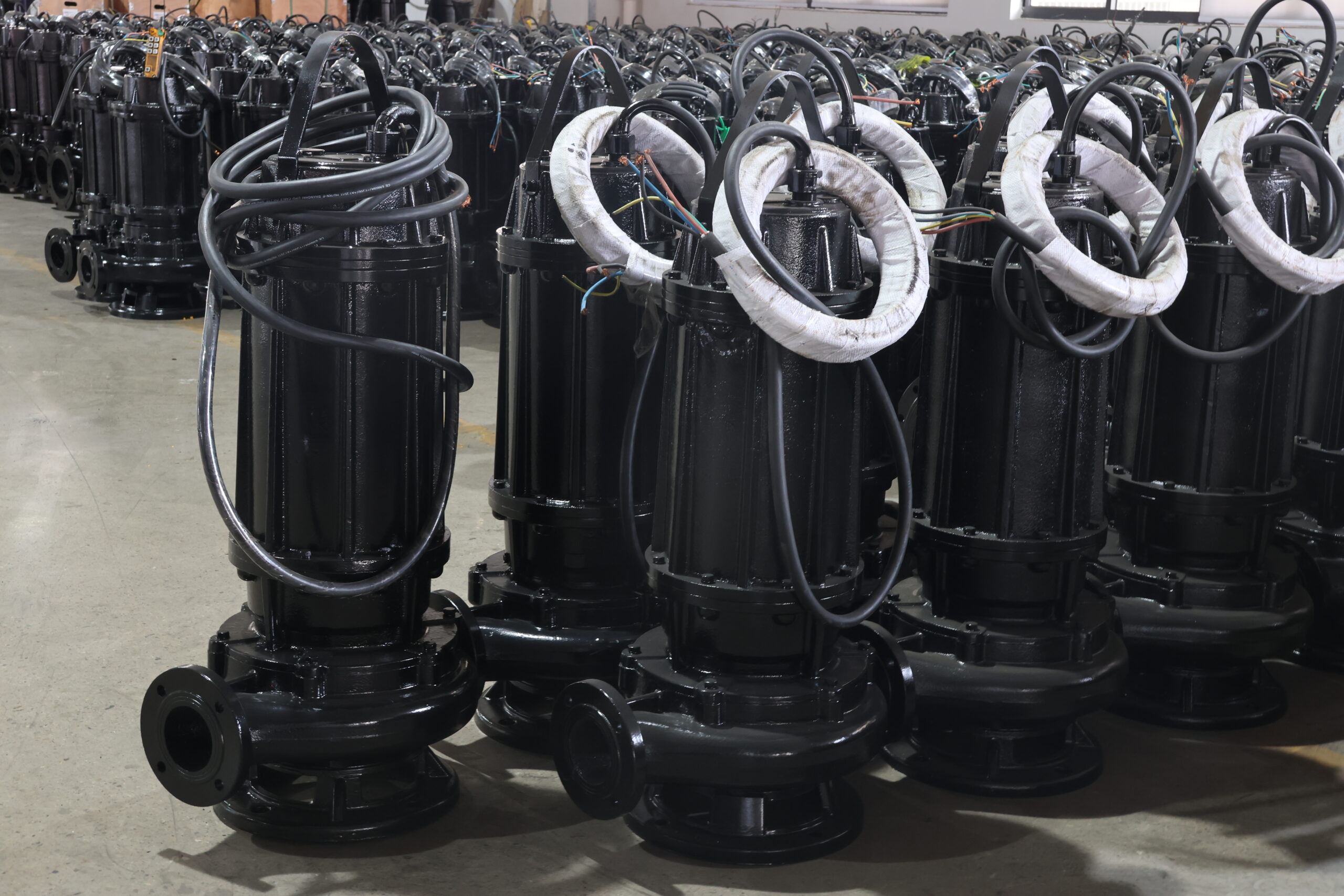
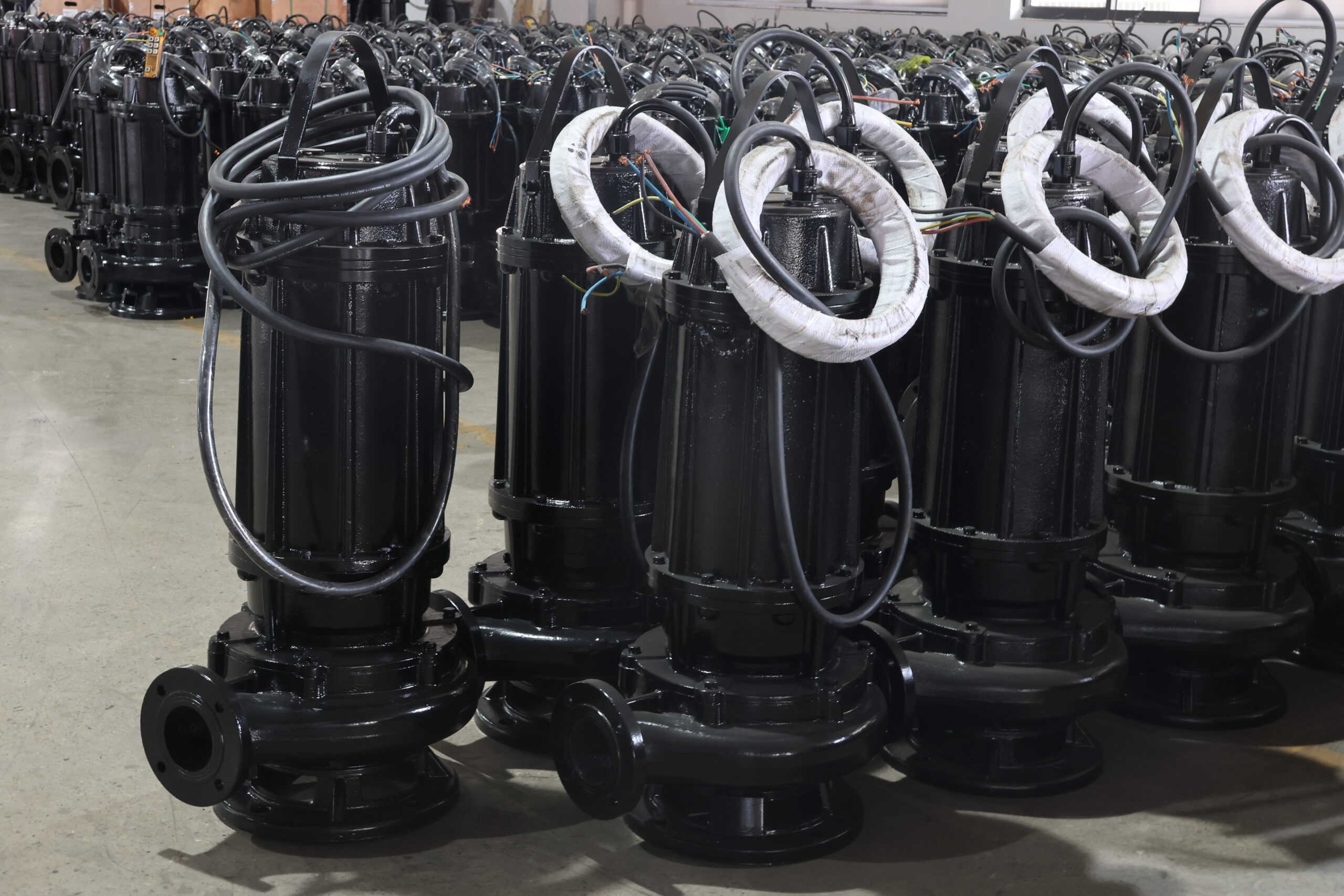
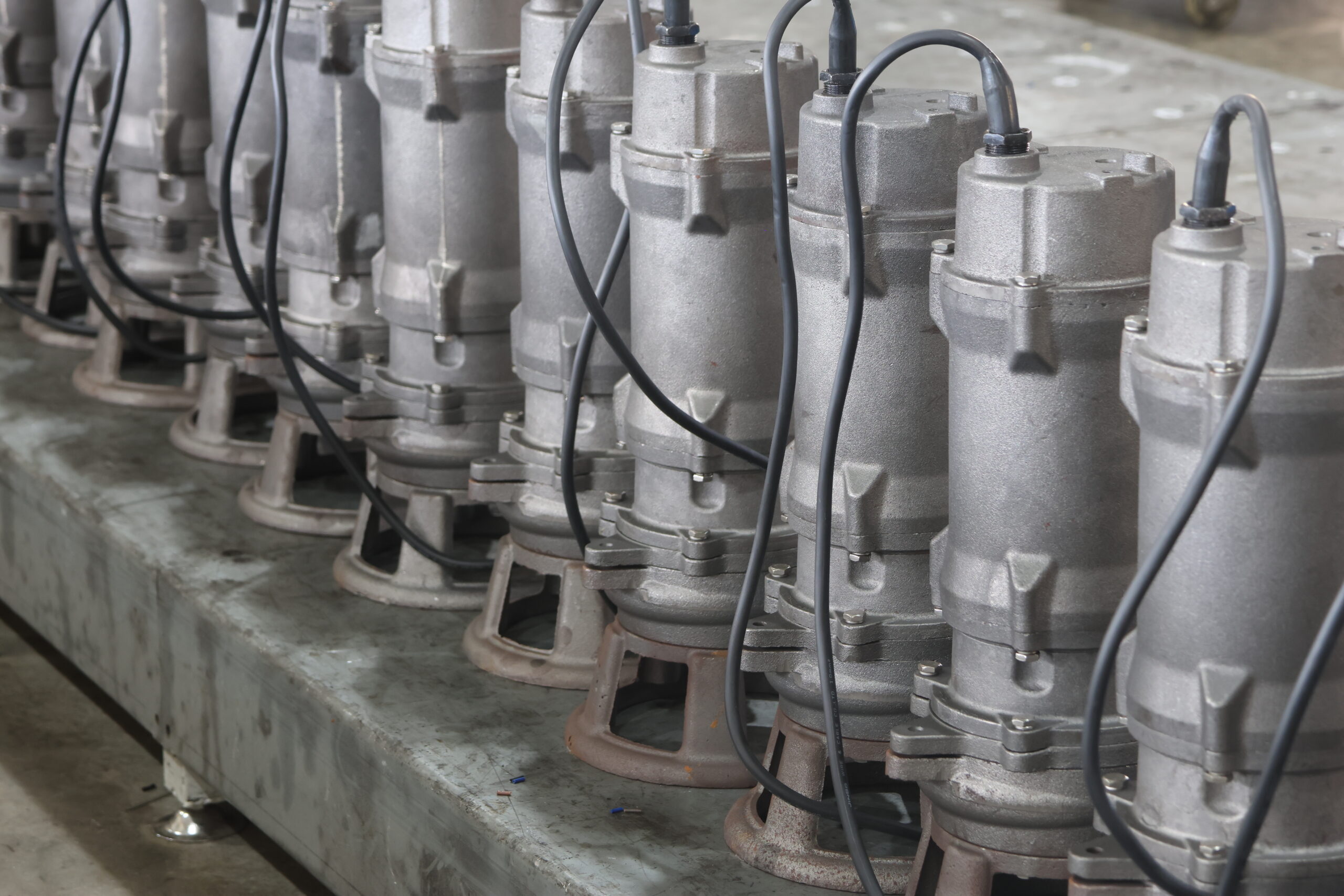
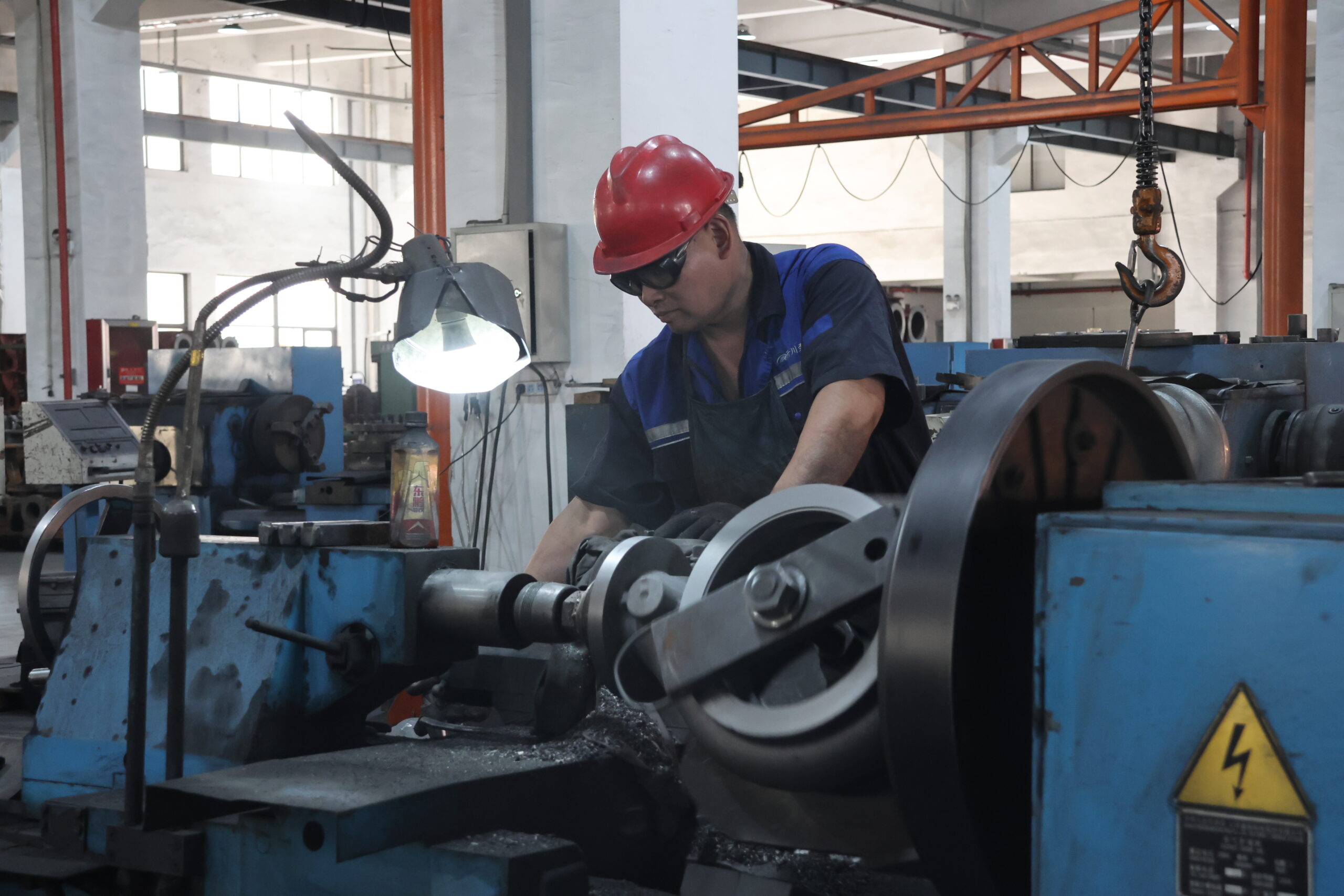
Your Reliable Ejector Sewage Pump Factory
- Moves Sewage Fast: Quickly and safely lifts wastewater from below-grade systems with direct Factory .
- Handles Tough Solids: Built to last and not clog when processing heavy waste.
- Runs Very Smoothly: Using a vortex impeller prevents jamming when pumping solid materials.
- True FactoryPrices: Direct-from-factory supply cuts out the middleman on high-capacity pumps.
- Heavy-Duty Cast Iron:Made from rugged cast iron to resist corrosion in demanding environments.
- Ready to Ship: Large factorywarehouse stock is prepared for fast delivery.
The High Cost of Cheap Ejector Sewage Pump
You might save money at first by buying a cheap ejector sewage pump, but it will quickly cost you more in repairs and downtime because it will clog up more often, work less reliably, and have a motor that doesn’t last as long. As a professional company that makes ejector sewage pumps, we offer heavy-duty cast iron pumps that are designed to handle solids reliably, release wastewater smoothly, and last for a long time in harsh conditions. With stable inventory, direct factory supply, and low prices, we help contractors and distributors find reliable sewage pumping options that will save them money in the long run.
Ejector Sewage Pumps by Design
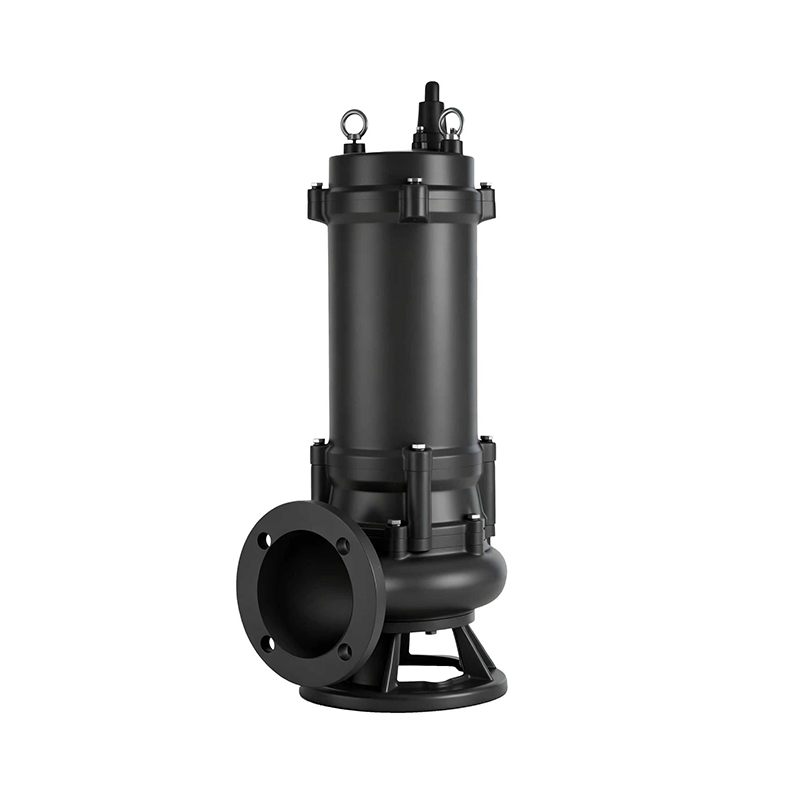
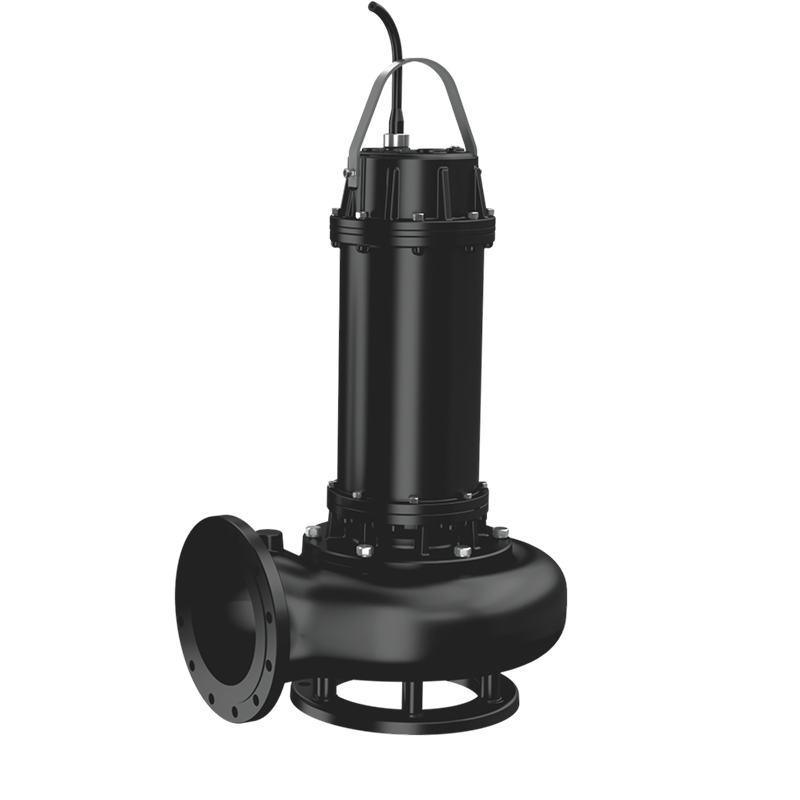 Vortex Impeller Pumps
When the impeller is depressed, it makes a whirlpool that moves the trash through without touching it directly. This completely stops messy jams.
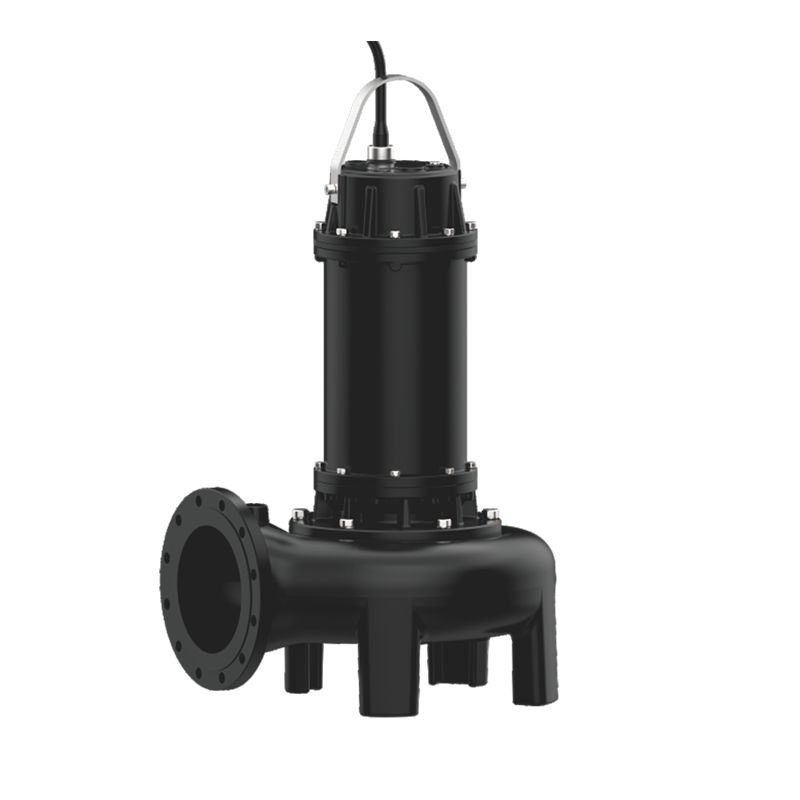
 Channel Impeller Pumps
A big, closed-off path inside the building moves and handles a lot of wastewater in one smooth cycle. Keep these on hand for business buyers who need to move a lot of data quickly.
 Solid Cast Iron Pumps
Cast iron bodies are strong, so there are no plastic parts that break when they are put under stress. This tough construction easily handles big sewage loads and keeps the motor cool.
Why Choose HunGerät Ejector Sewage Pumps
The thick cast iron housings quickly get rid of heat, which keeps the motor from stopping or getting too hot during high-demand pumping cycles.
Spacious vortex impellers let tough, large solid waste move easily through the casing without getting stuck.
Within the motor, deep mechanical seals and heavy-duty bolts keep it completely dry and stop electrical shorts from happening when the water pressure is high.
Built with standard NPT pipe threads, so it works with standard valves and fittings from any neighbourhood plumbing store.
We wind our own copper motors in-house, which makes sure that the core of the pump has long-lasting, stable power for use underwater all the time.
Takes the Beating for Your Drainage System
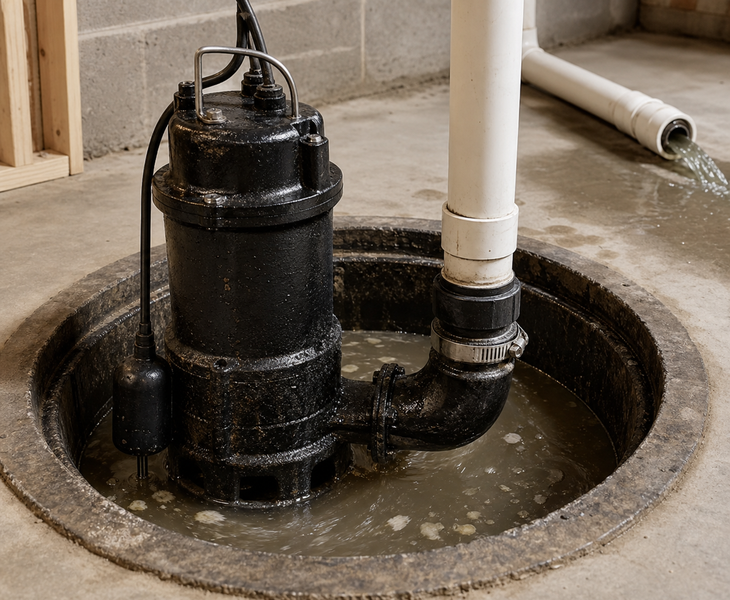
Our ejector sewage pumps are built to last and can easily handle solid trash. Their job is to get rid of thick debris, which keeps your main sewer lines clear and free-flowing until the final release.
Overcomes Poor Gravity Lines
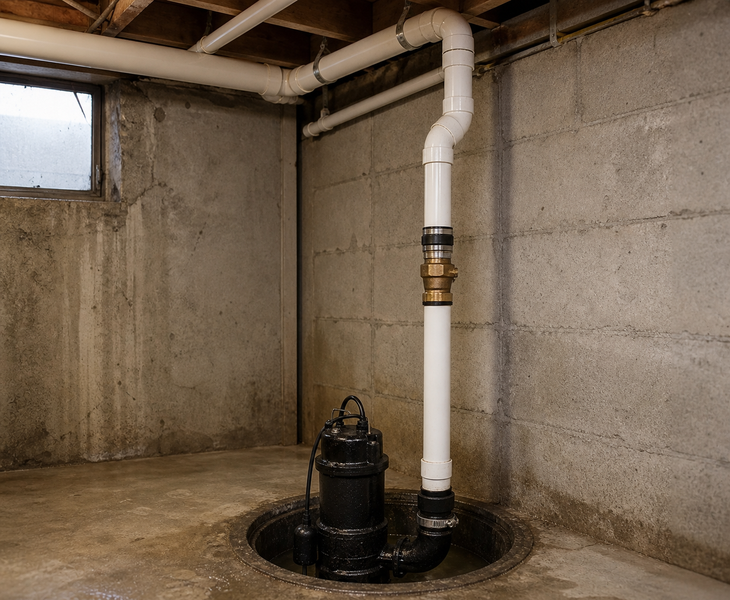
Our heavy sewage ejectors have a strong motor that forces heavy liquids up a straight pipe. This easily fills in the height difference from your basement plumbing, pushing trash up into the city’s gravity line.
Keeps the Motor Core Cool
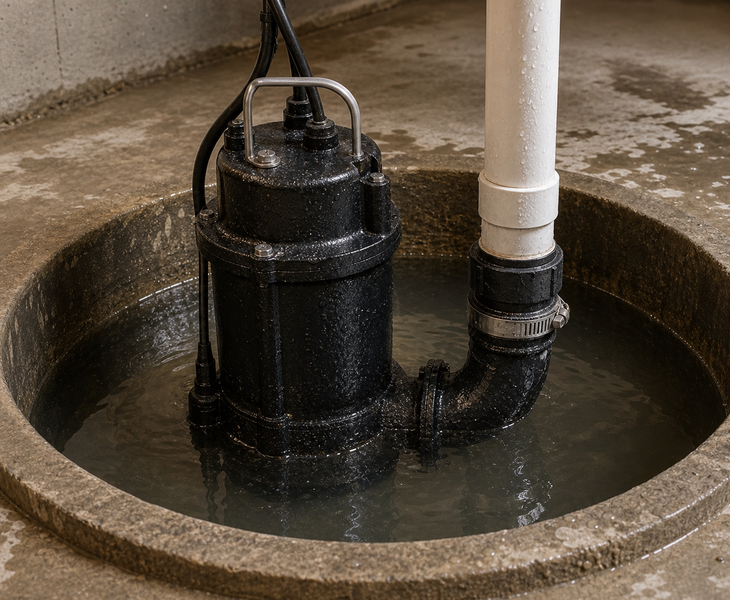
The motors for our pumps are housed in a solid cast iron shell that is meant to be fully buried in the basin. This successfully sends the motor’s heat right out into the wastewater, keeping it cool and greatly extending its useful life during heavy daily pumping cycles.
Fast and Simple Installation
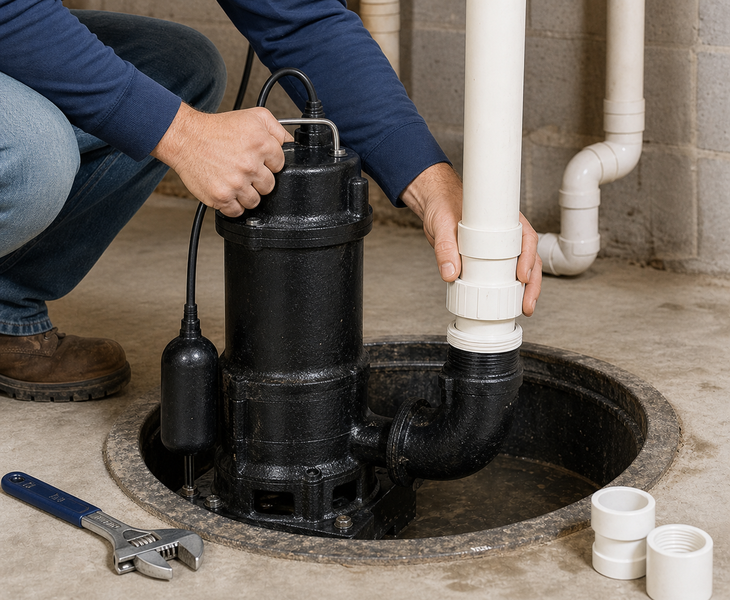
Our cast iron pumps come with standard output ports and stable mounting bases that make them easy to install. It’s easy for a plumber to line up the pump with the right pipe size and tighten standard connections, which will get your system up and running much faster.
Uses Easily Replaceable Switches
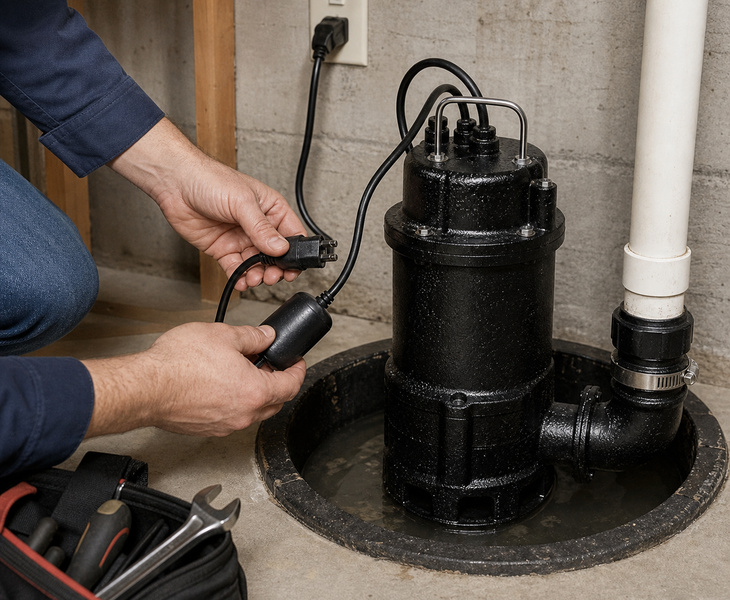
Our pumps come with standard piggyback float plugs that make servicing easy. If you need to replace a float switch, all you have to do is unplug the heavy-duty pump and plug in a new one. This way, you can keep it running without having to replace the whole unit.
Your Reliable Factory for Heavy-Duty Ejector Sewage Pumps

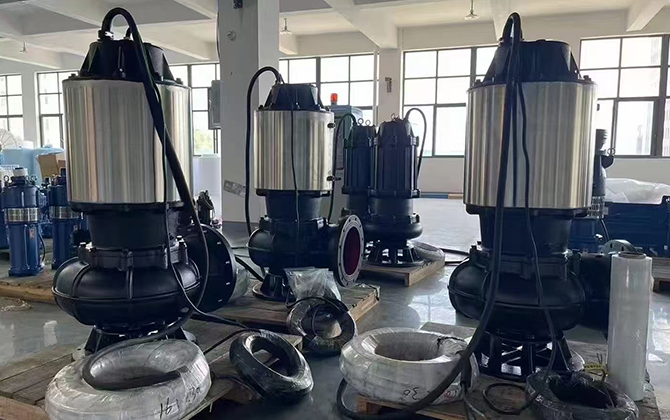
To keep your profits high and keep people from sending things back, you need equipment that just works. Cast iron is used to make our pumps, and we wind our own copper motors right on the shop floor. When you sell our pumps, you give your customers a commercial-grade unit that is guaranteed to move solids up to 2 inches without getting clogged.
When you buy from us directly, you skip the middlemen and get the price flexibility you need to make a profit. Standard NPT threads on our pumps make installation easy, and we keep pallets filled so they are ready to load into a container right now. You get a solid inventory, prices straight from the factory, and no problems after the sale.
Ejector Sewage Pump Application Areas
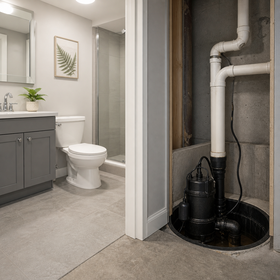
Get around problems caused by gravity in repairs that are below grade. Our ejector sewage pumps firmly move raw sewage up to the main sewer line. This lets you turn basements that aren’t useful into bathrooms without having to do a lot of plumbing work.
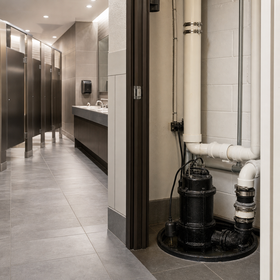
Stop expensive plumbing problems from happening in shops and restaurants. Our advanced vortex impellers allow our pumps to repeatedly handle thick toilet paper and tough solids, ensuring that high-use public facilities have reliable drainage with no downtime or clogs.
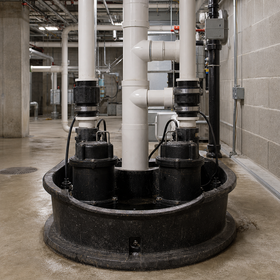
Easily handle huge amounts of garbage every day with industrial-level dependability. Our heavy-duty cast iron pumps quickly move hundreds of gallons of raw sewage from lower collection pits to higher levels. This keeps the basins at the right level of capacity and makes sure that large apartment complexes can keep running smoothly.
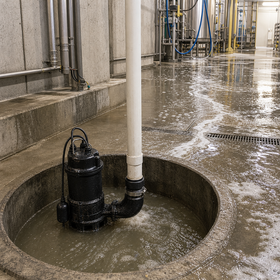
In order to stay in compliance, keep your factory floor running. Our pumps quickly remove dense, debris-filled washdown runoff, flushing industrial wastewater into the city sewer system. They are designed to be buried in deep concrete sumps.
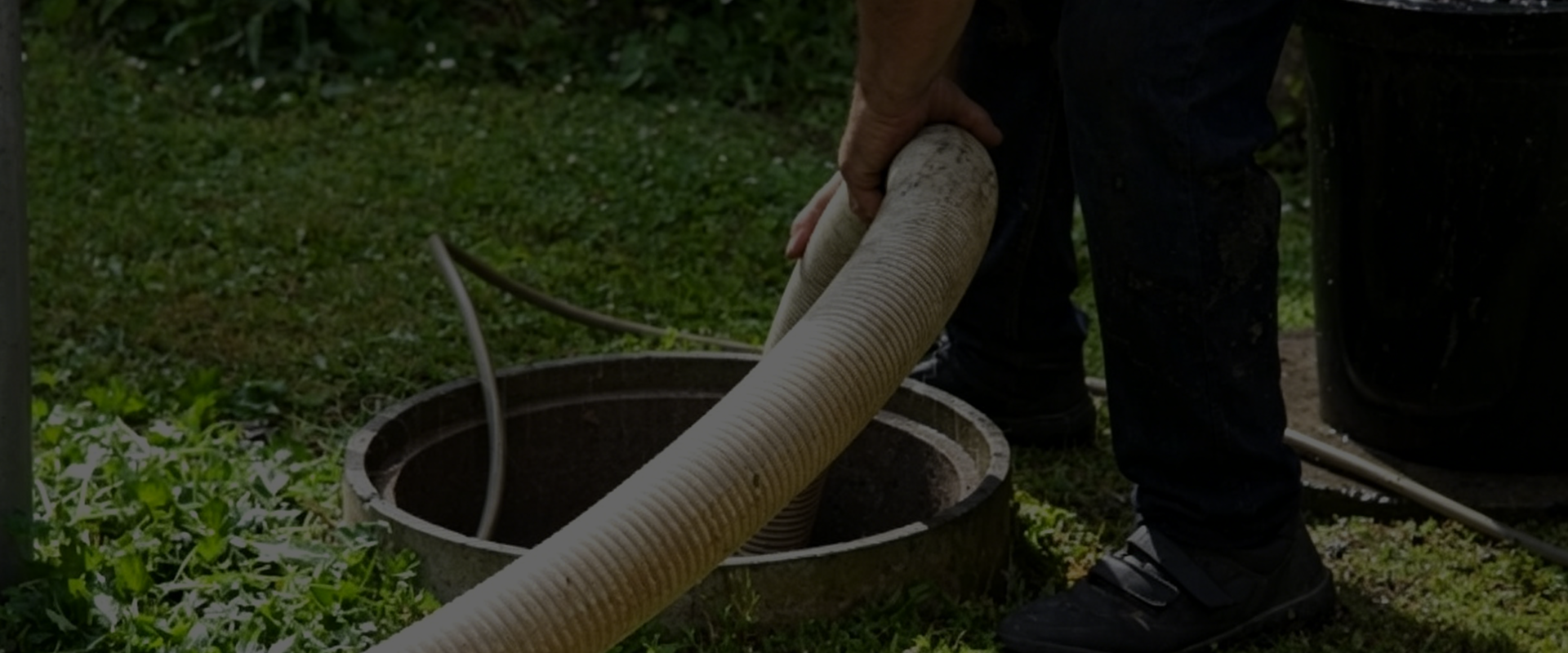
How to Pick the Right Ejector Sewage Pump for Your System
If you choose the wrong ejector sewage pump, you will not only waste money, but it can also ruin your plumbing system. When you install an oversized, high-capacity pump in a narrow residential basin, the system will short-cycle rapidly and burn out the motor in the middle of a pumping phase. But if you try to push heavy wastewater up a high vertical lift with a weak, underpowered plastic pump, the motor will vibrate heavily and hum against the water pressure. This dangerous strain will degrade the pump’s internal seals and over time could even blow out your expensive check valves and piping.
Before you can choose the right pump, you need to figure out how far and high the wastewater has to travel to get to the main sewer. This tells you what size motor you need: For a typical house basement, 1/2 HP is enough. For business sites, however, 3/4 HP or more is needed. Second, make sure that the pump fits the diameter of the pipe you already have and can handle standard 2-inch solid trash. Aside from that, you need to make sure the speed of the pump works with the pit. If you put a very strong pump in a small hole, it will move too quickly and damage the motor. Lastly, make sure you know what kind of system you have. For normal, short-distance gravity sewer lines, use an ejector pump. For long-distance trash or high-pressure city mains, use a grinder pump.
A sump pump is designed exclusively to remove clear groundwater to prevent basement flooding. An ejector sewage pump is engineered to handle raw wastewater, toilet paper, and solid human waste, lifting it from below-grade plumbing fixtures into the main sewer line.
With a vortex or channel impeller, ejector pumps can move solids without breaking them up. They work best for short vertical pulls to a gravity sewer main. When moving sewage over long distances or into high-pressure city force mains, grinder pumps are needed. They have a cutting mechanism that breaks down waste into a fine slurry.
Professional-grade ejector pumps for homes or businesses must be able to handle solids up to 2 inches in diameter without getting clogged in order to meet plumbing rules.
The horsepower size is based on the Total Dynamic Head (TDH), which is made up of the static head (the height of the pump) and the friction loss from the pipes that carry the water away. A half-horsepower pump is enough for most normal home basements. Motors that are 3/4 HP to 2 HP are usually needed for commercial uses or high-lift situations.
Yes. Sewage ejector basins must be released outside in order to follow building codes. This keeps dangerous, flammable sewer gases from building up and evens out the pressure so the pump can work well.
The wastewater in the vertical outflow pipe doesn’t flow back into the basin after the pump is turned off because of a check valve. The pump would short-cycle if it didn’t have it, pumping the same water over and over again and quickly wearing out the motor.
The check valve needs to be put on the vertical outflow pipe, which is usually just above the sealed basin cover and below the main shut-off (isolation) valve so that it is easy to do maintenance.
It’s called “water hammer.” If a normal flapper-style check valve slams shut because of the weight of the moving water column, this can happen. If you replace it with a “silent check valve” that is loaded with springs, this structural effect goes away.
No. Groundwater sump pits are often not covered and have holes in them. To keep smells, biohazards, and sewer gases inside, sewage ejector pumps need to be put in a special basin that is gas-tight and completely shut.
A duplex system has two pumps in one basin, and an alternate panel controls them. For commercial buildings, multifamily housing, or heavy industry use, it is necessary to have fail-safe backups and be able to handle large amounts of wastewater.
A motor that buzzes usually means that the impeller is stuck (often because of foreign items like mop strings or hard plastics), the volute has a vapour lock, or the starting capacitor has failed.
A piggyback switch has a plug with two prongs and a socket on the back. The pump cord goes right into the back of the float switch plug, which is plugged into the wall. This lets technicians change a broken switch without having to cut wires or repair the whole pump.
Yes. Heavy-duty cast iron is much better at keeping structures stable and transferring heat away from the structure. Cast iron that is submerged moves the heat from the motor straight into the wastewater around it. This makes the internal electrical wiring last longer.
To safely accommodate the 2-inch solids passed by the pump, building codes generally require a minimum discharge pipe diameter of 2 inches. Commercial systems may require 3-inch or 4-inch piping.
It’s not a good idea. Drain-clearing chemicals that are very acidic can damage the rubber seals, gaskets, and cast-iron parts inside the pump case, which can cause leaks and the motor to stop working.
If the pump keeps running all the time, either the float switch is stuck in the “on” position (often because it’s tangled or stuck against the basin wall) or the discharge pipe is badly blocked, which stops the water level from falling.
A good cast iron ejector pump should last between 7 and 10 years if it is the right size and only deals with normal household garbage. Commercial units are used more often and need to be maintained more often.
To be safe, turn off all power sources. The pump needs to be taken out of the basin, detached from the discharge pipe, and checked by hand. After that, the blockage can be taken out of either the bottom entry or the volute housing.
Yes. If plumbing is below the entrance to the septic tank, an ejector pump is used to move the raw sewage into the normal gravity line that feeds the septic system.
When air gets stuck inside the pump case and stops the impeller from moving water, this is called vapour lock. This doesn’t happen because a small (3/16-inch) “weep hole” is drilled in the output pipe below the check valve line to let air that is trapped escape.
Yes. Checking the float switch for grease buildup, checking the check valve, making sure the basin is free of things that can’t be flushed, and making sure the electrical connections stay watertight should all be part of the yearly maintenance.
It is common in North America to use National Pipe Taper (NPT). Standard thread adapters are easy to find at business plumbing suppliers for installations that use British Standard Pipe (BSP) or metric PVC measurements.
Professional-grade cast-iron pumps have safety features that stop them from overheating. If the motor gets too hot because of a jam or running without any load, the sensor will cut the power to keep the copper windings inside from melting. The sensor will then reset itself when the core temperature drops.
Liquid temperatures in standard sewer pumps can range from 104°F (40°C) to 130°F (54°C). For places where boiling water is used for cleaning in factories, you need a special high-temperature pump with better seals and heat-resistant cables.
The basin needs to be at least 18 inches in diameter so that the float switch can move up and down without hitting the walls of the basin or the pump. This makes sure that the automatic operation works well.