

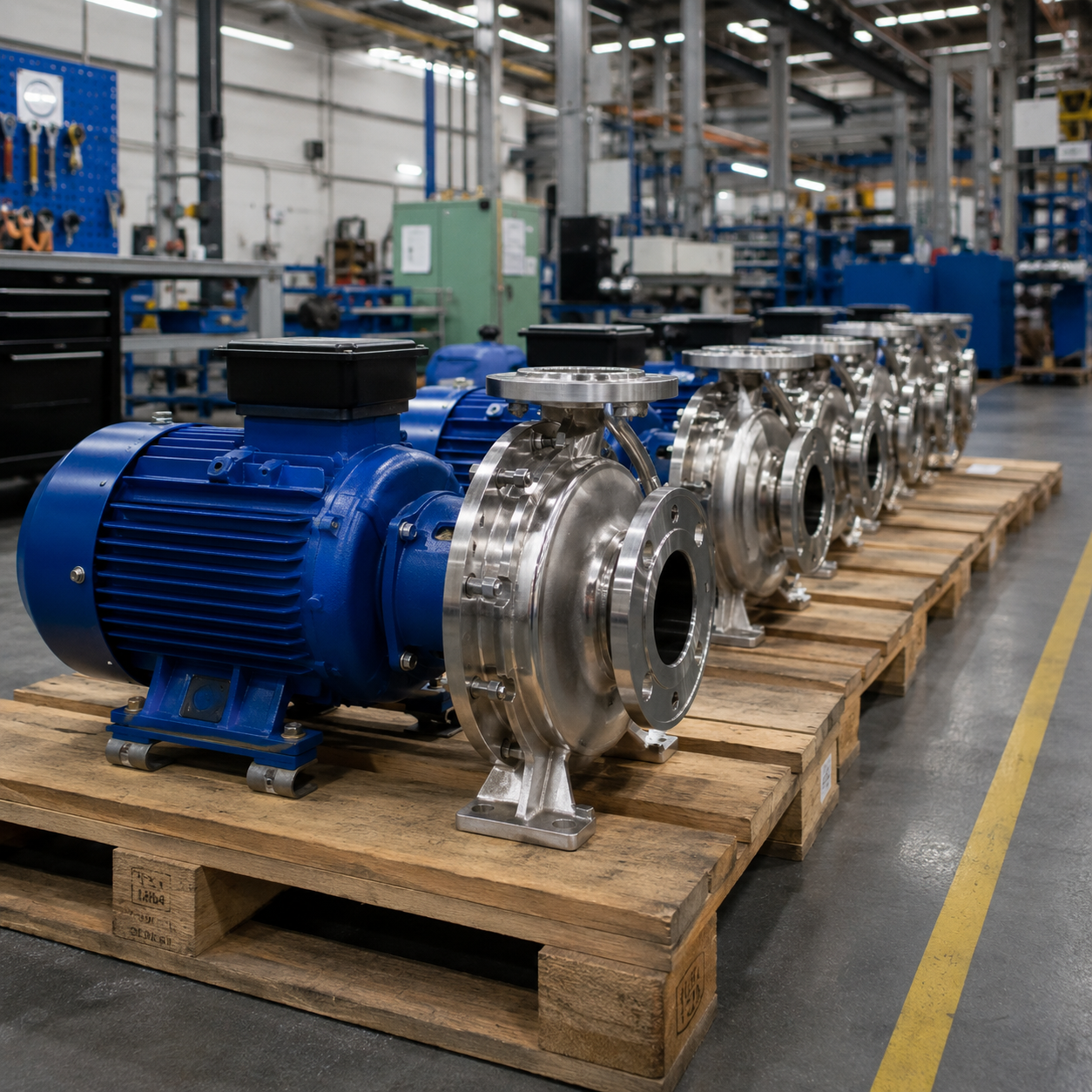
Stainless Steel Centrifugal Pump Product Highlights
- High Efficiency Design: A smooth hydraulic system helps keep energy from being lost.
- Low Noise Operation: A stable rotation helps lower noise and shaking at work.
- Full Stainless Steel Shaft: Stronger shaft structure improves corrosion resistance.
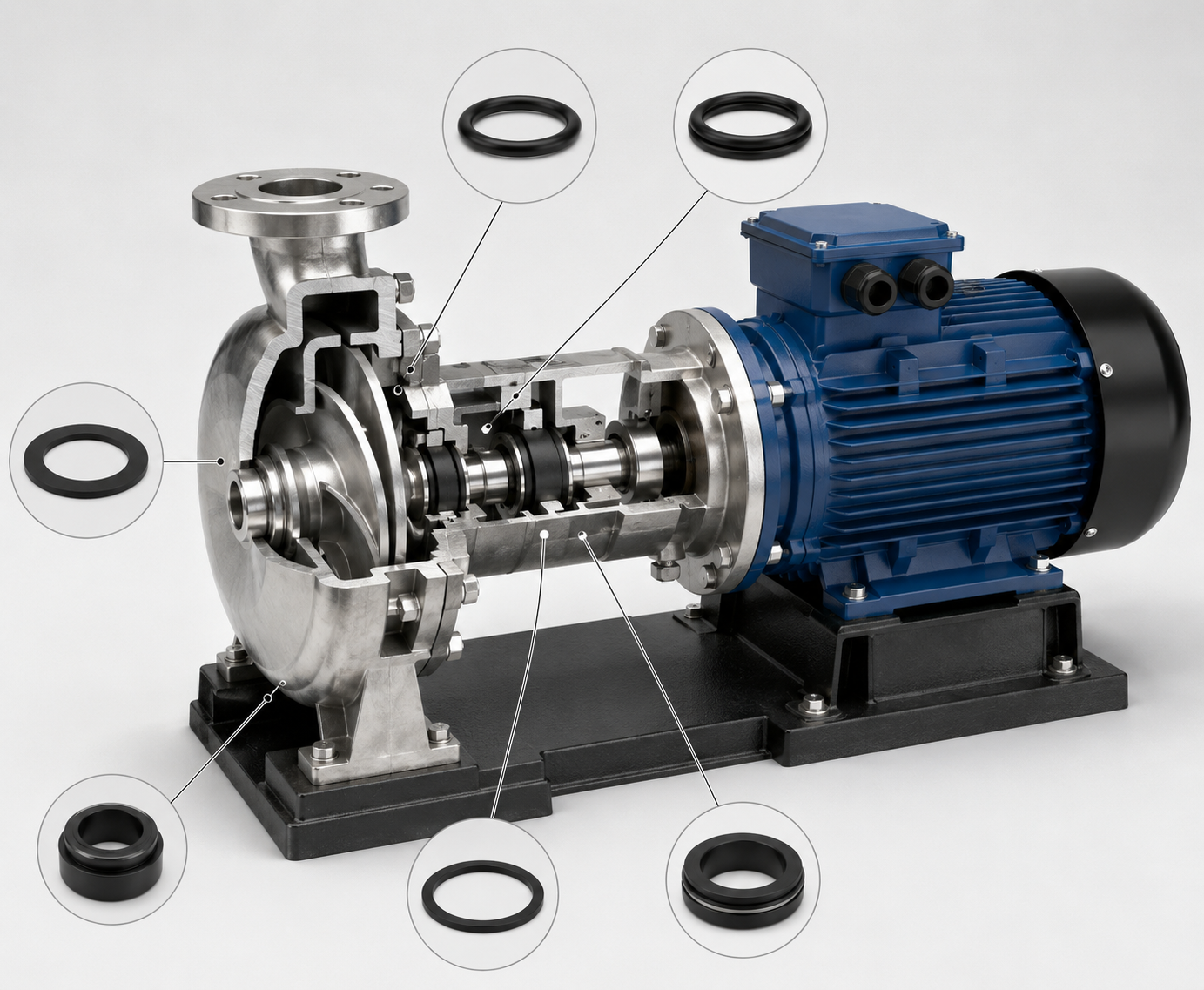
- Standard EPDM Rubber Parts: These seal better for devices that use clean water.
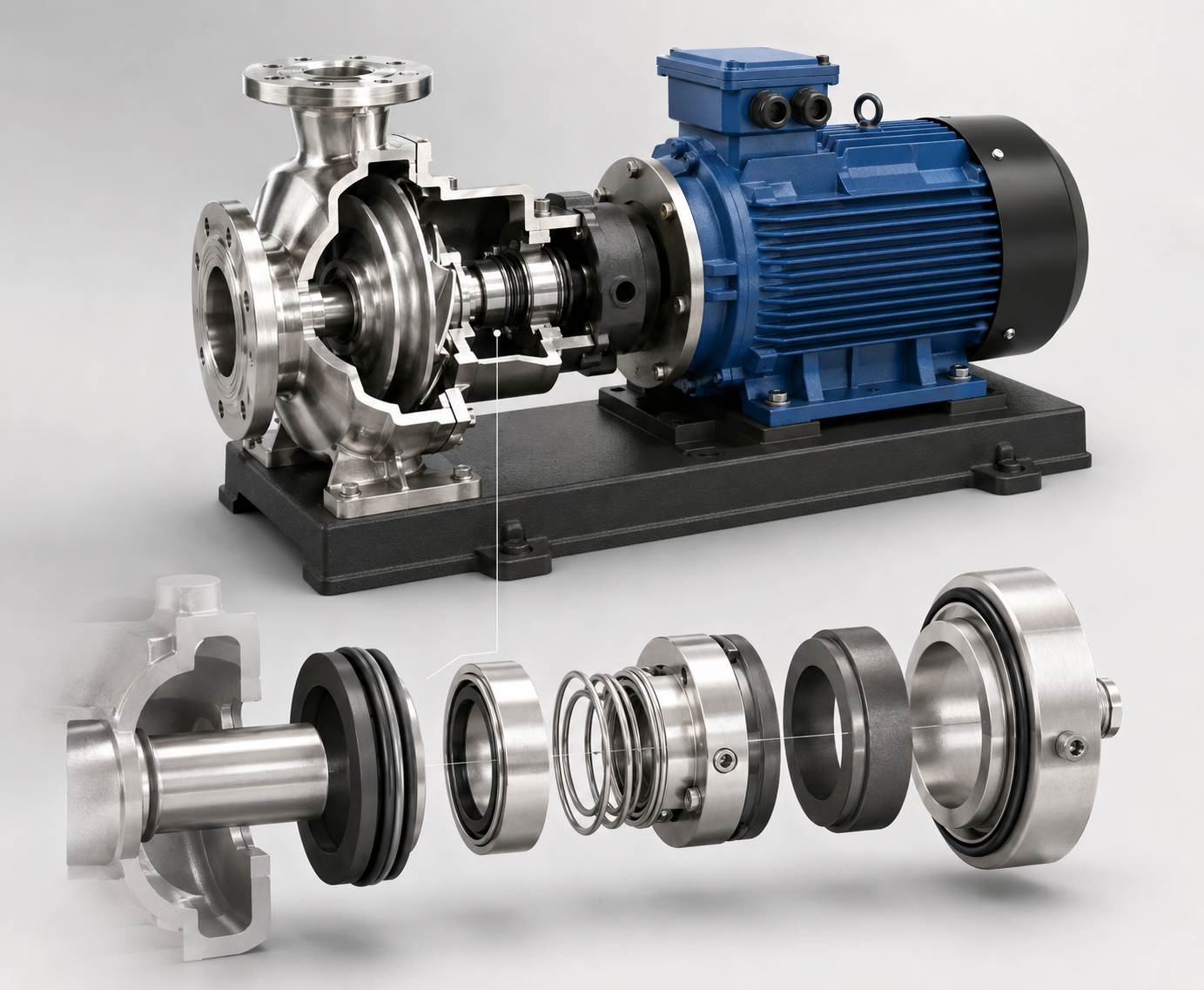
- Alloy / Graphite Mechanical Seal: Helps stop leaks and make things last longer.
- Custom Seal Options: Mechanical seals can be customized by different liquid.
Stainless Steel Centrifugal Pump Manufacturer
HunGerät stainless steel centrifugal pumps are made for applications that need a pump that won’t rust, cleaner water contact, and lasts longer than regular cast iron pumps. The water-contact structure made of stainless steel helps prevent rust, keeps the flow path clean, and makes the pump better for moving clean water, treated water, and light-duty liquids.
As a stainless steel centrifugal pump manufacturer, HunGerät can handle factory-direct orders, large quantities, OEM modification, and one-stop pump sourcing. With us, you can pick from a range of options for flow, head, motor, voltage, material grade, and seal. This makes it easier to handle your sourcing and helps you make a more complete line of stainless steel centrifugal pumps.
Why Choose HunGerät as Your Stainless Steel Centrifugal Pump Factory
HunGerät has 25 years of expertise in the pump industry and knows how to produce pumps with steady quality and practical performance. From product design to production control, we focus on clear standards, consistent workmanship and trustworthy factory output, letting you source stainless steel centrifugal pumps with more confidence.
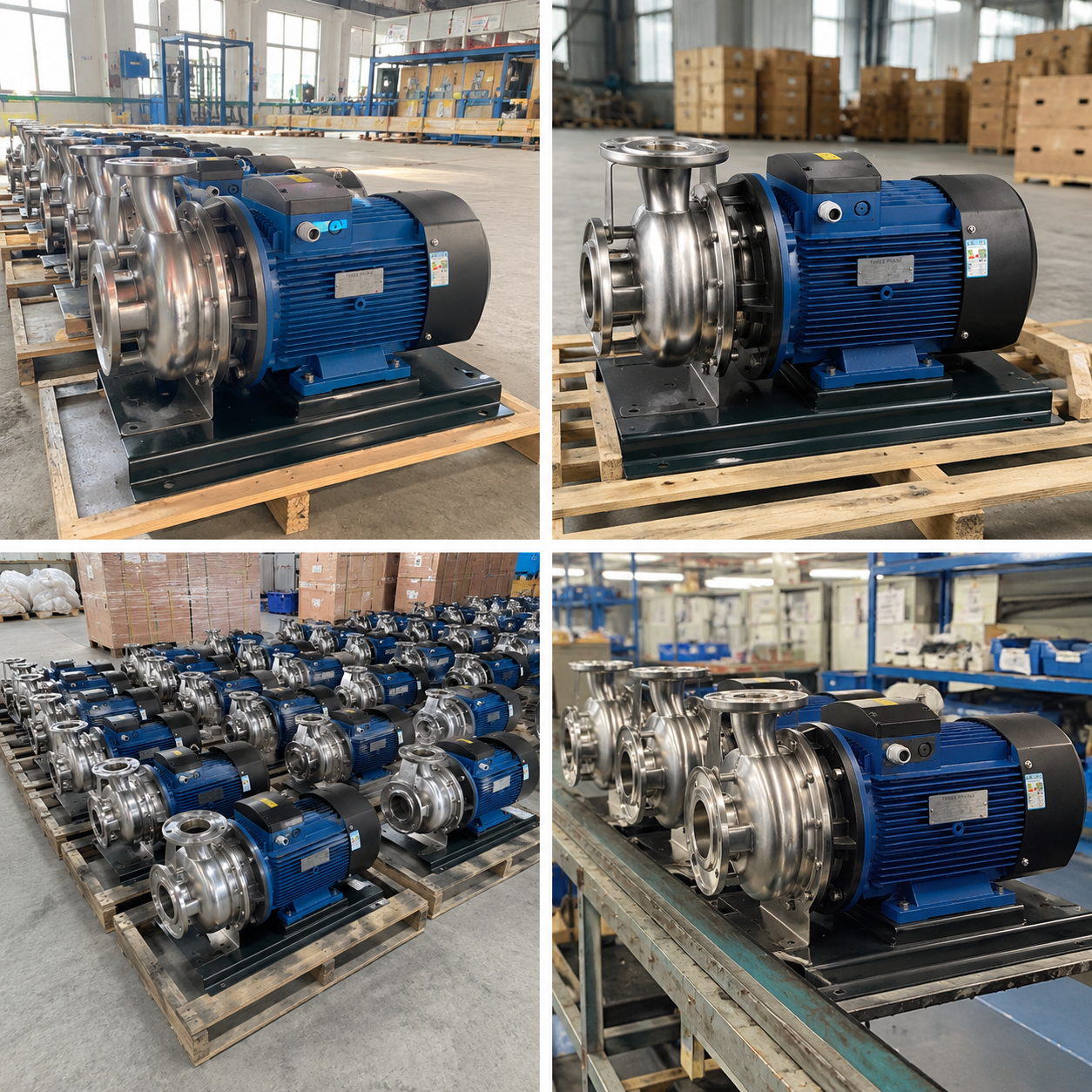
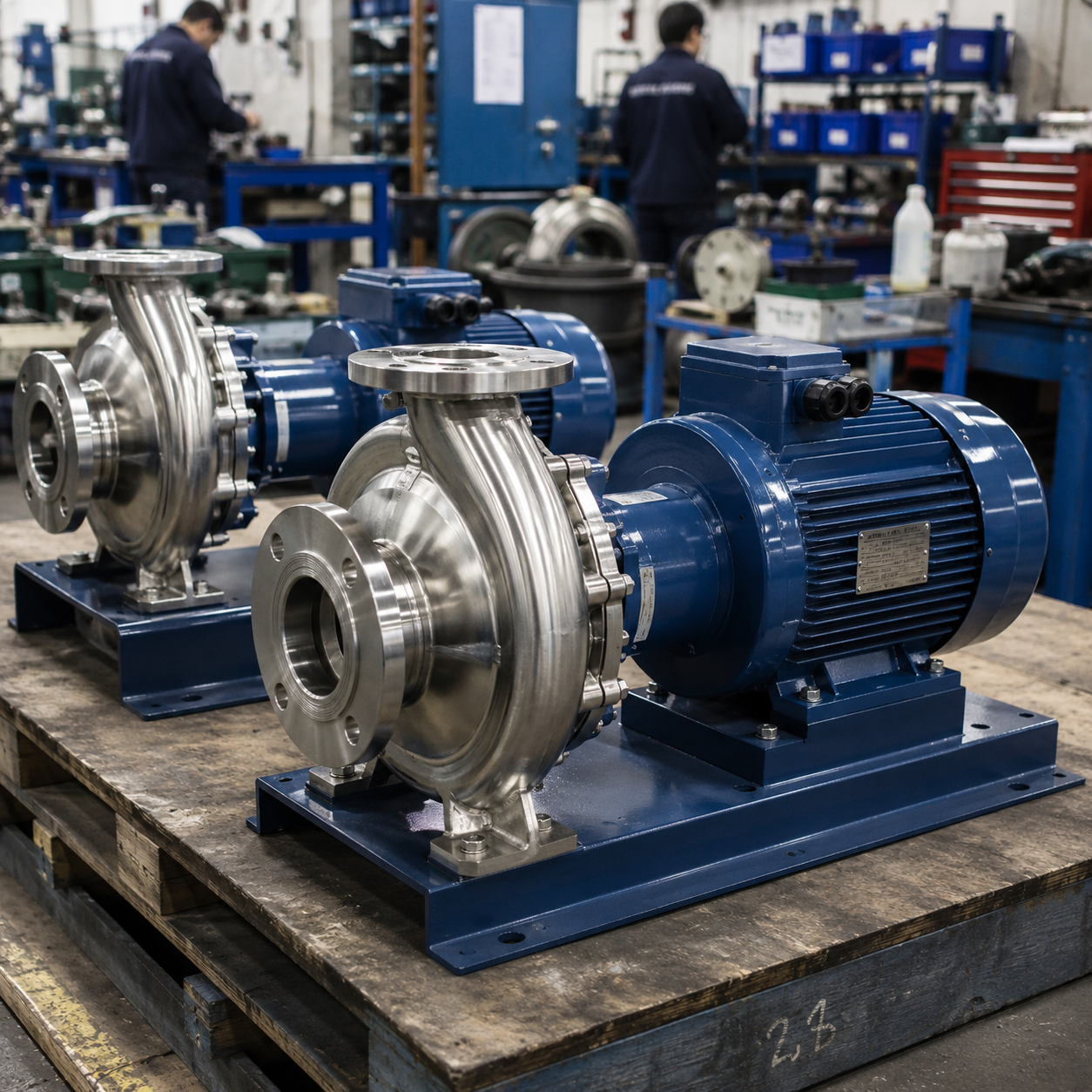
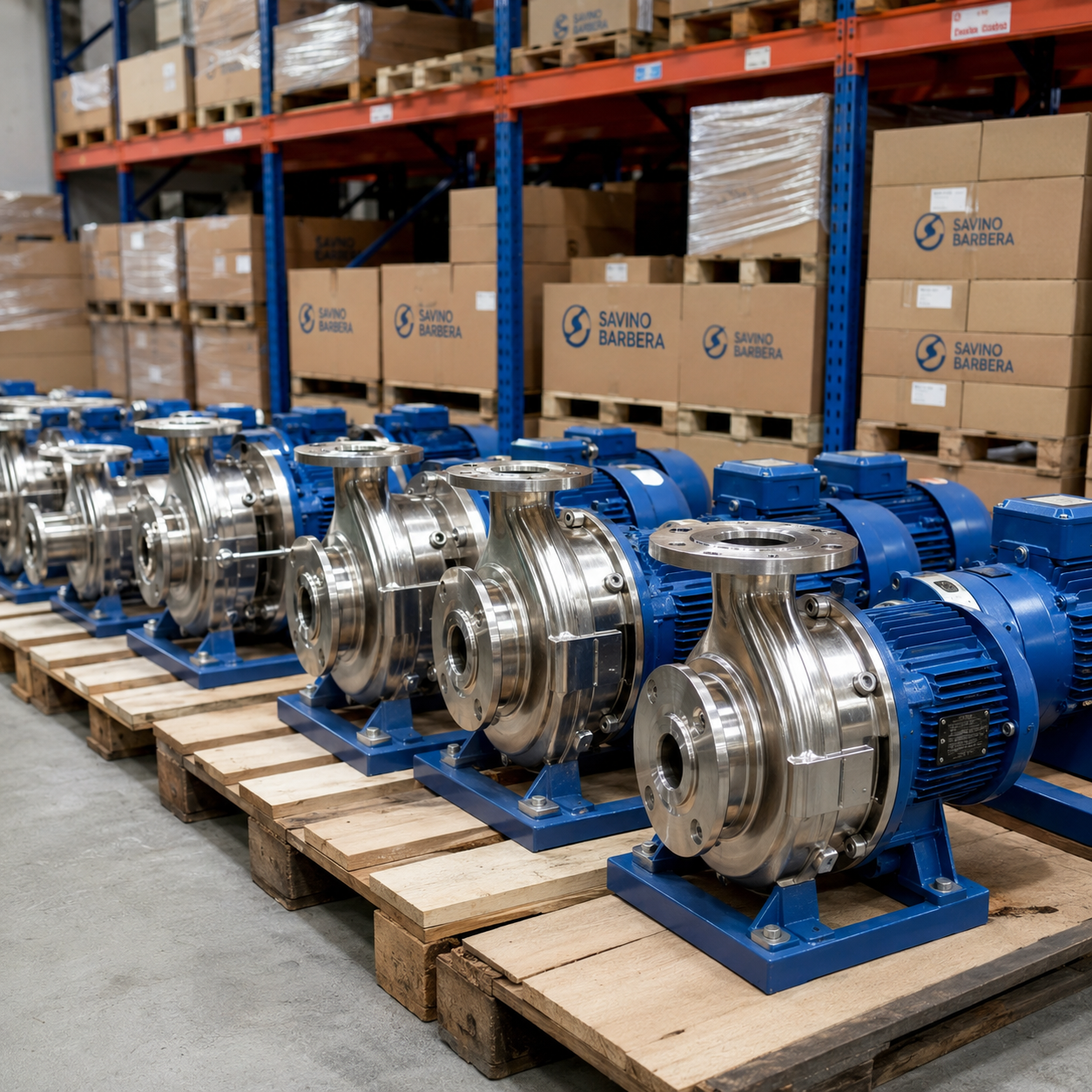
In our plant of 25,000 m², we assemble pumps, organize production, inspect, prepare stock, and load containers. This allows us to process bulk orders more efficiently and ensure a constant supply for diverse purchasing demands.
HunGerät takes care of the important aspects of motor manufacture, such as the copper motor winding for selected pump models. This gives us more control on motor quality, power stability, and overall consistency of the pump over long-term operation.
HunGerät can offer OEM options including labeling, colors, packaging, voltage, frequency, material selection and model matching. This allows you to produce stainless steel centrifugal pumps that are more suited to your local market or project needs.
High-Efficiency Hydraulic Design
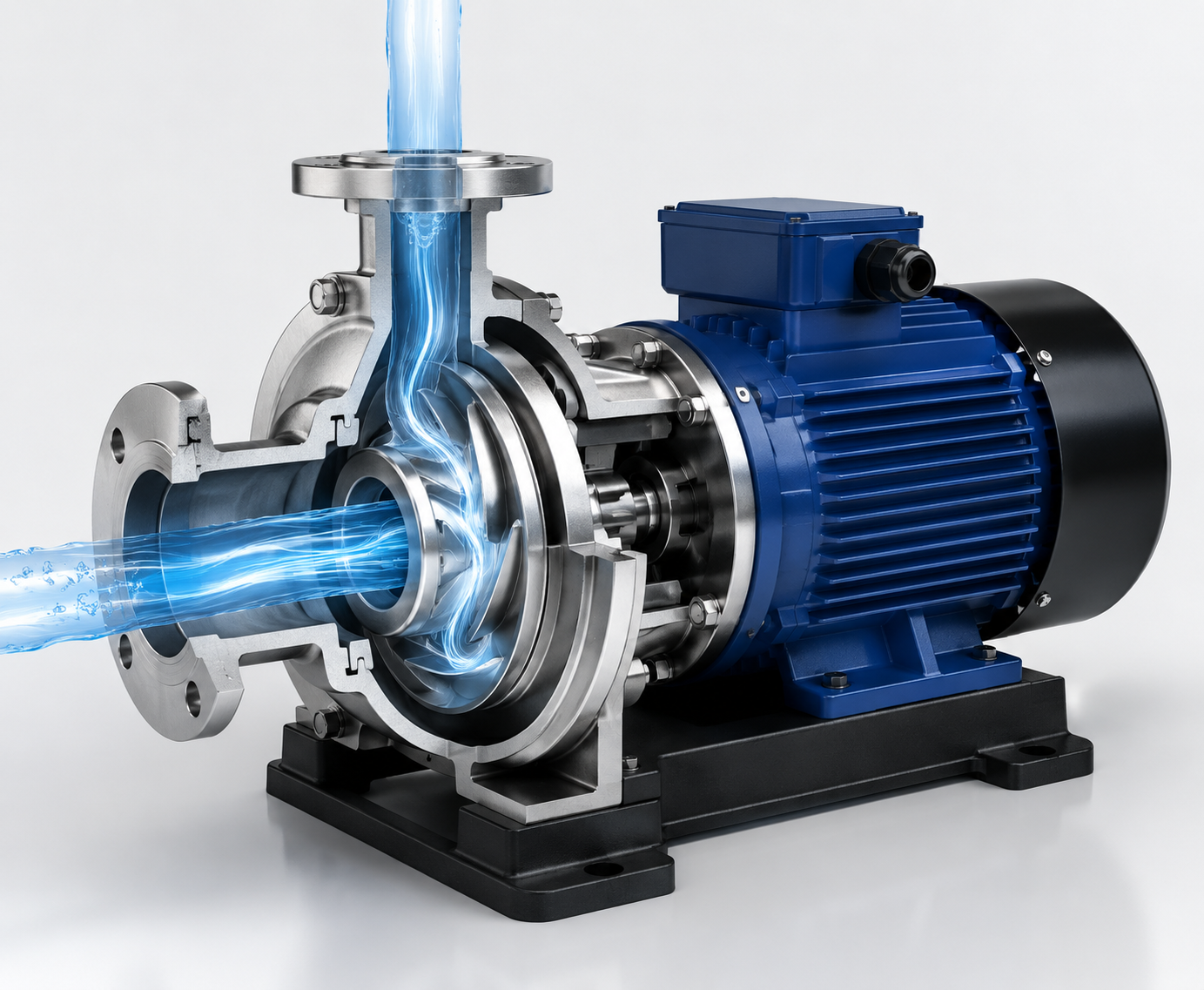
These stainless steel centrifugal pumps from HunGerät have a better hydraulic structure that makes it easier for water to move through the pump body. This helps cut down on internal flow loss, boosts work efficiency, and cuts down on wasteful energy use during daily operations.
Low-Noise Running Performance
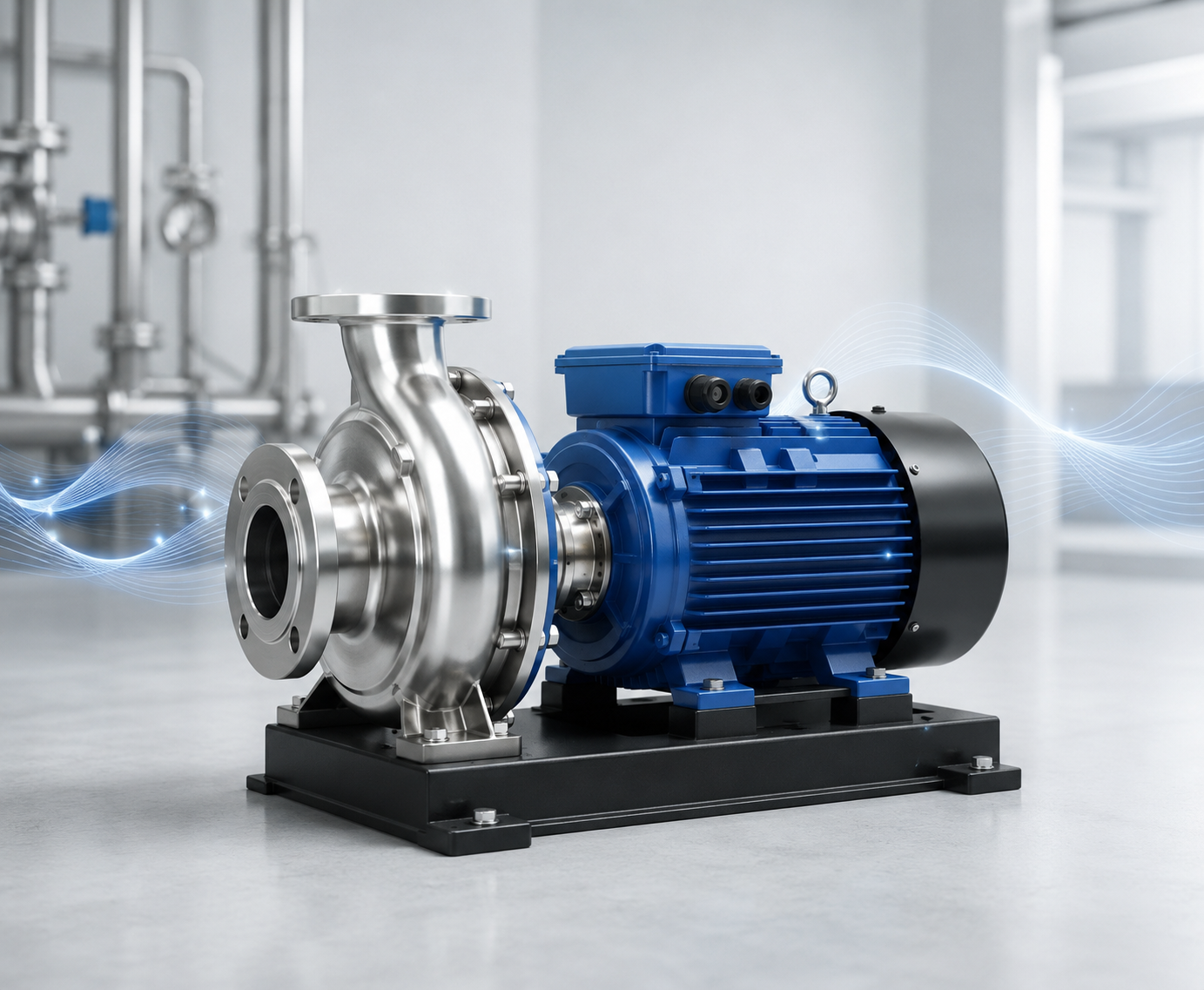
The structure of the pump is made to support a smoother movement and less vibration. This helps lower the noise of the pump moving and makes it better for systems that need stable, quiet operation.
Full Stainless Steel Shaft
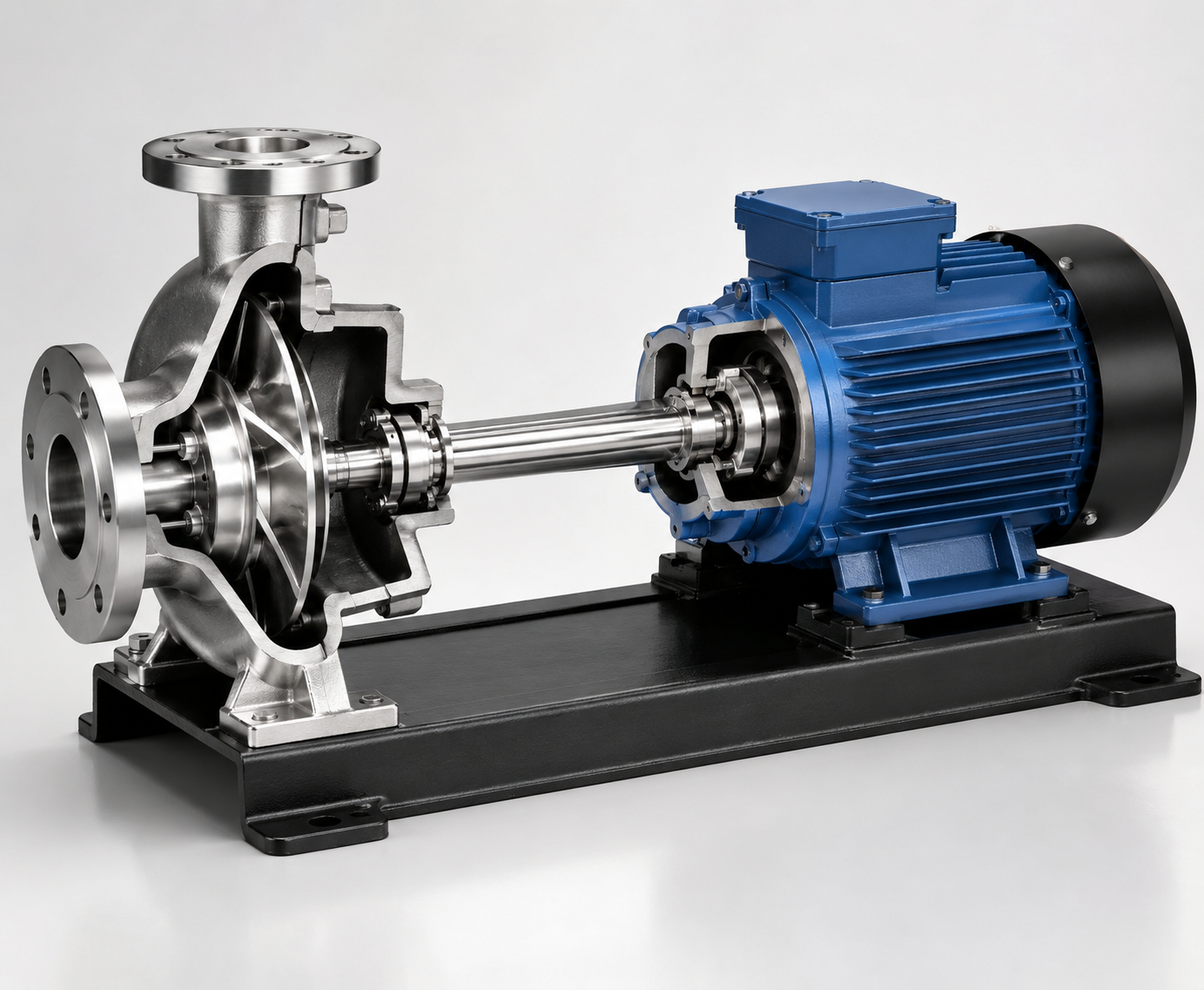
HunGerät stainless steel centrifugal pumps have a full stainless steel 304/316 shaft that makes them stronger and less likely to rust. Stainless steel helps lower the risk of rust and supports more stable long-term operation compared to other shaft materials.
Standard EPDM Rubber Parts
As usual, sealing components EPDM rubber parts are used. EPDM has good sealing performance, it can be used in many clean water and general water system circumstances, aid to reduce the leakage problems during operation.
Alloy / Graphite Mechanical Seal with Custom Options
HunGerät stainless steel centrifugal pumps come with an alloy/graphite mechanical seal as standard. This helps make the seals more durable, keep them in place, and stop leaks even after long hours of use. For special liquid conditions, we can also make the mechanical seal fit the chemical make-up, temperature, and working environment of the medium. This will help you avoid seal mismatch and make the pump more reliable in tougher situations.
Stainless Steel Centrifugal Pump Application Areas
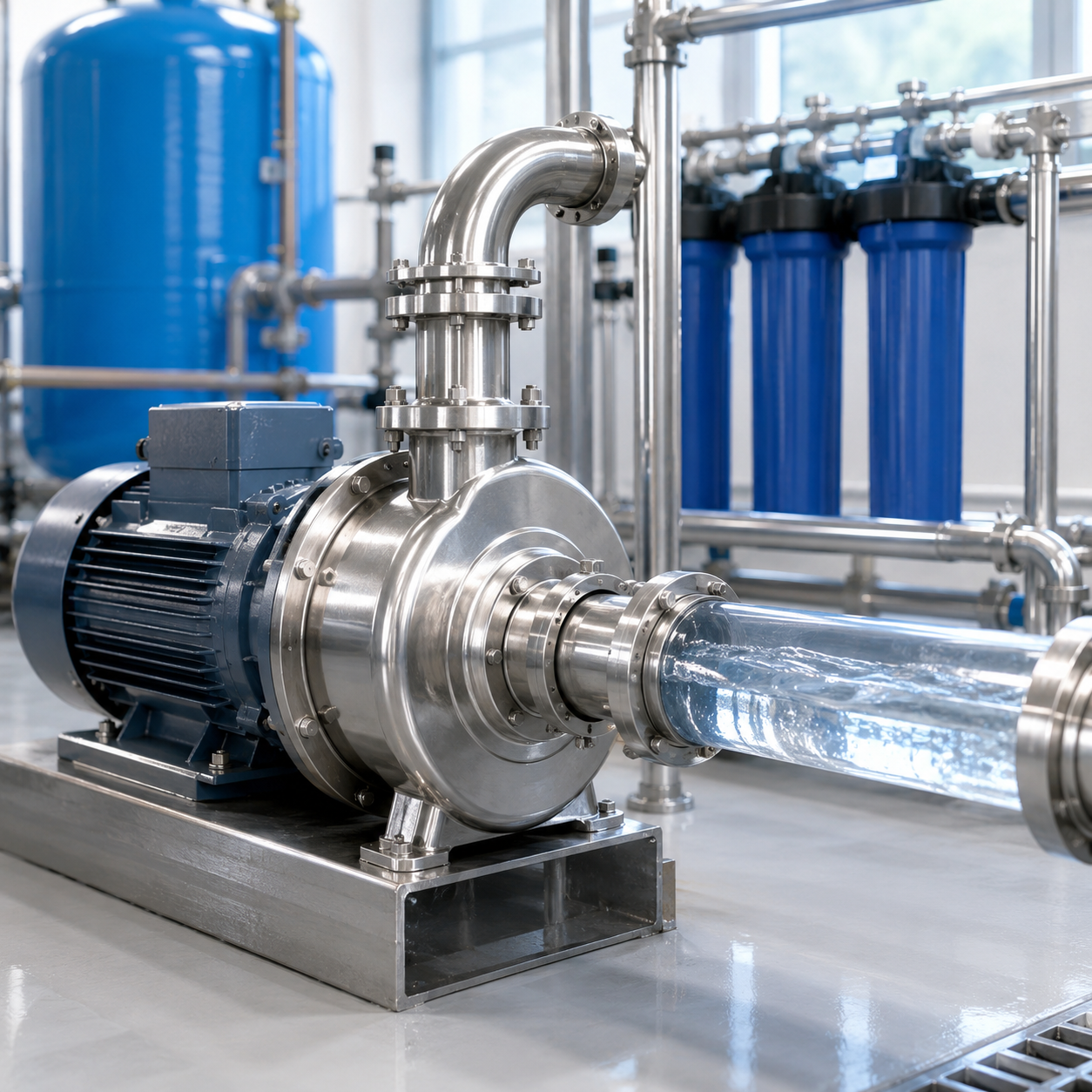
Stainless steel centrifugal pumps help keep the water flow clean and lower the risk of rust in systems that move clean water. They are a good choice when water quality and keeping the pump clean over time are important.
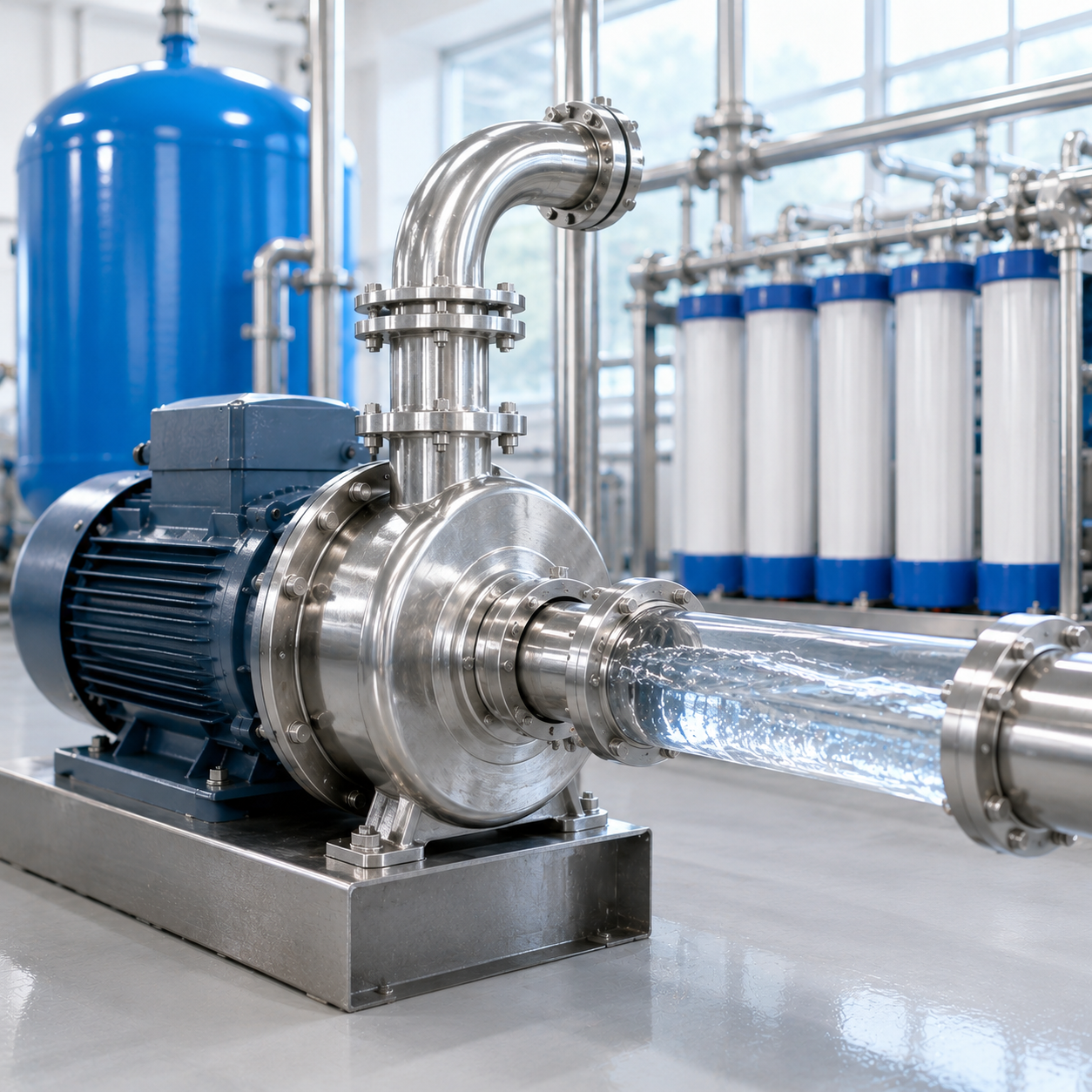
Stainless steel centrifugal pumps can be used in systems that provide drinking water since they need to handle cleaner water. Because the structure is made of stainless steel, rust inside the pump is less likely to make the fluid dirty.
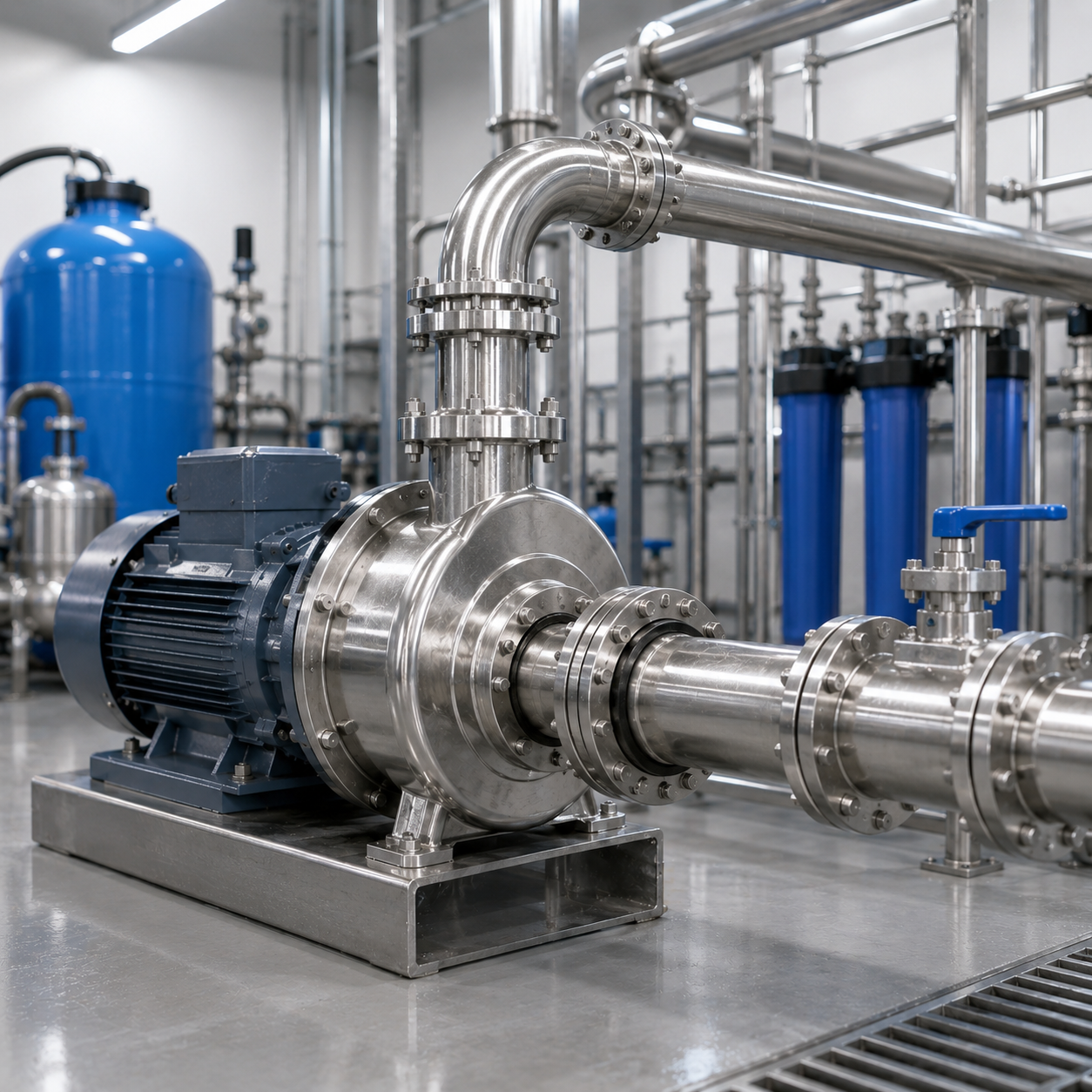
A stable water source with a low risk of corrosion is often needed in hotels, apartments, offices, and public buildings. Centrifugal pumps made of stainless steel help move cleaner water and reduce the upkeep issues that come up with normal cast iron corrosion.
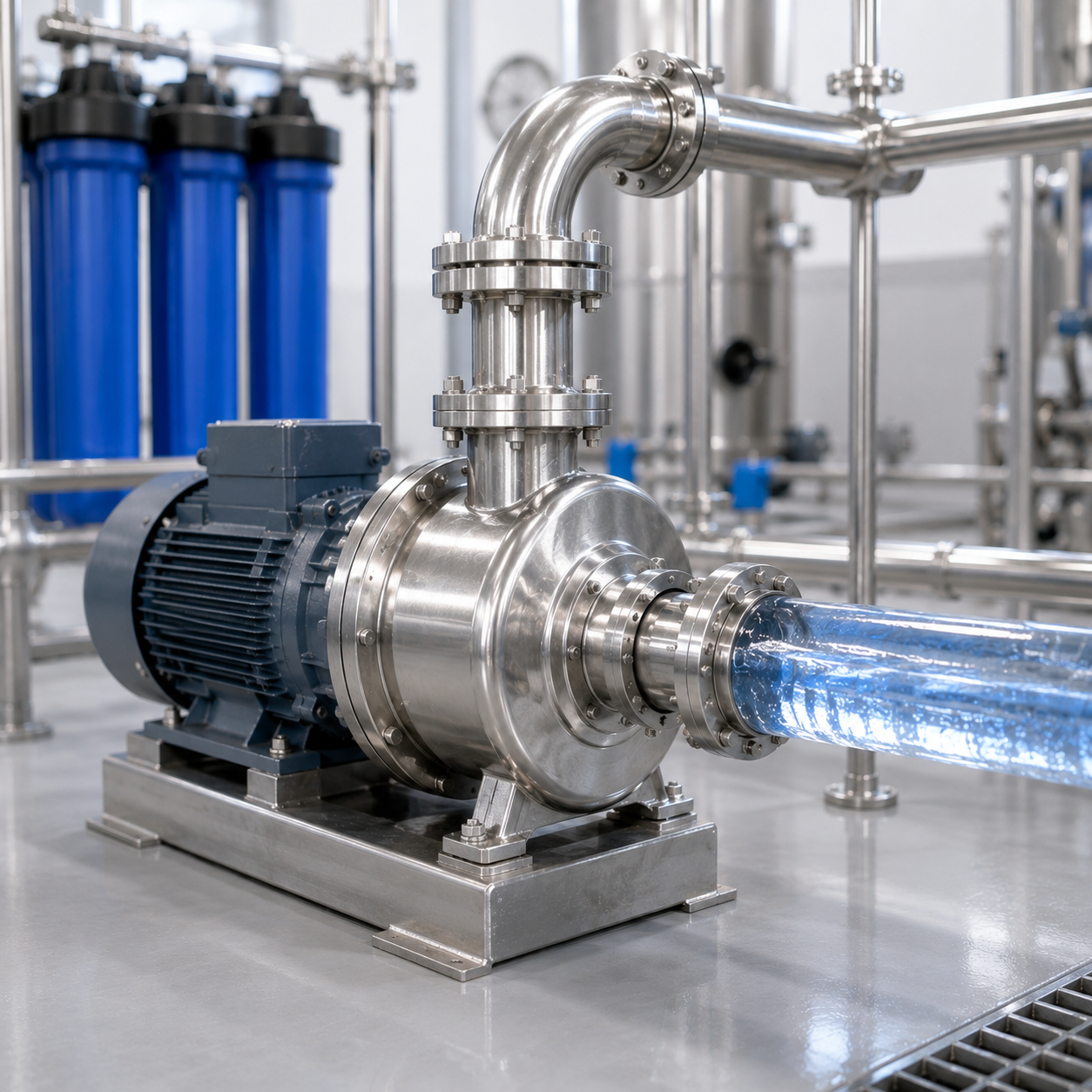
Stainless steel centrifugal pumps, when used under the right conditions, will provide higher corrosion resistance and more stable performance than normal cast iron pumps for the transfer of treated water, process water or general light industrial water.
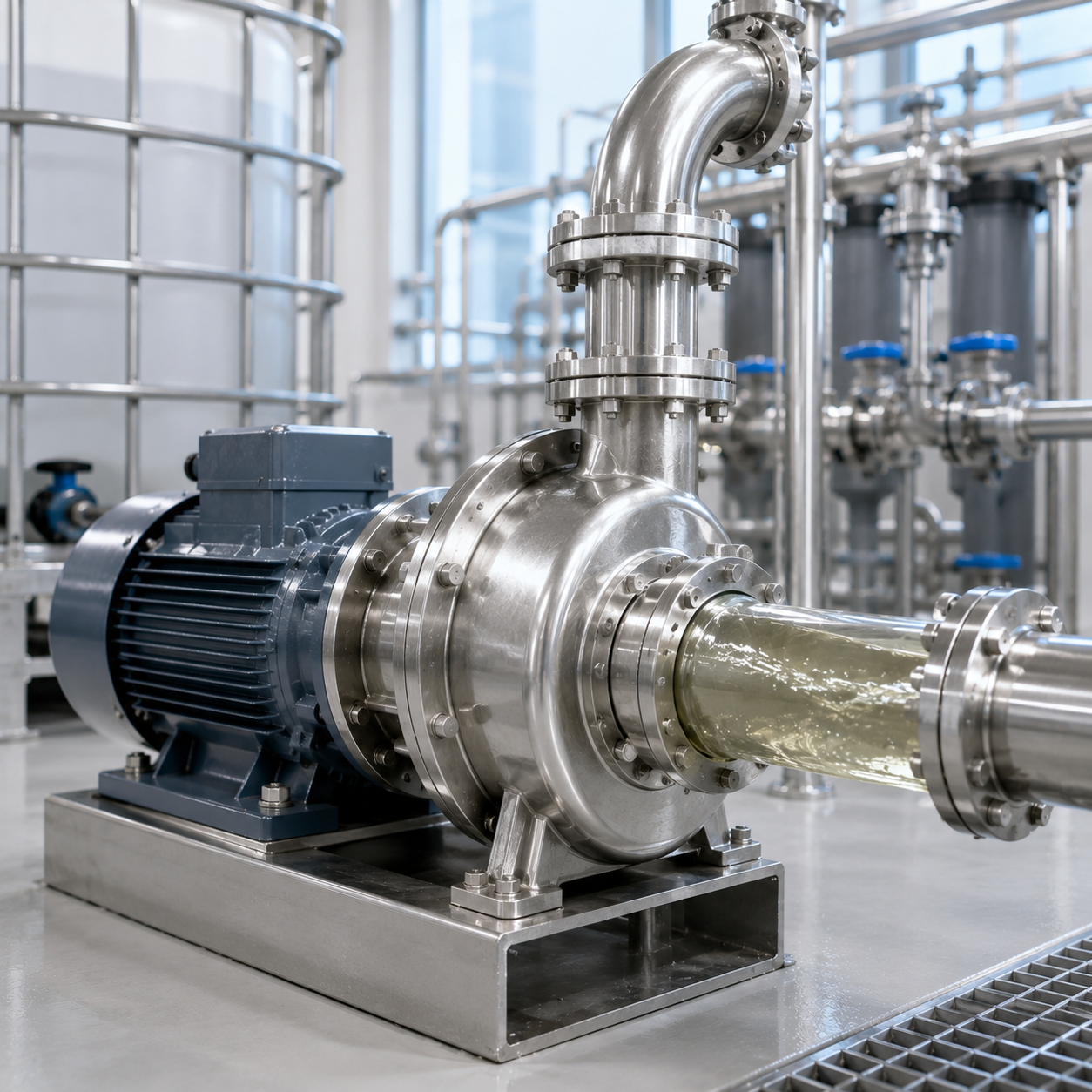
When the liquid condition is tougher than clean water, materials made of stainless steel and custom mechanical seal choices can help better match the working condition.
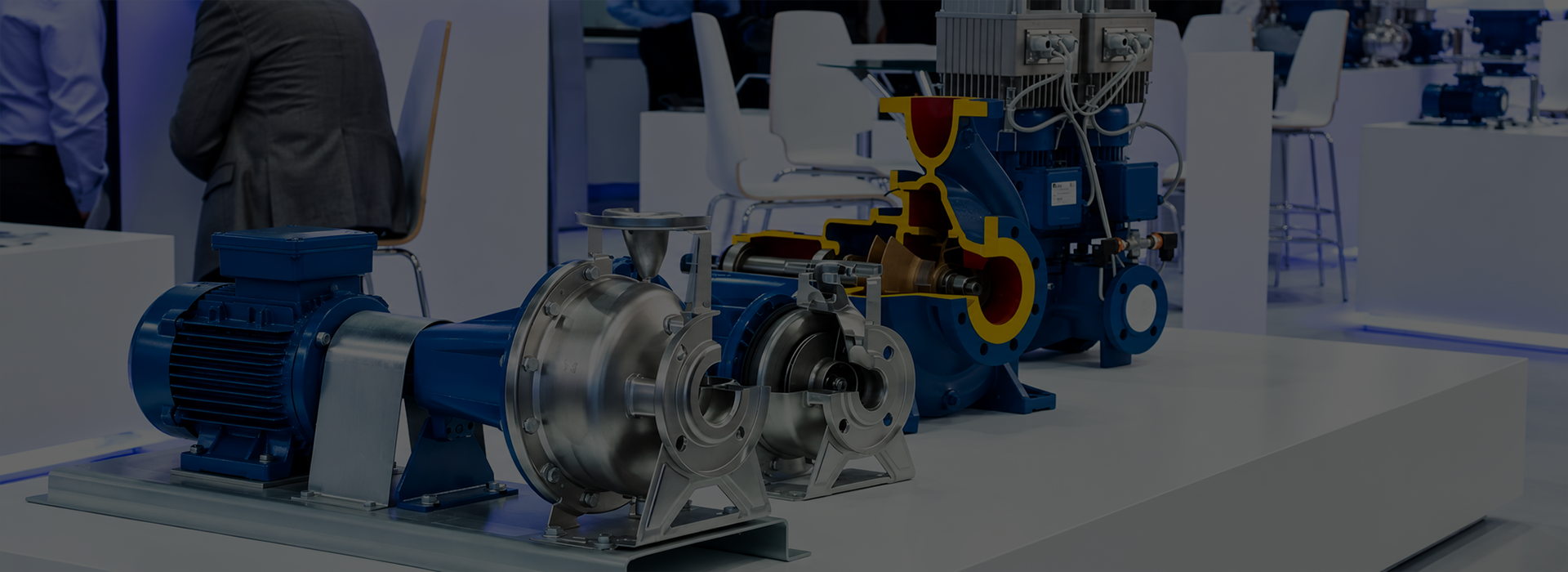
Pick 304 if you want clean or treated water. 316 is the best choice when the liquid has salt, chlorides, mild chemicals, or a higher chance of corrosion.
Yes, but first you should make sure of the liquid’s make-up, temperature, quantity, and seal material. The type of stainless steel and seal chosen must be right for the medium.
You need to give information about the flow, head, type of liquid, temperature, chemical make-up, voltage, frequency, pipe size, fitting method, and grade of material needed.
The type of liquid affects the choice of mechanical seal, rubber parts, and stainless steel grade. If you don’t fit the materials correctly, they could rust, leak, or break down early.
Yes. Even though they are often used for better water contact, you should still check the drinking water standards in your area and make sure the material you’re using has the right certifications.
Seawater is very hazardous for metals. Even though 316 stainless steel might be useful, you should first make sure of the salt level, temperature, seal material, and application needs.
Some models can handle hot water, but you need to check the motor design, working pressure, temperature limits, and type of rubber and seal.
Some common reasons are mechanical seals that are worn out, the wrong type of seal material, dry running, high temperatures, pipe stress, bad fitting, or liquids that don’t mix.
No. Most centrifugal pumps need to be filled with liquid in order to work. Running the pump dry can quickly damage the mechanical seal and make it last less long.
If a pump is too big, it could lose energy, make noise, shake more, and wear out seals, bearings, valves, and pipes more quickly.
A pump that is too small could lead to low flow, low pressure, bad system performance, unreliable operation, and complaints after it has been installed.
Yes, a VFD can be used with many stainless steel centrifugal pumps to change speed, manage pressure, save energy, and make the system more flexible.
As part of normal maintenance, mechanical seals, O-rings, rubber parts, bearings, impellers, gaskets, and other wear parts are common spare parts.
Maintenance is based on working hours and the state of the liquid. You should check for leaks, noise, vibration, and damaged wiring, bearings, and seals on a frequent basis.
Yes, but you should check the motor protection grade, the rain protection, the safety of the wires, the air flow, and whether the pump needs a guard.
Threaded connections, flanges, and clamp connections are all common types of connections. Which one to pick relies on the size of the pipe, the pressure, and the standard for installation.
Compare the type of material, how well the pump works, the different seal options, the quality of the motor, the production capacity, OEM support, the availability of spare parts, and the speed of reaction.
Don’t just pick based on price or pipe size. First, check the voltage, flow, head, condition of the liquid, seal compatibility, and working surroundings.