
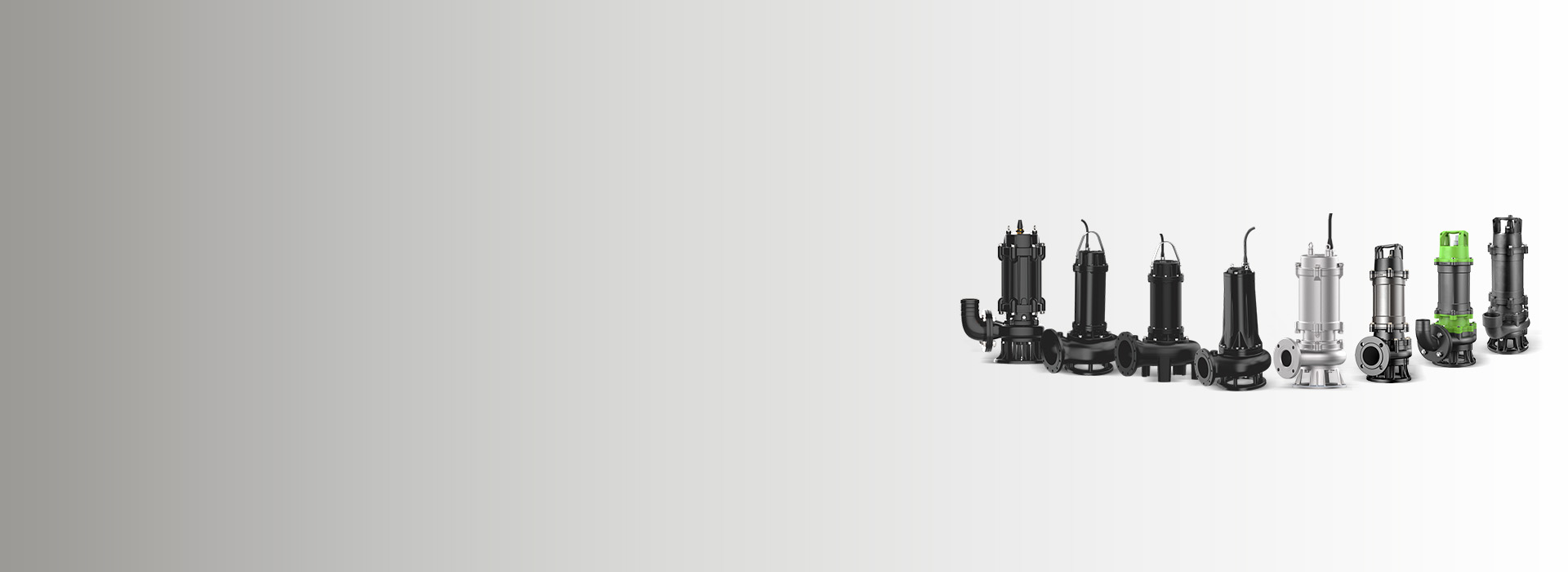
Why Hungerät Submersible Sludge Pump
- Instead of chasing extreme solid-passing numbers, Hungerät designs the pump to work reliably in real conditions.
- The impeller and casing are designed to work well together, making the pump easier to use in different site conditions.
- Hungerät submersible sludge pump motors are designed for continuous submerged operation.
- Hungerät focuses more on real working conditions than on lab test data.
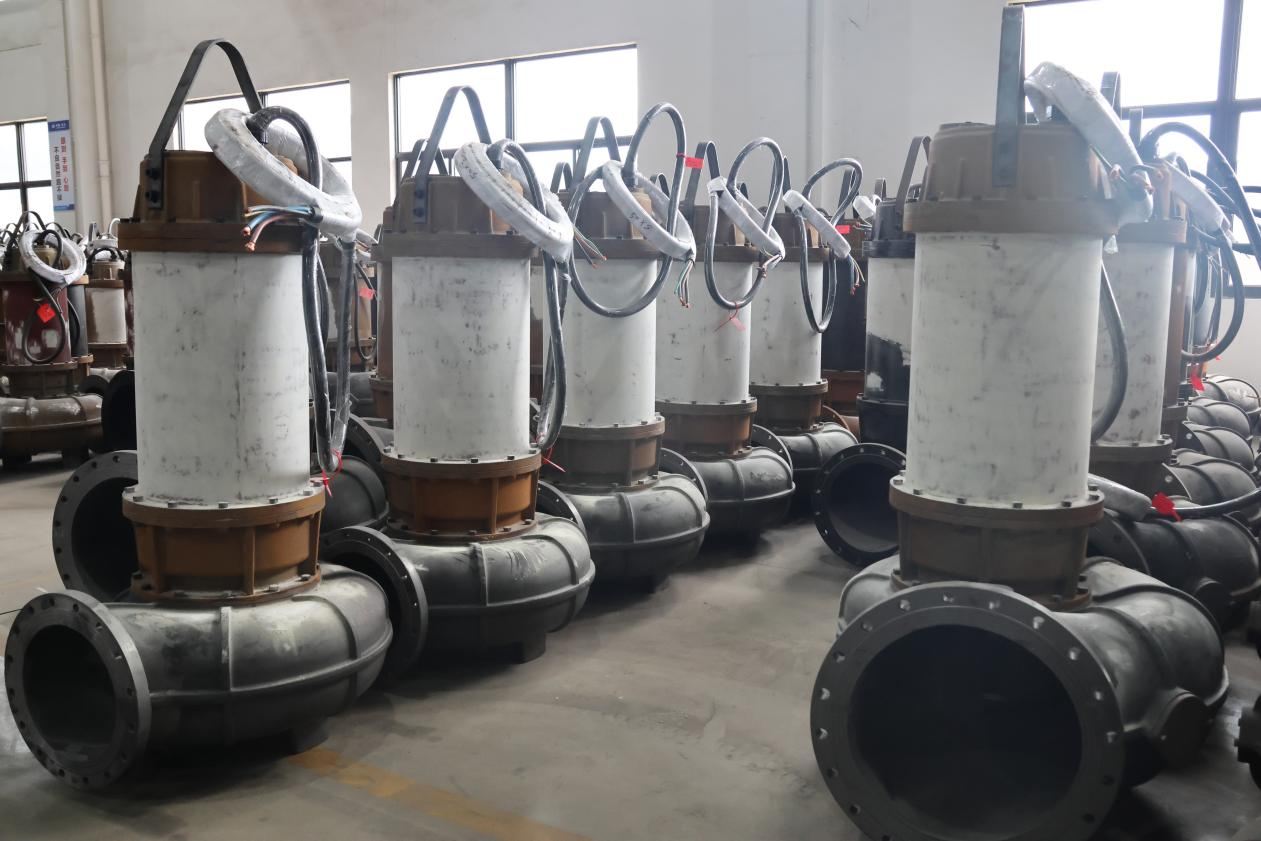
Reliable Submersible Sludge Pump Solutions for Challenging Conditions
At agricultural and irrigation sites, there will be various deposits, including mud, sand, and manure, in the water. For a normal submersible pump, these deposits can easily clog the pump casing or cause problems with the impeller and mechanical seals, leading to frequent stops and maintenance.
Submersible pumps for sludge are designed to solve these situations. They can easily remove the mud, sand, and impurities from the water. The submersible sludge pumps can operate continuously for a long time, and reduce the frequency of shutdowns, even if the mud content is very high.
Hungerät delivers submersible sludge pumps covering various working conditions, from mild slurry to high-concentration sludge. Whether you need a portable submersible sludge pump or a permanently installed sludge pump, there are many models available to choose from, making your job more flexible and efficient.
Choosing Hungerät sludge pumps is selecting a reliable solution that operates efficiently in challenging water environments.
If your sludge condition changes by season or is hard to describe clearly, the Hungerät technical team usually suggests confirming it together based on similar past projects.
Choose Pumps for Sludge by Materials
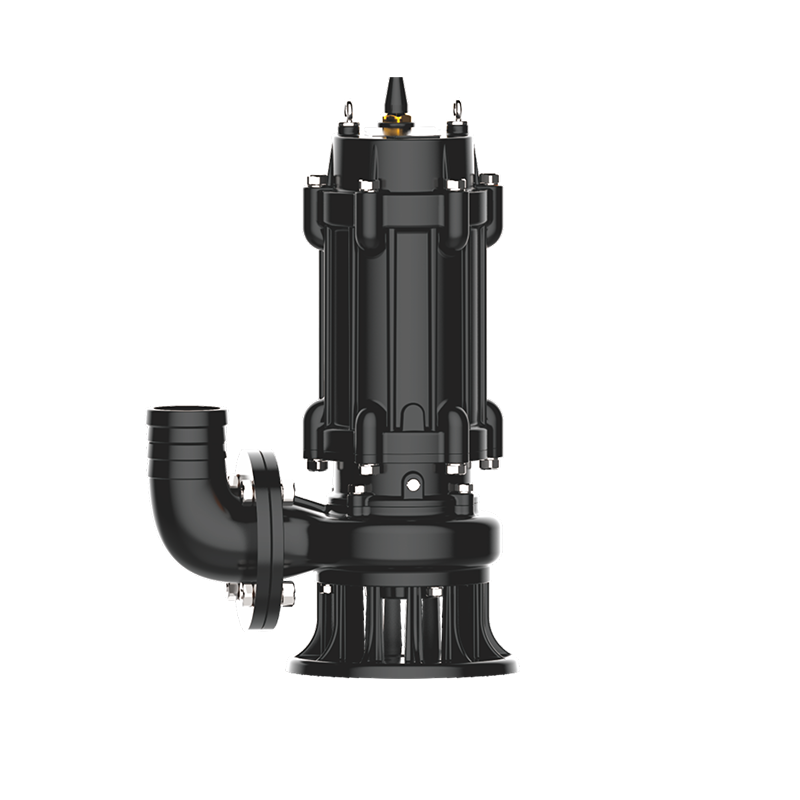 WQ Series Cast Iron Sewage Pump
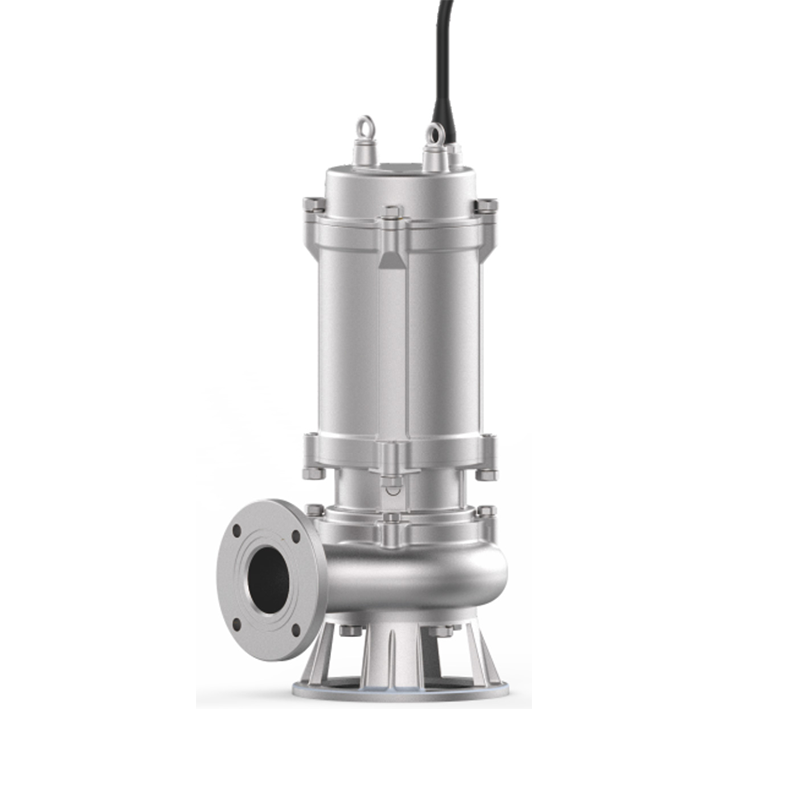 WQ(D) Stainless Steel Sewage Submersibl Pump
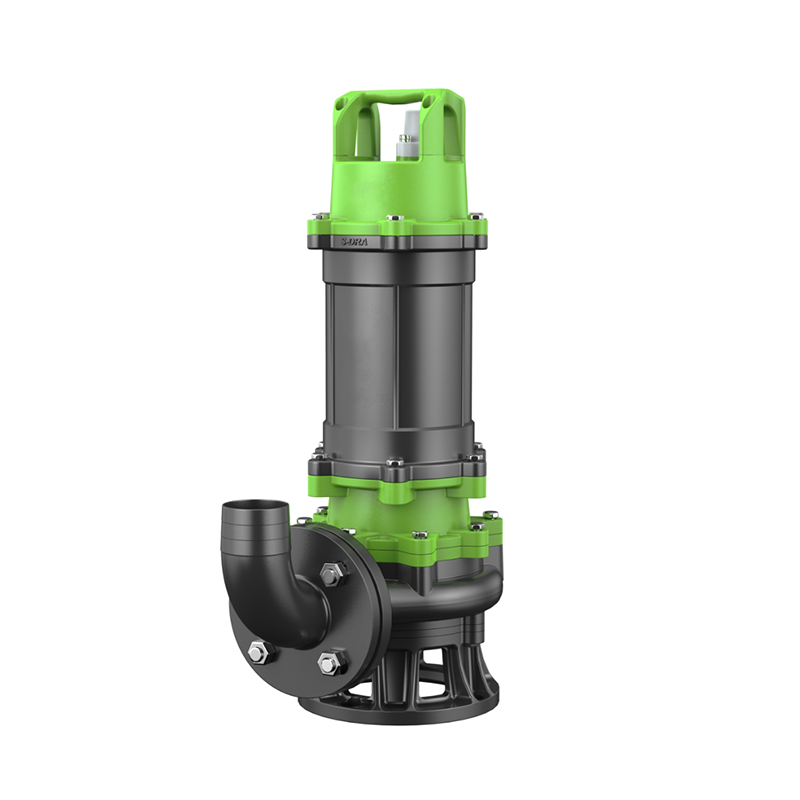 WQ Series Plastic Sewage Pump
Choose Sludge Pumps by Medium Handling Capability
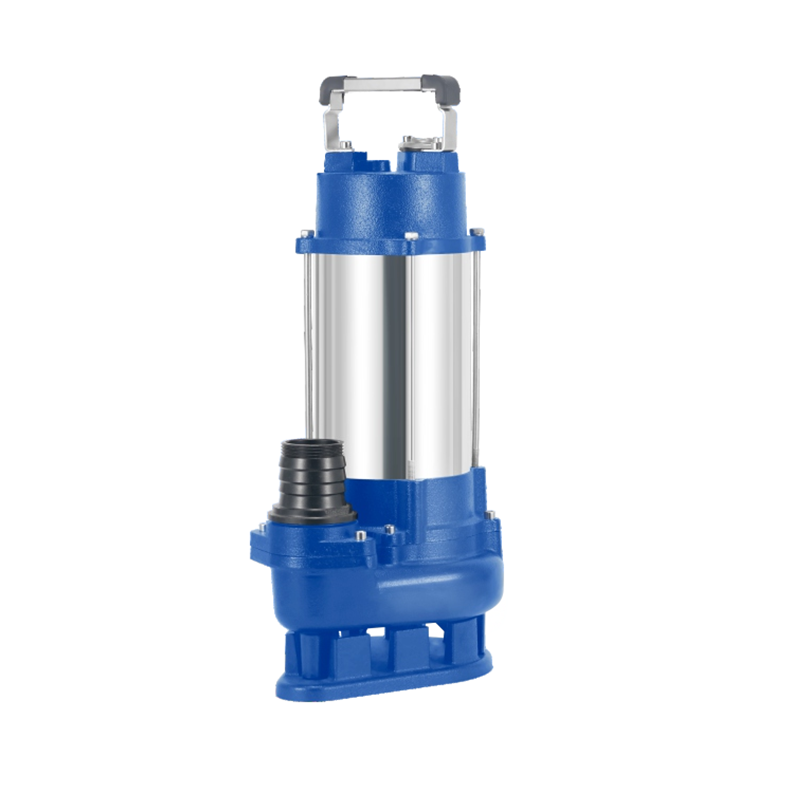 V Series Domestic Use Submersibe Sludge Pump
- WQ Series Domestic Use Submersibe Sludge Pump
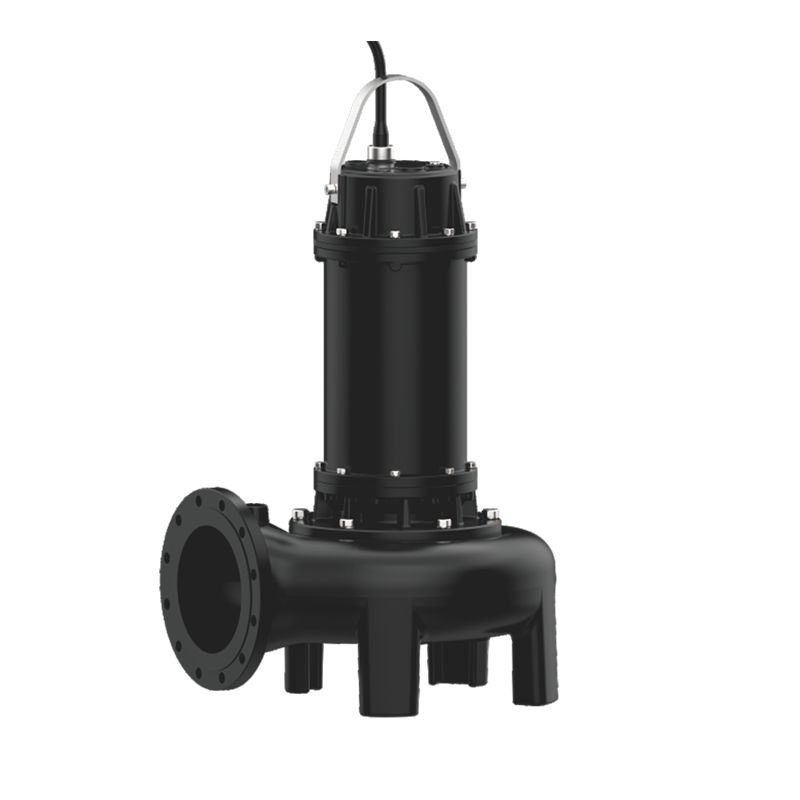 GNWQ Series Heavy Duty Submersibe Sludge Pump
Designed for Dirty and Demanding Conditions
When working in the water with mud and sand, the most common problem of an electric sludge pump is not “whether it can pump or not”, but whether it will get clogged and how long it can be used. Hungerät focuses more on reducing the risk of clogging, wear, and unexpected shutdowns when designing the structure of the sludge pumps.
The pump uses wide internal flow passages, so solids can move with the water instead of getting stuck.
When sand or sludge enters, it is not forced to be crushed. The structure lets sediment pass through naturally, which helps keep the operation stable.
The sealing system is made for water with sand and mud, not just clean water.
The cable entry is reinforced for outdoor and long-term use.
In simple terms, Hungerät helps you move sludge, keep the pump running, and reduce downtime.
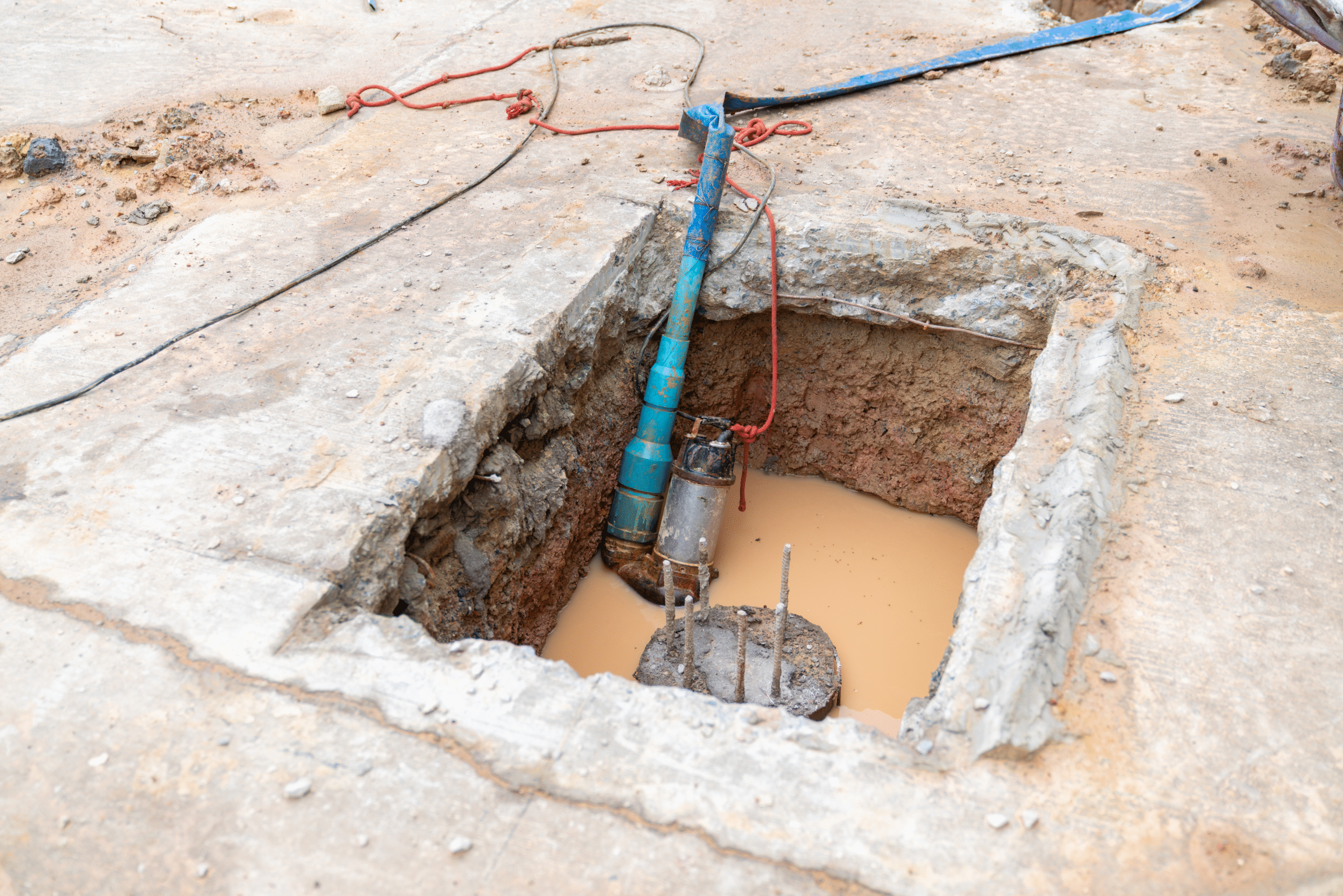
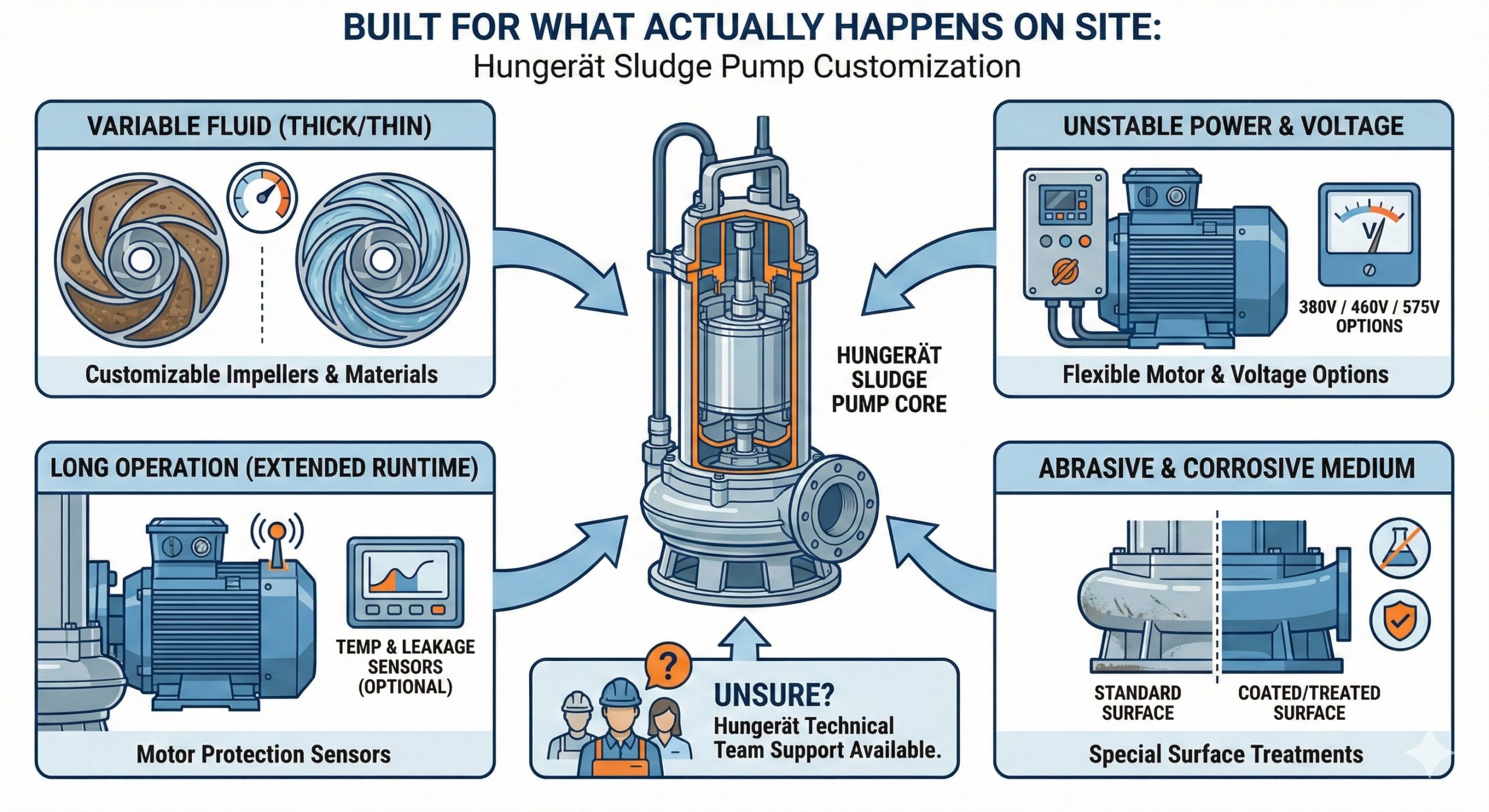
Built for What Actually Happens on Site
The working environment of the sludge pump is variable. Sometimes the fluid is thicker, and at other times, it becomes thinner. The power supply is also not always stable; the pumps often run longer than expected.
These factors were taken into consideration during the pump design process.
Hungerät offers impellers with different structures and materials to fit the various sludge concentrations.
For the area with an unstable power supply or that needs a special voltage, suitable motor options are available.
If the sludge pumps need to work for a long time, you can add extra sensor protections for the motor.
When handling the abrasive or corrosive medium, you can customize the surface treatment to help slow down wear.
If you are still unsure about how to customize a sludge pump that suits your real working conditions, Hungerät’s technical team is always here to offer support.
Made to Keep Running
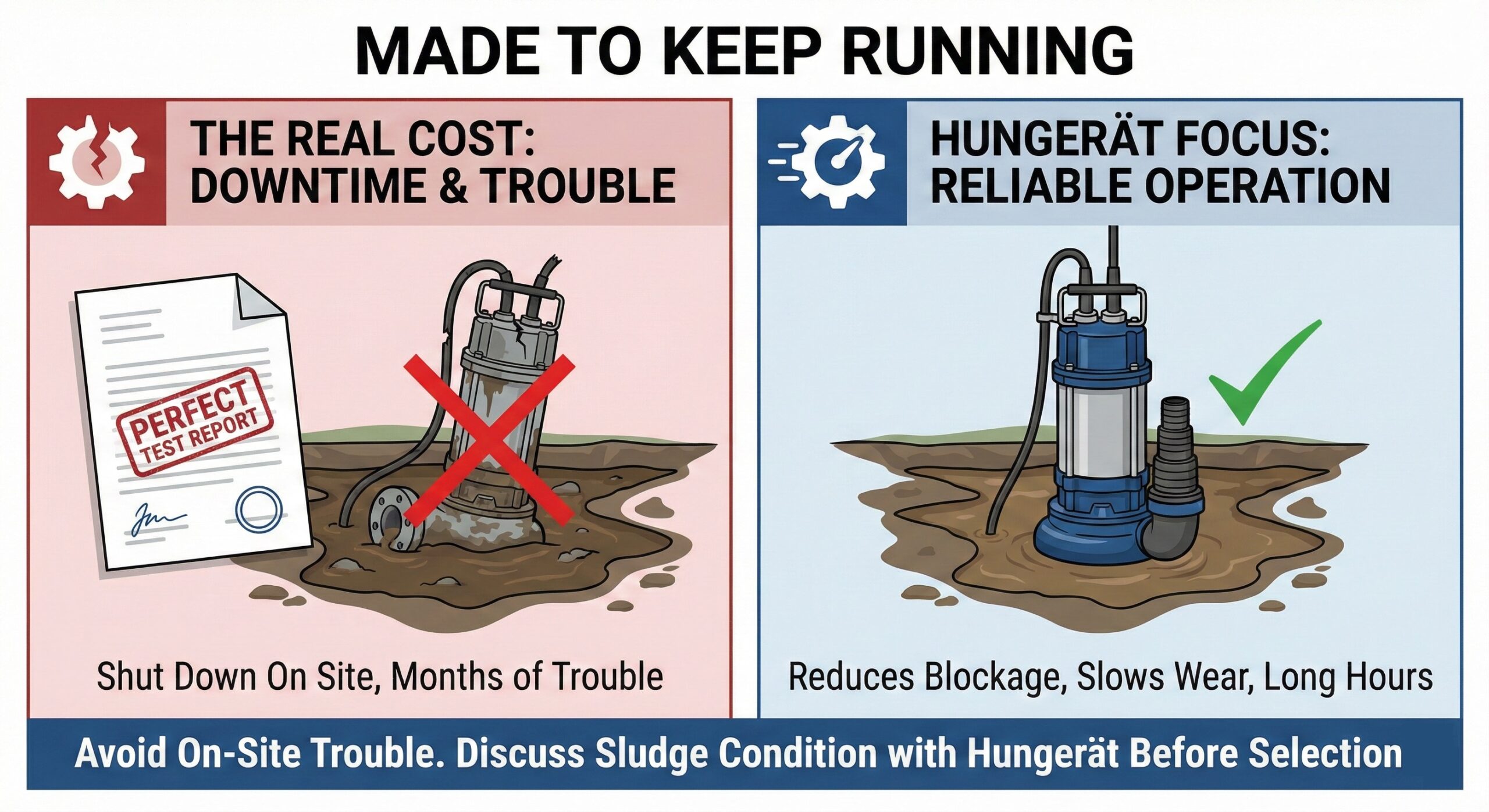
In sludge work, the real cost is rarely shown in datasheets. Many pumps look perfect on the test reports, but start to shut down once they are on site.
Hungerät focuses on keeping pumps running, not just meeting one-time performance figures. The design focuses on reducing blockage, slowing wear, and supporting long operating hours.
The real expense is never the pump itself, but the downtime around it.
That’s why many customers prefer to discuss their sludge condition with Hungerät before final selection. A few minutes of confirmation often avoids months of on-site trouble.
Sludge Pump Selection That Meets Different Needs
Sludge pump selection usually involves more than one role.
Engineers want the pump to match the real site conditions. Hungerät offers a wide range of models to cover different sludge types.
Purchasing teams care about stable operation. Hungerät pumps are tested for long-term use and are easy to maintain.
Project owners look at overall risk. Hungerät sludge pumps are designed to run steadily for long hours, helping reduce unexpected shutdowns.
Consistent models and reliable delivery also make repeat orders easier, without disrupting existing systems.
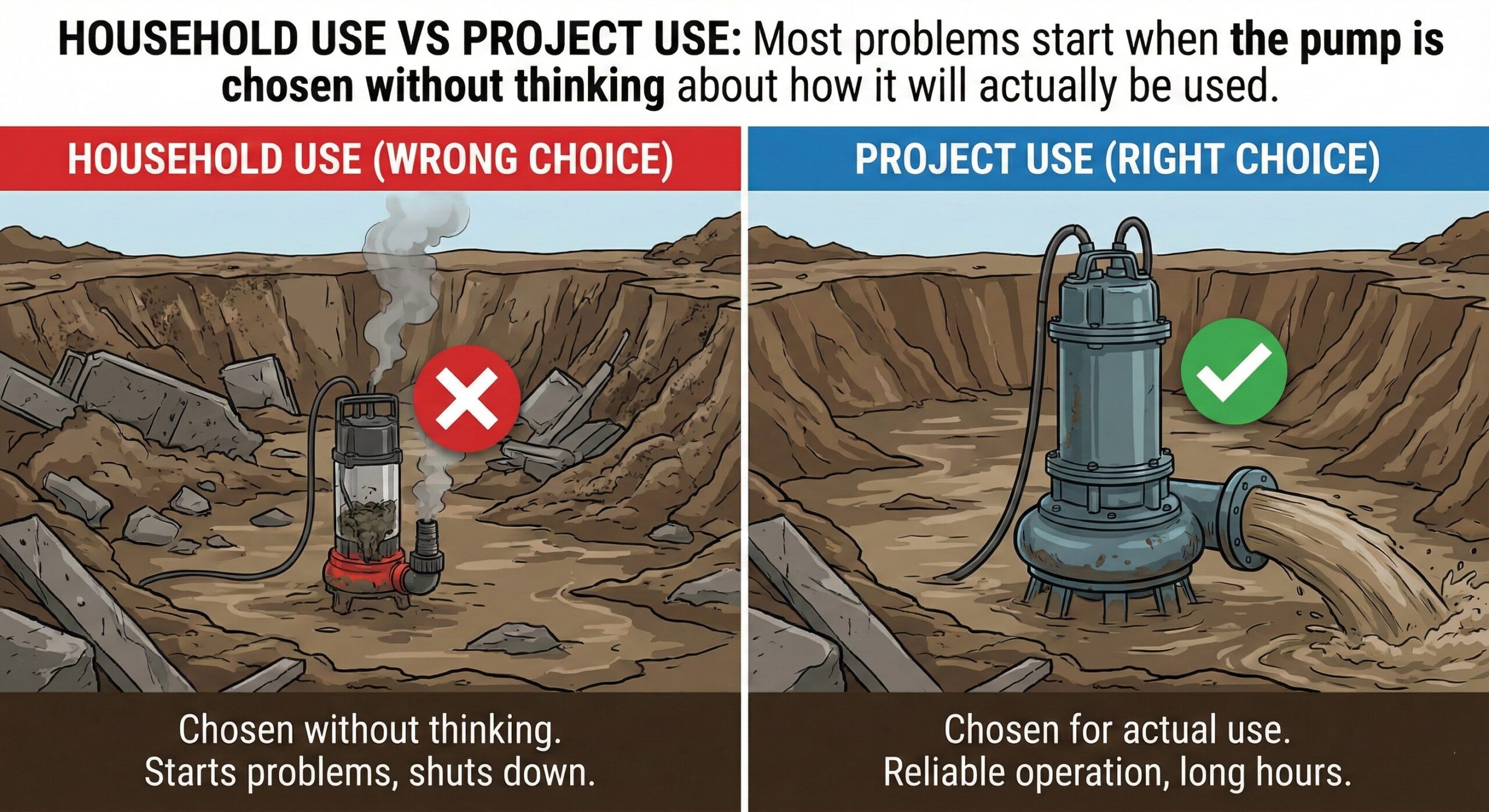
Most problems start when the submersible sludge pump is chosen without thinking about how it will actually be used.
- Usually runs for short periods, not all day.
- Sludge is easier to manage, and the site is simple.
- What matters most is easy installation and stable basic operation.
- Often used by farmers for small irrigation or temporary sludge removal.
- Built for long hours, frequent starts, or nonstop operation.
- Sludge conditions change, and solids are not always predictable.
- Durability, heat control, and seal reliability become much more important.
- Common in fixed irrigation and drainage systems.
There is no fixed number for sludge thickness. In real use, thickness is hard to measure anyway. The simplest way is to observe if the sludge can move or not. Many people choose the wrong sludge pump types because they ignore the actual working conditions.
Yes, the sludge pump can also handle clean water, but it’s not the best choice. The structure of a sludge pump is made to allow solids to pass through and can still keep a stable performance even when the water becomes dirty. If you use it to pump clean water for an extended period, efficiency drops and power use goes up.
Sand will definitely cause wear over time. However, the sludge pumps are specially designed to handle abrasive particles much better than clean water pumps. Wear is slower and more predictable. Many early problems come from choosing the wrong pump type. A quick check of the real sludge condition usually makes things clearer.
In normal sludge conditions, frequent cleaning is usually not needed. The pump is built to let solids pass through, not to trap them inside. Whether cleaning is needed depends more on the sludge itself than on how many days the pump has been running. One common issue comes from how the pump is started and stopped. If the pump is stopped too soon after starting, heavy solids may stay inside the casing. When the pump runs long enough each time, most solids are carried out instead of settling. Because site conditions vary, there is no fixed cleaning interval. Most operators adjust it based on real operating experience.
Not all models are built for long or continuous running. It should be considered during pump selection. Not after installation. You need to choose the right pump with a proper motor rating and a cooling jacket to keep operation predictable.
No. The submersible sludge pumps do not work by “suction”, but by “pushing”. You mainly need to consider the total head, not suction height, when you choose the sludge pump types. Because the pumps work submerged, suction limitations are usually not the deciding factor. Discharge height and system resistance are more important.
Yes. The sludge pumps are designed for bottom operation in sludge pits or tanks. The structure allows the pump to work close to the sediment. The position, support, and water intake conditions are very important. Incorrect installation is more likely to cause damage than the sludge.
That mainly depends on pump position, installation depth, and how often you start and stop it. A well-positioned pump can remove sludge without disturbing the entire tank.
Sewage pumps are usually designed for higher flow and lower solid concentration. Sludge pumps focus more on thicker media, higher solids, and slower flow conditions. They are better suited for heavy and unstable sludge environments. Choose the right sludge pump types for your actual application.
In most agricultural sludge applications, cutting devices are not necessary. Sludge usually contains soft solids rather than fibrous waste. Adding unnecessary cutters to the submersible sludge pumps can increase the risk of wear and maintenance. If the site condition is not clear, it’s better to confirm before choosing.
Under normal installation and operation, the risk of water entering the motor is low. What really matters is proper sealing and careful handling during installation. Pulling the cable during installation will easily increase the risk of water leakage. Proper operation is more important than adding extra protections.
Yes, sludge pumps can be used for irrigation reuse systems. However, downstream equipment such as filters, pipes, or sprinklers must be able to remove the remaining solids. The sludge pump is only a part of the whole system; the system compatibility should always be checked first.
Yes, the cable length of the sludge pump can be customized based on your requirements. When extending cables, the voltage drop, the installation environment, and the distance should be taken into account to keep stable operation. A short confirmation at the beginning avoids adjustment later.
Hungerät has various models to meet your different requirements. A small sludge pump is suitable for temporary or flexible use, while a fixed-installation electric sludge pump is designed for long-term operation in irrigation or drainage systems. Before you choose a sludge pump, check clearly where the pump will be used.
Low temperature has little effect on the sludge pump itself during operation. The main risk comes from freezing when the pump is stopped. Proper drainage or frost protection should be considered in cold climates. If you live in the north or a cold area, consider extra protection when you choose the sludge pump types.
Yes. Frequent starting puts extra load on the motor. Each start brings a current surge and a temperature change. Over time, this adds stress to the motor. This is mainly an electrical issue, not a hydraulic one. Proper motor protection can reduce the impact, but operation habits still matter. In practice, once the sludge pump is started, let it run for a while. Avoid stopping it before the motor reaches a stable condition. Before shutting down, it is also better to keep the pump running a bit longer, so the sludge inside can be flushed out as much as possible.
You may need to change the location and angle of the sludge pump if the sludge is very thick. In some cases, partial loosening of sediment helps restore flow. This is a site condition issue rather than a pump defect.
A control panel is not essential for all applications. It depends on power supply conditions, operation mode, and site management needs. For unattended or long-term operation, a control panel is often recommended.
Maintenance depends on the sludge quality and how many hours it runs. There is no fixed maintenance cycle. Regular inspection based on operating experience is more reliable than a preset schedule.
Do not size a sludge pump only by catalog numbers. What matters most is how the sludge actually behaves on site. Is it flowing or settled? Does it change over time? Many selection problems come from guessing the working condition instead of observing it. If you are unsure, describe the real situation at your site — sludge condition, running time, and installation method. With this information, an experienced engineer can usually tell if a standard model is enough or if something needs to be changed.