I. Introduction
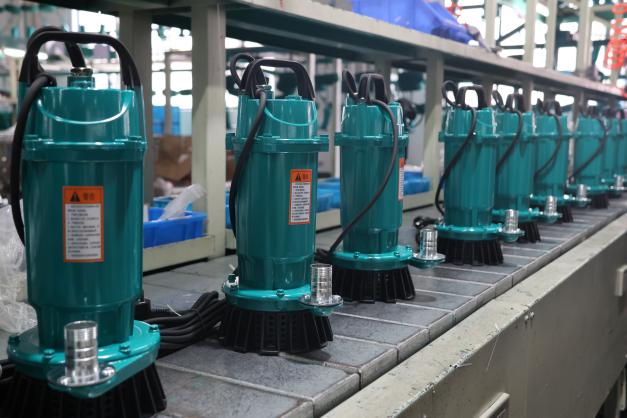
Lots of times, people get booster pumps and centrifugal pumps mixed up. Choose carefully, as if you don’t, you might have problems with uneven pressure, motor overload, and extra costs for fixes and maintenance after the sale. To protect your interests, this piece tells you how to pick the right fluid infrastructure.
II. What is a centrifugal pump?
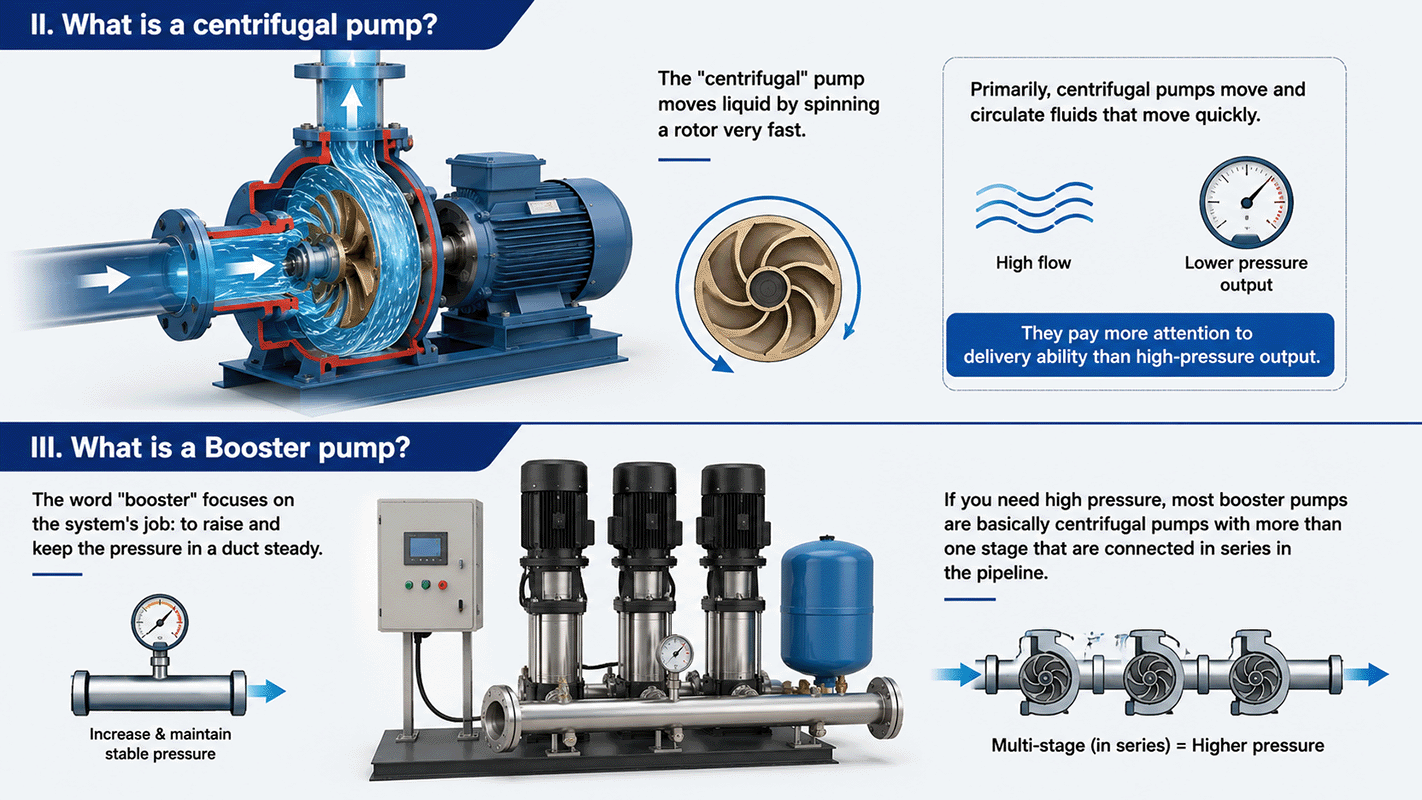
The “centrifugal” pump moves liquid by spinning a rotor very fast. Primarily, centrifugal pumps move and circulate fluids that move quickly. They pay more attention to delivery ability than high-pressure output.
III. What is a Booster pump?
The word “booster” focuses on the system’s job: to raise and keep the pressure in a duct steady. If you need high pressure, most booster pumps are basically centrifugal pumps with more than one stage that are connected in series in the pipeline.
IV. Key Differences Between Booster Pumps and Standard Centrifugal Pumps
- Pressure Generation and Flow Rate
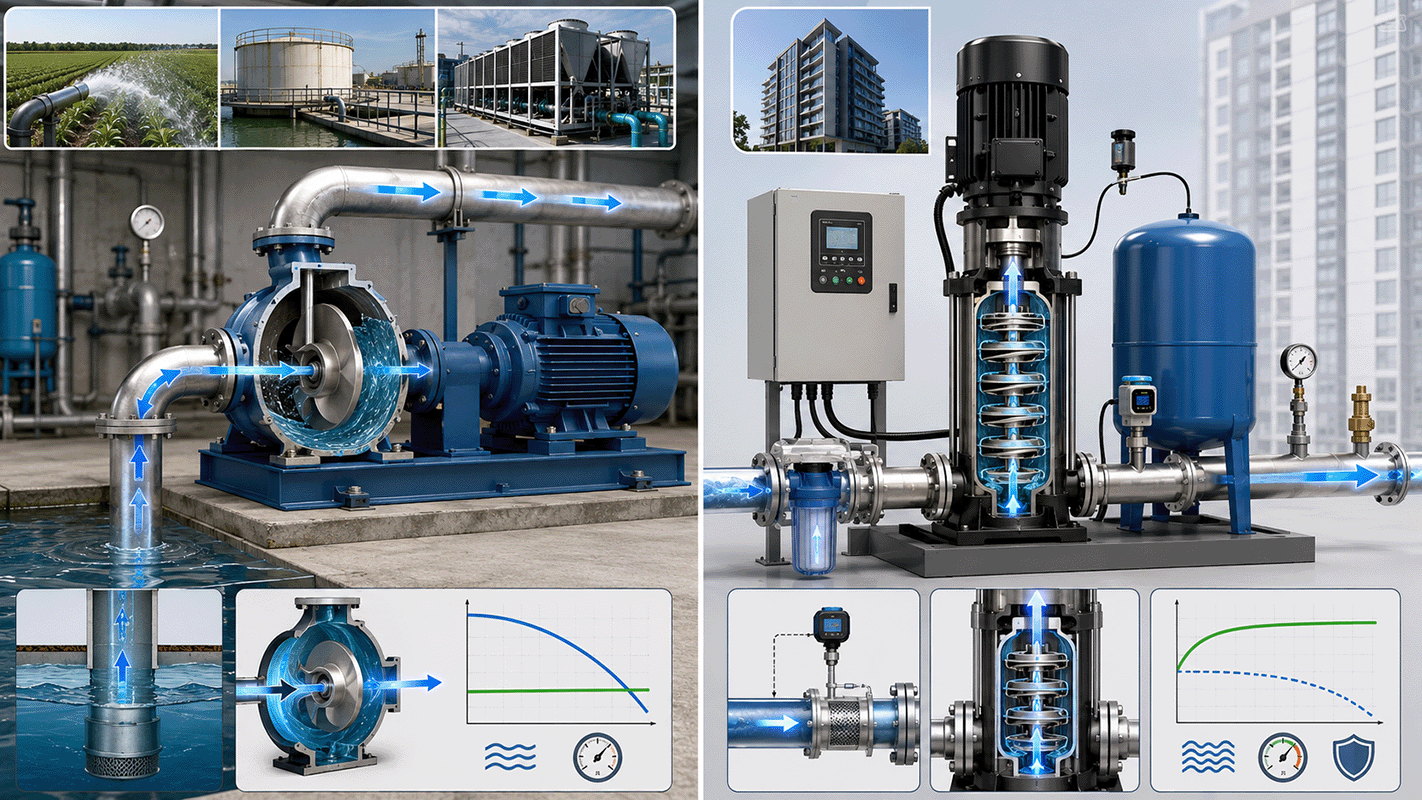
A normal centrifugal pump and a booster pump are used for very different things. A normal centrifugal pump is made to move a lot of water (high GPM) from one place to another at a mild pressure. Standard centrifugal pumps are great for moving large amounts of water, watering plants, and removing holding tanks because of this.
It raises the pressure of water that is already flowing to get around problems caused by elevation or system resistance. Booster pumps are needed in high-rise buildings or high-pressure filtration systems where regular pumps can’t push the water high enough.
- Impeller Design and System Structure
A normal centrifugal pump has a wide volute casing that surrounds a single-stage rotor. It can handle small amounts of impurities in the water without losing its effectiveness because the internal pathways are pretty wide.
Usually, a booster pump has more than one stage. Several impellers are stacked on top of each other on a single shaft. The pressure rises as water flows through each turbine in a row. Due to the small gaps inside these many steps, a booster pump needs clean, filtered water to keep its high-pressure output and stop internal wear.
- Installation Footprint and Space
Most standard centrifugal pumps are set up as end-suction units that are horizontal. The motor case and pump case are placed next to each other on a baseplate. With a large capacity, the machine will take up a lot of horizontal space in your mechanical room if you buy one.
It’s much easier to see how booster pumps can save room. A lot of current booster pumps are either inline or have a Vertical Multi-Stage (VMS) design. Because they are stacked vertically, you can fit a very powerful pump into a very small space. It’s much easier to fit them into small skids or narrow utility rooms.
- Energy Efficiency and Control Integration
A basic centrifugal pump is usually made to work at a constant speed. As soon as you turn it on, it starts moving the water at full speed, which works well for steady-flow situations but wastes energy when demand changes.
Value-added controllers (VFDs) and pressure sensors are almost always used with booster pumps. The VFD keeps the motor’s RPM from running at full speed all the time. Instead, it changes it to match your exact real-time water demand. This keeps your lines from being over-pressurized during times when they’re not being used, which saves you a lot of electricity.
- Suction Requirements and Cavitation Risk
You should know that normal centrifugal pumps need to be primed correctly so they don’t pull air in. They get water from a well, an atmospheric tank, or a storage, and how well they work depends a lot on how much Net Positive Suction Head (NPSH) they have.
Instead, a booster pump isn’t made to move water that’s already there. It needs to be fed by a line that is already under pressure, like a water main in a city. If the city pressure drops without warning, the booster pump could suffer serious cavitation. So, low-pressure shutdown switches are needed in booster systems to protect the internal parts.
- Maintenance and Wear
It’s easier to keep up with standard rotary pumps. They don’t have as many moving parts inside, and most facility workers can easily get to the single impeller or replace the standard mechanical seal.
It’s harder to rebuild a multi-stage booster pump than it is to fix a standard pump. It takes more time and accuracy to replace seals or bearings when there are multiple impellers, diffusers, and tighter standards. However, using high-grade stainless steel for the internal parts can greatly increase the time between repair visits.
- Cost
The starting cost of capital is less for standard centrifugal pumps. They are cheaper to make and can move water in general because the manufacturing process is easier.
The price to buy a booster pump is higher at first. The cost of production and parts goes up because there are more impellers, VFD controllers, and sensor arrays. If, on the other hand, your building’s water needs change over time, the VFD will likely pay for itself in energy saves within the first few years of operation.
- Applications
A normal centrifugal pump has great flow rates and is very long-lasting, which makes it perfect for providing water to factories, HVAC cooling tower loops, farms for watering, and cities for drinking.
A booster pump creates a very high vertical head pressure and exact control of the flow. So, you need to use it in plumbing networks for high-rise buildings, Reverse Osmosis (RO) water treatment plants, industrial pressure washing systems, and public water pressure booster stations.
V. What Factors Should Be Considered When Choosing the Right Booster Pump?
- Water Pressure Requirements
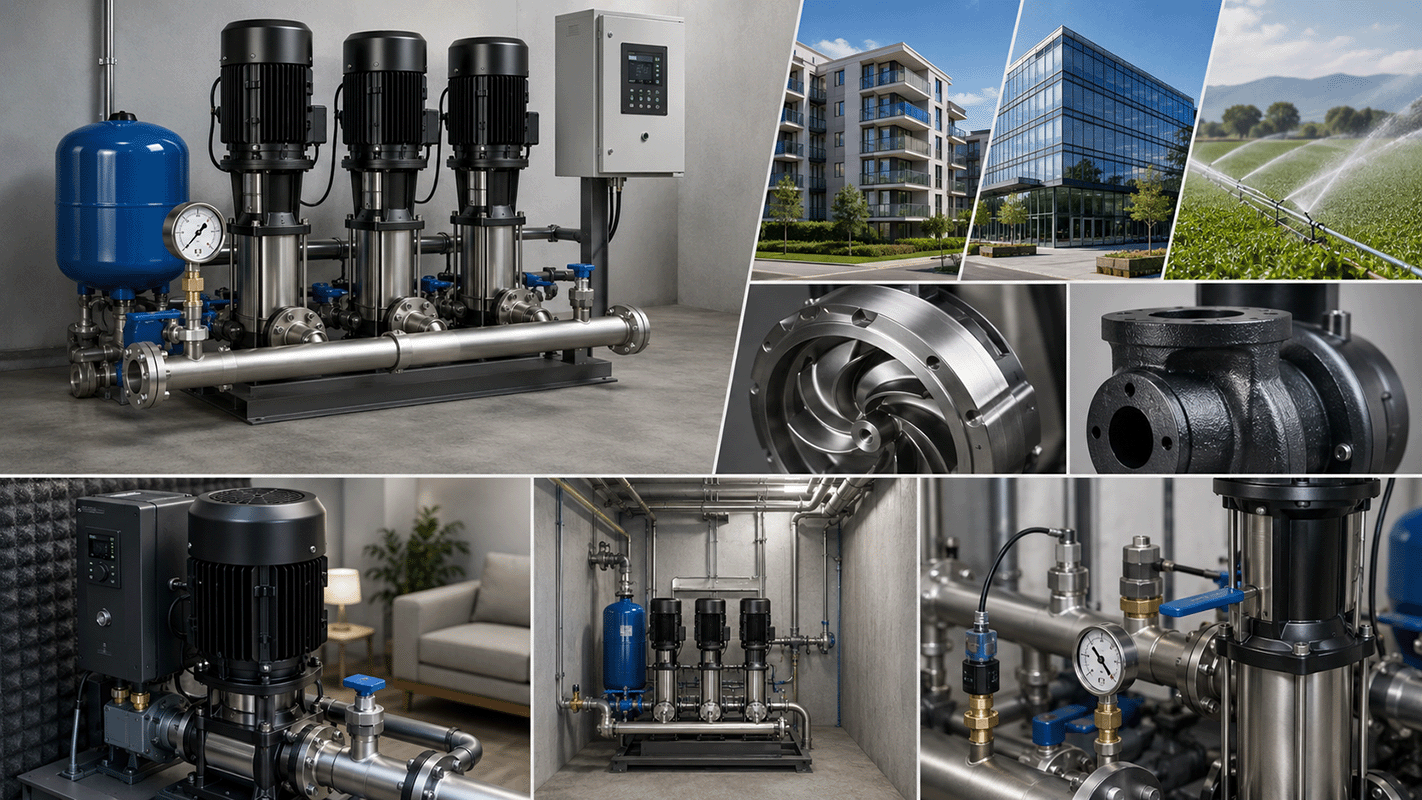
The required pressure level will determine your decision. For a steady supply of water, various structures and irrigation systems require varying pressure capacities.
- Flow Rate and Usage Demand
You should assess the amount of water used on a daily basis and during periods of high demand. This lessens the chance of unstable pressure and inadequate water flow.
- Pump Material and Durability
Stainless steel or cast iron booster pumps are more durable and have a longer service life in outdoor or corrosive situations.
- Energy Efficiency and Noise Control
Particularly in residential or commercial buildings, motor efficiency and noise level have a direct impact on installation comfort and operational expenses.
- Installation Space and System Compatibility
Pipeline layout, installation space, and compatibility with current water supply systems must all be taken into account. Planning should be done for future upkeep and growth.
In addition to the aforementioned elements, operating stability, maintenance needs, automatic control systems, and total lifespan cost should all be carefully taken into account.
VI. Conclusion
The reliability of the infrastructure depends on selecting the right type of pump for the hydraulic requirement. Centrifugal pumps are used for circulating and moving water. Booster pumps are used for maintaining system pressure. The wrong choice will cause pressure instability, overload, and early failure.
Taizhou Hangge Pump Co., LTD manufactures centrifugal and booster pump systems for commercial and industrial applications. From standard transfer pumps to VFD-controlled booster systems, Hangge helps distributors and contractors simplify procurement and improve field reliability with factory-direct production and stable product quality.
VII. Frequently Asked Questions (FAQ): Pump Sourcing & Installation
- Can a standard centrifugal pump handle solid waste or sludge?
No, standard centrifugal clear-water pumps and multi-stage booster pumps need water that has been cleaned and is clean. Centrifugal trash pumps with open impellers that can handle objects are needed to move trash.
- Do I need a pressure tank if my booster pump has a VFD?
No, you don’t need big diaphragm tanks when you have a Variable Frequency Drive (VFD). The VFD perfectly fits the motor speed to the current water demand. This keeps the plumbing system small and the pressure steady.
- What happens if a booster pump is installed on a pipe that is too small?
When you put a pump on pipe that isn’t the right size, it limits the flow and leaves the intake empty. This leads to severe cavitation, a situation in which tiny vacuum bubbles burst and damage the impeller blades.
- Can a booster pump be used to move hot water?
Standard types are only rated for fluids that are at room temperature. When pumping hot water, you need special mechanical parts that can handle the heat and hydraulics made of stainless steel to keep the pump from breaking down right away.
- Why is my centrifugal pump running but not moving any water?
Most of the time, this is due to “loss of prime,” which means that air is stuck inside the pump case or suction line. This stops the impeller from making the vacuum it needs to lift the static water.
- Should I install a bypass loop with my booster pump system?
A three-valve bypass loop should always be put in by builders. This way, building managers can separate the pump for repairs or replacements without cutting off the building’s main water source.
- What is the difference between single-phase and three-phase pump motors?
In homes, single-phase motors are normal. For heavy commercial centrifugal and booster pumps, three-phase motors are highly suggested because they use less energy and have smoother startup torque.
- Do booster pumps increase the actual Gallons Per Minute (GPM)?
Pressure regulators’ main job is to raise pressure (PSI), but forcing water harder through pipes that are too small often makes the flow rate (GPM) at the end fitting better.
- Is a check valve required on a centrifugal water pump?
Yes, it is very important to put a heavy-duty check valve on the output line. It stops the vertical stream of water from slamming backward into the pump housing when the motor turns off, which would spin the impeller in the wrong direction.
- Can a centrifugal pump be installed vertically?
Standard end-suction centrifugal pumps usually need to be placed horizontally to make sure the motor bearings are properly oiled, but many inline booster pumps are made to be installed vertically to save floor space.
- What materials are best for booster pump impellers?
Stainless steel impellers are the standard for industrial booster systems because they don’t rust, can handle high compounding pressure without warping, and are clean enough for drinking water.
- Why do multi-stage booster pumps produce a high-pitched whining noise?
Noise with a high pitch usually means that the motor bearings are worn out, the VFD harmonic filtering isn’t working right, or the pump isn’t working within its planned efficiency curve because a valve is closed.
- How close to the water source should a centrifugal pump be placed?
Standard centrifugal pumps should be put as close to the source of static water as is physically and safely possible. This will reduce friction loss and keep suction lift problems from happening.
- Can a standard centrifugal pump be converted into a booster pump?
A centrifugal pump can technically work as a booster by adding a pressure switch to an already compressed feed. But it doesn’t have the effective multi-stage shape that is needed for big, stable PSI gains.
- Does a commercial water pump require a dedicated electrical circuit?
Yes, it is strongly suggested that you connect the pump to a separate breaker. This handles the high inrush current that happens when the motor starts up and keeps shared building circuits from tripping for no reason.
- What causes a mechanical seal to leak on a centrifugal pump?
Mechanical valves often break and leak when the pump is dry-running (not using water), when chemicals attack them, or when the pump shaft is out of alignment, causing it to vibrate very much.
- What is NPSH and why does it matter for centrifugal pumps?
Net Positive Suction Head (NPSH) is the lowest fluid pressure that must be present at the pump’s intake to keep cavitation from happening. This keeps the impeller running easily and stops harmful vapor bubbles from forming.
- Can booster pumps be used for agricultural irrigation?
Yes. Standard centrifugal pumps are used for open flood irrigation, while booster pumps are used to force water through micro-drip lines or high-pressure center-pivot sprinklers that have very tight openings.
- How often should the pre-filter on a booster pump be cleaned?
Every three months, you should check the pre-filter screens and clean them right away if you notice a drop in pressure. This is because clogged filters starve the pump and will finally set off automatic dry-run protections.
- Are booster pumps self-priming?
Most booster pumps don’t need to be self-priming because they depend on a city line that is always under pressure. On the other hand, centrifugal pumps that draw water from deep tanks often need to be able to prime themselves.