I. Introduction
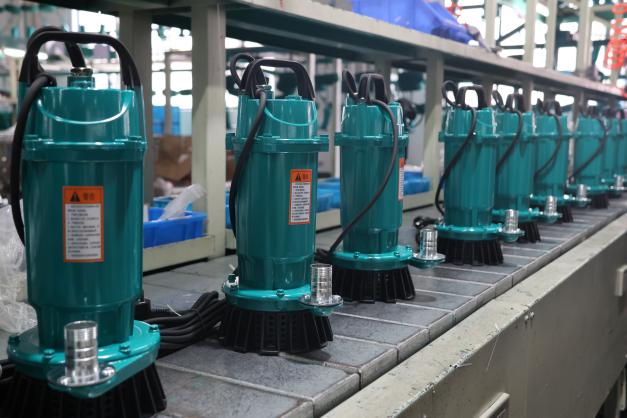
A septic tank pump helps you move wastewater, sewage water, or treated effluent when gravity drainage is not enough. This guide will show you the main types of septic tank pumps, where they are most often used, and what you should look for in a model for a septic, sewage, or wastewater system.
II. What Is a Septic Tank Pump?
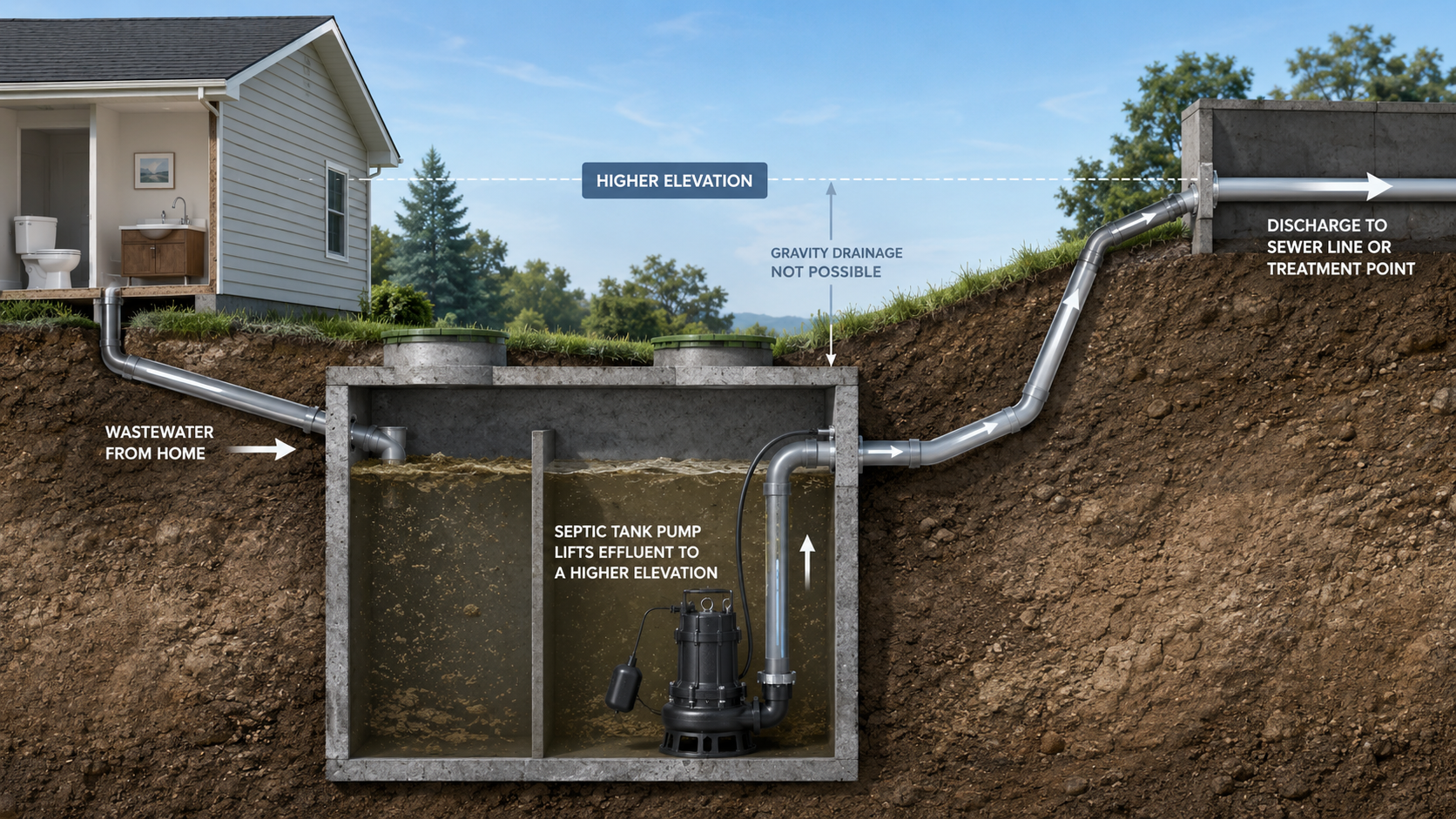
A septic tank pump is used to pump wastewater, sewage water, or treated effluent from a septic tank, sewage pit, or collection basin to another discharge point. This pump is needed when gravity drainage is not enough or when wastewater needs to be pumped from a lower elevation to a higher pipe or treatment facility.
A septic tank pump is made to operate under tougher wastewater conditions than a clean water pump. It may have to cope with settled liquid, soft solids, suspended materials, or frequent start-stop operation. That’s why you need to choose a pump that works with your actual drainage system, not just a pump that fits the size of the pipe.
III. Main Types of Septic Tank Pumps
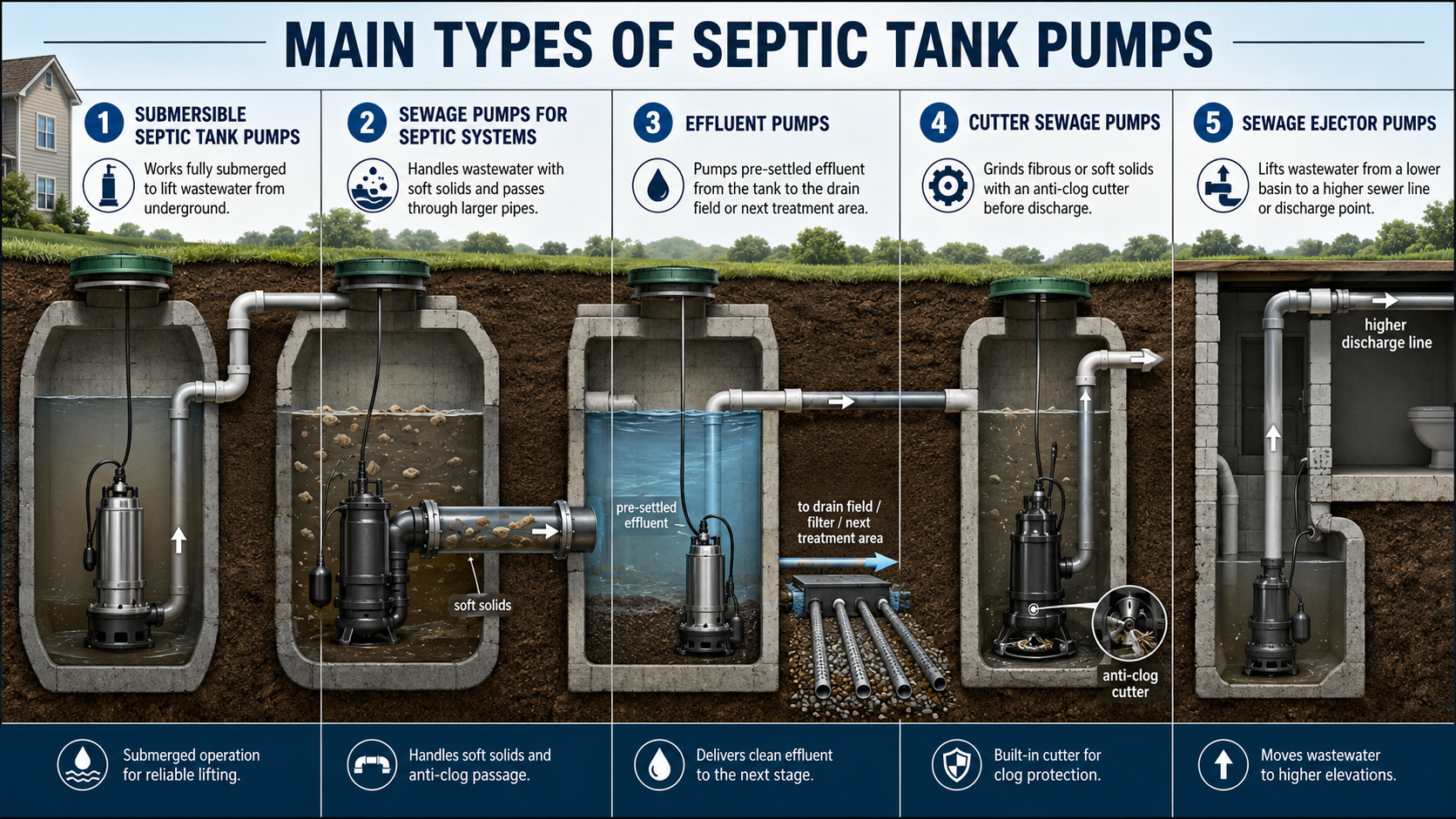
Here’s an easy way to choose a septic tank pump: what kind of wastewater does your system need to move? Some pumps are better for settled liquids that are easier to handle, others are better for wastewater with soft solids, and still others are made to keep things from getting clogged before they are released.
Submersible Septic Tank Pumps
You can use a submersible septic tank pump when the pump needs to work directly inside a tank, pit, or collection basin. This kind saves installation space as the pump remains below the liquid. This is generally a feasible alternative if your system needs to raise wastewater from an underground or low-level place.
Sewage Pumps for Septic Systems
If your wastewater contains soft solids or suspended solids, you might need a sewage pump. This type is often used for sewage transfer, septic pits, building drainage systems, and wastewater gathering places. If you are comparing models, you should consider solid passage size, outlet diameter, motor power, and anti-clog design. These details determine whether the pump can smoothly release the sewage.
Effluent Pumps
When the liquid is pre-settled and cleaner than raw sewage, you can choose an effluent pump. Typically, in this situation, the bigger solids remain in the tank while the pump transfers treated or partially treated wastewater to a drain field, filter system, or next treatment region. If your application does not involve handling significant materials, an effluent pump may suffice.
Cutter Sewage Pumps
If the wastewater could contain fibers, soft solids, or elements that can easily block the pump, you should select a cutter sewage pump. The cutter helps chop these items before they are discharged. So the pump and pipeline are less likely to clog. If your septic tank, sewage pit, or wastewater system is more likely to get blocked, this type can be a safer option.
Sewage Ejector Pumps
A sewage ejector pump is useful when you need to raise wastewater from a lower collection site to a higher sewer line or septic discharge pipe. This is typical for low-level drains, basement drainage points, subterranean wastewater basins, and collection chambers. Before you choose this type, you need to check the required head, size of basin, size of outlet, and automated switch control.
IV. Septic Tank Pump Application Areas
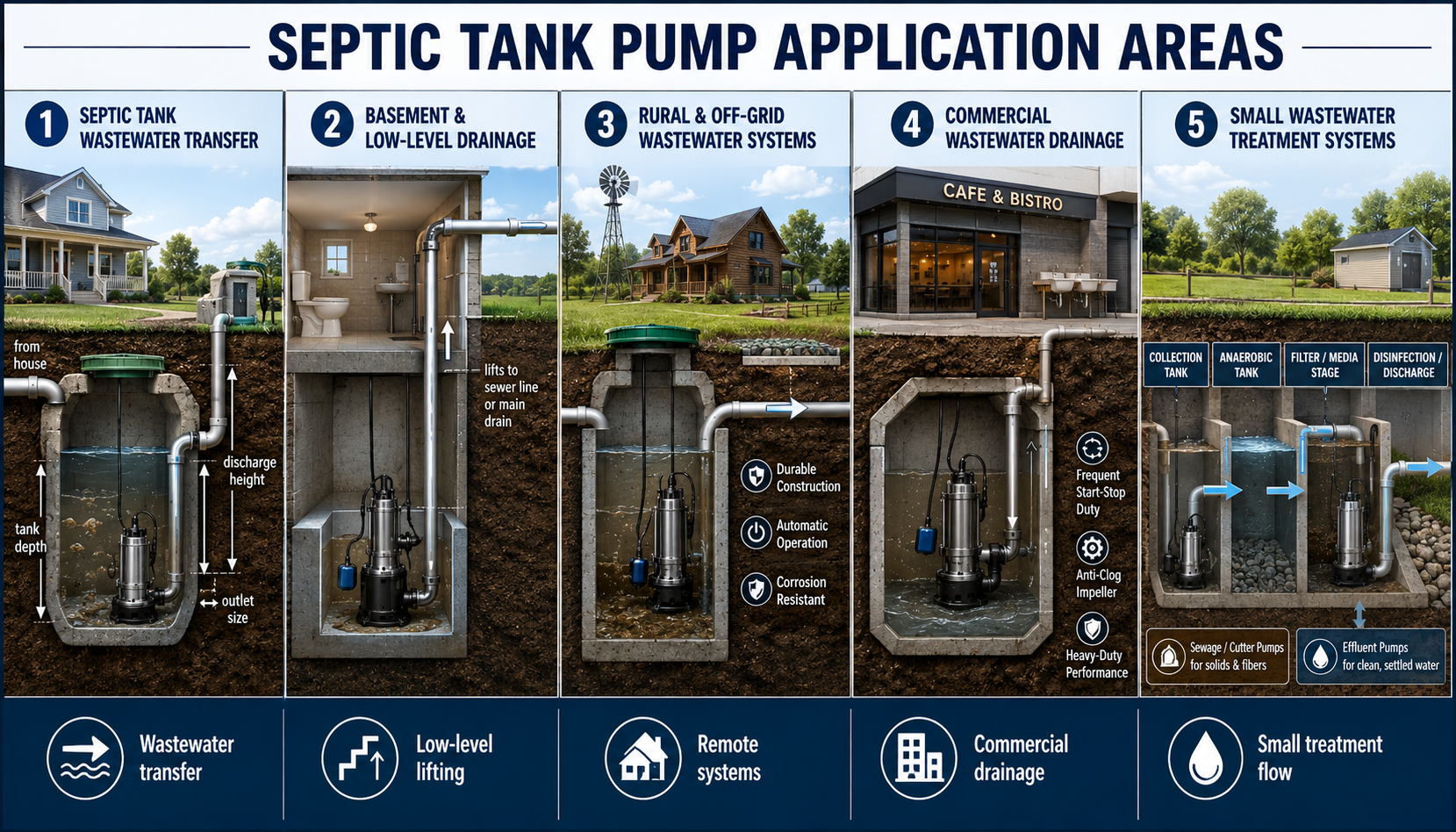
Septic tank pumps are used wherever wastewater needs help moving from a lower point to a higher or farther discharge point. The important thing for your application is to consider how unclean the liquid is, how far it must be moved, and how often the pump will be operated.
Septic Tank Wastewater Transfer
A septic tank pump can move treated or raw sewage from a septic tank to a different place where it can be dumped, treated, or collected. Check the tank depth, the state of the liquid, the flow rate you need, the discharge height, and the outlet size before you choose the pump. A good pump makes the system’s discharge go more easily and cuts down on problems with slow drainage.
Basement and Low-Level Drainage Systems
In basements, rooms below ground, and other places with low drainage, waste often can’t flow out on its own. A septic tank pump or sewage ejector pump can help move the wastewater to a higher sewer line in this case. For this purpose, you should pay attention to the head, basin size, float switch control, exit size, and how well it keeps drains clear.
Rural and Off-Grid Wastewater Systems
In farms, villas, rural buildings, and places that are far away or don’t have a direct connection to the city sewer system, you might need a pump to move wastewater from septic tanks, collection basins, or treatment chambers to the next spot where it can be dumped. For this type of system, you should look at how well the voltage matches, how easy it is to maintain, how resistant it is to rust, and how well the automatic control works.
Commercial Wastewater Drainage
Some sewage systems have to deal with more drainage during the course of a day. Septic tank pumps can be found in service buildings, public restrooms, shops, workshops, eateries, and places where wastewater is collected. For these uses, you should pay attention to the motor’s power, its ability to handle thick objects, its outlet size, the quality of its cables, its sealing structure, and how well it starts and stops frequently.
Small Wastewater Treatment Systems
Small wastewater treatment systems can also use septic tank pumps to move liquid between tanks, filters, or places where the wastewater is dumped. A sewage pump might work well if the liquid is already set and clean. If there are still solids, fibers, or other things in the liquid, a sewage pump or a cutting sewage pump might be a better choice.
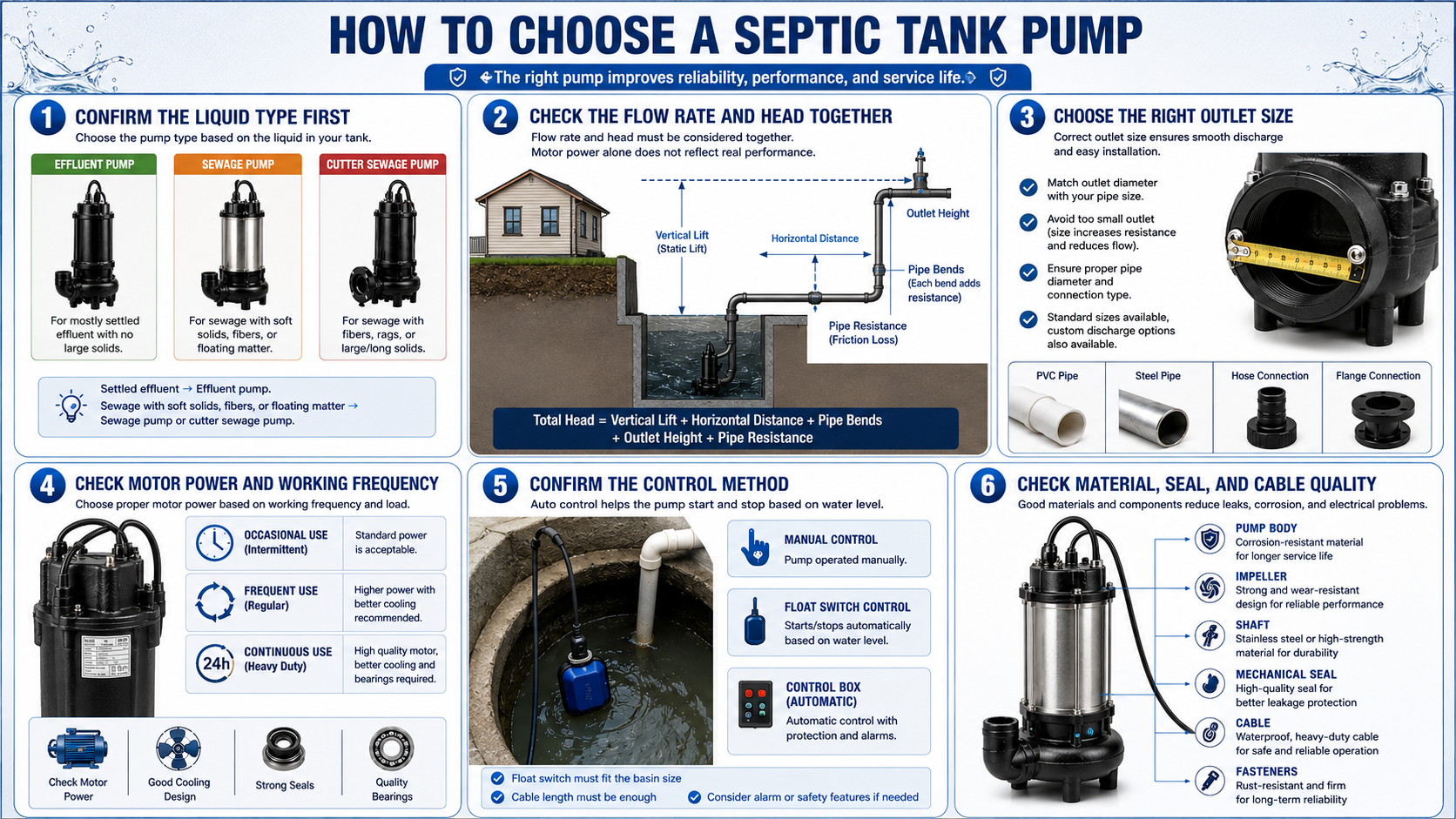
V. How to Choose a Septic Tank Pump for Real Applications
Not just the pump power or price should be used to choose a septic tank pump. If a septic tank pump looks strong on paper, but it doesn’t work well with your wastewater, pipes, discharge height, or frequency of use, it could still get clogged, release slowly, overheat, or have a short life.
Confirm the Liquid Type First
You should know what the pump can handle before you buy a septic tank pump. If the liquid is mostly settled effluent, an effluent pump may be enough. For sewage that has soft solids like toilet paper, fibers, or matter floating in it, you might need a sewage pump or a cutter sewage pump. The type of liquid determines the structure of the pump, the type of impeller, the solid path, and the anti-clog design.
Check the Flow Rate and Head Together
Flow rate tells you how much wastewater the pump can move. The pump’s head tells you how high it can lift the liquid. Both need to be checked at the same time. You might get the wrong idea about the pump if you only look at the motor power. The final output performance can be changed by the vertical lift, the horizontal pipe distance, the pipe bends, the outlet height, and the pipe resistance.
Choose the Right Outlet Size
The outlet size should match your pipes. The pump may have to deal with more opposition and a weaker discharge if the outlet is too small. The fitting process is harder if the outlet doesn’t fit the pipeline. Before placing an order, you should make sure you know the diameter of the outlet, the size of the pipe, the type of connection, and whether you need standard or custom discharge choices.
Check Motor Power and Working Frequency
The motor should have the right amount of speed for the job. A pump that is only used once in a while is not the same as a pump that is used in sewer systems all the time. If the motor isn’t strong enough, it could get too hot or break down when stressed. If the pump is too big, it could waste energy and wear out faster. If you use it a lot, you should also check the motor’s quality, its ability to cool, its seals, and its ability to support bearings.
Confirm the Control Method
A septic tank pump can use manual control, float switch control, or a control box. Auto control is generally better for tanks, pits, and collection basins because the pump can start and stop depending on the level of the water. Check the float switch to make sure it fits the basin, the cable length to make sure it’s long enough, and the need for warning or safety features.
Check Material, Seal, and Cable Quality
Most of the time, dirty water is harder on pump parts than clean water. Before you pick a model, you should look at the pump body, impeller, shaft, mechanical seal, wire, and fasteners. Leaks, corrosion, electricity problems, and sudden service problems are less likely to happen when materials are more consistent. If the liquid state is harder, it’s even more important to have good seals and protect the cables.
VI. Conclusion
A good septic tank pump should be matched with not only the basic power need but also the way the septic tank drains. Your wastewater system will work better and have fewer clogs, overflow risks, and upkeep issues if the type of pump, its discharge capacity, its ability to handle solids, its outlet size, and its control mechanism are all well-matched.
You can send HunGerät information about your project and we will come up with a septic tank pump option that works for you. You can get help choosing the right model for septic systems, sewage pits, wastewater transfer, and draining needs.
VII. FAQ: Septic Tank Pump Questions
1. Can you use a normal drainage pump as a septic tank pump?
If the septic wastewater includes solids, fibers, or sewage matter, then you should not use a normal draining pump. A drainage pump’s main purpose is to move water, whereas a septic tank pump must be able to manage wastewater more efficiently and prevent it from becoming clogged.
2. Why does a septic tank pump keep clogging?
If the solids passage is too small, if the pipe has too many bends, or if the wastewater contains fibers and other materials, a septic pump can clog. Make sure the liquid state and choose a HunGerät model with a nice design so that it will not block.
3. Why does a septic tank pump run but not pump water?
You can see this when the impeller is stopped, the motor is turning the incorrect way, the check valve is damaged, the water level is too low, or the outflow pipe is broken. Before replacing the pump in the septic tank, it is a good idea to examine the pipe, valve, power source, and pump output.
4. Does a septic tank pump need a check valve?
Yes, a check valve is usually a good idea. It stops wastewater from coming back into the tank or sink when the pump is switched off. A check valve in a septic tank pump system can assist in keeping the flow steady and decreasing the number of times the pump needs to kick on.
5. How long can a septic tank pump run at one time?
How long it runs depends on the type of motor, the condition of the liquid, the water level, and the cooling ability. If your septic tank pump has to work a lot and for a long time, then you need to choose a pump with a powerful enough motor, good sealing, and thermal safety.
6. Why does a septic tank pump smell bad?
The smell often comes from the septic system itself, not just the pump. It could be due to poor ventilation, stagnant wastewater, backflow, leaks, or a late release.
7. Can a septic tank pump be used for greywater?
Yes, you can use a septic tank pump for graywater as long as the liquid is in the right state for the pump. You should check to see if a sewage pump or a cutting pump is better for the graywater if it has hair, fibers, food waste, or other things that are suspended in it.
8. What cable length should you choose for a septic tank pump?
The depth of the tank, where it will be installed, where the control box will be, and how far away it is from the power source should all affect the length of the cable. When you buy a HunGerät septic tank pump, you can confirm the standard cable length or ask for different cable lengths.
9. What outlet size is better for a septic tank pump?
Flow requirements, pipe layout, solid passage, and area installation standards all play a role in choosing the right outlet size. A bigger exit might make it less likely that it will get clogged, but it should still work with your pipe system. Before you order, HunGerät can help you check the size of the outlet.
10. Can a septic tank pump work automatically?
A float switch or control box can work with a lot of septic tank pumps. The pump can start and stop automatically based on the water level. This lowers the risk of overflow and makes the system easier to handle.
11. What is the difference between a septic tank pump and a sump pump?
A sump pump is mostly used for clean drainage water, groundwater, or rainwater. And because it deals with sewage, effluent, or wastewater, a septic tank pump generally needs to be better at moving solids, sealing, and keeping things from getting clogged.
12. Can a septic tank pump be used in a sewage pit?
Yes, a septic tank pump can be used in a sewage pit as long as the structure of the pump works with the type of wastewater. Before you pick a model, you should look at the pit depth, liquid type, solid content, exit size, head, and control method.
13. What causes a septic tank pump motor to burn out?
Motor burnout may be caused by an overload, a clogged rotor, the wrong voltage, dry running, starting and stopping often, not enough cooling, or running for a long time with a lot of load on it. To lower the chance, pick a HunGerät septic tank pump with a protector in the motor model.
14. How often should you inspect a septic tank pump?
Depending on how often it works and the state of the wastewater. Float switch movement, noise, vibration, discharge flow, leakage signs, and whether the inlet is stopped are all common things that are checked.
15. What spare parts should you prepare for septic tank pump maintenance?
Impellers, float switches, wires, bearings, gaskets, and check valves are some of the most common spare parts. HunGerät can help you make septic tank pump spare parts for the type you choose if you plan to use them often or get them again.
16. What information should you send before asking for a septic tank pump quotation?
Kind of liquid, amount of solids in it, flow rate, head, voltage, frequency, outlet size, installation depth, cord length, control method, and number of items to be ordered should all be sent. With this knowledge, HunGerät can suggest a septic tank pump model that will work better.
17. How do you avoid choosing the wrong septic tank pump?
You shouldn’t just pick based on price, motor power, or pump size. Check the state of the wastewater, how the solids are handled, the head, the flow, the size of the outlet, the control method, the material, the cable, and the support for spare parts. HunGerät can help you find the right septic tank pump for your needs.