

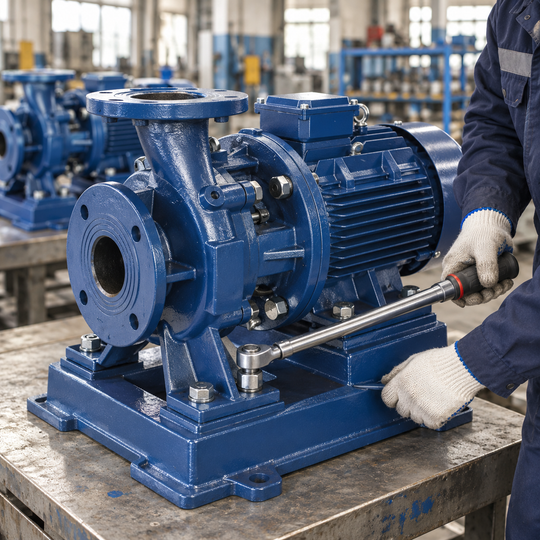
Horizontal Inline Pump Product Highlights
- Inline Pipeline Installation Design: Due to the fact that the inlet and outlet ports are located in the same pipeline direction, Horizontal Inline Pumps are easier to install straight into circulation systems, requiring less space and a simpler pipe layout.
- Stable Circulation Performance: Stable motor structures and well-designed hydraulic parts keep the water flowing smoothly for jobs that need to be done all the time. To meet the needs of different systems, different models can handle flow rates between 1.5 m³/h and 25 m³/h.
- Compact Structure for Space Saving: The horizontal inline design takes up less room for installation than other types of pumps. This makes it easier to add the pump to systems for heating, cooling, HVAC, and water circulation.
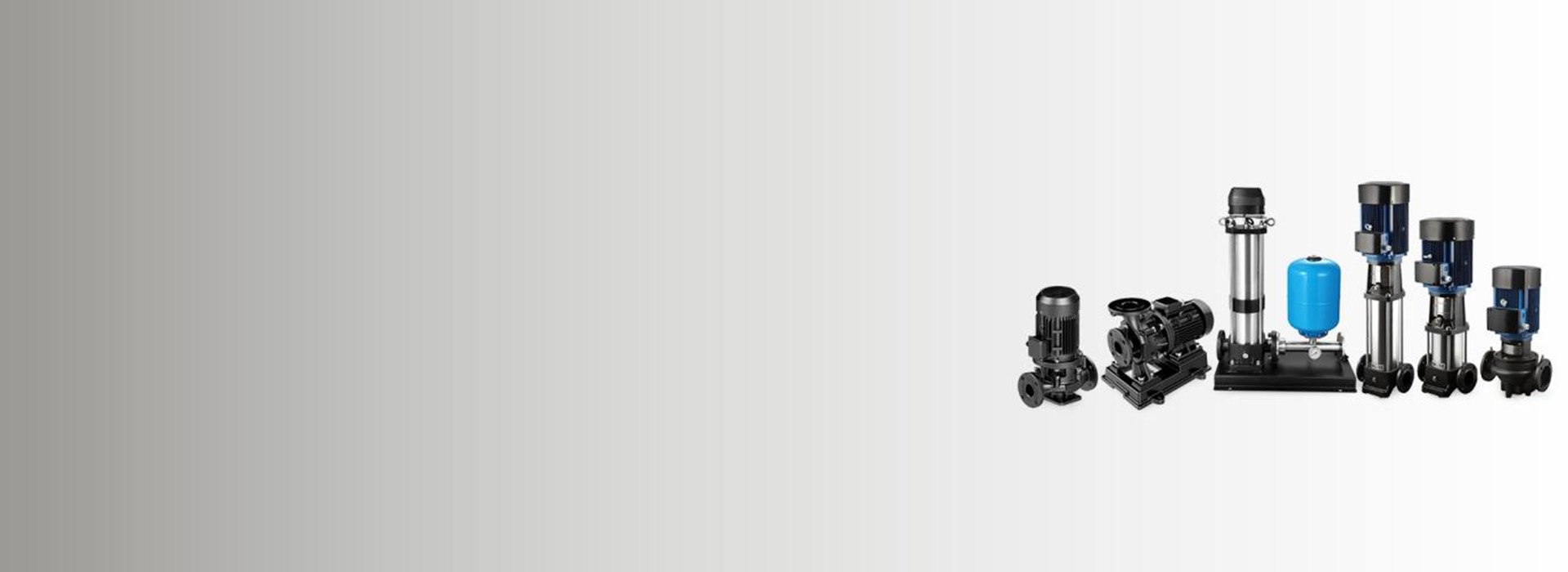
- Multiple Model Options: The LRS series, LRS-F flanged types, LRS-S intelligent circulation pumps, and LRS-AUTO automatic circulation pumps all offer different options for connecting to pipelines, controlling them, and using them.
- Efficient Hydraulic Operation: Optimised fan and flow channel designs help lower hydraulic loss during circulation. This lets you get stable performance while using less energy and running more quietly.
- Wide Temperature & Circulation Applications: Horizontal Inline Pumps are useful for moving hot water, HVAC systems, heating systems, cooling systems, and industrial tasks that need to work reliably for a long time.
Horizontal Inline Pump Supplier for Efficient Circulation Systems
HunGerät Horizontal Inline Pumps are a reliable choice for heating, cooling, HVAC, and industrial circulation systems that need stable water flow and easy pipeline integration. This series has a variety of pump configurations, connection choices, and control solutions to help you with applications that need water to move all the time.
The inline pump design lets you put the pump right into pipeline systems, which saves space and makes system integration easier. HunGerät’s reliable production, technical support, and adaptable order management make it easier to set up a Horizontal Inline Pump supply system that works for long-term projects and a range of circulation needs.
Horizontal Inline Pumps by Design
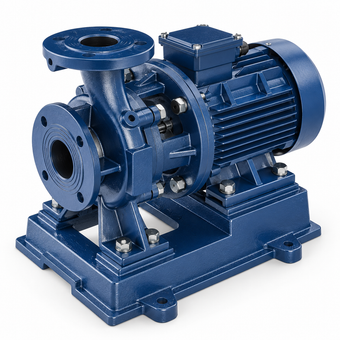 LRS Series Standard Horizontal Inline Circulation Pumps
This kind has an inline centrifugal structure with inlet and outlet ports that are lined up, which makes it simple to install directly into pipeline systems. It can be used for building water supply, HVAC circulation, hot and cold water circulation, and other tasks that need stable flow and small placement.
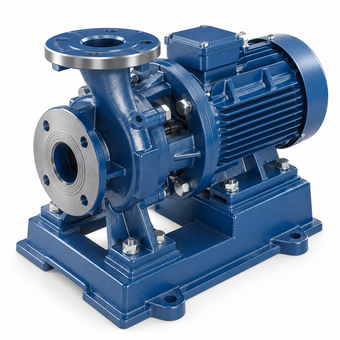 LRS-F Series Flanged Horizontal Inline Pumps
The flanged connection design makes it easier to install larger circulation systems and makes it easier for pipelines to fit together. These pumps can be used in commercial buildings, heating systems, industrial water circulation, and other places where a strong connection is needed.
 LRS-S & LRS-AUTO Series Intelligent Horizontal Inline Pumps
These pumps have an inline circulation structure and smart control features that make it easier to manage pressure and run more efficiently. The design works for modern water systems that need to be able to adjust themselves automatically, use less energy, and be easier to control.
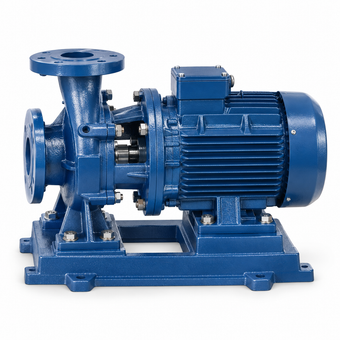 LRSW-AUTO Series Automatic Horizontal Inline Booster Pumps
Automatic pressure control and an inline pump structure work together in this type to provide a stable water supply. It works well for adding water to homes, small business water systems, and uses where it needs to start and stop automatically.
Why Choose HunGerät as Your Horizontal Inline Pump Factory

Since HunGerät has been making pumps for 25 years, they have a lot of knowledge about circulation pump structures, hydraulic optimisation, and the different ways that pipelines need to be installed. Now that you know this, you can get Horizontal Inline Pumps that work reliably, keep the quality constant, and provide stable circulation for long-term system use.

HunGerät has a variety of Horizontal Inline Pumps, such as standard circulation models, large circulation models, flanged designs, and types with automatic control. You can get a better system match by choosing the right pump based on your flow needs, the condition of the pipeline, the temperature range, and the way you plan to put it.

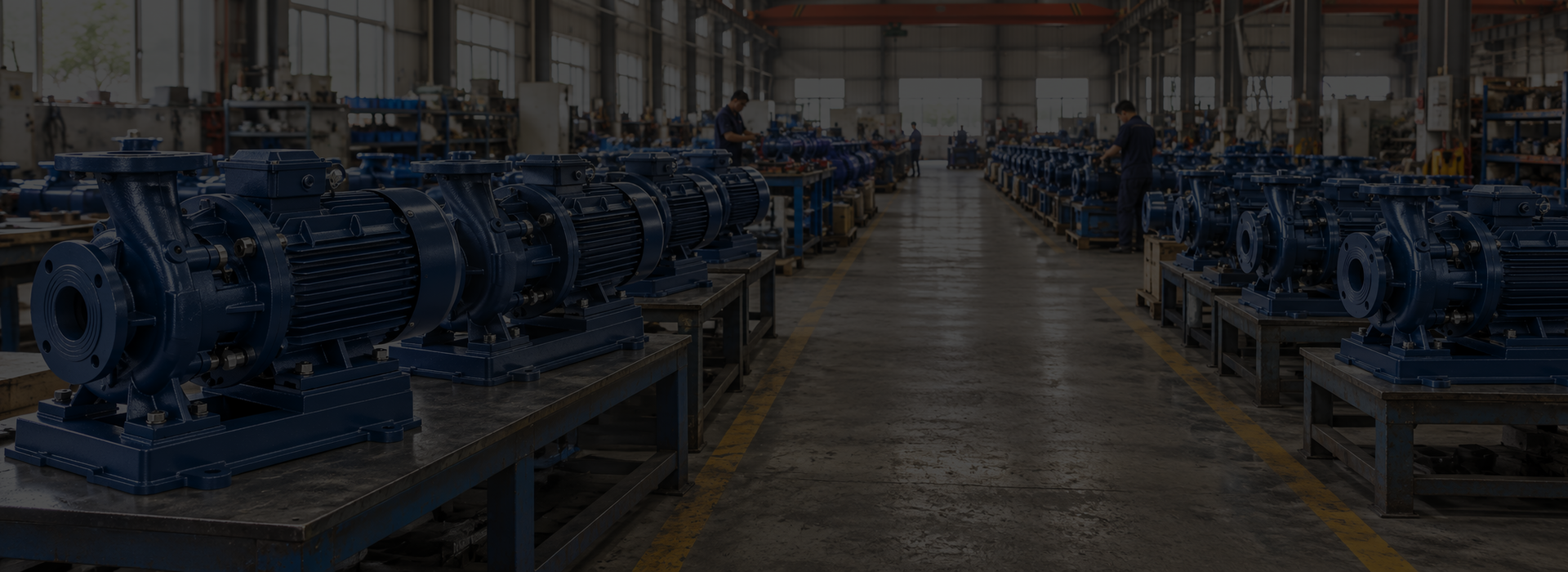
The 25,000 m² workshop space can be used for making things in batches, putting things together, inspecting them, getting stock ready, and loading containers. This production tool helps you keep track of repeat orders, project supplies, and planning your inventory because it gives you a better idea of when your packages will arrive.

HunGerät Horizontal Inline Pumps are made to keep water moving continuously. They have long-lasting motor systems and hydraulic parts that work better. The small, inline design of the pump makes it easy to add it to systems for heating, cooling, HVAC, and industrial circulation, all while keeping the flow of water steady.

With HunGerät, OEMs can change labels, colours, packaging, voltage, frequency, and the way products are set up. Your Horizontal Inline Pump products can meet the needs of various markets and customers with these options.
Inline Structure for Easy Pipeline Installation
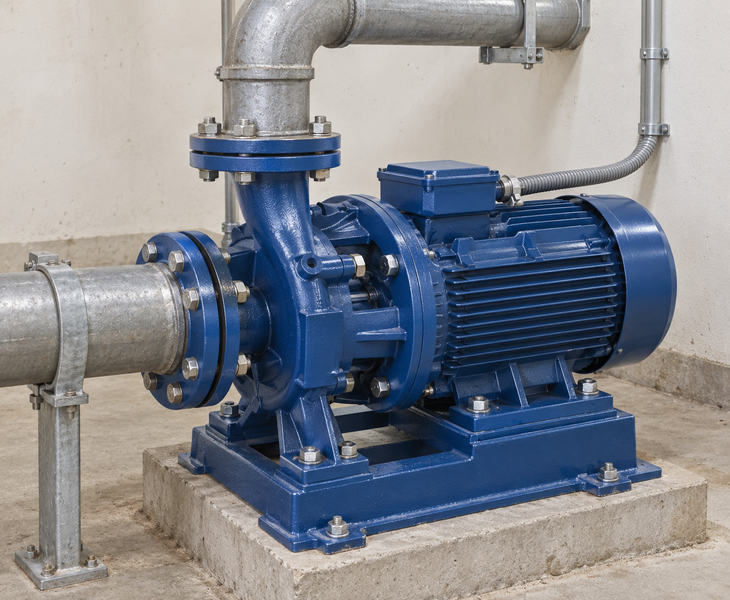
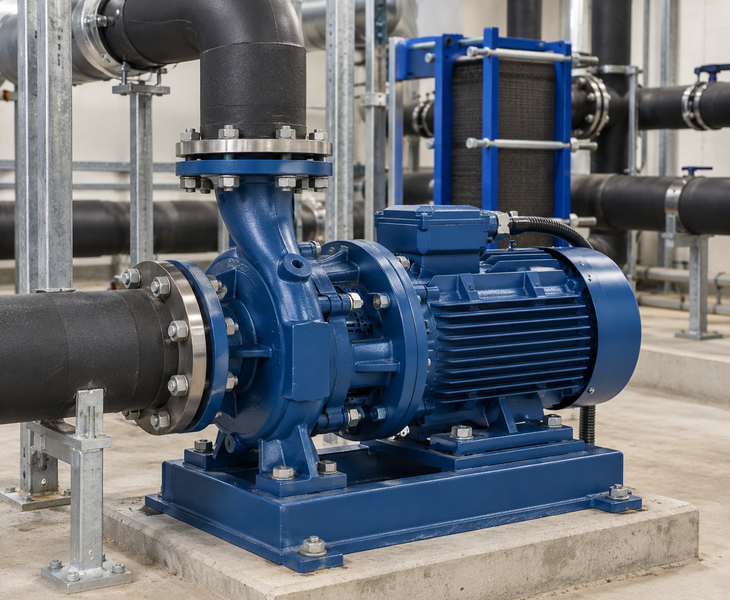
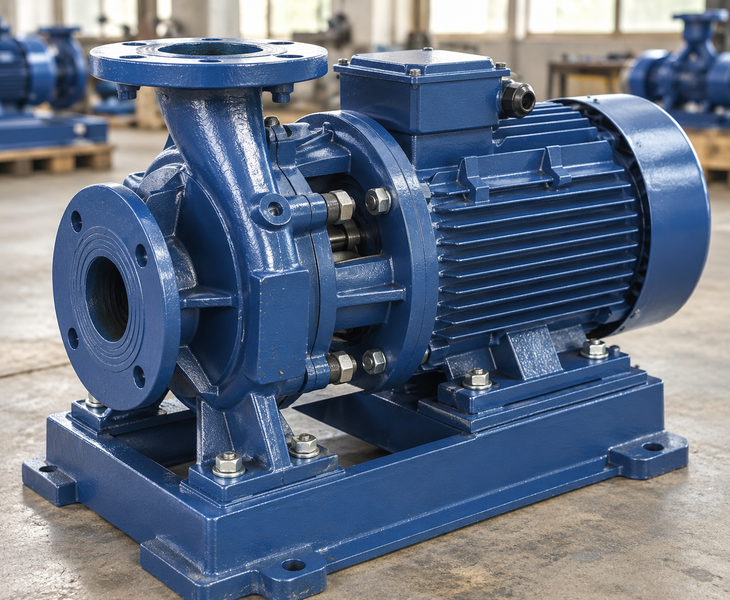
HunGerät Horizontal Inline Pumps can be used with an inline circulation structure, which means that the inlet and outlet are in the same direction as the pipeline. You can easily install this small design in heating systems, HVAC circulation systems, hot water systems, and other places where you need to save room by integrating pipelines.
Stable Circulation Performance for Continuous Water Movement
You can use HunGerät LRS Series Horizontal Inline Pumps for jobs that need continuous circulation. They have motors that work reliably and hydraulic parts that are optimised. Several types offer steady flow rates, with capacities ranging from about 1.5 m³/h to 25 m³/h. This lets you meet the needs of circulation systems in homes, businesses, and factories.
Optimized Hydraulic Design for Efficient Energy Use
HunGerät Horizontal Inline Pumps have better hydraulic passages and matching impeller designs that help keep energy from being lost while water is moving through them. The structure is efficient, so it lets you keep stable performance with less noise in heating, cooling, and water circulation tasks.
Multiple Control Options for Flexible System Management
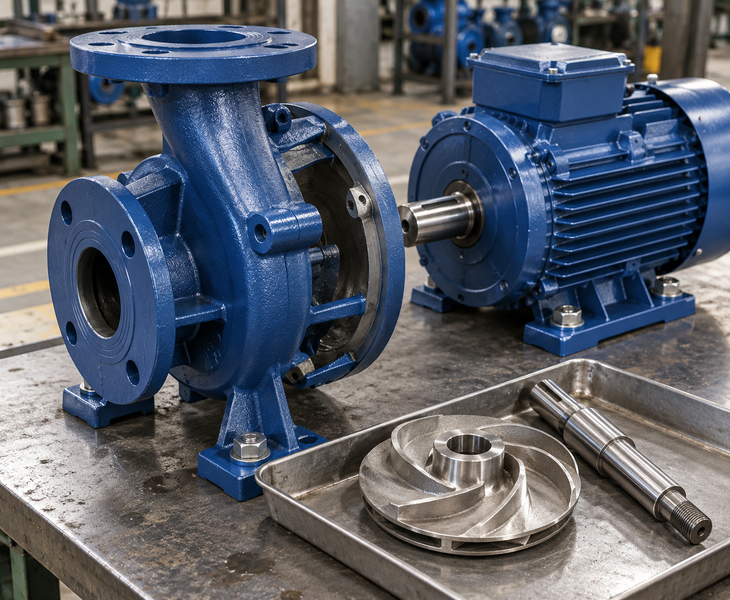
When you need smarter circulation control, you can choose from models in the LRS-S and LRS-AUTO series. These designs make it easier to run the system by adjusting itself automatically, and they also make it more efficient for current water circulation uses.
Durable Pump Construction for Long-Term Operation
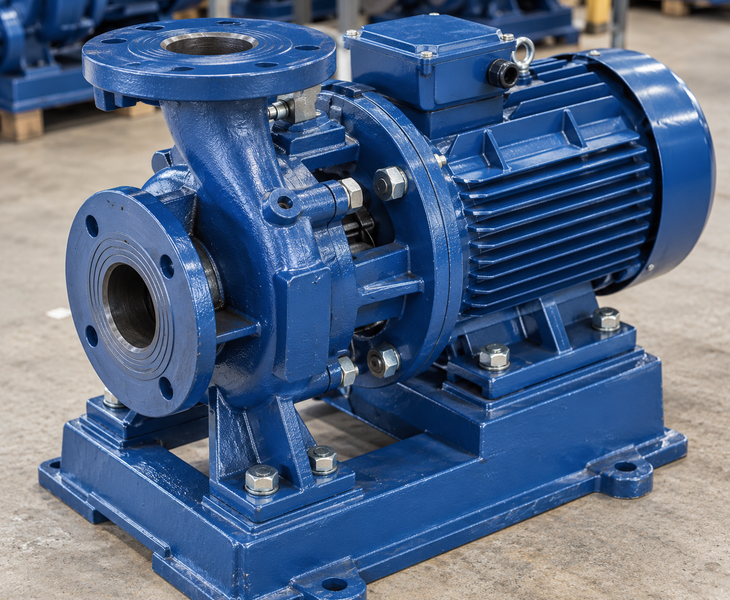
HunGerät Horizontal Inline Pumps come with a variety of pump body materials, such as cast iron, brass, and stainless steel, so you can pick the right one for your needs. The sturdy design lets you use it for a long time in places like HVAC systems, hot water circulation, and industrial water transfer.
Your Reliable Factory for Horizontal Inline Pumps

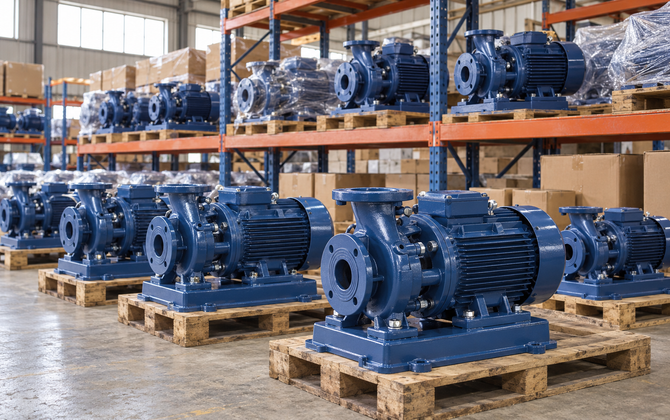
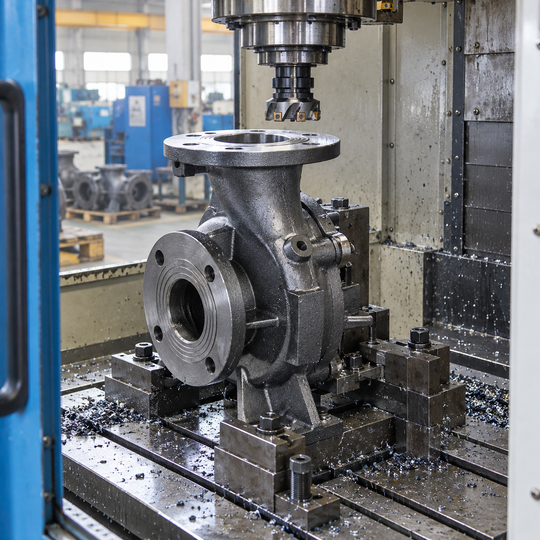
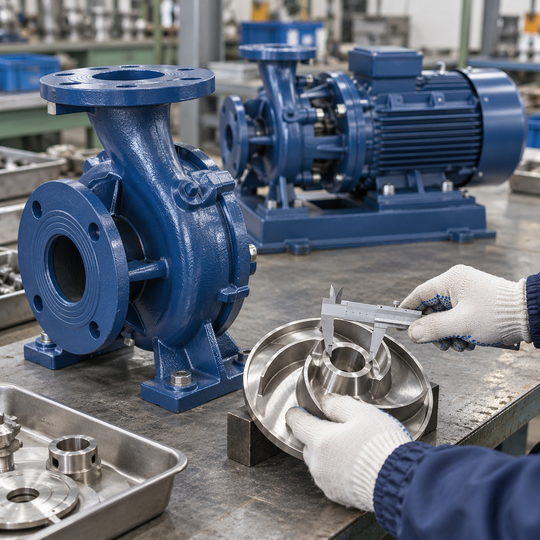
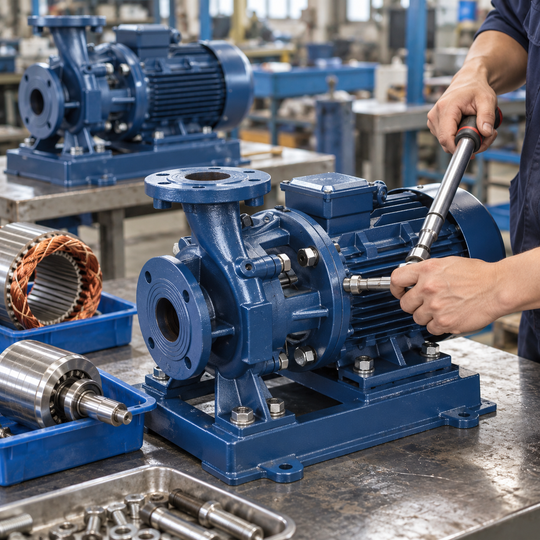
HunGerät supports horizontal pump production through component preparation, assembly, performance testing, and final inspection. Pump body condition, motor operation, hydraulic performance, sealing, and appearance are checked as part of the production process.
For an ISW, ISWH, ISWB, or ISWHB enquiry, provide the model or required duty, liquid temperature, materials, flange requirements, power supply, quantity, and delivery requirements. Our team can help with model selection, technical communication, quotations, and order follow-up.
Horizontal Inline Pump Application Areas
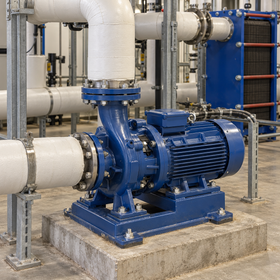
For heating and cooling devices to keep the temperature stable, water must always be moving. Horizontal inline pumps are commonly used in HVAC systems to move chilled water, hot water, and other fluids around. They offer reliable flow performance and are easy to install.
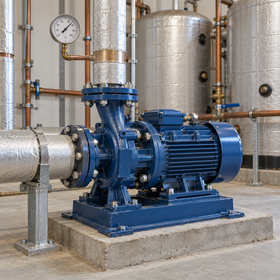
Within hot water systems, pumps are needed to keep the water going smoothly through the pipes. When continuous operation is needed, horizontal inline pumps help keep the flow steady in hot water systems, commercial buildings, and heating systems.
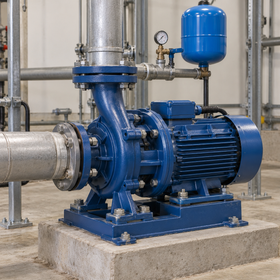
For water to move from one part of a building’s system to another, big buildings need effective circulation systems. Horizontal inline pumps work well in building circulation systems that need to save room and keep the water flowing steadily.
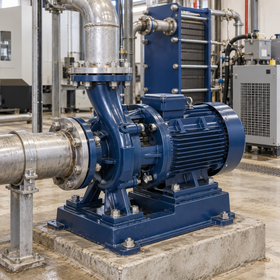
Fluids need to be constantly moving through industrial equipment and production systems in order to keep running normally. Horizontal Inline Pumps move water steadily in utility water systems, machine cooling, and industrial cooling systems that need to work well for a long time.
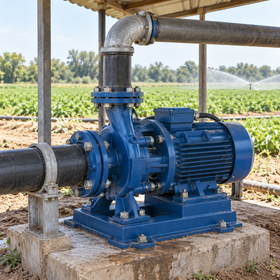
Moving heat from the collectors to the storage units in solar heating systems needs to work well. Because they work reliably and are easy to add to current pipeline layouts, horizontal inline pumps can help these systems.
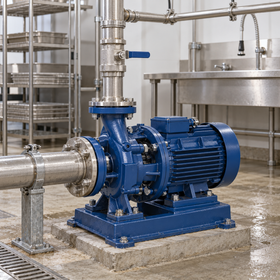
Maintaining the filtration and circulation processes in water treatment equipment requires a steady flow of water. For filtration systems, water handling equipment, and circulation loops that need stable flow and easy pipeline installation, horizontal inline pumps are used.
The highest flow rate is determined by the type of pump and its hydraulic design. However, many Horizontal Inline Pumps can offer flow rates between 1.5 m³/h and 25 m³/h. When more water movement is needed, bigger circulation models can be made to fit.
The head range of a standard Horizontal Inline Pump is generally between 5 and 25 m, but this depends on the model and the design of the impeller. For systems that need more pressure, you should choose a model with the right hydraulic steps or get a solution that is made just for you.
Yes, if you choose the right Horizontal Inline Pump and keep the flow, pressure, liquid temperature, and motor load within the suggested working range, it can run nonstop for 24 hours. Continuous circulation systems, like HVAC systems, often need to run in this way for a long time.
A horizontal inline pump has aligned inlet and exit ports that let it be installed directly into pipelines. This is not possible with most centrifugal pumps, which need separate suction and discharge pipes. When you need to make integration easier and installation take up less space, inline designs are better.
The static height difference, the friction loss in the pipeline, and the system pressure needs should all be added together to get the total head. For example, if your system has a 4 m pipeline resistance and an 8 m elevation loss, you should get a pump that can handle at least 12 m of head
Most horizontal inline pumps are made to move water around, and they can usually handle liquid temperatures between 0°C and 90°C, based on the seal and the way the materials are arranged. For higher temperature needs, you can choose from different types of hot water.
Some horizontal inline pumps have motors with as little as 25 W of power and as much as several kilowatts of power for bigger industrial circulation systems. The right motor power is based on the operating time, flow, head, and resistance of the pipeline.
Yes, Horizontal Inline Pumps are often used to move hot water because their inline design makes them easy to connect to heating pipes. Models with the right sealing materials and temperature ratings can handle hot water flowing all the time.
Yes, Horizontal Inline Pumps can be used to move cold water in cooling and air conditioning systems. The flow rate, head loss, and liquid temperature of the cooling loop should all be taken into account when choosing the pump.
A Horizontal Inline Pump that is properly chosen and set up can usually work reliably for 8 to 10 years under normal water flow conditions. How long it actually lasts depends on things like how often it is maintained, how many hours it is used, the quality of the water, the temperature, and whether it flows and heads within its rated range. Checking the mechanical seal, bearings, and motor state on a regular basis can help the pump last longer than this range.
Most small and medium Horizontal Inline Pumps don’t need a big foundation because they are small and are installed inline. Larger types might need extra support to cut down on vibrations and make them more stable over time.
Horizontal Inline Pumps usually come with either threaded or flanged connections, depending on the size of the model and the use. For larger pipelines, flanged versions are often better because they make the mechanical connection stronger.
You should pick based on the size of the pipeline, how it will be installed, and the pressure needs of the system. Models with a standard connection work well for general circulation systems, while models with flanges are better for bigger industrial or commercial pipelines.
Yes, horizontal inline pumps can work with variable frequency drives to change the speed of the motor based on the needs of the system. This lets you tighten control of flow more precisely and cut down on energy use when demand is low.
Low flow can be caused by picking the wrong pump, pipes that are clogged, air getting into the system, not enough inlet conditions, or too much system resistance. Checking the real flow needed and the condition of the pipeline can help figure out what’s wrong.
Yes, if the motor’s head is higher than the system’s resistance, the horizontal inline pump can raise the circulation pressure. As a result, you should figure out how much pressure you need to raise before picking a pump type.
The LRS models are made for regular movement tasks, and the LRS-AUTO models have automatic control features that make the system easier to use. Versions that start, stop, or adjust the pressure automatically are what you need.
Yes, Horizontal Inline Pumps can be used to move heat transfer fluids between collectors and storage tanks in systems that use sun heating. The flow rate needed, the temperature range, and the system resistance should all be taken into account when choosing the pump.
Different models of Horizontal Inline Pumps can be made from different materials, such as cast iron, brass, and stainless steel, to handle different types of work. When picking a material, you should think about the temperature, water quality, corrosion risk, and the area where it will be used.
Before choosing a model, you should know the flow rate, head, liquid temperature, tubing size, connection type, and working conditions that you need. Based on the needs of your system, HunGerät can help you find the right Horizontal Inline Pump design.
How to Pick the Right Horizontal Inline Pump for Your System
Before you pick the right Horizontal Inline Pump, you need to make sure that your system meets the flow rate, head, and circulation needs. First, figure out how much water needs to be moved by using the system’s size, the length of the pipes, the pressure loss, and the speed at which the water needs to move. For instance, if an HVAC system needs 10 m³/h of flow and the pipeline resistance causes a 12 m head loss, you should choose a pump with a head higher than 12 m to make sure stable water flow and avoid not having enough flow.
Before choosing a pump, you should also think about how it will be installed, what kind of connection it will have, the temperature of the liquid, how it will be controlled, and where it will be used. Standard Horizontal Inline Pumps can be used for systems that heat, cool, or circulate fluids. Flanged models are better for bigger pipelines that need stronger connections. Automatic or intelligent models are best for systems that need to automatically change the pressure. HunGerät can help you choose or make the right Horizontal Inline Pump for your circulation system based on your flow rate, head, pipeline needs, and working conditions.