
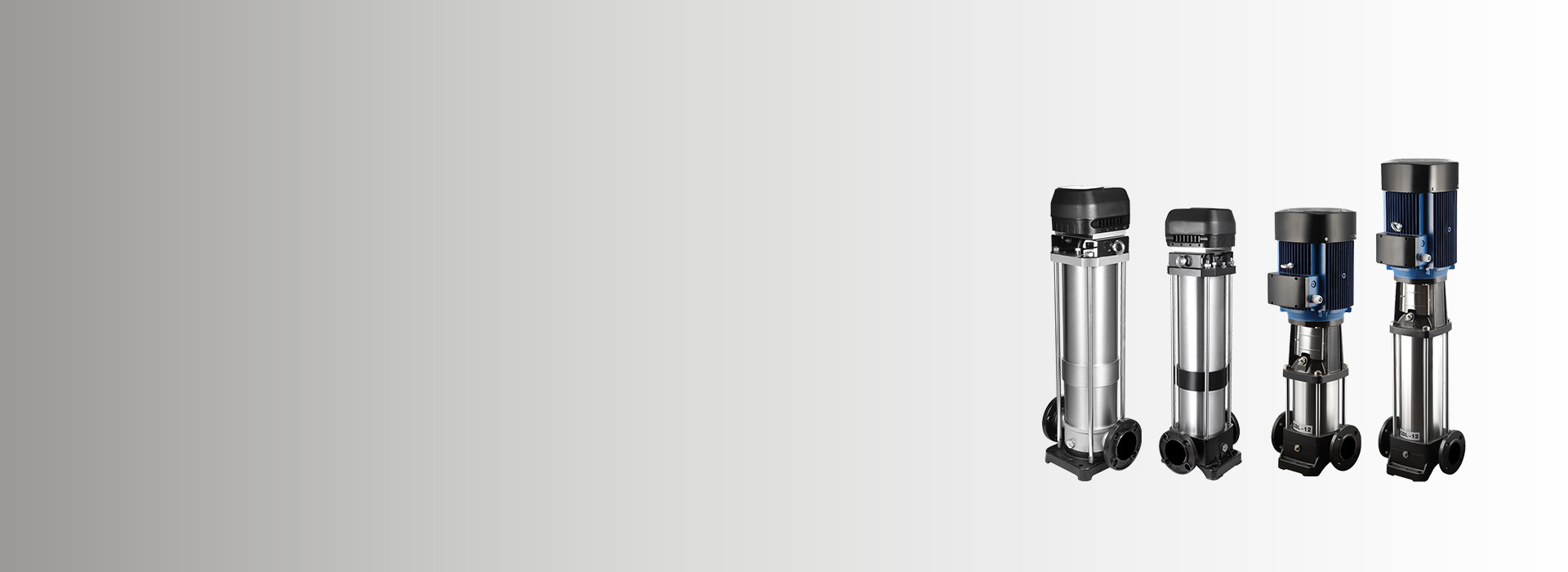

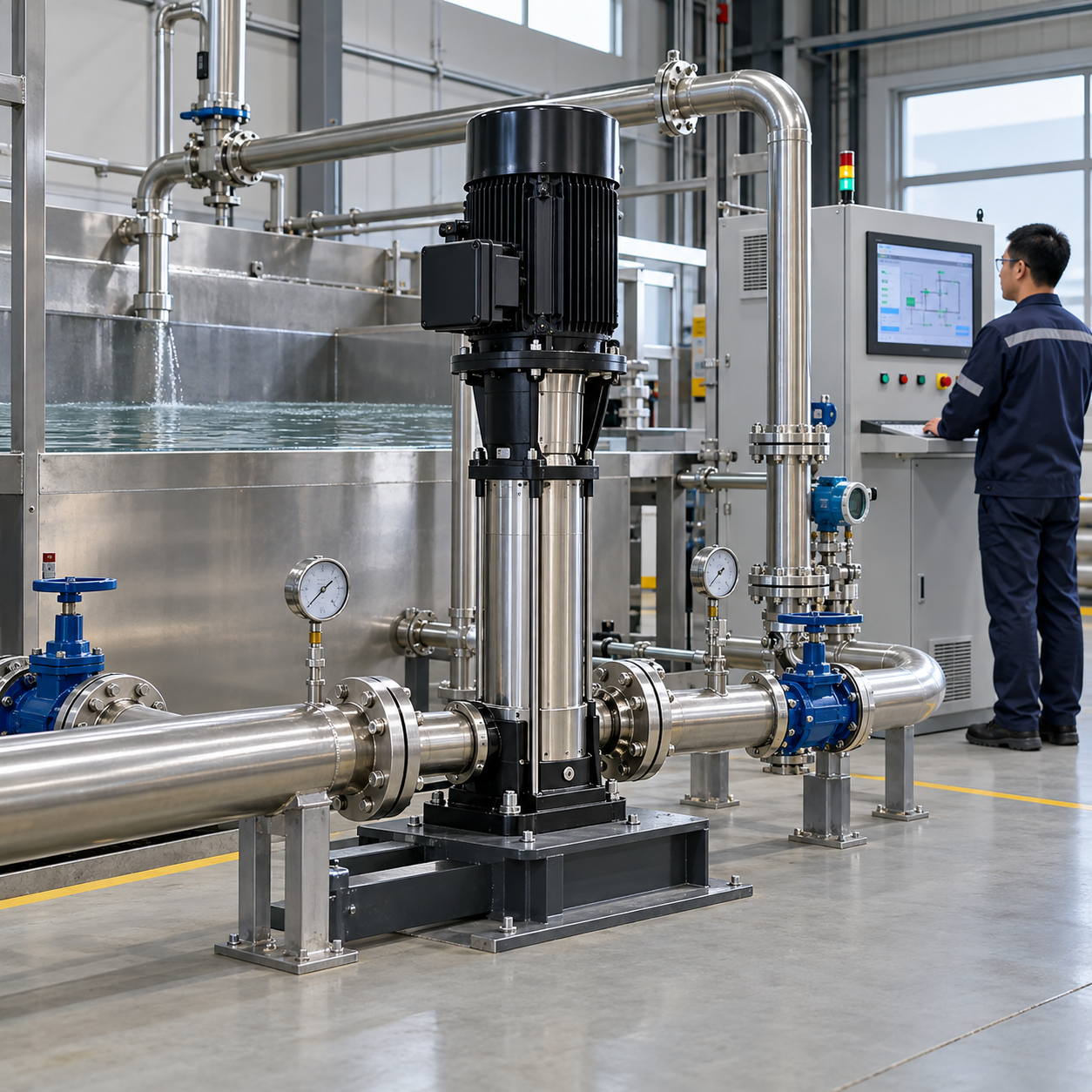
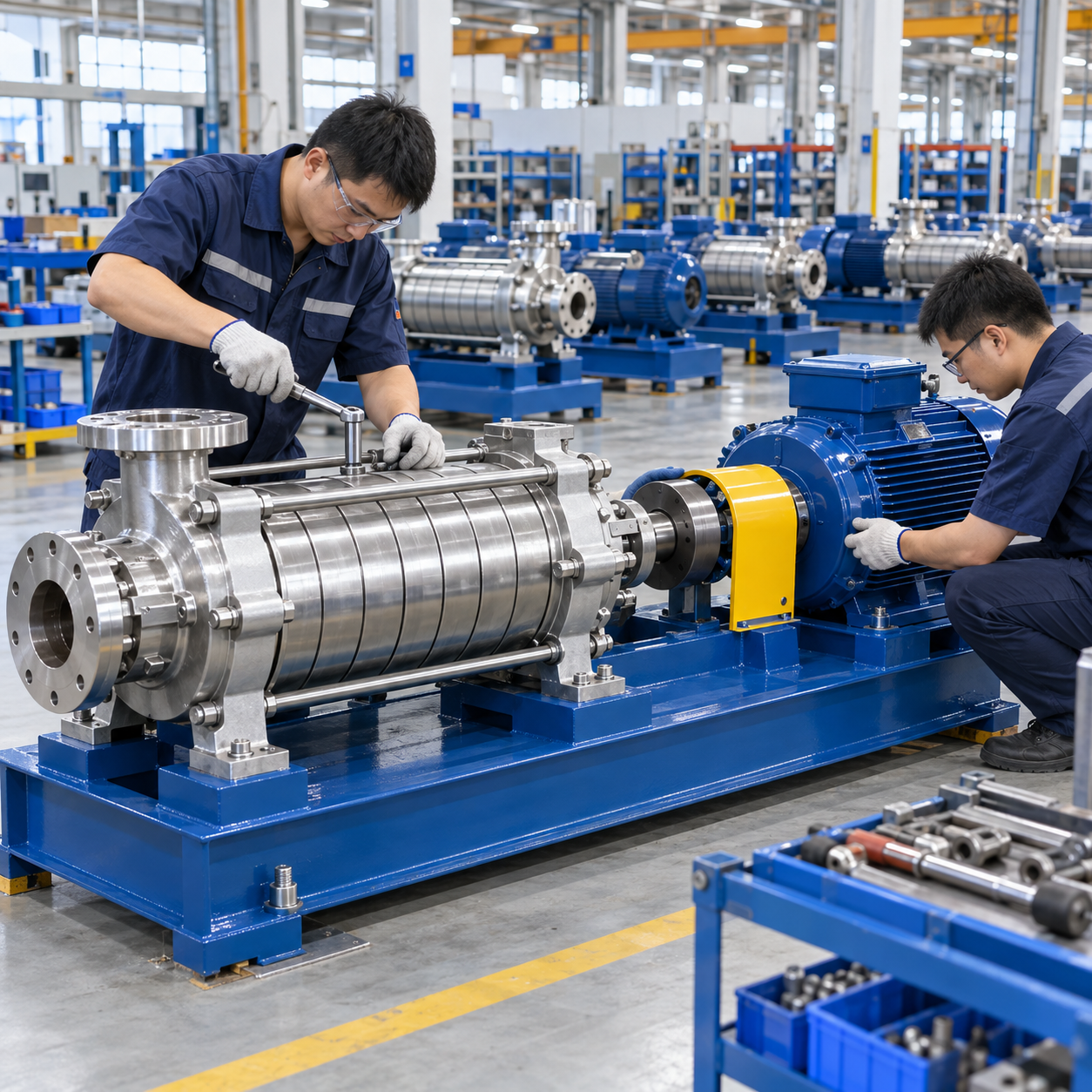
Multistage Pumps Product Highlights
- Multiple stages of impellers for higher head.
- There are both horizontal and vertical multistage pump options.
- Stable flow for a constant supply of water.
- Casings made of cast iron and stainless steel.
- There are single-phase and three-phase motors to choose from.
- Pressure boosting, irrigation, and industrial systems can all use it.
Multistage Pump Supplier for High-Pressure Water Systems
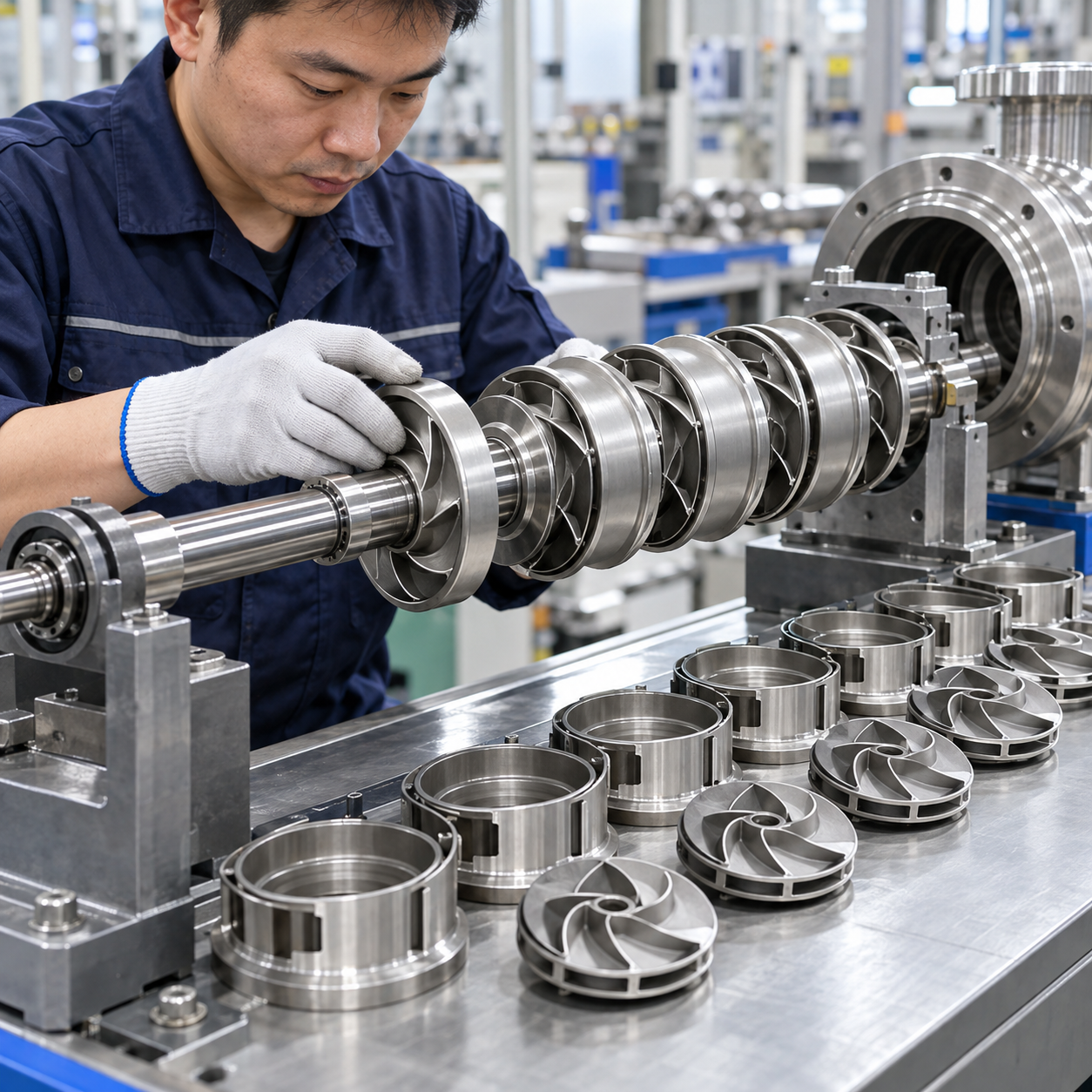
HunGerät multistage pumps are designed for situations where more pressure is needed than a normal centrifugal pump with only one stage can usually provide. Water flows sequentially through a number of impellers, with each stage raising the pressure before the water is released. This lets the pump reach a higher head while keeping the structure small and effective.
With a variety of motor powers, stage numbers, materials, and installation structures, the range can be used for industrial, commercial, and agricultural uses, as well as to increase pressure and treat water. It also gives project suppliers and distributors more options when choosing a model.
Multistage Pumps by Type
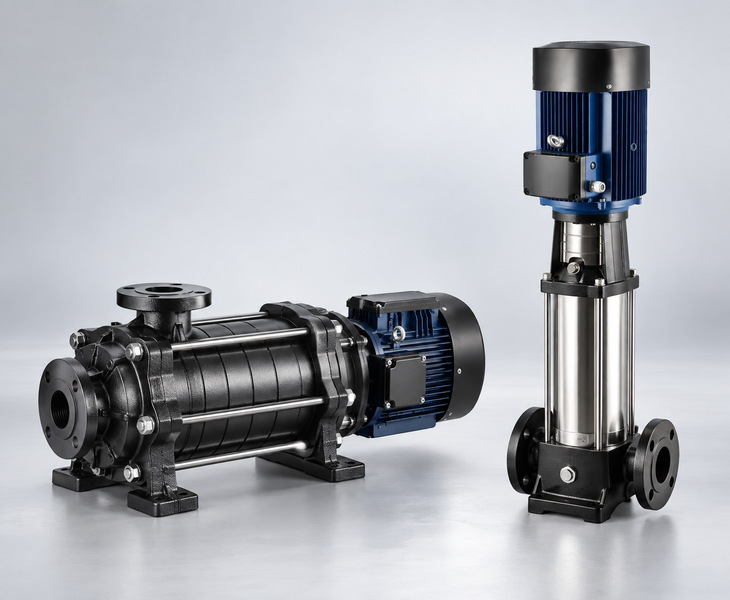
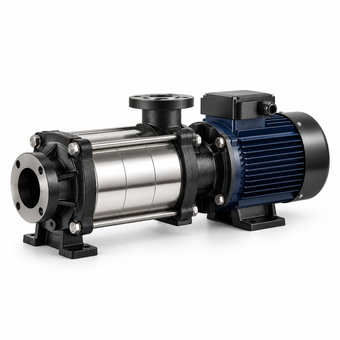 Horizontal Multistage Pumps
A horizontal multistage pump has many impellers that are lined up along a horizontal shaft. They are often used to increase pressure in homes and businesses, for watering, washing systems, machinery water supply, and general industrial water transfer. Because they are easy to install and easy to get to, they are useful for wholesalers who work with a lot of different types of water pumps.
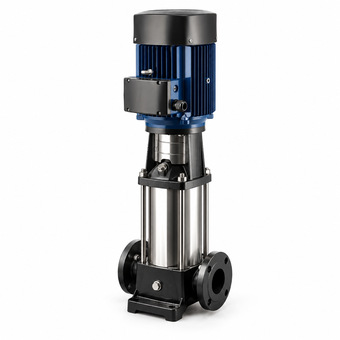 Vertical Multistage Pumps
Multiple impellers are arranged vertically in vertical multistage pumps. This lets the pump provide high pressure while taking up less floor space. Many places like commercial buildings, high-pressure booster systems, water treatment equipment, factories, and boiler feed applications need to be able to install them quickly and have a high head.
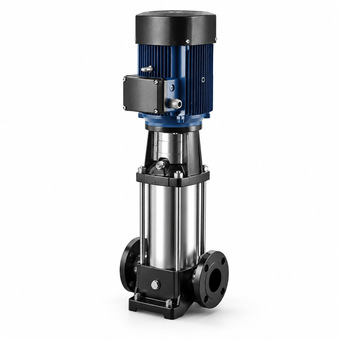 Stainless Steel Multistage Pumps
Multistage pumps made of stainless steel don’t rust as easily and are often used for clean water, water treatment, filtration systems, commercial water supply, and some industrial uses. Distributors who work with water treatment plants and factories can offer a wider range of products by selling stainless steel models in addition to standard cast iron pumps.
Why Choose HunGerät for Your Multistage Pumps
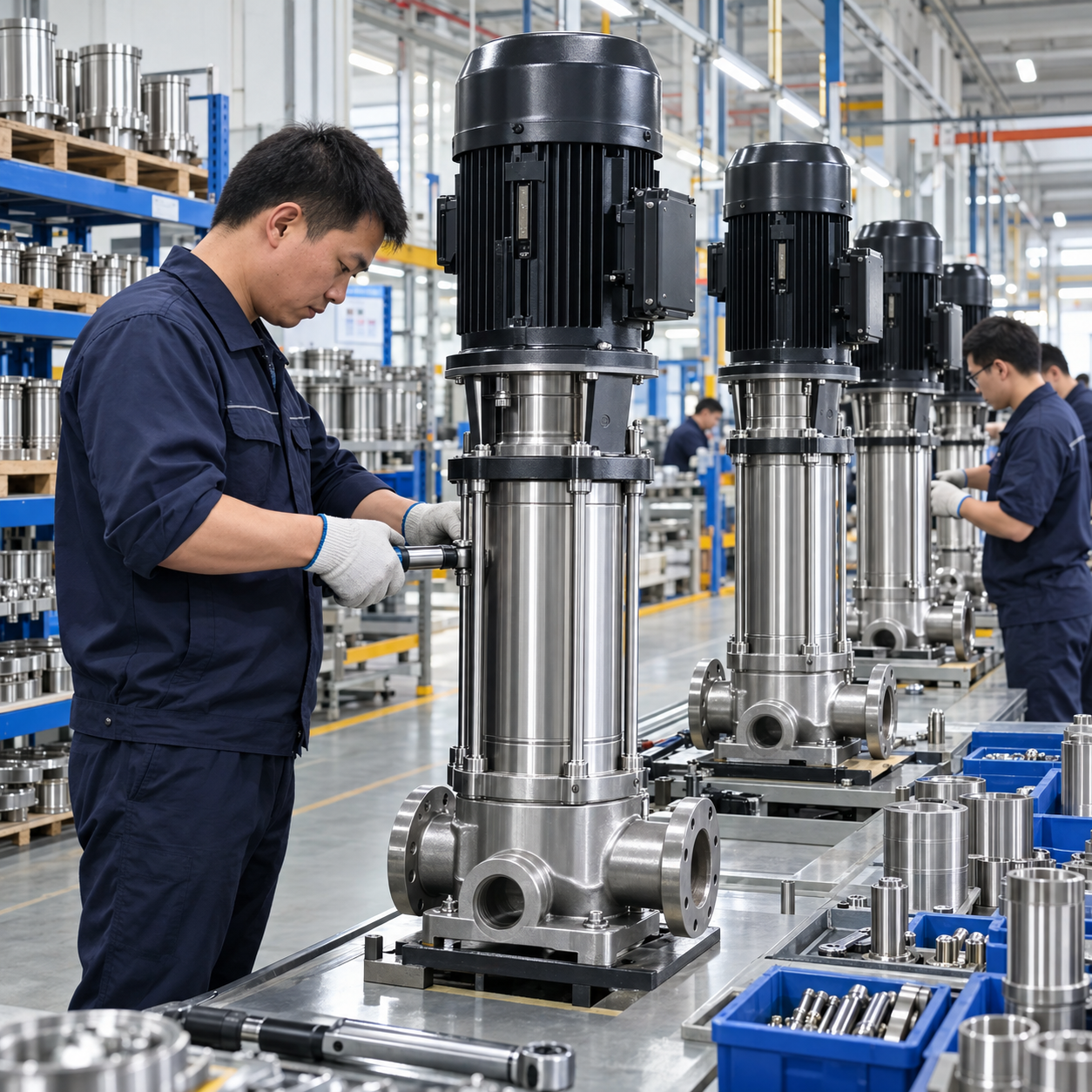
HunGerät has been making water pumps for more than 25 years. They make motors, match hydraulics, put them together, test them, and sell them in bulk. Because of this, we can keep specifications stable and performance uniform across multiple multistage pump models and repeat orders.
HunGerät makes its own copper windings and motors, which gives us more control over the power of the motors, the rise in temperature, the quality of the windings, and the consistency of each batch. It is very important that the motor and hydraulic section of a multistage pump are properly matched because higher-head operation can put more stress on the motor.
Our OEM customisation options include voltage, frequency, branding, colour, packaging, nameplates, manuals, cables, and some pump combinations. So, wholesalers and pump brands can change the range of products to fit different markets without having to make a whole new pump platform.
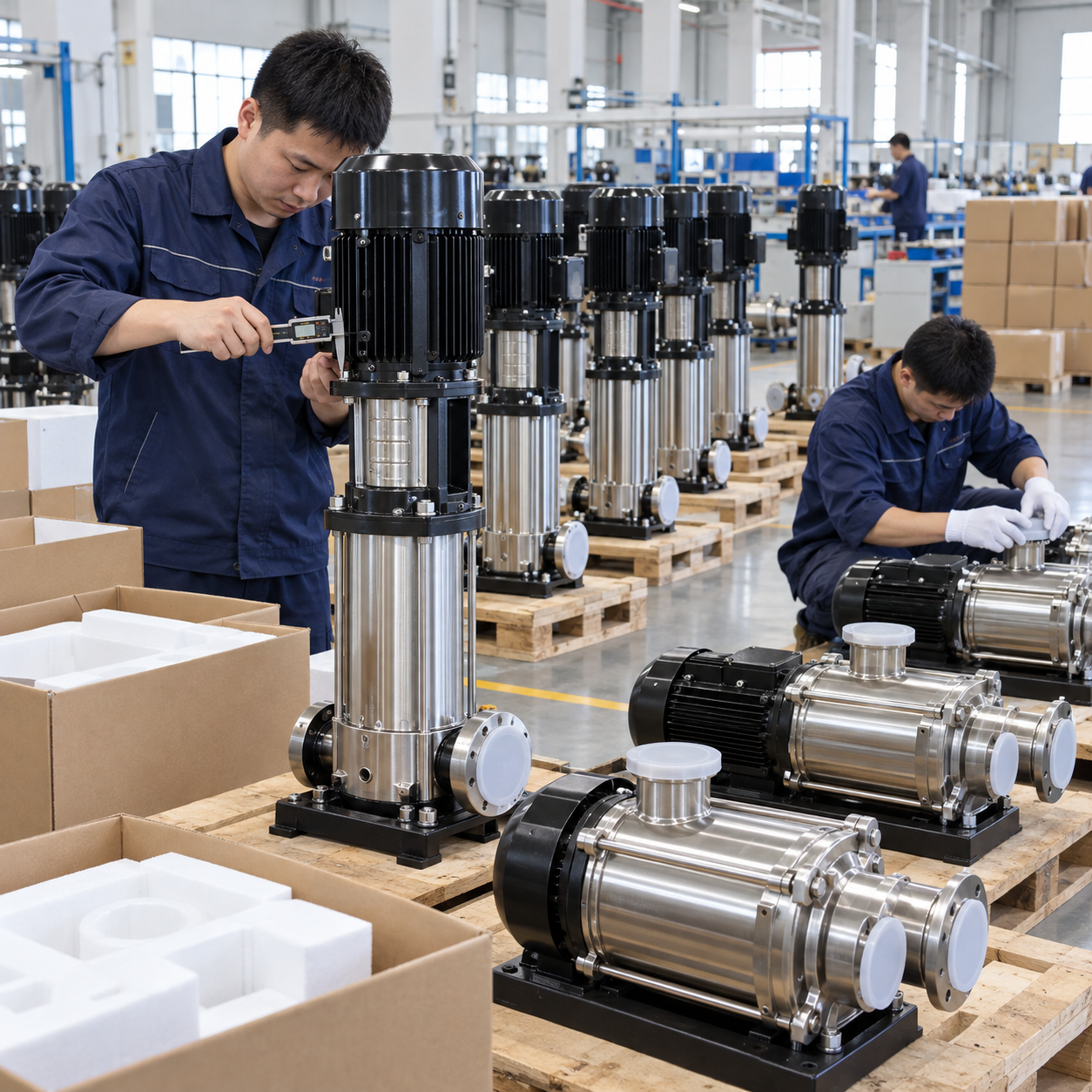
HunGerät can handle sample orders, mixed model orders, container quantities, and repeat orders that happen over and over again. Stable testing and production methods help keep specs the same from one batch to the next.
Higher Pressure with Multiple Impeller Stages
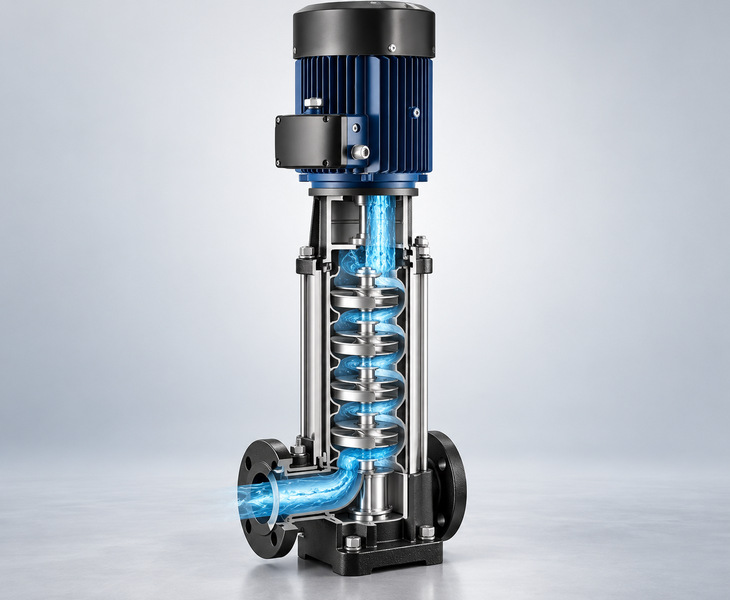
Multistage pumps have two or more impellers lined up in a row. As water moves through the pump, each stage raises the pressure. This design lets the pump have a higher head than a normal single-stage centrifugal pump without needing an impeller that is too big. This means that it can be used for high-rise water supply, long-distance transfer, irrigation, pressure boosting, and industrial systems where stable pressure is important.
Stable Flow for Continuous Water Supply
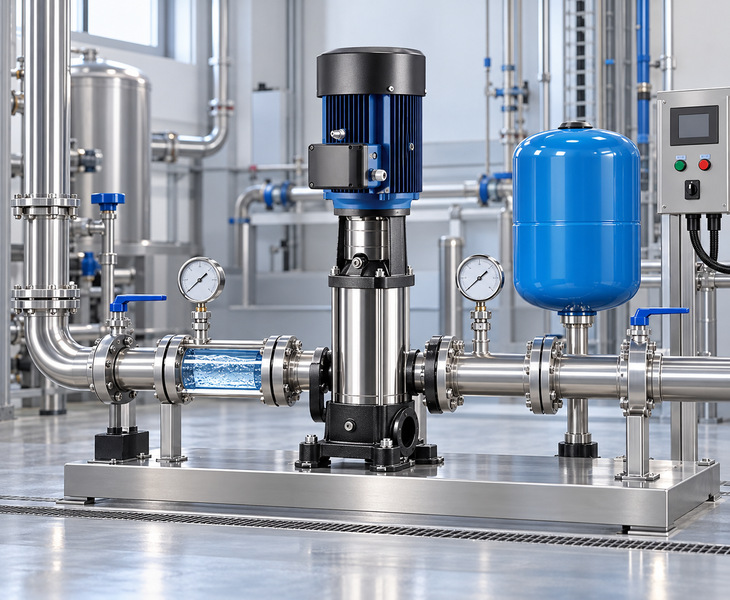
A good multistage pump is made to work well with both high pressure and stable hydraulics. The impellers, diffusers, shaft, motor, and internal flow passages all work together to keep the flow of water smooth. They also keep the pressure stable and reduce vibration, motor load, and wasteful energy loss. This makes the pump ideal for commercial and industrial systems that need to run for long periods of time and perform consistently.
Flexible Horizontal and Vertical Designs
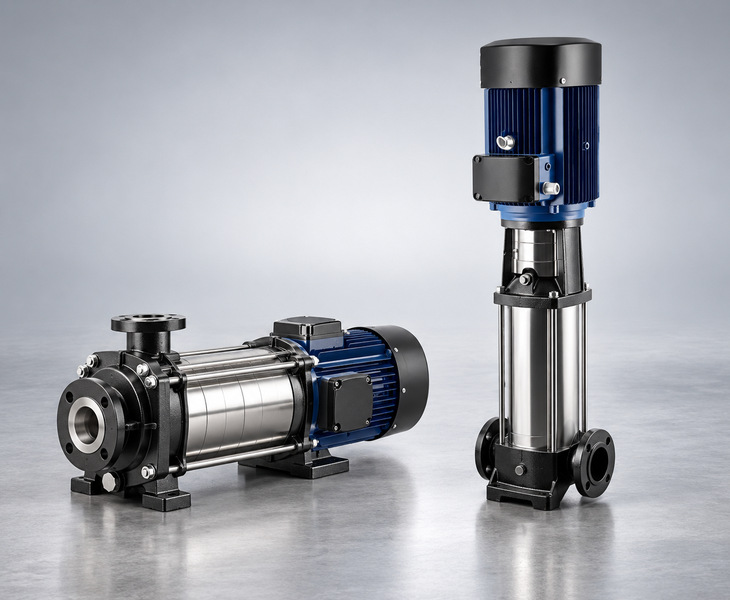
There are different ways to install horizontal and vertical multistage pumps depending on how the system is set up. It’s easier to install and maintain horizontal models, which can be used for irrigation, increasing pressure, and providing water to equipment. On the other hand, vertical multistage pumps take up less floor space and are more common in commercial buildings, water treatment systems, high-pressure booster sets, and industrial settings.
Multiple Material Options for Different Applications
Different types of materials can be used to make multistage pumps that work with different types of water and meet the needs of the market. For general clean water transfer, irrigation, and pressure boosting, cast iron models are a good balance between durability and cost. Stainless steel multistage pumps, on the other hand, are better at resisting corrosion in clean water systems, water treatment, commercial applications, and some industrial processes.
Reliable Factory Support for Multistage Pumps

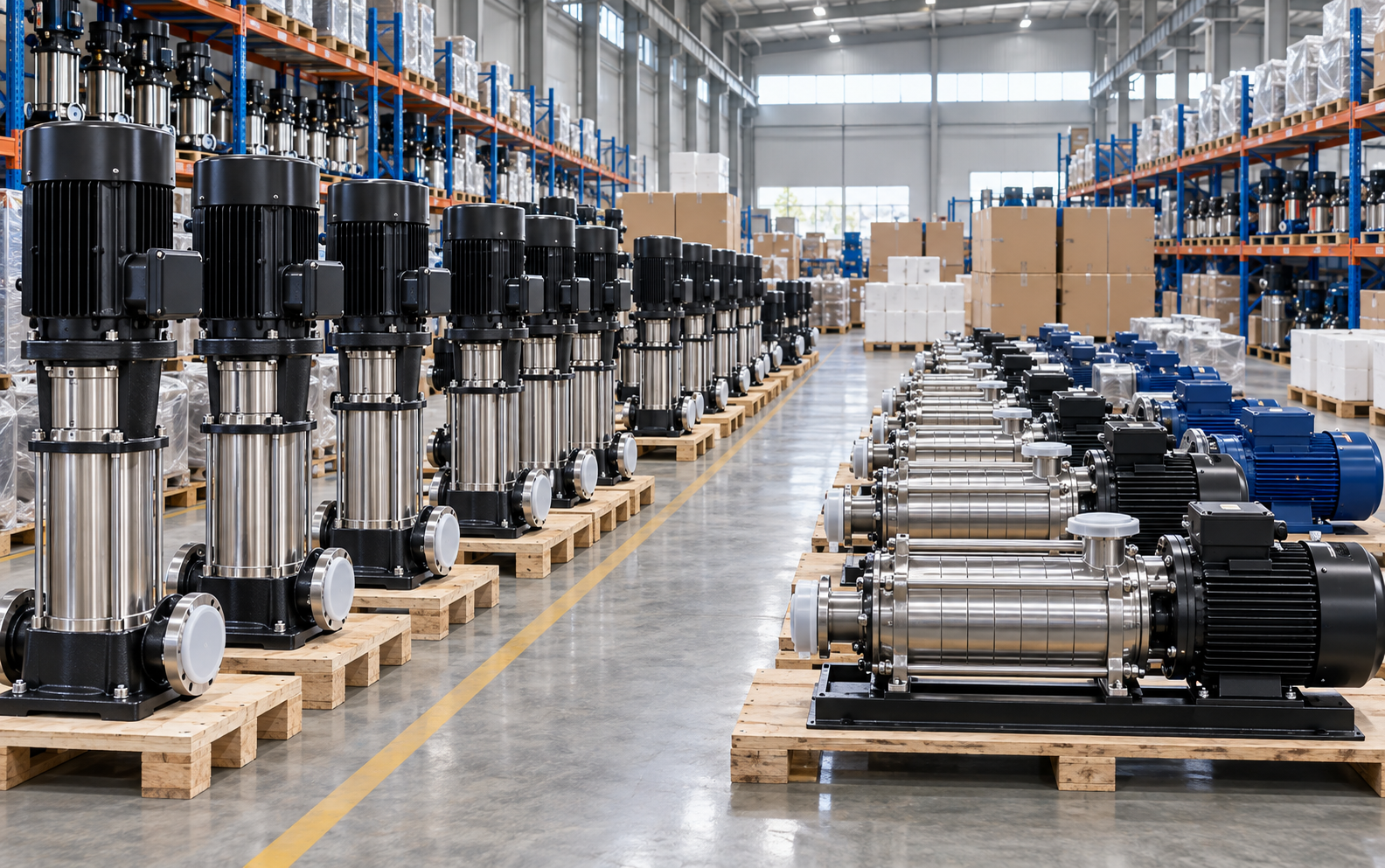
It is important for multistage pumps that the motor, impeller stages, shaft, diffuser, and sealing system all work well together. If one part doesn’t fit right, it can change the flow, head, motor load, vibration, temperature, and stability over time.
In-house, HunGerät manages the making of key motors, hydraulic matching, assembly, and testing processes. Before being sent out, every pump configuration is checked to make sure that it works the same way in all models and production batches. This gives distributors, OEM customers, and project suppliers more trust in the stability of their long-term supplies and repeat orders.
Multistage Pumps Application Areas
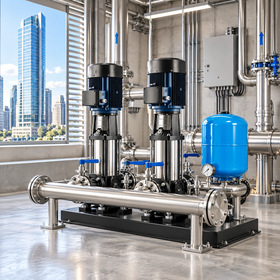
Hotels, apartments, office buildings, hospitals, shopping malls, and other places where water needs to get to higher floors or through bigger pipe networks often use multistage pumps.
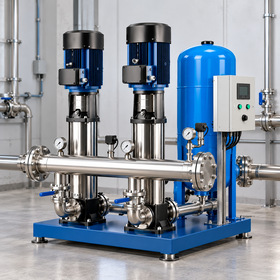
For stable water pressure in home, business, and factory systems, multistage pumps can be put together with pressure tanks, sensors, controllers, or variable frequency drives.
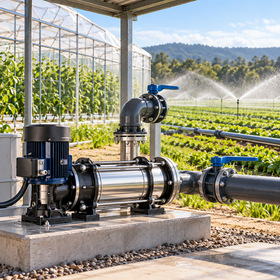
Horizontal multistage pumps can be used for drip irrigation, sprinkler irrigation, watering greenhouses, and moving water around farms. They work best when there are long pipelines or differences in height that need higher pressure.
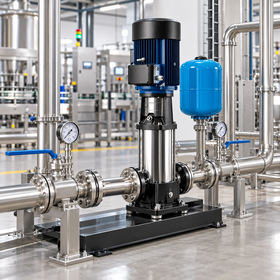
Pumps with more than one stage can provide water for cooling systems, washing systems, process water, circulation, and production equipment. When choosing a pump, you should think about the material needs, working time, water temperature, flow, and head.
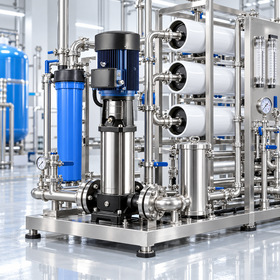
Multistage pumps made of stainless steel are commonly used in equipment for filtration, purification, reverse osmosis, and other types of water treatment because they can handle high pressure and are small.
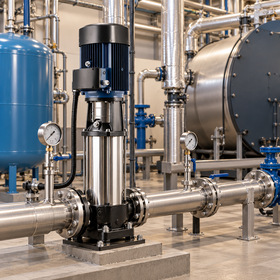
Some types of multistage pumps can also be used to feed boilers and other systems that use high-pressure water. It’s important to pay more attention to the water temperature, operating pressure, seal materials, and motor configuration in these situations.
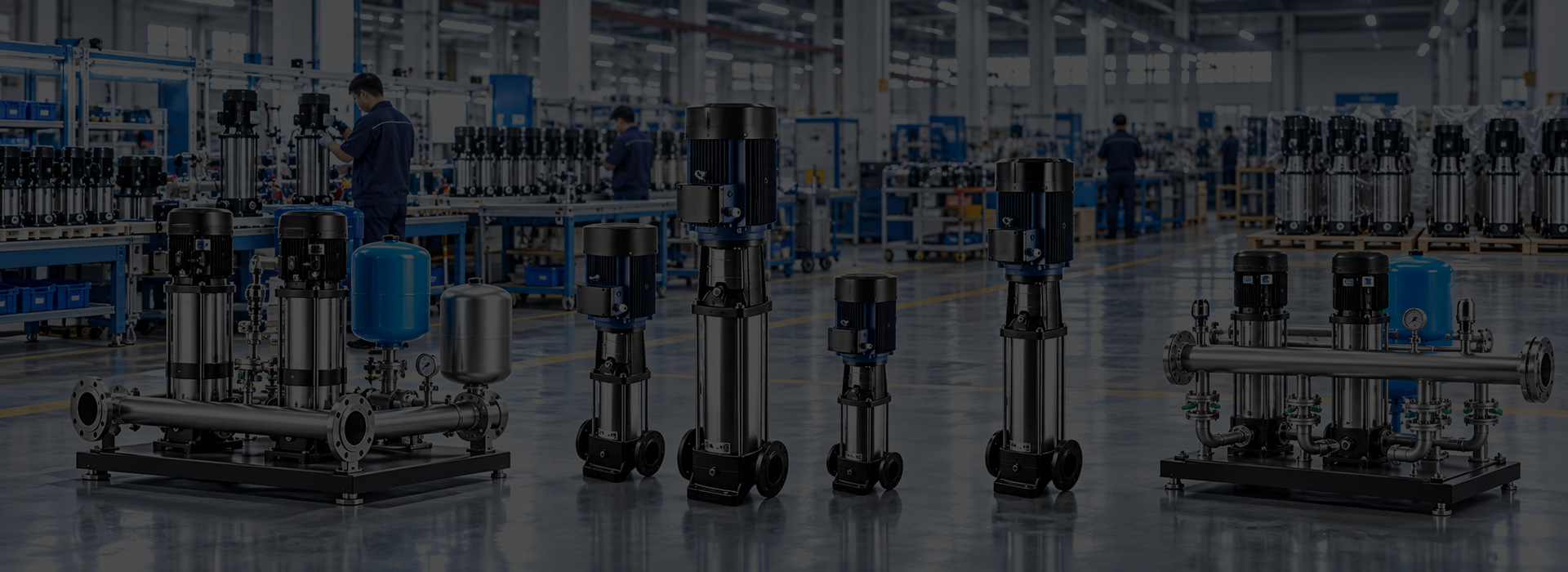
A multistage pump raises the water pressure in stages by connecting two or more impellers in a row.
When compared to a regular single-stage centrifugal pump, it has higher head and pressure, which is its main benefit.
Not significantly. Adding more stages mostly raises the pressure and head, while the flow depends on how the hydraulics are organised.
Multistage pumps have more than one impeller, which helps them get a higher discharge pressure. Single-stage pumps only have one impeller.
It’s easier to set up and operate horizontal pumps, but vertical pumps take up less room on the floor and are usually used for systems with higher pressure.
Typical uses include increasing pressure, water treatment, boiler feed systems, commercial buildings, irrigation, and water supply for factories.
Yes. They can be used with sprinklers, drip irrigation, greenhouses, and long-distance watering systems that need more pressure.
Sure. In order to build water supply and pressure-boosting systems, these pumps can handle high heads.
Most standard multistage pumps are made to work with clean or mostly clean water that doesn’t have a lot of big solids or fibres in it.
Self-priming is not a feature of most standard multistage centrifugal pumps unless the model is built to do so.
Models made of stainless steel can be used in clean water, water treatment, commercial systems, and other places where better corrosion protection is needed.
Yes. A VFD can be used with many three-phase models to control the pressure and change the speed.
Check the total head, required flow, water source, pipe size, condition of the liquid, voltage, frequency, and conditions of the installation.
Because pipe length, pipe diameter, elbows, valves, and filters all add extra resistance that the pump has to get past.
Give the voltage, frequency, phase, flow rate, type of water, application, and any special material or connection needs.
Yes. We have different types of multistage pump structures for use in homes, businesses, farms, and factories.
Yes. Branding, nameplates, packaging, voltage, frequency, colour, cables, manuals, and certain combinations are some of the OEM choices that can be chosen.
Check the performance curves, motor specs, materials, connection sizes, labels, packing, certification needs, and spare parts.
Parts that are often replaced are mechanical seals, bearings, impellers, diffusers, O-rings, capacitors, and some motor parts.
Models should meet the main local flow and head needs without adding too many models that overlap.