
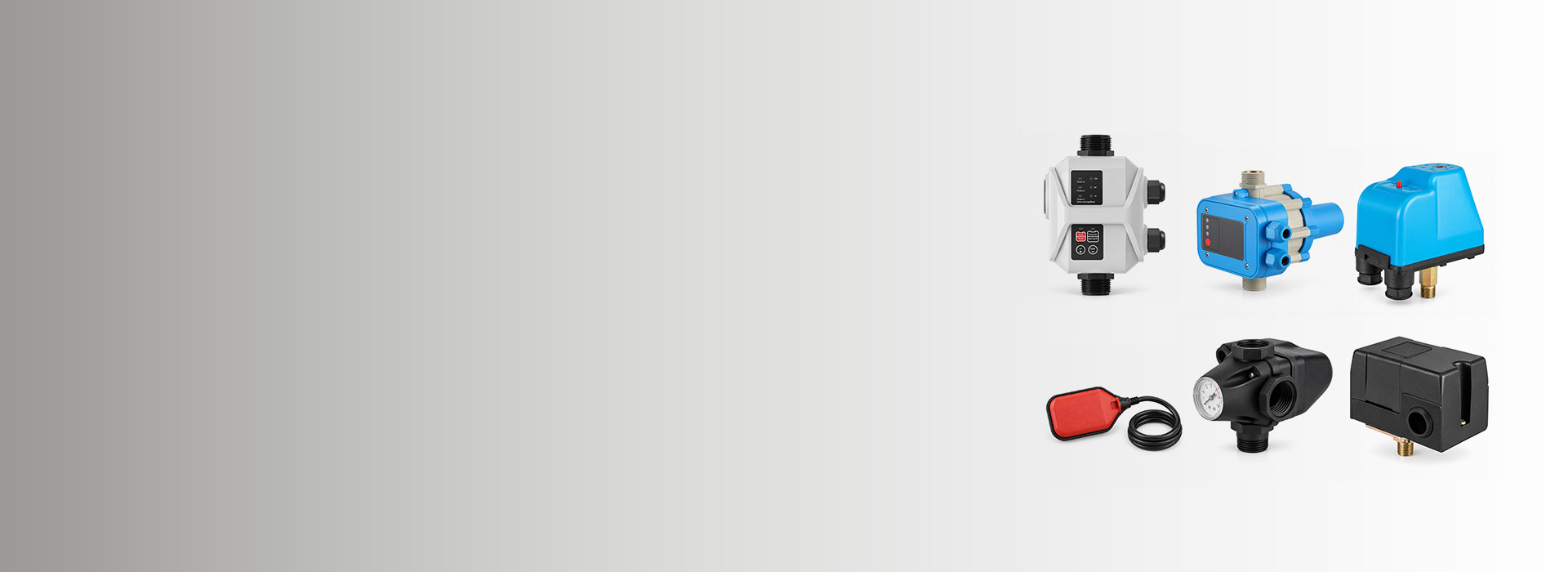
Water Pump Switches for Different Pump Control Requirements
Different pump systems require different ways to control starting, stopping, pressure, and water level. A household booster pump may need pressure-based automatic control, while a drainage pump usually needs a float switch. Choosing the correct switch makes it easier to build the right product combination for different applications and markets,As an experienced water pump manufacturer, HunGerät supplies different pump control switches and helps customers match them with suitable pump systems
Several common types of Water Pump Switches
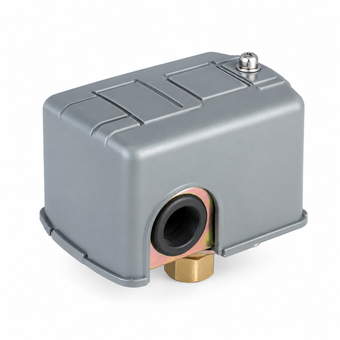 Mechanical Pressure Switch
A mechanical pressure switch is one of the most traditional and widely used pump control solutions. It starts and stops the pump according to system pressure. Its simple structure, stable operation, and easy maintenance make it suitable for residential water supply, booster pump systems, and pressure tank applications.
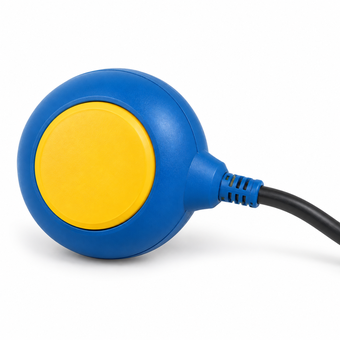 Float switches
 control water pumps based on water levels. As the water level rises or falls, the position of the float changes, thereby starting or stopping the pump. This is one of the most common control devices for drainage and sewage pumps; suitable for both filling and draining applications, it offers reliable operation and easy installation.
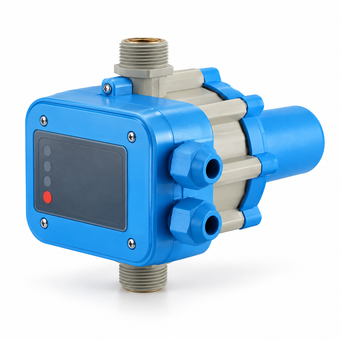 Automatic Water Pump Switch
Automatic water pump switch typically utilize pressure and flow signals to control the pump; many models also feature dry-run protection and automatic restart functions, making them suitable for integrated automatic water supply systems.
Why Choose HunGerät as Your Water Pump Switches Factory
HunGerät can match the switch voltage with the pump motor and target market before production. For OEM projects, we can also help buyers plan more practical voltage combinations so the product range is easier to manage.
As a water pump manufacturer, HunGerät can evaluate the controller together with the actual motor specifications rather than relying only on a general power label. By checking motor power, pump head, and switch pressure range together, we can match the controller more accurately to the pump’s actual performance.
HunGerät supports different cable lengths and plug configurations for OEM orders and different market requirements. This allows buyers to prepare products according to local installation habits instead of changing accessories after the goods arrive.
The same switch may not be suitable for every pump application.HunGerät supplies different types of pumps.Our team can recommend the switch according to the complete working condition instead of using one controller for every application.
Main advantages of Water Pump Switches
One of the biggest advantages of a water pump switch is automatic operation. The pump can start when pressure drops, water is used, or the water level reaches a preset point, and stop when the required condition is reached.
This makes the whole system more convenient for end users and reduces the need for manual pump operation. Automatic control also makes the pump package more attractive for residential, commercial, irrigation, and drainage applications.
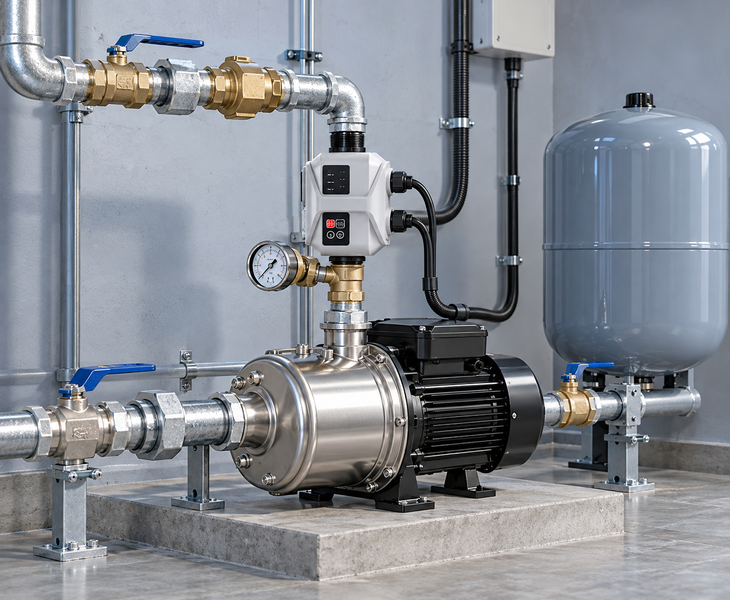
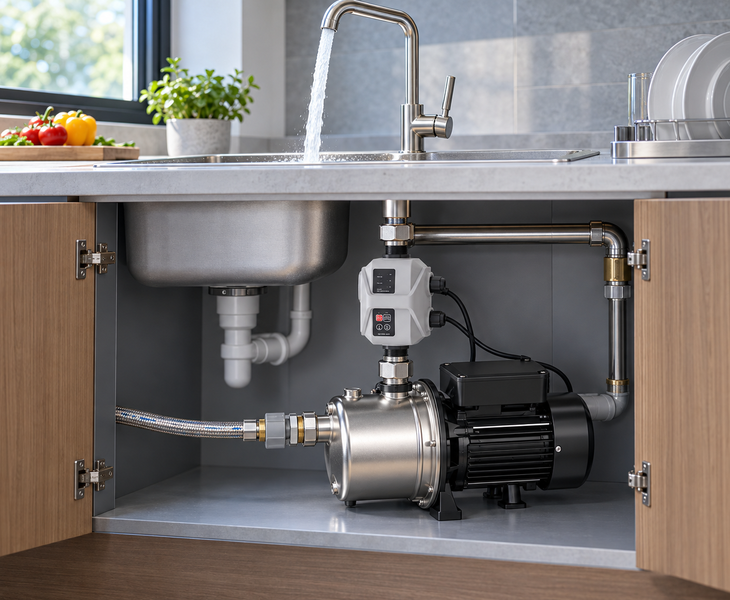
Water Pump Switches Help Protect the Pump from Dry Running
Dry running is one of the common causes of pump damage. When the water source becomes insufficient, some automatic pump switches can detect abnormal flow or pressure and stop the pump.
This protection is especially useful for wells, tanks, irrigation systems, and areas with unstable water supply.Dry-run protection can help reduce warranty claims caused by incorrect operation at the end-user side.
More stable water pressure
Pressure switches and automatic controllers help maintain more consistent water pressure by controlling when the pump starts and stops.
This is particularly useful for household booster systems, apartment water supply, and small commercial systems where users expect stable pressure when opening taps or using showers.
A properly matched switch can improve the overall user experience without requiring a larger or more expensive pump.
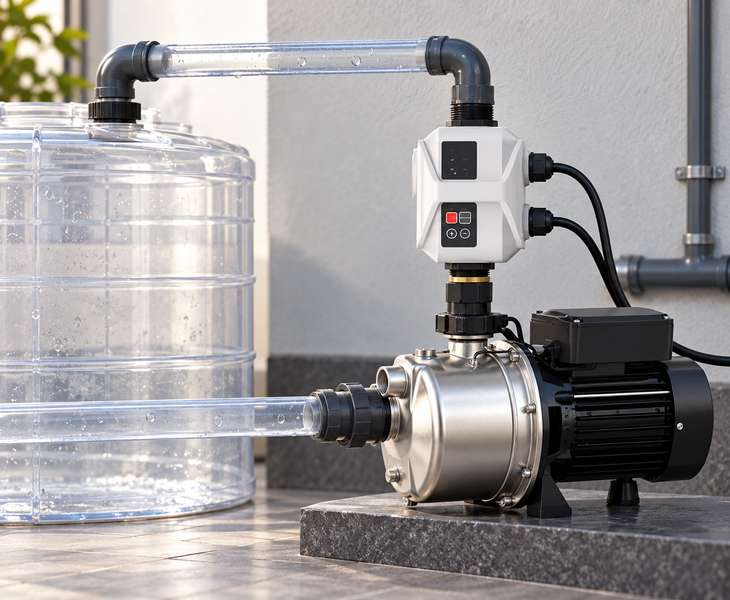
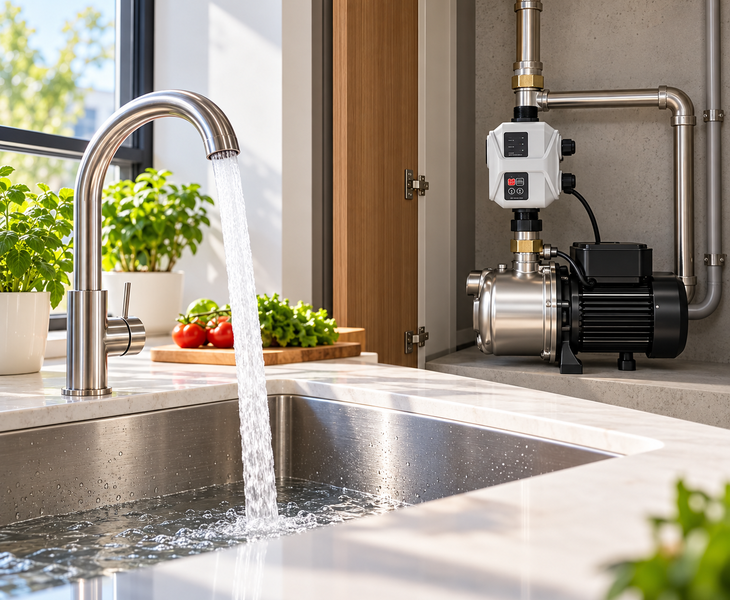
Better Protection for the Complete Pump System
Frequent dry running, continuous operation, and repeated abnormal starts can shorten the service life of a water pump.
A correctly selected pump switch helps control the operating cycle and can reduce unnecessary stress on the motor, bearings, seals, and electrical components.
This makes the switch an important part of the complete pump protection system rather than just a low-cost accessory.
Multiple Protection Functions in One Controller
Depending on the types, water pump switches can include several protection functions in one device, such as:
– Dry-run protection
– Overload protection
– Over-voltage protection
– Under-voltage protection
– Automatic restart
– Delay restart
– Pressure protection
Multi-function controllers make it easier to build higher-value pump packages without adding multiple separate electrical components.
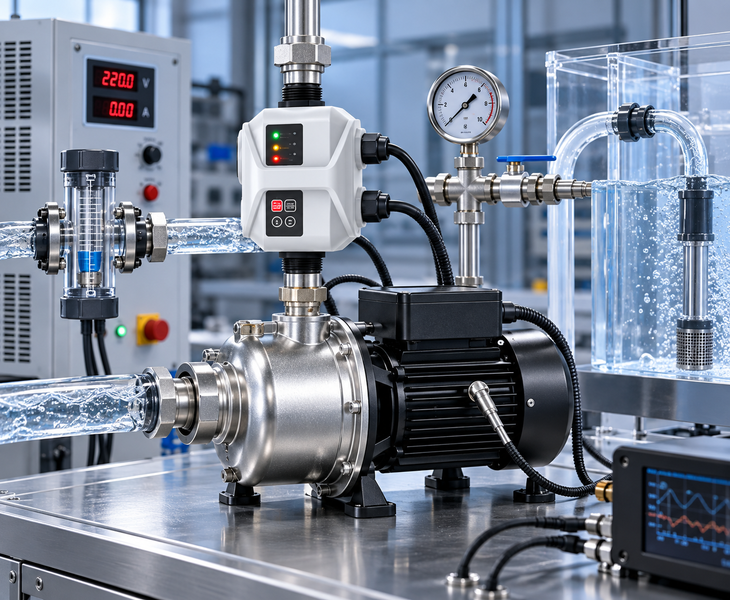
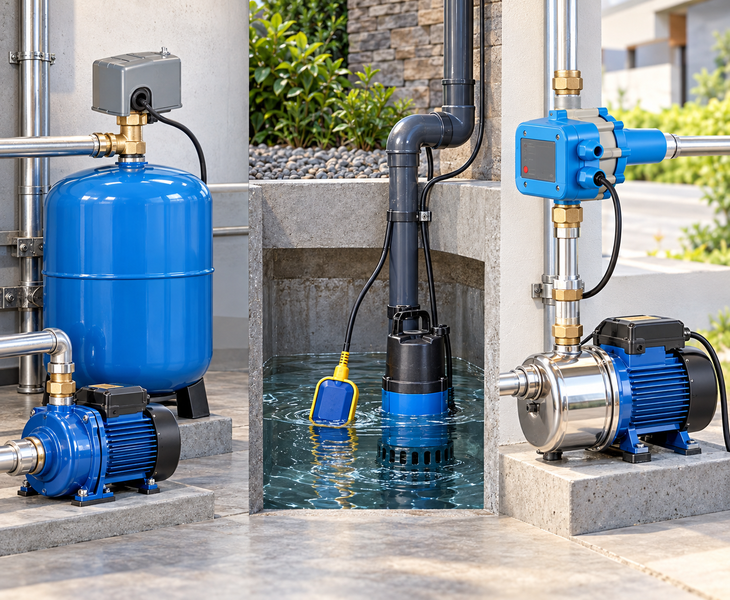
Suitable for Different Pump Applications
Water pump switches can be matched with different pump types and applications, including booster pumps, jet pumps, centrifugal pumps, submersible pumps, sewage pumps, deep well pumps, irrigation pumps, and tank filling systems.
This provides greater flexibility because one controller series may cover several pump categories when electrical and operating specifications are compatible.

A pressure switch starts the pump when system pressure drops below the set point and stops it when the required pressure is reached. It is commonly used in domestic water supply, booster systems, and pressure tank applications.
An automatic pump switch uses pressure and flow signals to control pump start and stop automatically. Some models also include dry-run protection, restart delay, and other pump protection functions.
A pressure switch mainly works according to pressure and is often used with a pressure tank. An automatic pump controller can combine pressure and flow detection and usually provides more integrated control and protection functions.
Check the pump power, voltage, rated current, starting current, pressure range, connection size, and application. For bulk orders, matching the switch with the actual pump specifications helps reduce installation and after-sales problems.
Yes, if the switch’s voltage, current, and power rating can safely support those pump models. We recommend checking each motor specification before using one controller across several pumps .
Common options include 110V and 220–240V, depending on the switch model. Other voltage configurations may also be available for OEM projects and specific markets.
Pressure switches are commonly used with booster pumps, especially in systems that include a pressure tank.The cut-in and cut-out pressure should be selected according to the pump head, required outlet pressure, and pressure tank configuration. Incorrect settings can cause frequent starts or unstable water pressure.
In many traditional booster systems, a pressure switch is used together with a pressure tank. The tank stores pressurized water and helps reduce frequent pump starting.This can improve system stability and reduce mechanical and electrical stress on the pump. However, the exact configuration depends on the system design and control method.
Yes. Many automatic pump switches are designed to work without a large pressure tank, which can simplify installation and reduce the number of system components.
A float switch controls pump operation according to water level. It is commonly used for tank filling, drainage, sewage, sump, and submersible pump applications.
Yes. Float switches are commonly matched with submersible drainage and sewage pumps for automatic start and stop according to water level.