

Effluent Pump Product Highlights
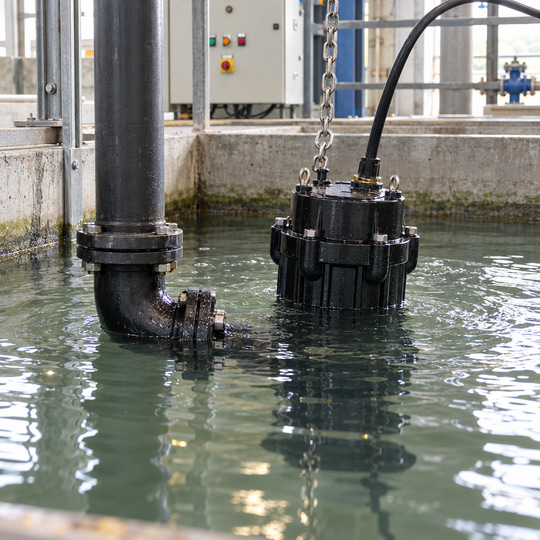
● Submersible Design for Direct Wastewater Pumping
● Corrosion-Resistant Materials for Long-Term Operation
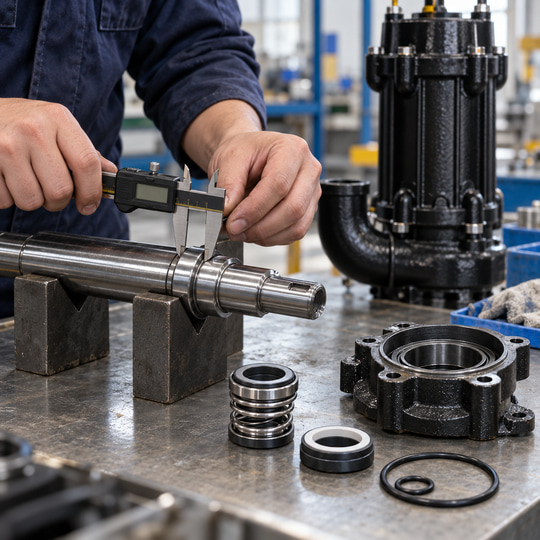
● Reliable Mechanical Seal for Reduced Leakage Risk
● Stainless Steel or Alloy Shaft Options for Better Durability
● Compact Structure for Easy Installation and Maintenance
● OEM Branding and Bulk Supply Support
Your Effluent Pumps Manufacturer
HunGerät effluent pumps are designed for wastewater drainage, sewage transfer. It can help you to handle liquid containing short fibers or solid particles. Cutting-type models are available for applications where fibrous or solid materials need to be reduced before pumping. A reliable HunGerät effluent pump can help you save time and labor, remove wastewater quickly, prevent clogging, and keep the environment clean and hygienic.
Effluent Pumps by Type
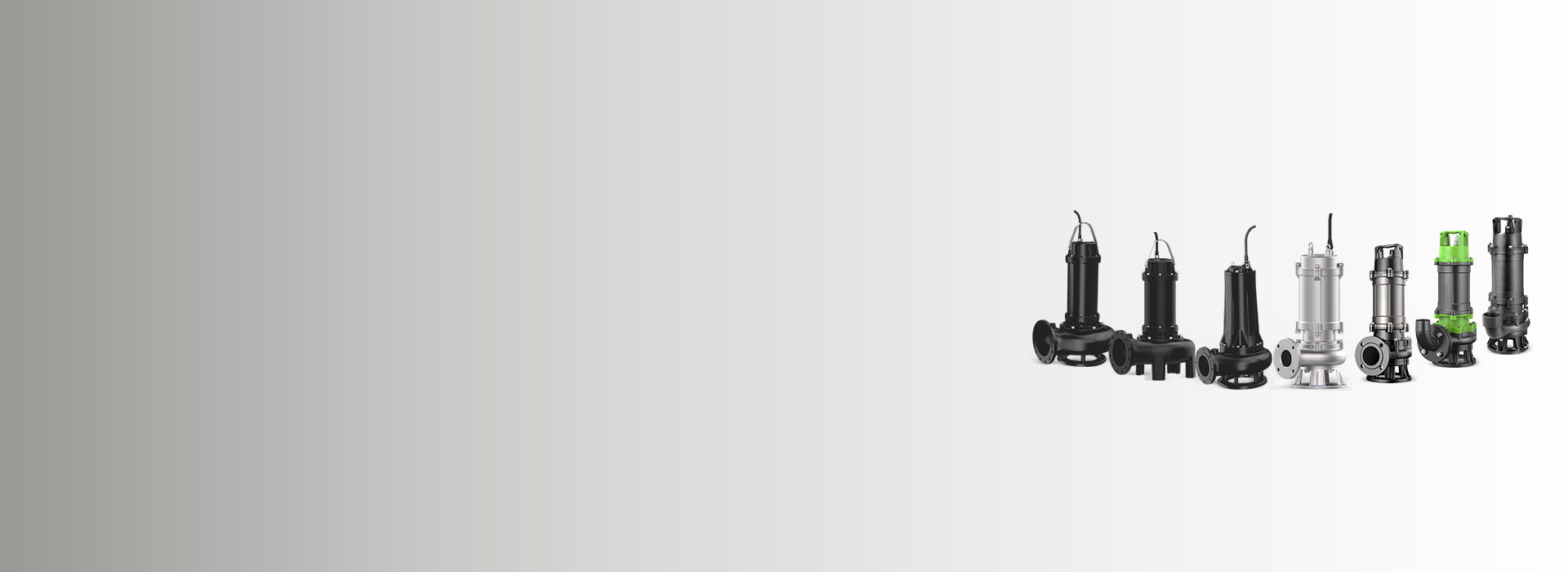
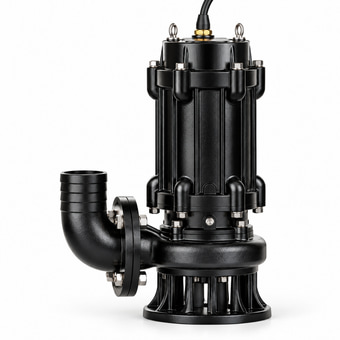 Standard Sewage Submersible Pump
Designed for domestic sewage, wastewater, drainage, sludge, and liquids containing short fibers or solid particles.
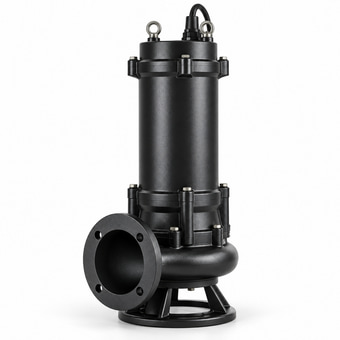 Cutting Sewage Submersible Pump
Designed with a cutting system for wastewater containing fibers and solid materials. It can prevent clogging during pumping.
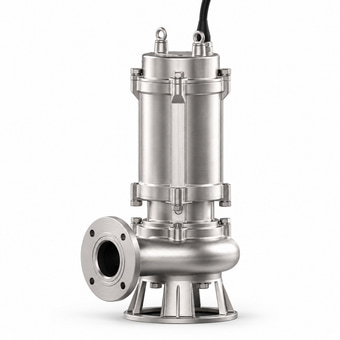 Stainless Steel Sewage Submersible Pump
Made with corrosion-resistant stainless steel components. It has better resistance to corrosive liquids and harsh working conditions.
Why Choose HunGerät as Your Effluent Pump Factory
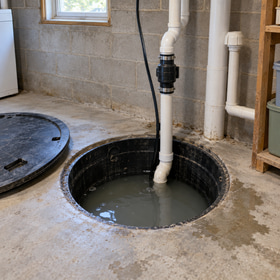
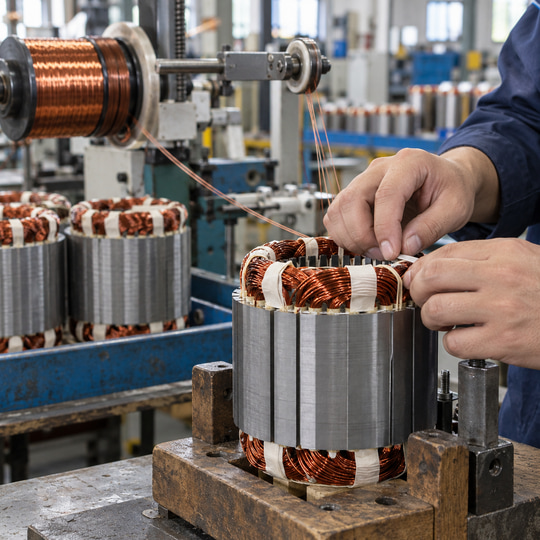
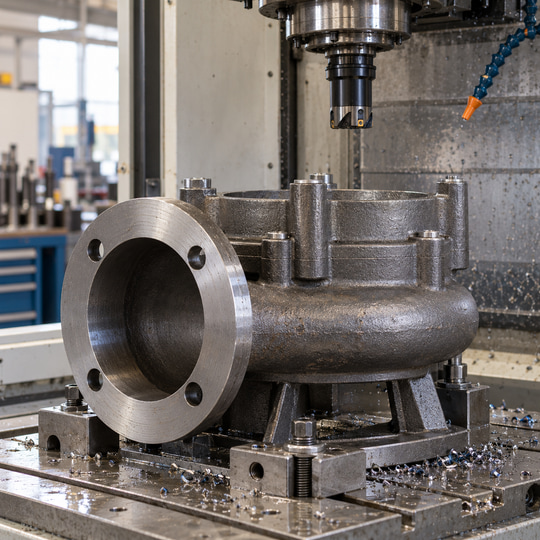
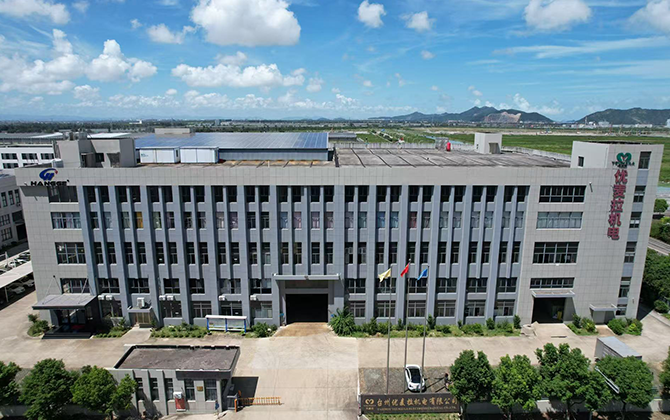
HunGerät has more than 25 years of experience in water pump and motor manufacturing. We focus on stable production, reliable pump performance, and consistent product quality. Material selection, sealing performance, motor stability all affect effluent pump performance. Our experience helps us supply reliable products to our customers
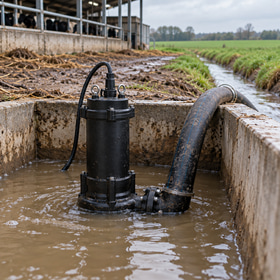
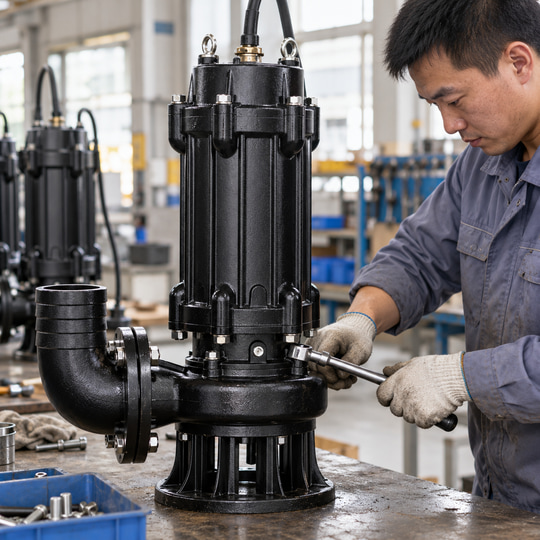
HunGerät controls key production processes for pump and motor components.This helps us maintain stable motor performance and consistent pump assembly.Stable motor operation and reliable sealing are important for effluent pumps. The pump can work directly inside wastewater, so these parts need reliable quality.
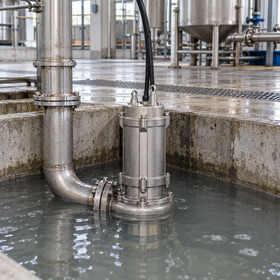
HunGerät supports OEM customization.Options include branding, color, nameplate, packaging, manuals, voltage, and product specifications. You can use these options to build their own effluent pump product line.
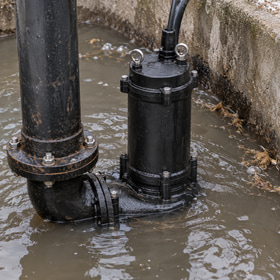
HunGerät supports model selection, quotation, technical questions, order confirmation, production updates, packaging, and shipping arrangements. And you can get quick responds there. This reduces communication delays and makes the process smoother from the first inquiry to mass production. This is especially important for bulk and repeat orders.
Direct Wastewater Pumping
HunGerät effluent pumps can work directly in wastewater. The motor is fully enclosed, and the mechanical seal helps keep water away from. This allows the pump to work safely when fully submerged. The pump can be placed directly in a sewage pit, drainage pit, or wastewater tank. It does not need a separate suction priming system.The pump can start pumping directly because it is already below the water level. This makes the installation easier and reduces many suction-related problems. Direct submersible operation helps cool the motor during use. It also produces less noise and saves installation space.
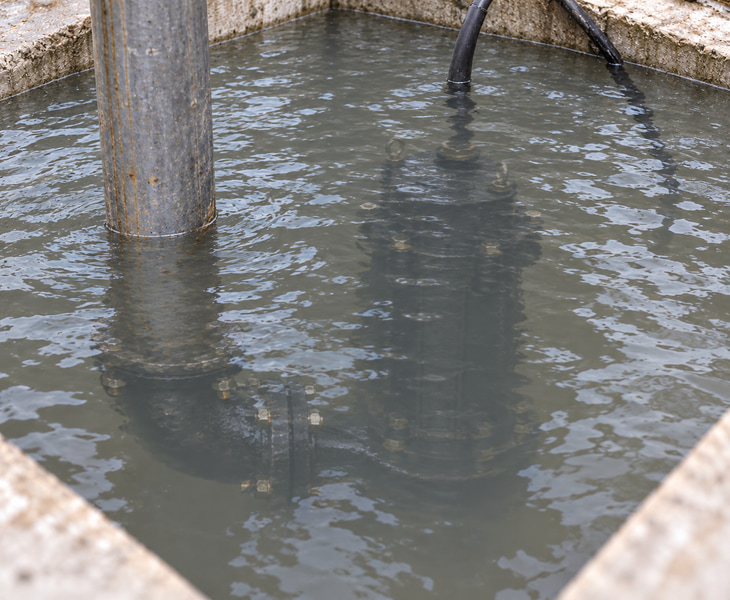
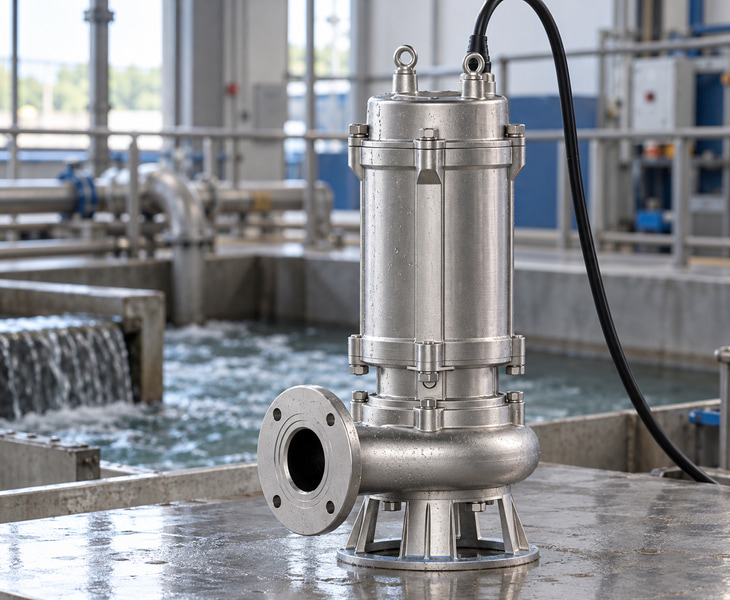
Corrosion-Resistant Construction
HunGerät effluent pumps have stainless steel options for wastewater that may cause corrosion. The WQD/WQ stainless steel series uses corrosion-resistant materials for key parts. The pump body and other wetted parts can use stainless steel, while the shaft is available in stainless steel or alloy material. The sealing parts also have oil and corrosion resistance. This helps reduce rust and damage to the pump parts.These materials give the pump better protection in demanding conditions and can help extend its service life.
Reliable Mechanical Seal System
HunGerät effluent pumps use a mechanical seal between the pump and motor. This seal keeps the wastewater away from the motor and helps protect the internal parts. The sealing rings use oil-resistant and corrosion-resistant rubber. WQ models also have an anti-sediment mechanical seal. Sediment has less effect on the seal, so the pump can maintain more stable operation. The shaft is available in stainless steel or alloy material. It has good strength and suitable corrosion resistance for different applications.
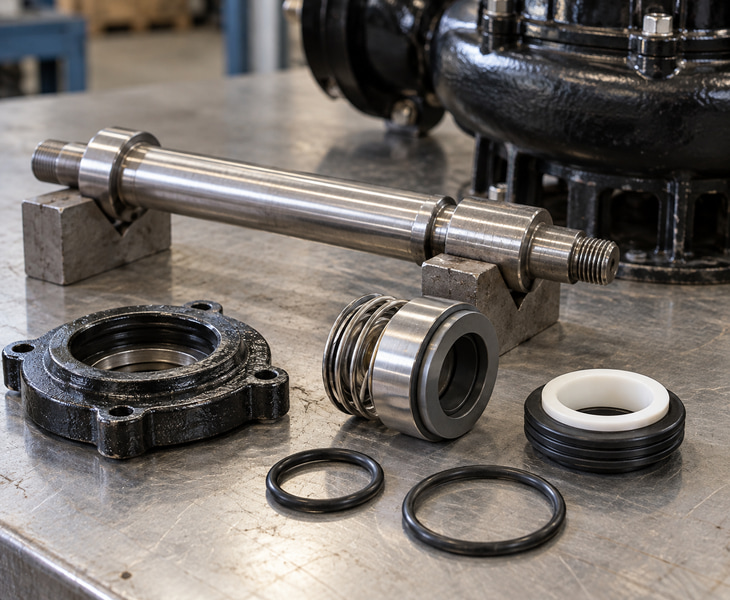
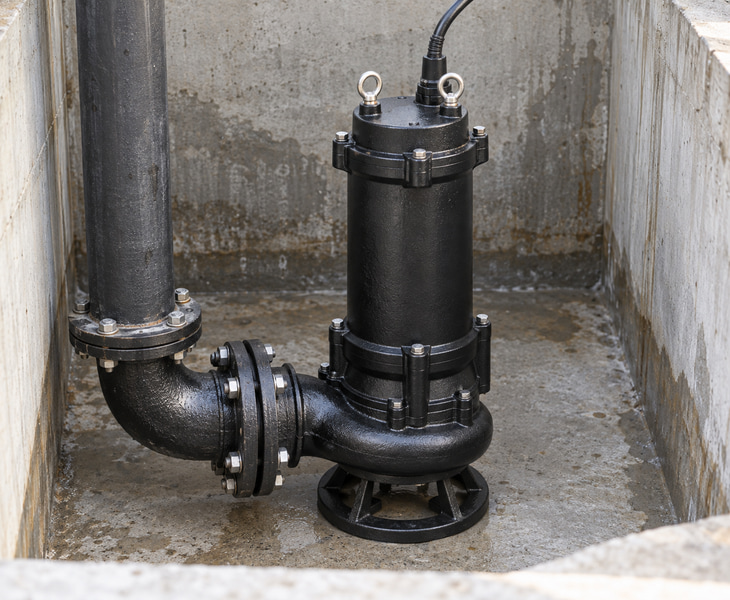
Compact Pump Structure
HunGerät effluent pumps have a compact and integrated structure. This makes the pump easier to place in sewage pits and drainage pits. And makes installation easier; the compact design leaves more space for pipes and other equipment around the pump. The simple structure makes routine maintenance easier as well. Important parts such as the pump body, shaft, impeller, and mechanical seal can be checked or serviced when needed. Less installation space and easier maintenance can save time and make daily use more convenient.
Reliable Factory Support for Effluent Pumps
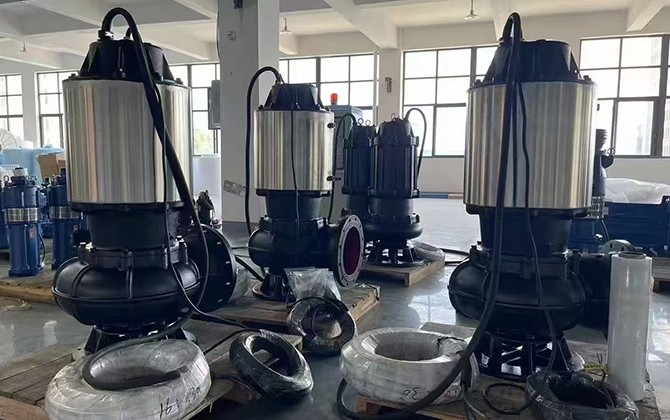
Effluent pump performance depends on more than motor power. The wastewater itself, solids size, pump head, flow rate, pipe size, and installation conditions can all affect how the pump works. HunGerät helps customers choose a suitable effluent pump based on the actual application. We check the key working conditions before production and make sure the pump configuration matches the job. This includes the pump type, impeller, solids passage, material, motor, and other important parts.
For each project, we can confirm: Wastewater type, Required flow and head, Solids and fiber content, Liquid temperature, Power supply, Installation method, Required material and pump configuration. This gives distributors and installers a clearer model choice and helps reduce problems caused by an unsuitable pump.
Effluent Pump Application Areas
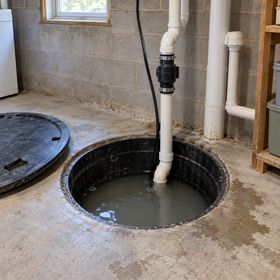
HunGerät effluent pumps can be used for domestic wastewater from houses, apartments, basements, kitchens, toilets, and small sewage collection systems. The pump can moves wastewater to a higher discharge point when the drainage point is below the main sewer line.
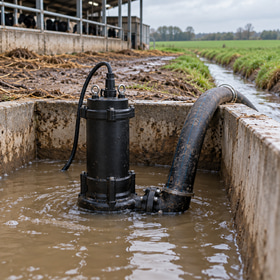
HunGerät effluent pumps can handle wastewater from farms, livestock areas, and other agricultural sites. The water may contain mud, organic waste, fibers, and other suspended solids.Farm drainage is often different from one site to another. Some areas mainly need to remove muddy water but livestock farms may have water with more organic waste and solids. The pump can be placed directly in a drainage pit, collection tank, or other low-lying area. It then moves the wastewater to a suitable discharge point. This is useful for farm drainage, livestock wastewater, and other agricultural water removal needs.
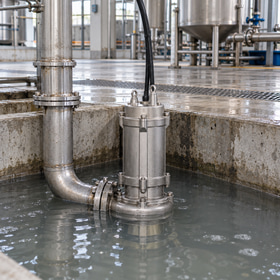
HunGerät effluent pumps help remove wastewater from factories, workshops, and processing areas. They can drain water from floors, collection pits, and wastewater tanks, then move it to a higher discharge point or treatment system. This helps prevent wastewater from building up.
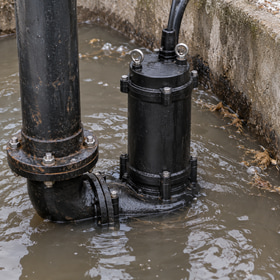
HunGerät effluent pumps are available for wastewater that contains solids, fibers, diapers, gloves, plastic bags, carpets etc. Models with a larger free passage allow suitable solids to pass through the pump. Cutting models take a different approach. They cut certain fibers and solids into smaller pieces before pumping.
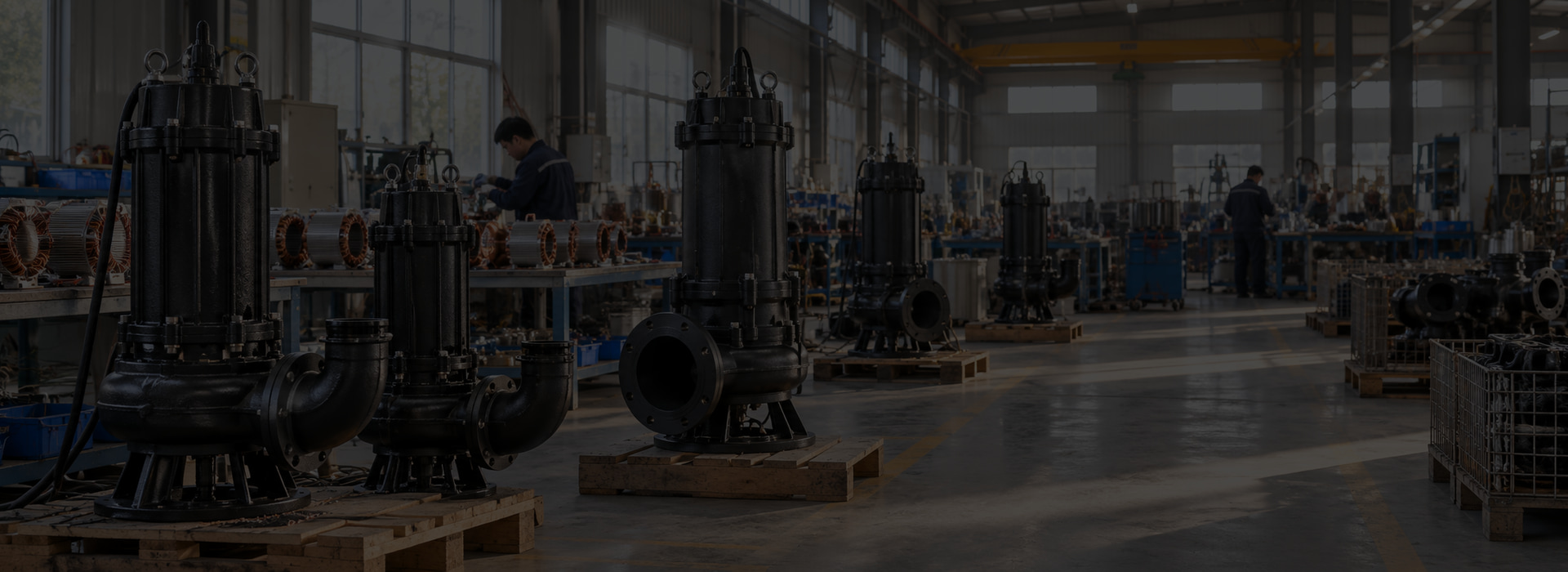
An effluent pump moves wastewater from a tank, pit, or low area to a higher discharge point. It is commonly used for sewage drainage, household wastewater, agricultural drainage, and other suitable wastewater applications.
A cutting effluent pump has a cutting mechanism near the pump inlet. The cutter breaks down certain fibers and solid materials into smaller pieces before they pass through the pump. This can help reduce blockage in applications with suitable wastewater.
A submersible effluent pump is installed inside a sewage basin or collection pit. When the wastewater reaches a preset level, a float switch or level-control system starts the pump. The pump then transfers the wastewater through the discharge pipe until the liquid level falls to the stop level.
A standard effluent pump passes suitable wastewater solids through its hydraulic passage. A cutting effluent pump has an extra cutting system. It can reduce certain solid and fibrous materials before pumping.
Stainless steel can provide better corrosion resistance than standard materials in suitable applications. The right material depends on the liquid pH, temperature, chemical concentration, and corrosion conditions.w
An effluent pump is commonly used when relatively clear wastewater needs to be pumped from a septic tank, treatment tank, or similar system to a drain field or other discharge location. It is not normally intended for raw sewage containing large solids.
Effluent pumps are commonly used in basement bathrooms, Residential sewage pits, Septic systems, Sewage collection tanks, Wastewater drainage systems, Small buildings, Commercial facilities, Municipal wastewater systems. They are particularly useful when the wastewater source is below the level of the main sewer line.
The pump should be selected according to several factors, including: Required flow rate, Total head, Vertical lift, Discharge pipe length, Solid size, Wastewater characteristics, Pumping frequency, Installation conditions. Horsepower alone is not enough to determine whether a pump is suitable.
The right flow rate depends on how much wastewater the system needs to handle. Consider the number of connected fixtures, the type of fixtures, the wastewater volume, and the installation conditions. Choose a pump that can handle the peak flow without running outside its recommended range.
The required pump head is based on the height the wastewater needs to reach and the resistance in the discharge pipe. Pipe length, bends, valves, and other fittings can all add resistance. The total requirement is called Total Dynamic Head (TDH).
A pipe that is too large can reduce the water speed. Solids may then settle at the bottom of the pipe instead of being carried away. Over time, this can lead to sludge buildup and pipe blockages. For a home sewage system, the pipe size should be selected based on the pump flow and site conditions. A qualified engineer can help with the final pipe size.
Not normally. Most residential effluent pumps start and stop automatically. When the wastewater reaches a certain level, the pump starts. Once the basin is emptied to the set level, the pump stops. The actual run time depends on the pump model, basin size, float setting, and amount of wastewater.
A submersible effluent pump is usually placed in a sewage basin, sump, or collection tank at the lowest point of the drainage system. Make sure there is enough room for the pump, float switch, water inlet, and discharge pipe.
An external float switch controls the pump based on the wastewater level. It helps keep the pump under the right water level and sets when the pump starts and stops.
HunGerät effluent pumps can use a float switch or another level-control device. When the wastewater reaches the set start level, the pump turns on. It stops when the water drops to the set stop level.
Possible causes include: Overload Operation, Dry Running, Unstable Voltage, Blocked Impeller, Product Quality Issues, Damage Caused by Improper Handling or Use
Low voltage; Impeller wear; The motor has been used for too long, resulting in reduced motor power; The discharge pipe is too small (e.g. connecting a 1-inch pipe to a 2-inch discharge outlet); Too many bends in the discharge pipe, resulting in increased flow resistance and reduced pump head; The pump inlet or impeller is blocked by foreign objects, preventing the pump from drawing water properly.
Large solids, long fibers, unsuitable wastewater, or the wrong impeller can cause clogging. A narrow passage or poor pipe layout can also make the problem worse. The pump should have the right impeller and solids passage for the wastewater.
We do not keep a list of local service technicians. For repairs, you can contact a qualified pump service company or technician in your area.
A good pump range should cover different wastewater needs. Clear model options, stable specifications, reliable quality, material choices, spare parts, and steady supply are also important for long-term product development.