
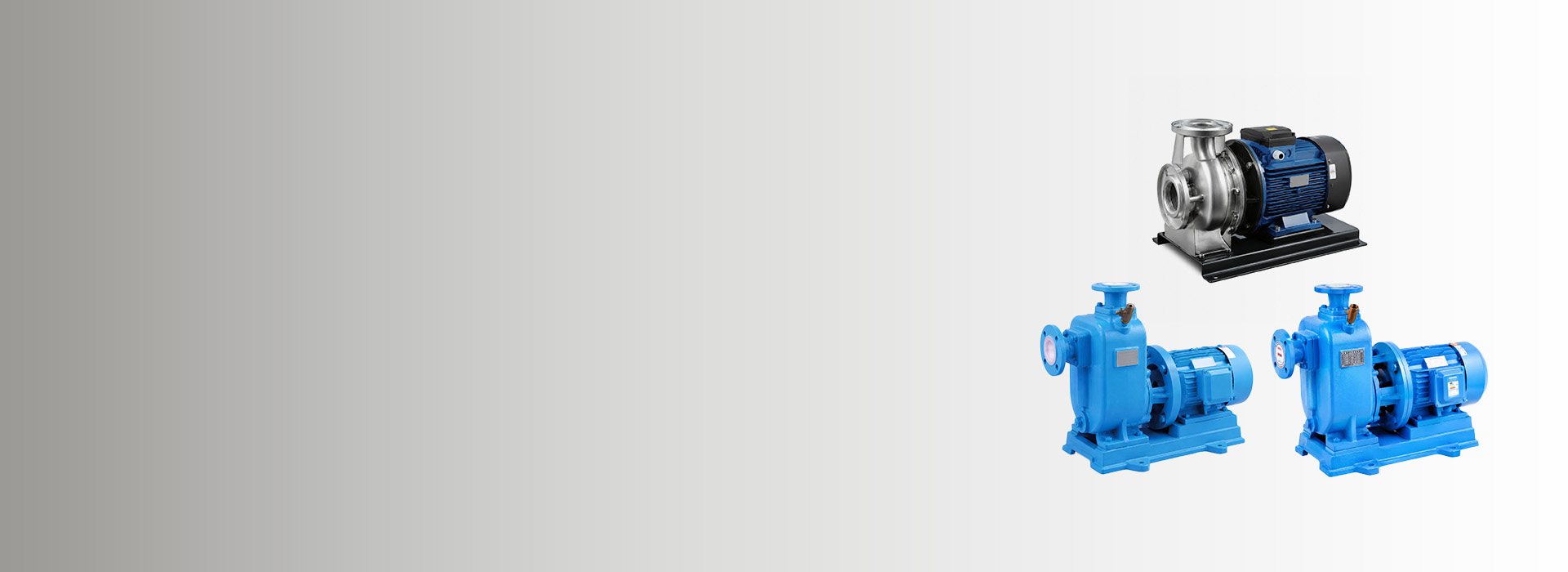
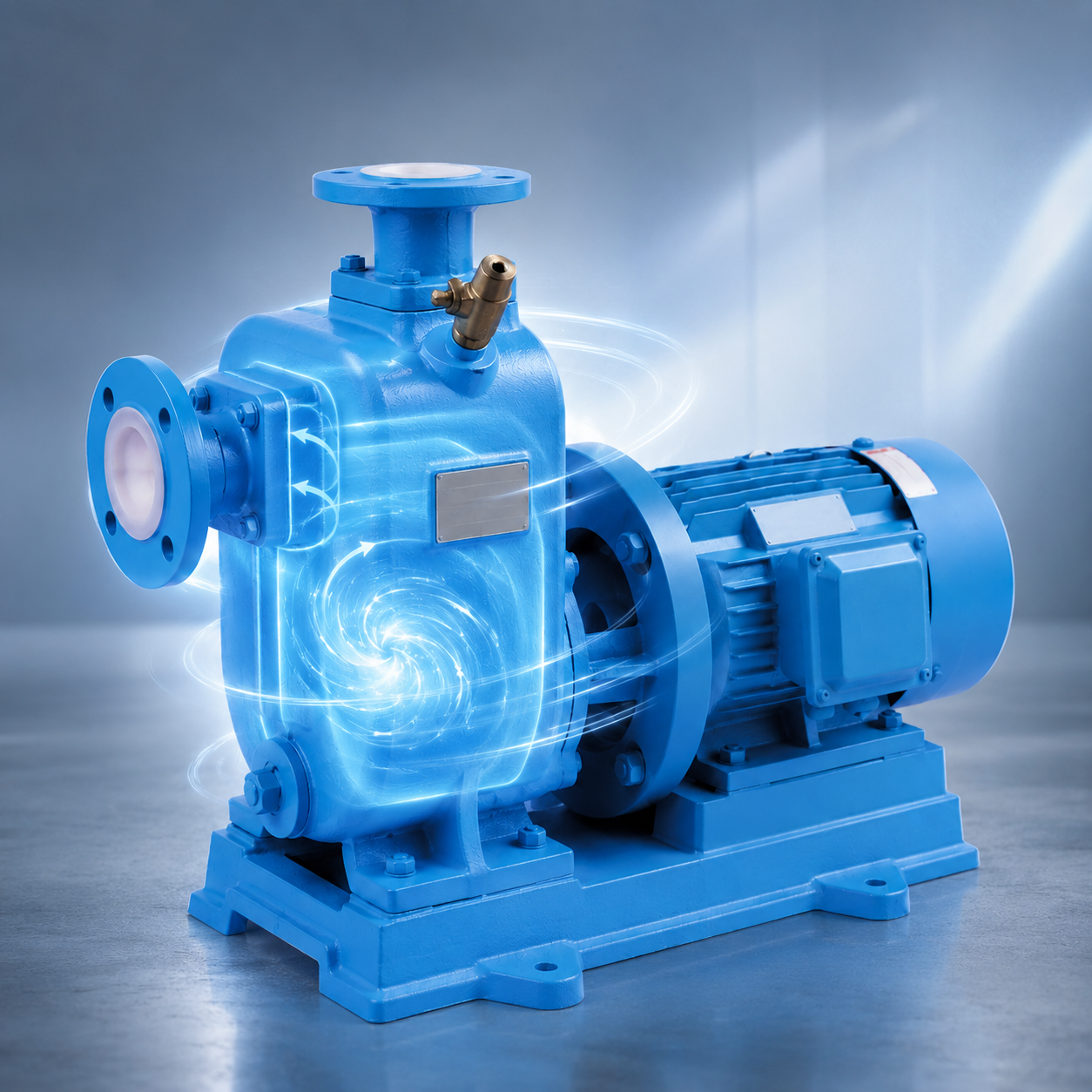
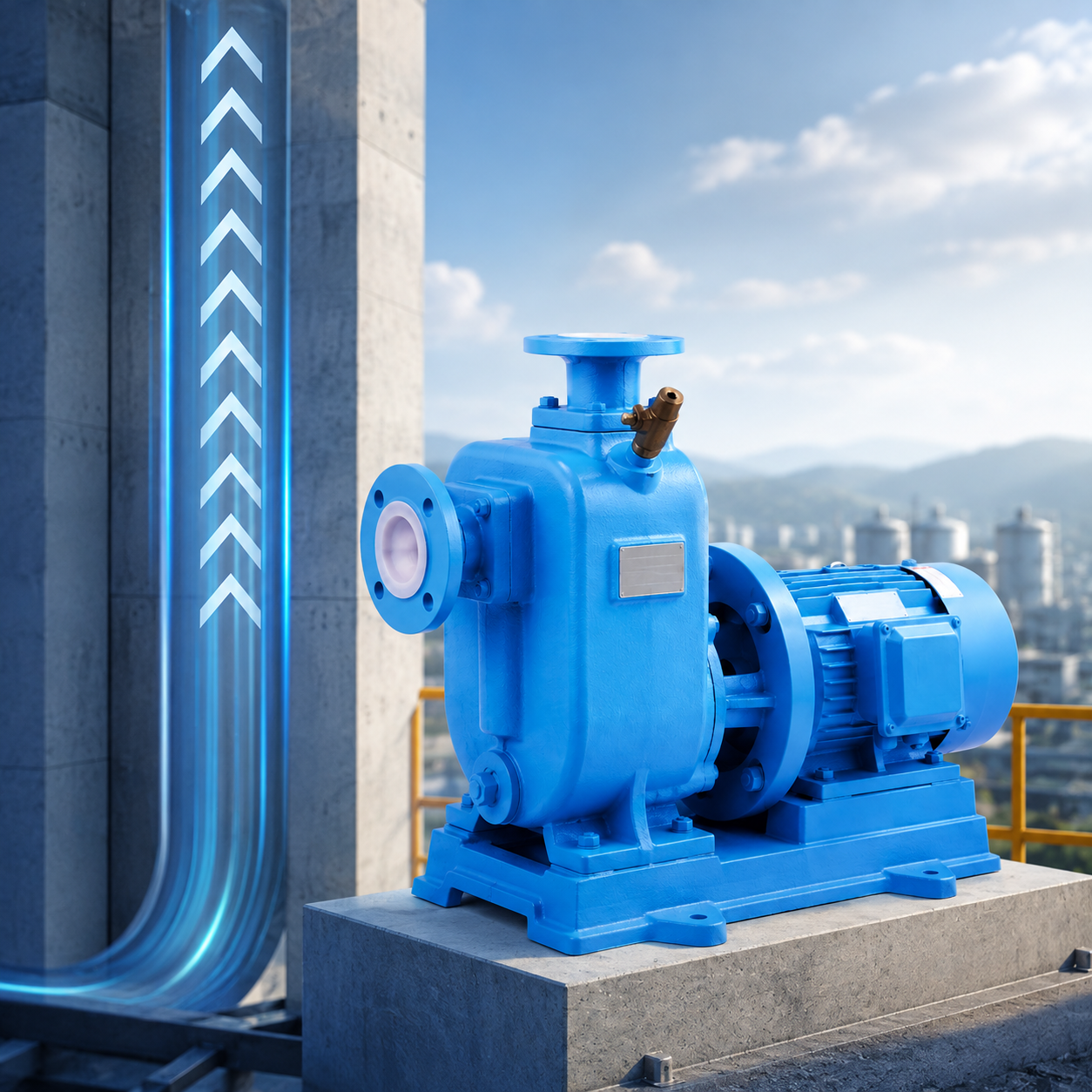
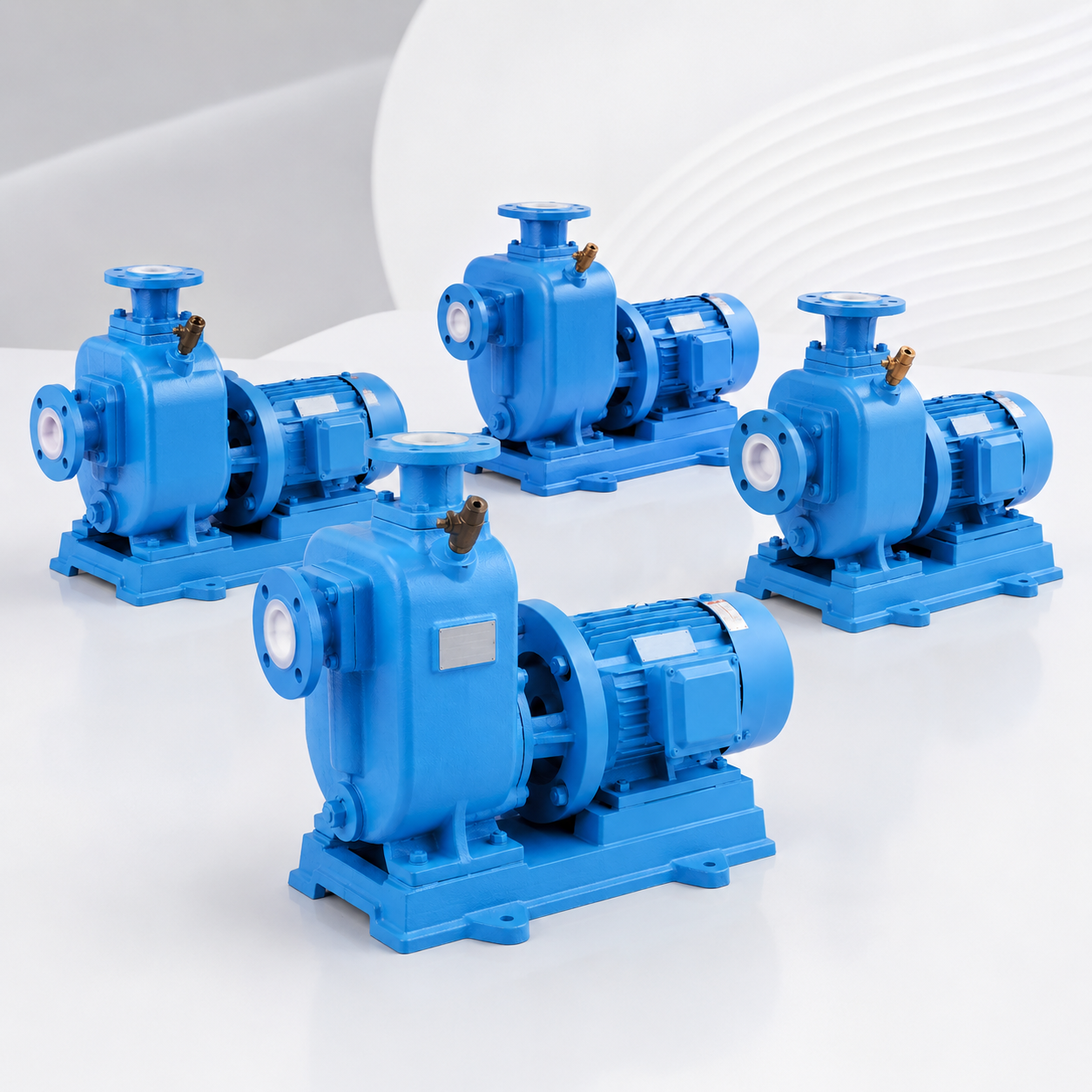
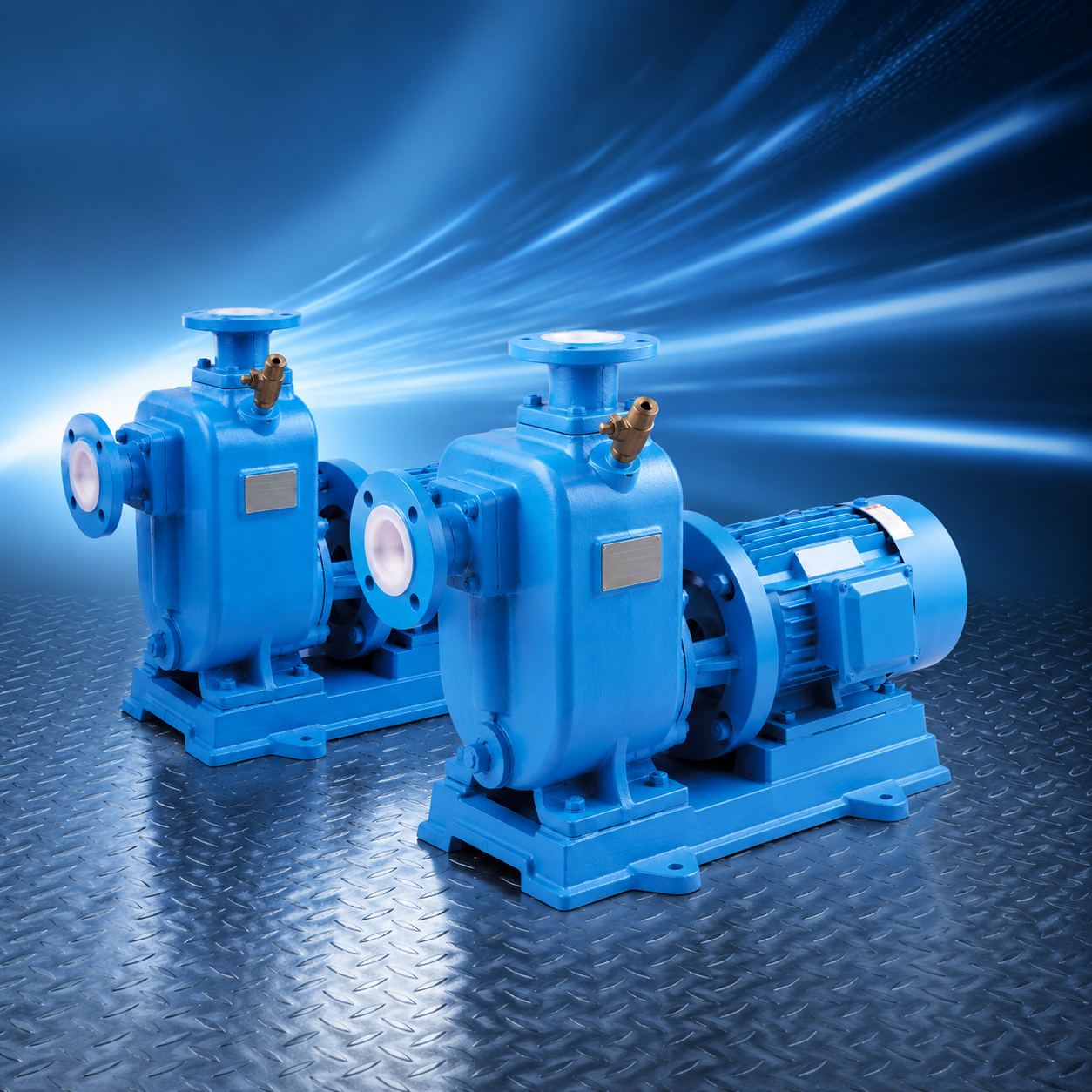
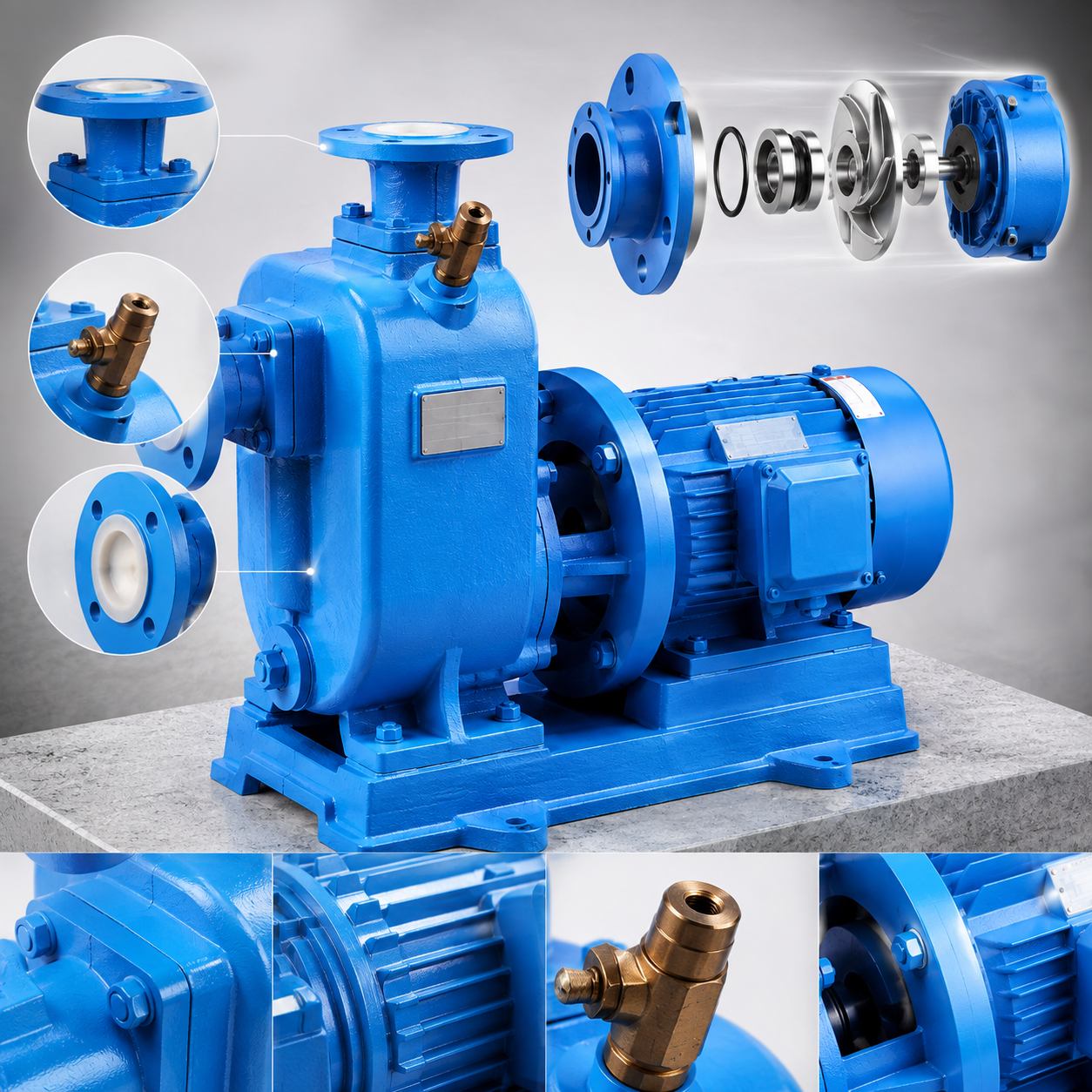
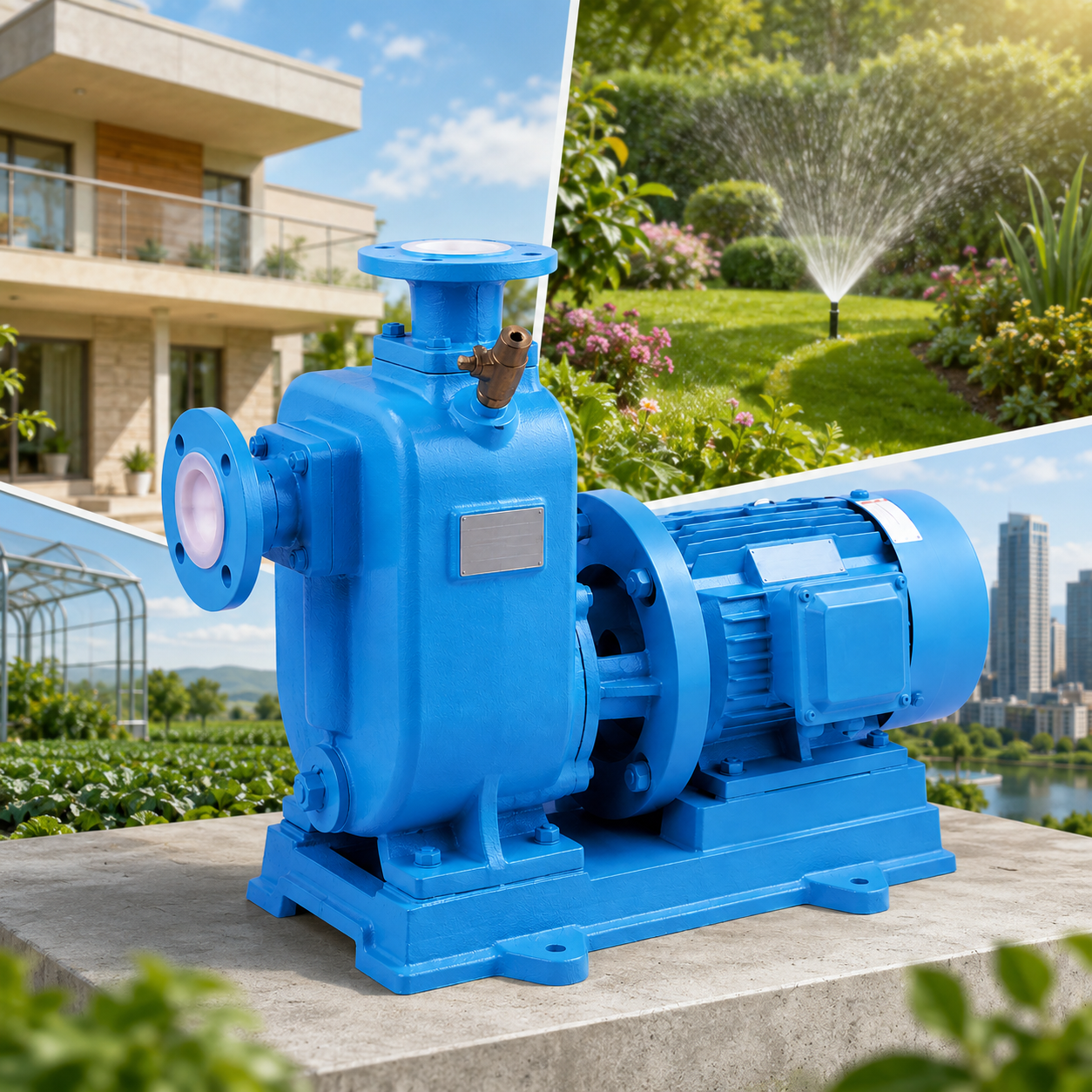
Self Priming Centrifugal Pump Product Highlights
- Reliable Self-Priming Design: The ZW and BZ series pumps have a self-priming rotary structure that makes starting them up easier and keeps the water coming in steadily.
- Clean Water & Sewage Options: The ZW models are good for moving sewage, while the BZ models are made for moving clean water.
- Wide Flow Range: For different water moving needs, different types offer flow rates of 8 to 180 m³/h.
- Multiple Head Options: The range of available heads is from 14 to 60 m, so you can find one that fits your lifting and pressure needs.
- Flexible Size & Power Range: Each outlet is 40 to 150 mm in size, and the motor has 1.5 to 30 kW of power.
- Wide Application Range: Water supply, irrigation, drainage, sewage transfer, and general industry water movement are all possible with this type of pipe.
Self Priming Centrifugal Pump Supplier for Reliable Water Transfer Systems
HunGerät Self Priming Centrifugal Pumps are a reliable way to move water when you need something that is easy to start up, has stable pressure performance, and can be installed in a variety of ways. This series has different models with the right suction, flow, and pressure to help you with situations where the pump needs to pull water from below the installation level.
The self-priming structure is helpful for systems that need to be easy to use, deliver stable water, and be installed without having to put the pump right at the water source. With HunGerät’s reliable production, clear technical communication, and adaptable order management, you can make a more reliable Self Priming Centrifugal Pump supply choice for long-term projects.
Self Priming Centrifugal Pumps by Design
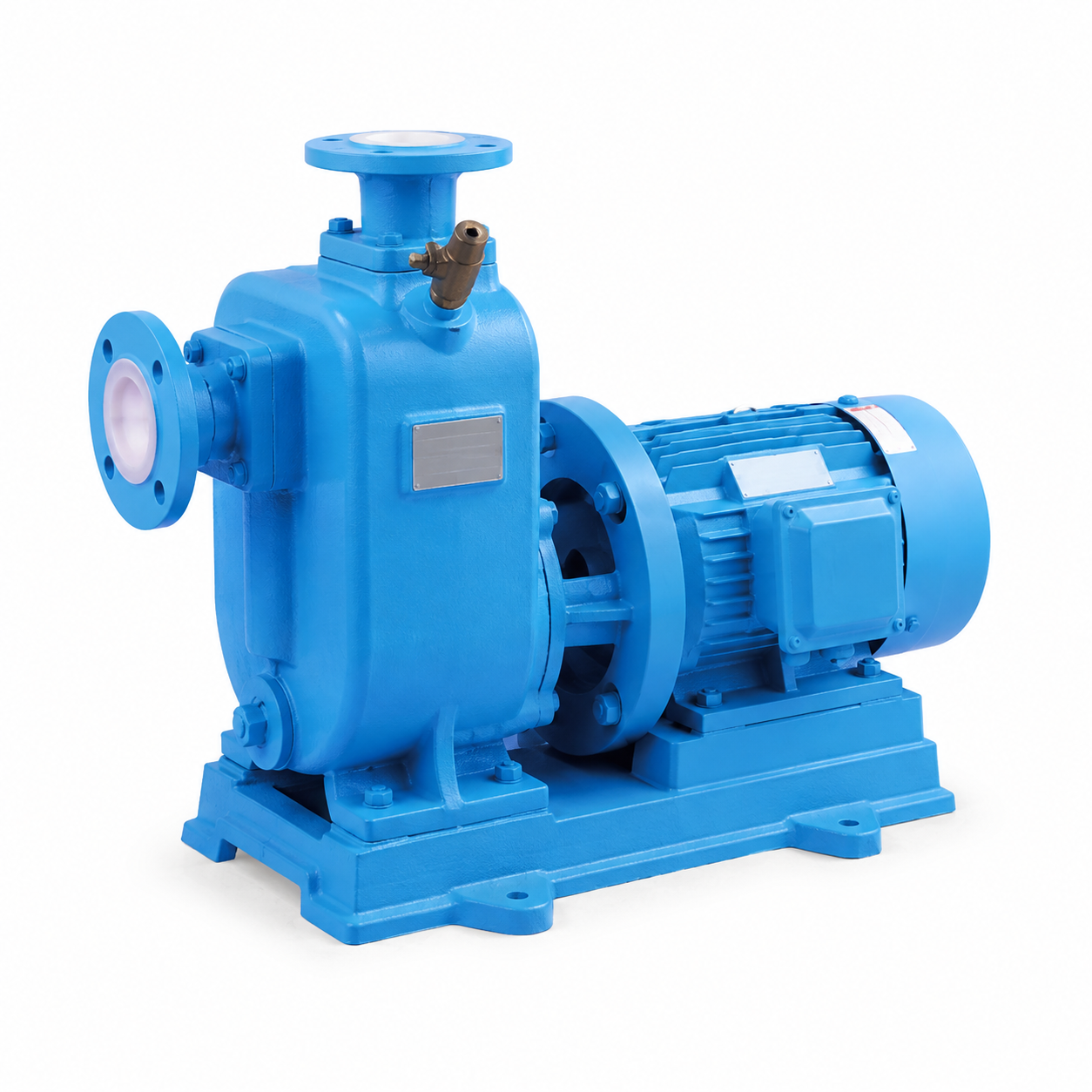 ZW Series Self Priming Sewage Centrifugal Pumps
The ZW series is designed to handle sewage and self-prime for use in wastewater transfer and drainage applications. The catalogue says that these pumps have outlet sizes ranging from 40 to 150 mm, flow rates ranging from 8 to 180 m³/h, heads ranging from 10 to 50 m, and motor powers ranging from 1.5 to 30 kW. This means that you have a range of options for your sewage pumping needs.
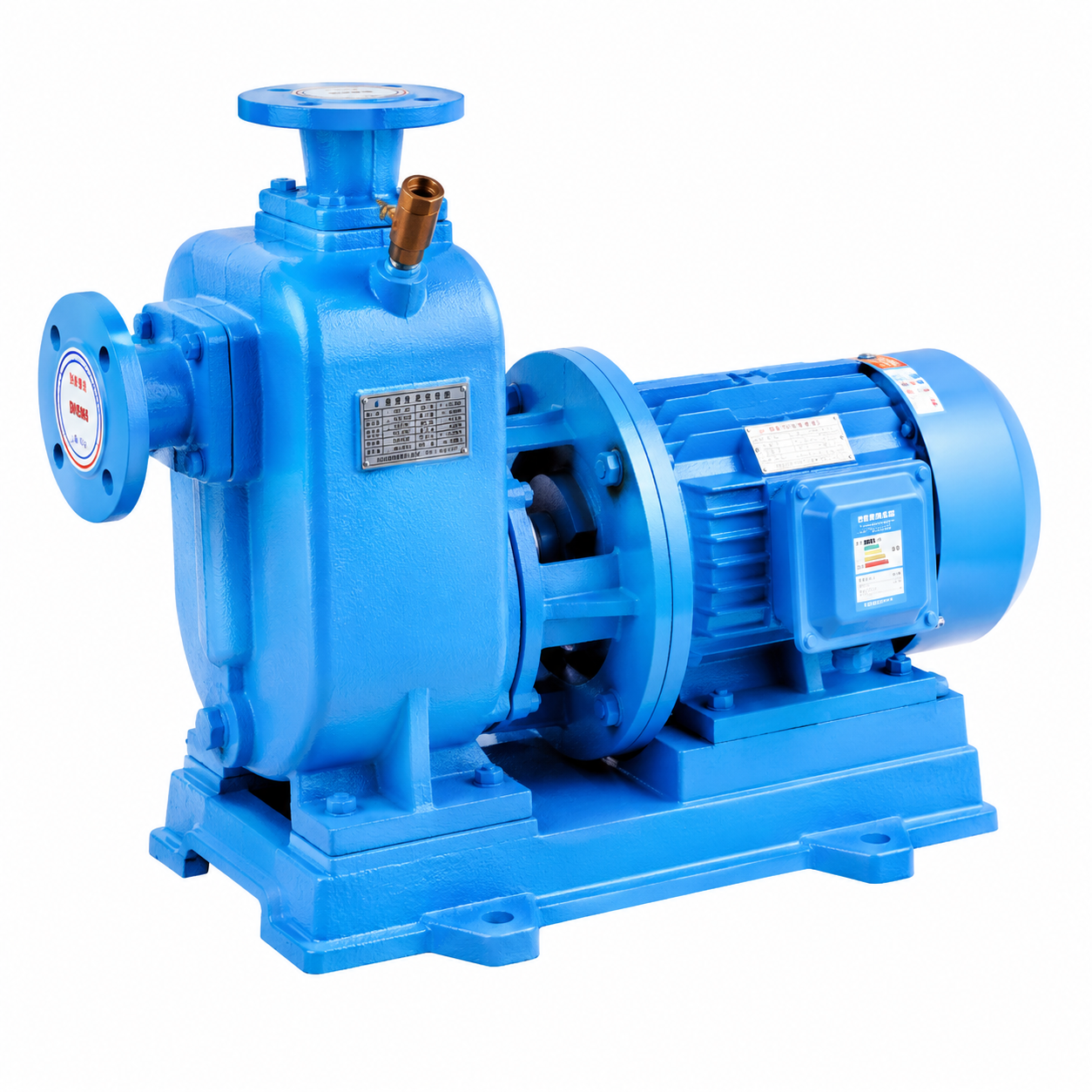 BZ Series Self Priming Clean Water Centrifugal Pumps
The BZ series is made for reliable flow and head performance in clean water transfers that don’t need to be primed. There are models with exit sizes ranging from 40 mm to 100 mm, flow rates ranging from 10 m³/h to 100 m³/h, heads ranging from 15 m to 50 m, and motor powers ranging from 1.5 kW to 22 kW. These models can be used for general water supply, water transfer, irrigation, and other clean water uses.
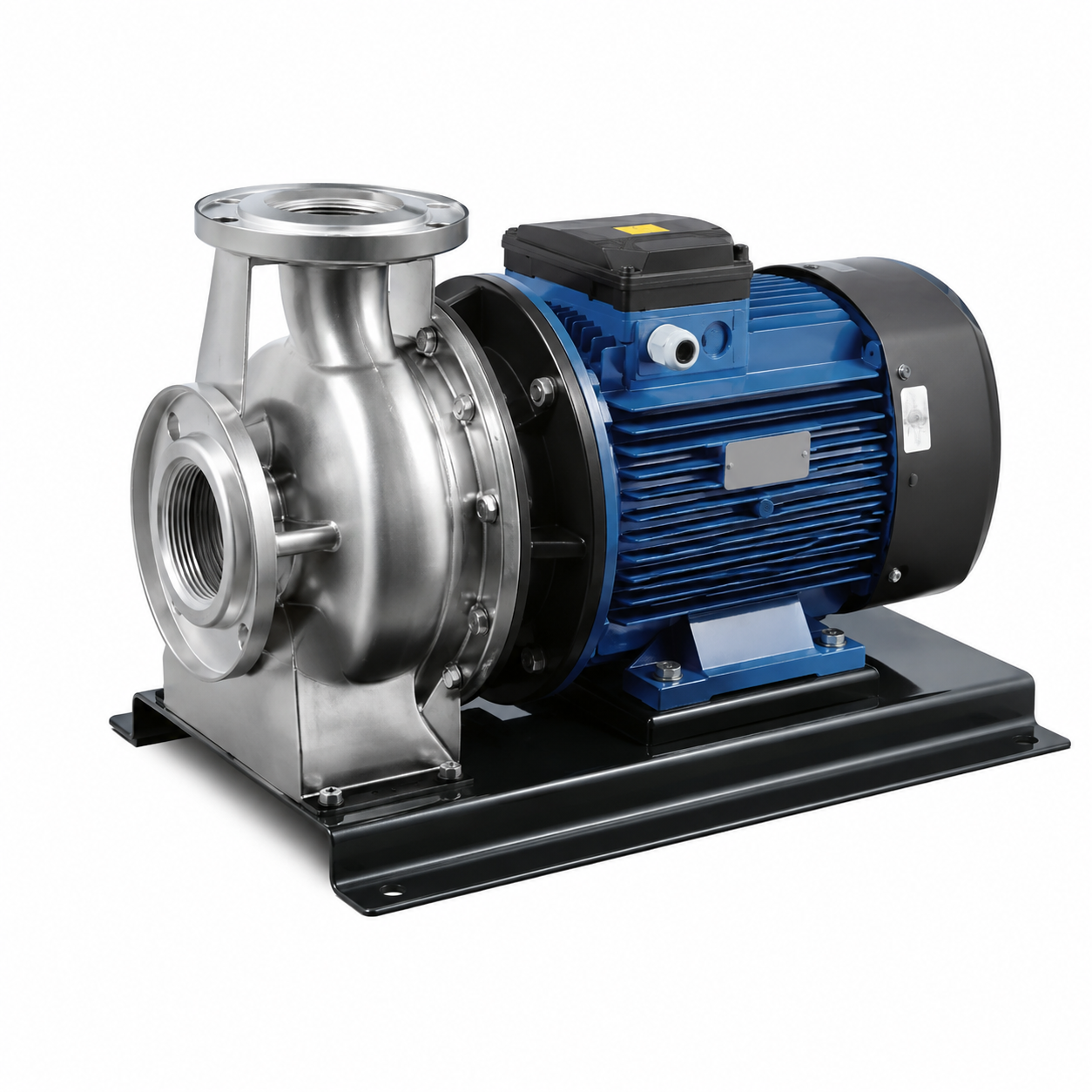 TS Series Stainless Steel Standard Centrifugal Pumps
A stainless steel centrifugal pump structure is used in the TS series for clean water transfer applications that need better corrosion protection and stable hydraulic performance. These pumps can handle flow rates between 12.5 and 160 m³/h, heads between 13 and 68 m, and motor powers between 1.5 and 22 kW, according to the catalogue. This means they can be used for water supply, water transfer, irrigation, and other clean water uses.
Why Choose HunGerät as Your Self Priming Centrifugal Pump Factory

HunGerät has strong skills in hydraulic design, production, assembly, and quality control thanks to its 25 years of experience making pumps. For long-term business, you can find Self Priming Centrifugal Pumps with stable quality and a steady batch supply.

Self-Priming Centrifugal Pumps from HunGerät are made to pull water without having to be installed below the source of the liquid. This gives you more options for placement and cuts down on the amount of work that needs to be done by hand in irrigation, drainage, and water transfer systems.

The 25,000 m² plant can do manufacturing in batches, assembly, inspection, stock preparation, and loading containers. With more reliable arrival dates, this production capacity helps you handle repeat orders, project supply, and inventory planning.

HunGerät Self Priming Centrifugal Pumps can be used for both clean water and sewage, which lets you serve more customers with just one type of product. Flow rates range from 8 to 180 m³/h, heads range from 10 to 60 m, and exit sizes range from 40 to 150 mm.

HunGerät lets OEMs change the labels, colours, packaging, voltage, frequency, and setup of the product. You can then make ranges of Self Priming Centrifugal Pumps that are better suited to your local market, your distribution routes, and the needs of your customers.
Self-Priming Design for Easier Daily Operation
Self-priming HunGerät Centrifugal Pumps make it easier to add water and start up again in systems where the pump is above the liquid source. This cuts down on the amount of work you have to do by hand and makes moving water and draining it easier every day.
Wide Flow Range for Flexible Water Transfer
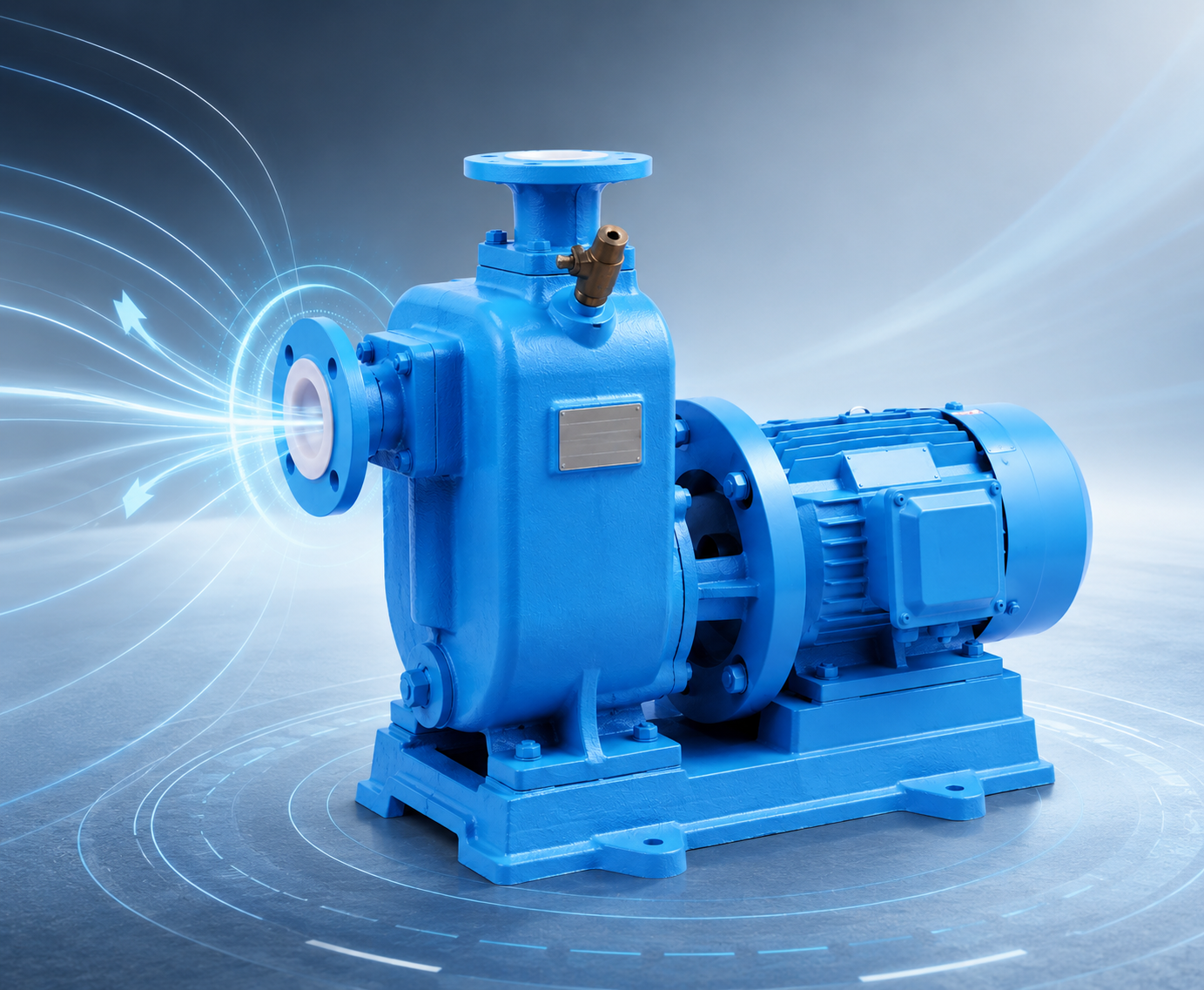
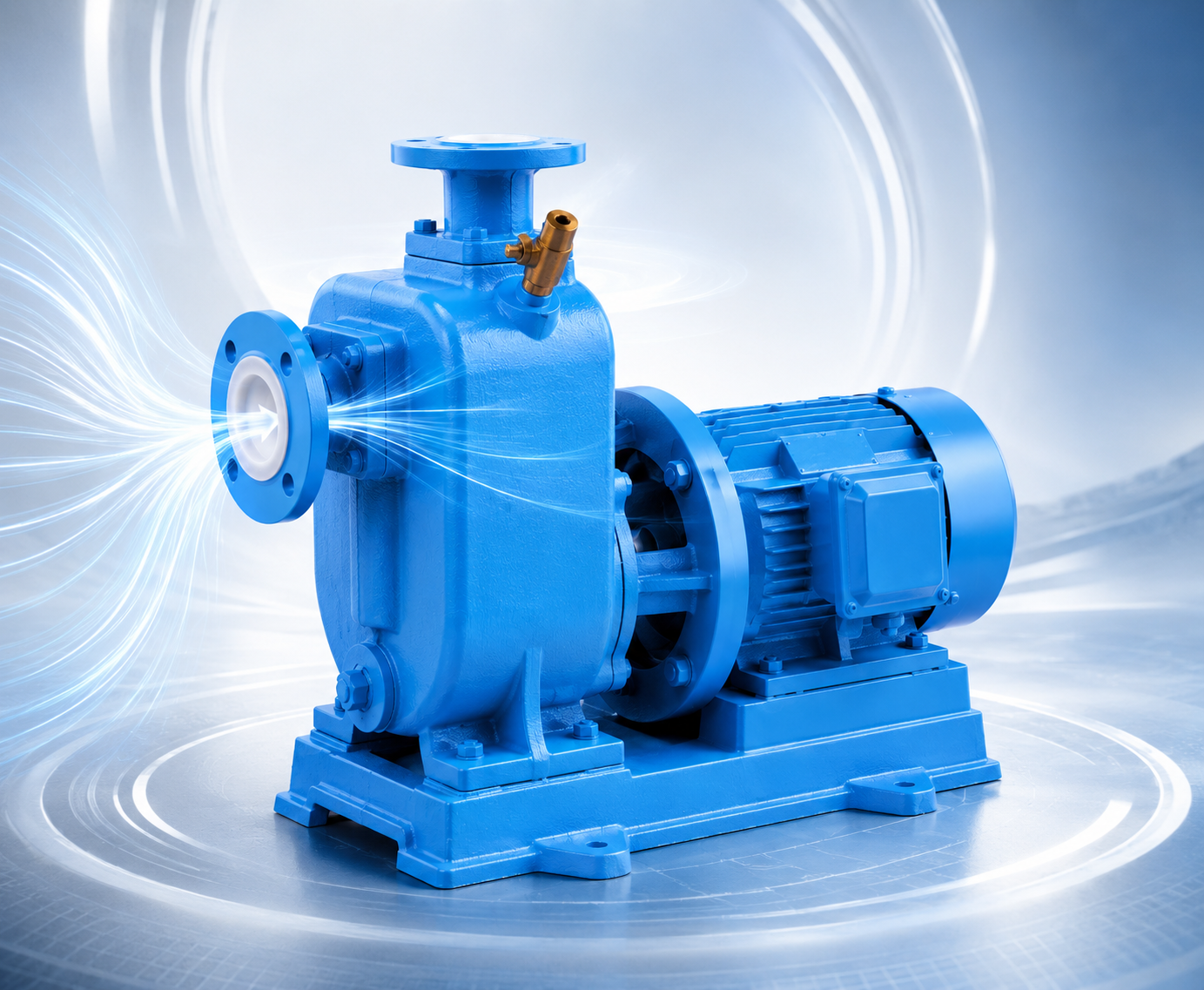
HunGerät Self Priming Centrifugal Pumps can handle flows of 8 to 180 m³/h. This lets you pick the right pumping power for water supply, drainage, irrigation, and moving water between factories.
14–60 m Head Range for Different Lifting Needs
These self-priming centrifugal pumps can handle a range of lifting heights and pipeline situations thanks to heads that range from 14 to 60 m. You can make the pump work better with the pressure and working head you need.
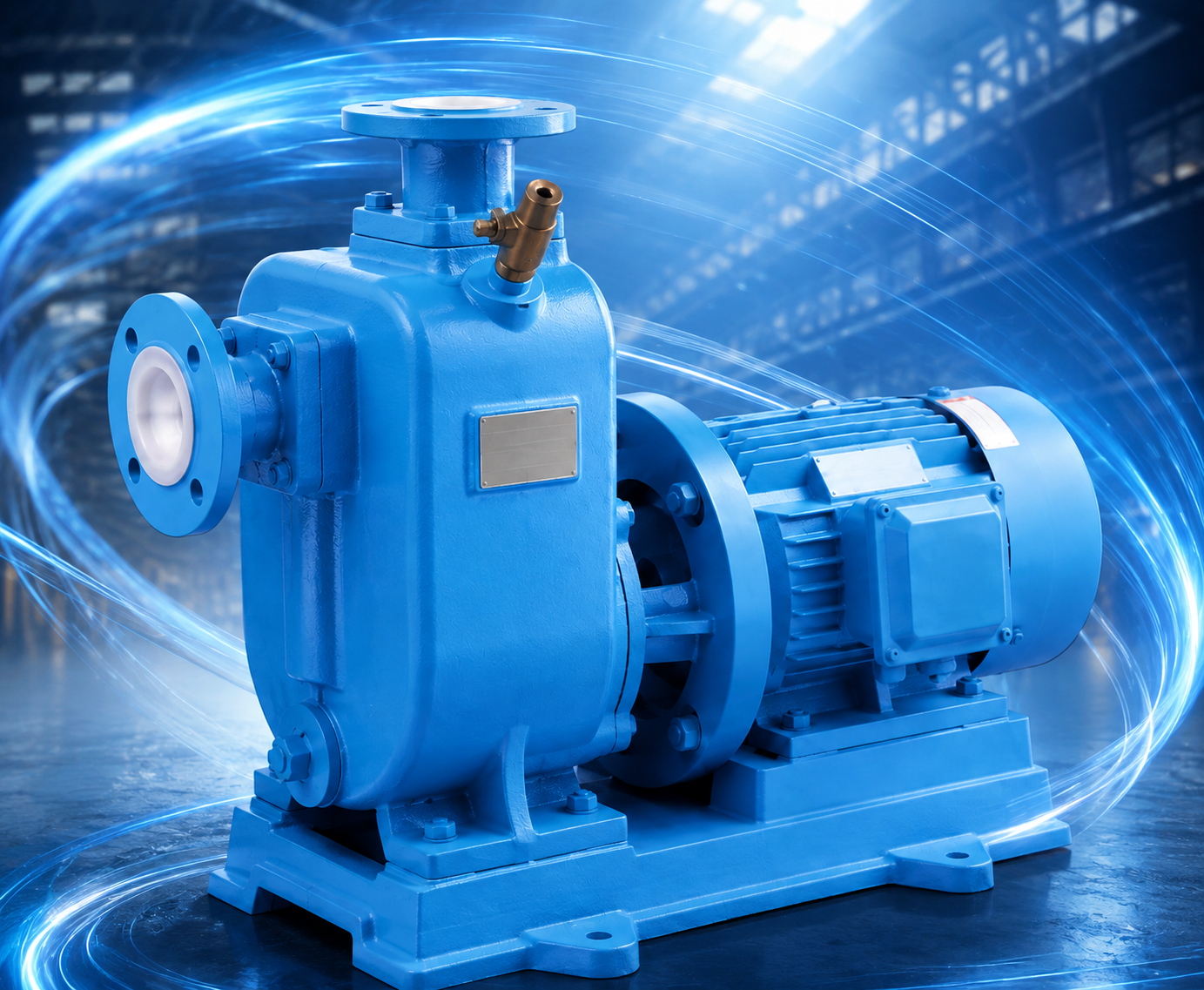
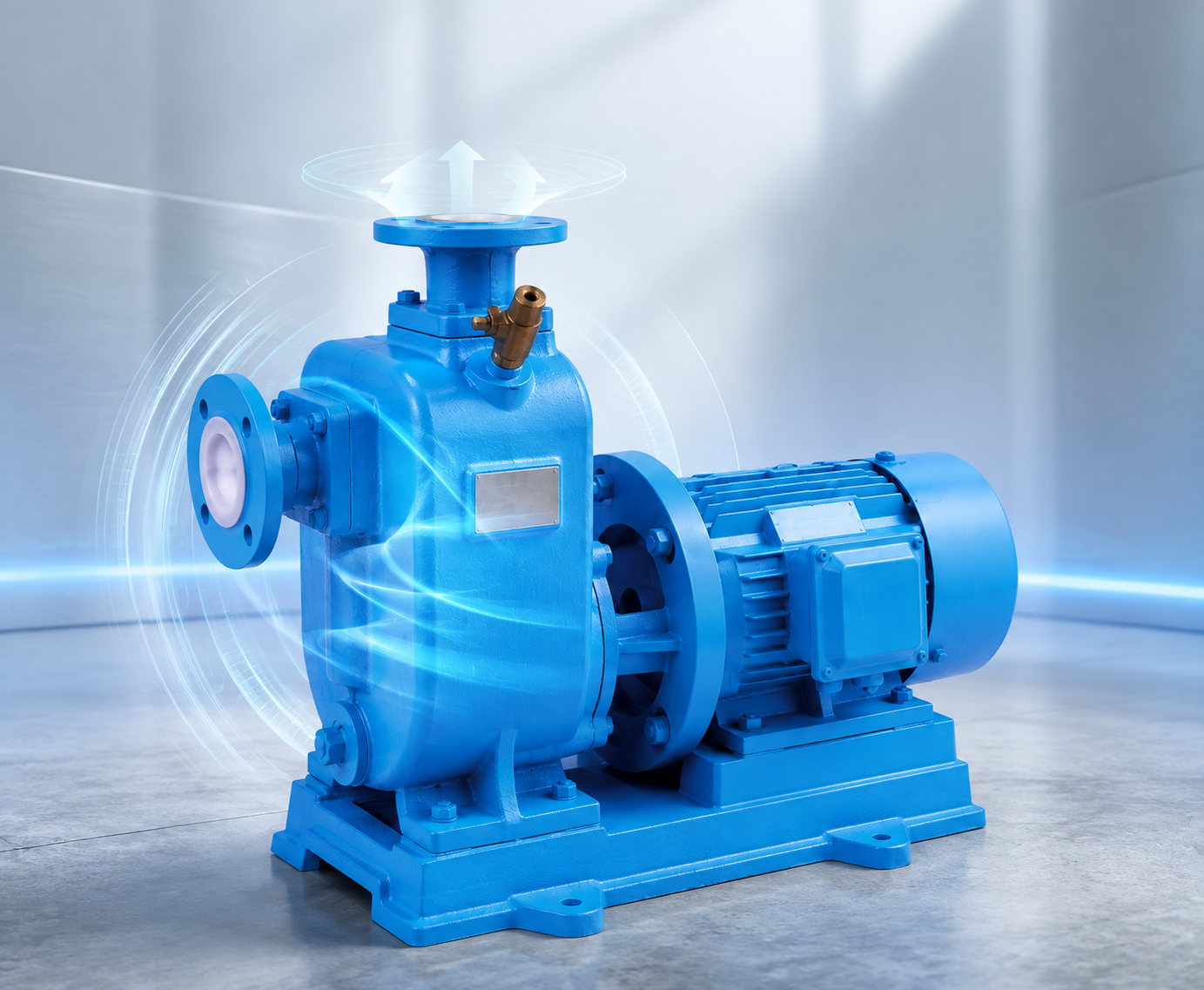
40–150 mm Outlet Sizes for Easier Pipeline Matching
You can get HunGerät Self Priming Centrifugal Pumps with outlets that are 40 mm to 150 mm in size. This lets you match existing pipes and handle different amounts of water without having to make changes to the system that aren’t needed.
1.5–30 kW Power Options for Different Workloads
There are motors with 1.5 kW to 30 kW of power, and different types can run at 1450 or 2900 r/min. For better system matching, you can choose a Self Priming Centrifugal Pump based on the flow, head, and working load you need.
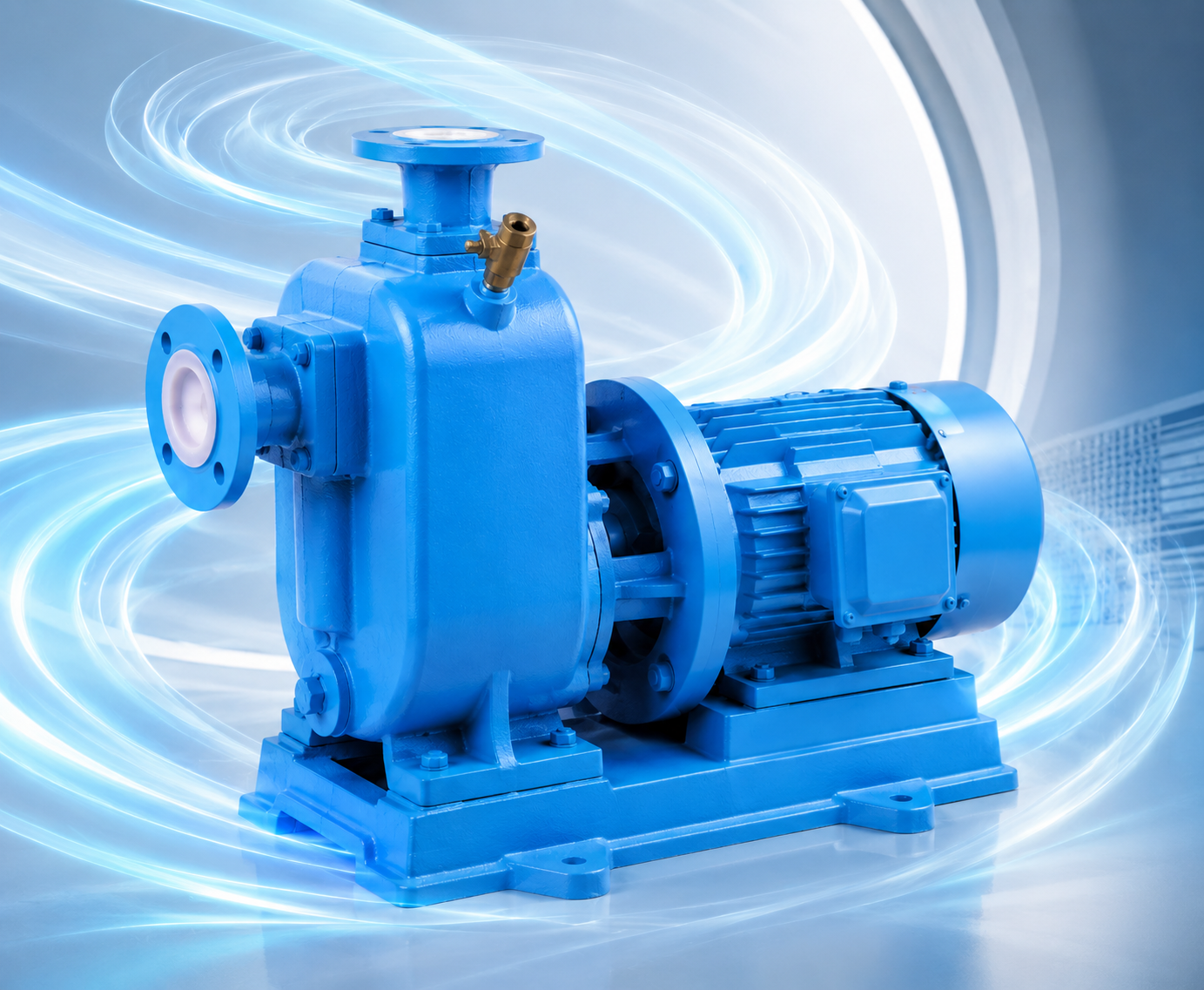
Your Reliable Factory for Self Priming Centrifugal Pumps
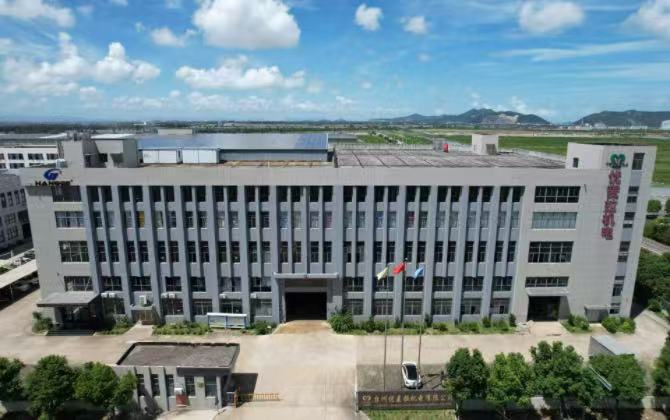
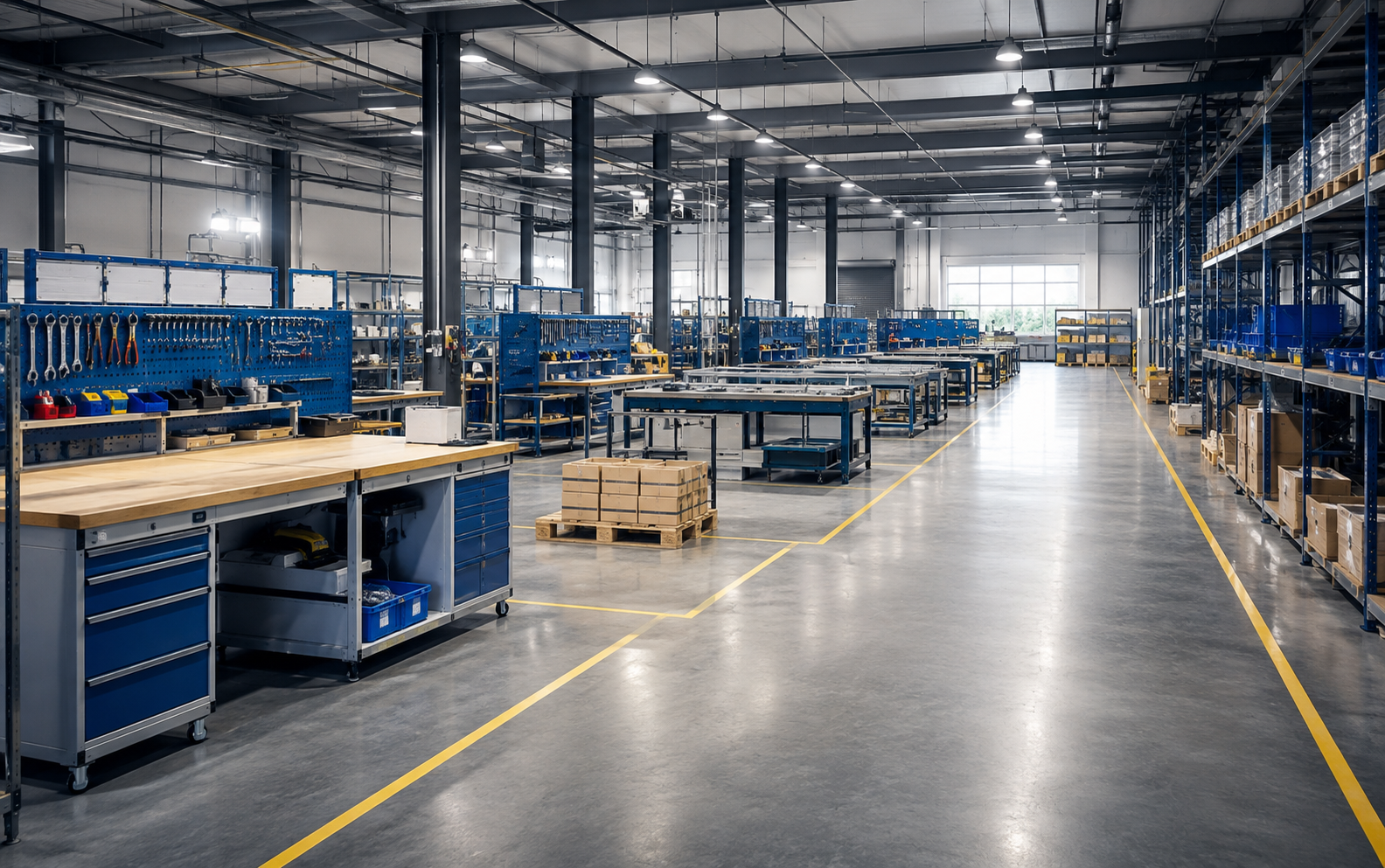
HunGerät oversees the entire process of making Self Priming Centrifugal Pumps, from preparing the parts to putting them together, testing their hydraulic performance, and doing a final inspection. During production, we check important things like the pump’s overall quality, its ability to self-prime, its water flow performance, its motor operation, and its sealing reliability. This way, you can be sure that the goods you receive will always work well and meet your needs.
With 25 years of experience making pumps, HunGerät has set up a production system that can handle batch production, stock preparation, OEM needs, and managing container shipments. Our team can help you choose a model, check the technical details, get a quote, and keep track of your order. This will make the whole process of buying a Self Priming Centrifugal Pump easier, from choosing the product to receiving it.
Self Priming Centrifugal Pump Application Areas
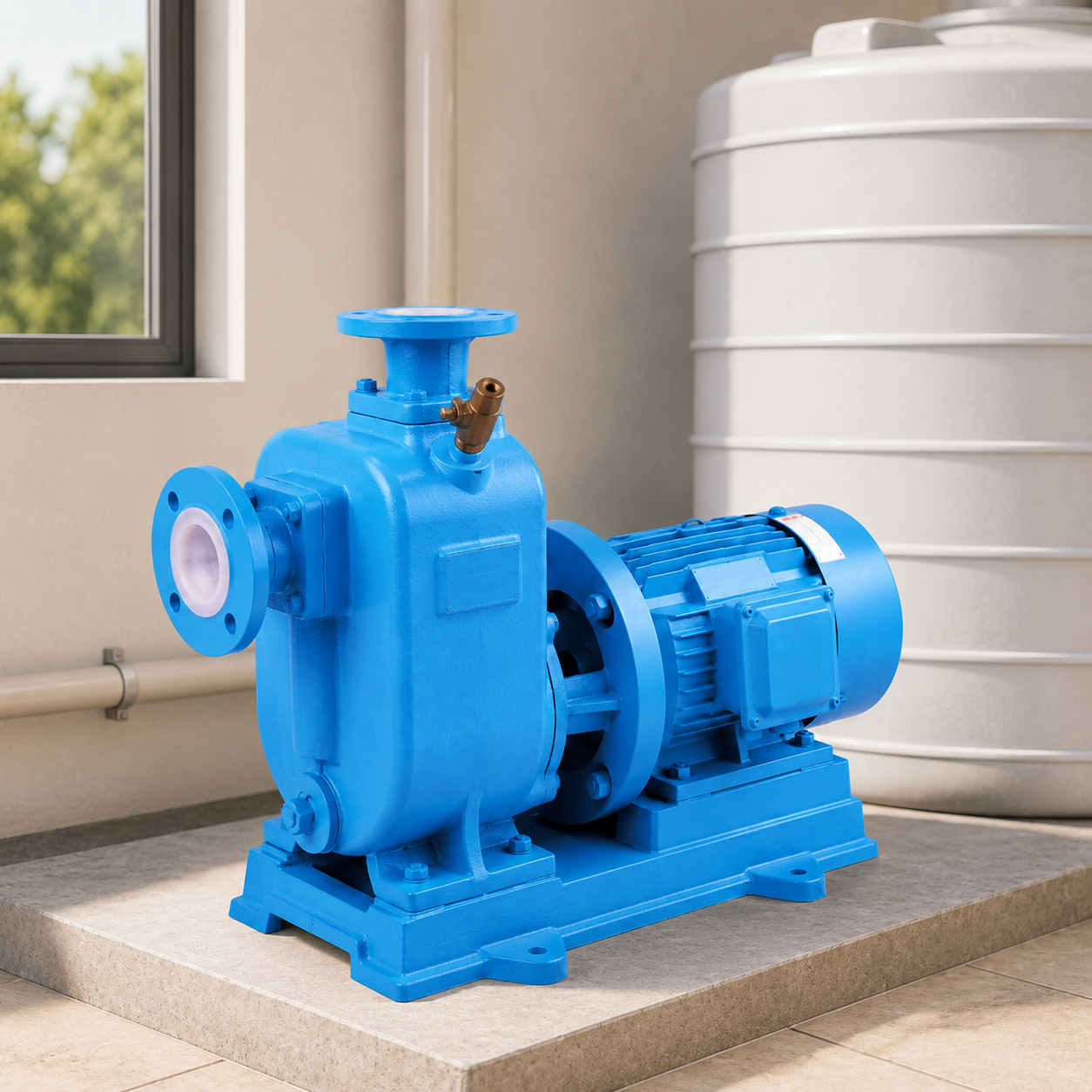
Properties, businesses, and self-contained water systems that get their water from tanks or wells need a water supply that can be counted on. Self-Priming Centrifugal Transferring water steadily and keeping the supply working well is what pumps are for when the installation point is higher than the water level.
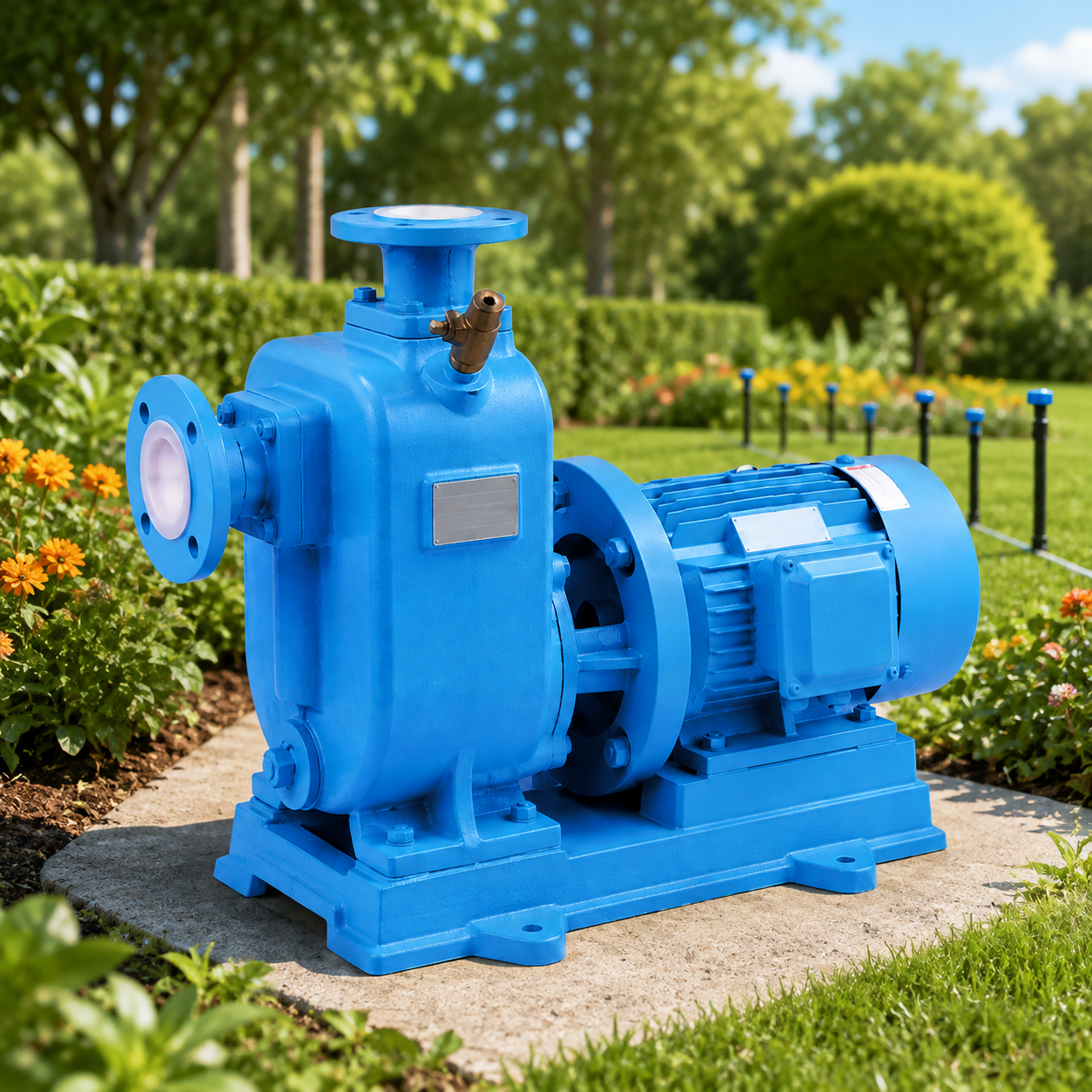
Pumps that can keep the flow of water steady for all the places that need to be watered are needed for irrigation systems. Centrifugal that primes itself Pumps are good for gardening, parks, and small farms that need to water crops but need something that is easy to set up and can be moved around.
To move water between wells, storage tanks, and supply points, you need equipment that can work in a variety of installation situations. Self-Priming Centrifugal Pumps are reliable when it comes to pumps that need to pull water from lower levels during water transfer jobs.
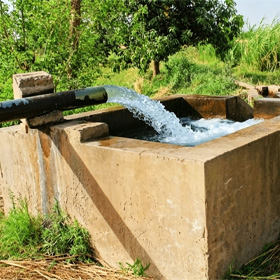
Pumps that can work with water sources like wells, reservoirs, and tanks are often needed for farm irrigation systems. Self Priming Centrifugal Pumps move water steadily for watering greenhouses, irrigating farms, and other farming tasks that need to work reliably.
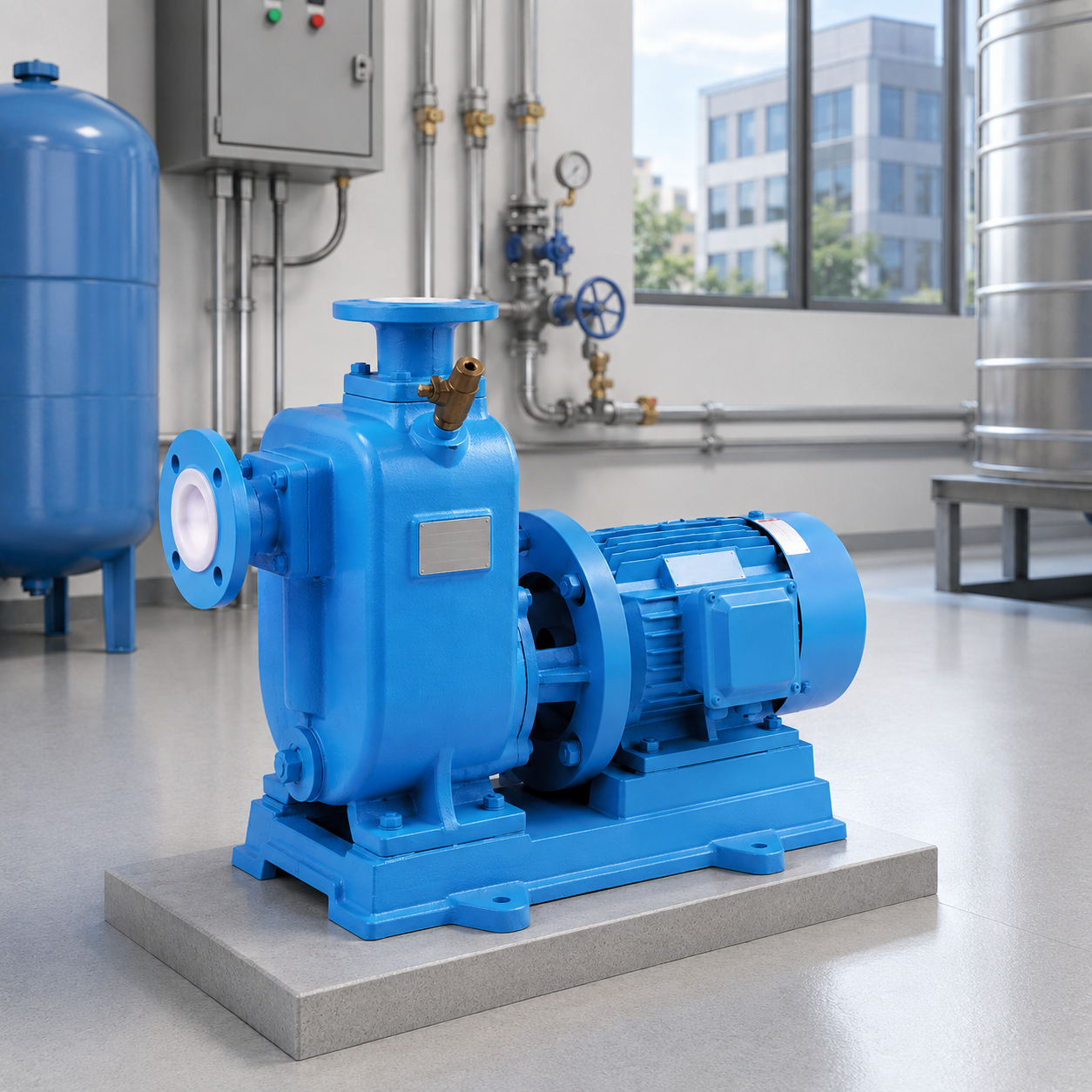
When water systems don’t have enough pressure, they need pumps that can make the water delivery work better. Centrifugal that primes itself Pumps can help raise the pressure in small buildings, workplaces and water supply systems that need a steady flow of pressure.
For cleaning machines and water transfer systems to work, they need a steady flow of clean water. Centrifugal pumps that are self-priming are easy to set up and work reliably for moving water in washing systems, cleaning equipment, and other situations.
At sea level, the theoretical suction lift is about 10.3 m, but for a Self Priming Centrifugal Pump, the normal working range is between 6 and 8 m. It is better to keep the real suction lift below 7 m because it speeds up priming and gives you more room to avoid cavitation.
Priming a properly installed Self Priming Centrifugal Pump usually only takes one to five minutes, depending on the size of the pump, the length of the pipe, and the height of the suction. If priming is still not done after 5 minutes, check the suction line for air leaks, blockages, or lifting heights that are too high.
For good suction, keep the horizontal suction pipe as short as possible, ideally between 5 and 10 m if installation allows. Longer suction pipes can work, but they lose more power due to friction, and the real suction lift usually needs to be lowered to keep priming stable.
A foot valve isn’t always needed because the pump is made to let air out of the suction line while it’s starting. A foot valve or check valve of the right size, on the other hand, can cut down on the time it takes to restart, especially when the suction pipe is longer than 5 m or the vertical lift is close to 6–8 m.
Completely filling the pump case with water before starting it up for the first time is better than partially filling it. Since the case holds 5 L, for example, about 5 L of water should be added before starting so that the mechanical seal and priming chamber don’t work without any water.
It is not a good idea to run a standard Self Priming Centrifugal Pump dry on purpose, since the mechanical seal needs liquid to cool and lubricate it. Within 30 to 60 seconds of dry operation, seal temperatures can rise quickly. For systems where the water supply could be cut off, dry-running safety is suggested.
Most of the time, the suction pipe should be the same size as or one size bigger than the pump’s inlet. It should not be smaller than the inlet diameter. If you have a 65 mm outlet, you should use at least a 65 mm suction pipe. For a long suction line, you may choose a bigger pipe.
There shouldn’t be more than two or three elbows in the suction line, and each one should be as far away from the pump outlet as possible. Each extra elbow raises the risk of friction and air-trapping, which can make the priming time longer and the Self Priming Centrifugal Pump work less well.
A good design goal is to keep the available NPSH at least 0.5 to 1 m higher than the needed NPSH of the pump. A margin of about 1–2 m is better for protecting against cavitation in places with bad flow, hot water, or high elevations.
As you go up in elevation, the atmospheric pressure drops, which means that less suction lift is possible than at sea level. Practical suction lift may drop by about 1 m at 1,000 m above sea level. This means that a system built for a 7 m suction lift at sea level should be reevaluated for use at high elevations.
Standard clean-water Self Priming Centrifugal Pumps usually work with liquid temperatures between 0°C and 60°C, but some seals and materials may be able to handle temperatures of up to 80°C. The motor, mechanical seal, gasket, and pump material specifications should always be used to get the exact limit.
A centrifugal pump should work at about 80–110% of its Best Efficiency Point flow for stable efficiency and long life. Continuous running below 70% or above 120% of BEP can make vibration, hydraulic load, energy use, and wear on parts worse.
Yes, a VFD can be used to change the flow and pressure of the right three-phase Self Priming Centrifugal Pumps based on demand. Changing the frequency from 50 Hz to 40 Hz slows down the pump by about 80%, which means that there is about 80% flow and 64% head according to the laws of centrifugal pumps.
For centrifugal pumps, when the system lets the speed be slowed down, shaft power changes by about the cube of the pump speed. If you slow down the pump from 100% to 80%, you might be able to save about 51% on power costs, but this depends on the system’s resistance and how it’s being used.
Yes, two Self Priming Centrifugal Pumps that are the same can work together when a system needs more peak flow or an extra pump. In a perfect low-resistance system, the combined flow from two pumps might be close to 200% of the flow from one pump. However, the real combined flow is usually less because system head goes up as flow goes up.
Every one to three months, check for leaks, noise, vibration, motor power, and suction problems in pumps that are used every day. More thorough checks should be done on the bearings, mechanical seals, impellers, and electrical connections every 2,000 to 4,000 hours of operation, based on the type of liquid and duty cycle.
During normal operation, a useful general goal for many small and medium-sized commercial centrifugal pumps is a vibration speed below about 4.5 mm/s RMS. If the readings get close to or above 7.1 mm/s RMS, they should be checked for cavitation, bearing wear, misalignment, imbalance, or problems with the foundation.
The most common reasons are air leaking from the suction side, a check valve that is leaking, a damaged seal, or water draining out of the pump casing. Any air gap of just 1-2 mm at a joint that isn’t sealed well can stop suction, so all threaded connections, flanges, and seals should be carefully checked.
When a pump’s normal operating flow stays below 70–80% of its BEP flow and the discharge valve has to stay tightly closed, it’s probably too big. It is possible to cut down on pressure, power use, vibration, and repeated start-stop processes by choosing a smaller pump or using variable-speed control.
How to Pick the Right Self Priming Centrifugal Pump for Your System
First, be sure of the type of liquid, the flow rate needed, and the total head. For moving clean water, pick a model made for that purpose. For moving sewage or wastewater, you’ll need a pump that can handle more flow. HunGerät Self Priming Centrifugal Pumps can handle flows of 8 to 180 m³/h and heads of 10 to 60 m, so pick a model whose rated working point is close to what your system actually needs.
Then, make sure that the motor power and pump outlet work with your pipeline and how it is being used. Outlet sizes range from 40 to 150 mm, and motor powers range from 1.5 to 30 kW. Don’t just choose a pump based on pipe size; think about flow, head, liquid condition, and predicted running time as well to avoid low efficiency or power waste. We can help you choose the right Self Priming Centrifugal Pump for your project if you tell us about your flow, head, pipe size, and the liquid you want to pump.