I. Introduction
When the pool pump is off, water stops circulating through the filter, heater, and treatment equipment. That is why a pool pump is not only a transfer pump. It delivers the flow that keeps the entire circulation system running. With this knowledge, you will be able to match pumps with pool equipment, clearly describe each product, and avoid complaints by expecting the pump to filter or disinfect water by itself.
II. The Basic Role of a Pool Pump
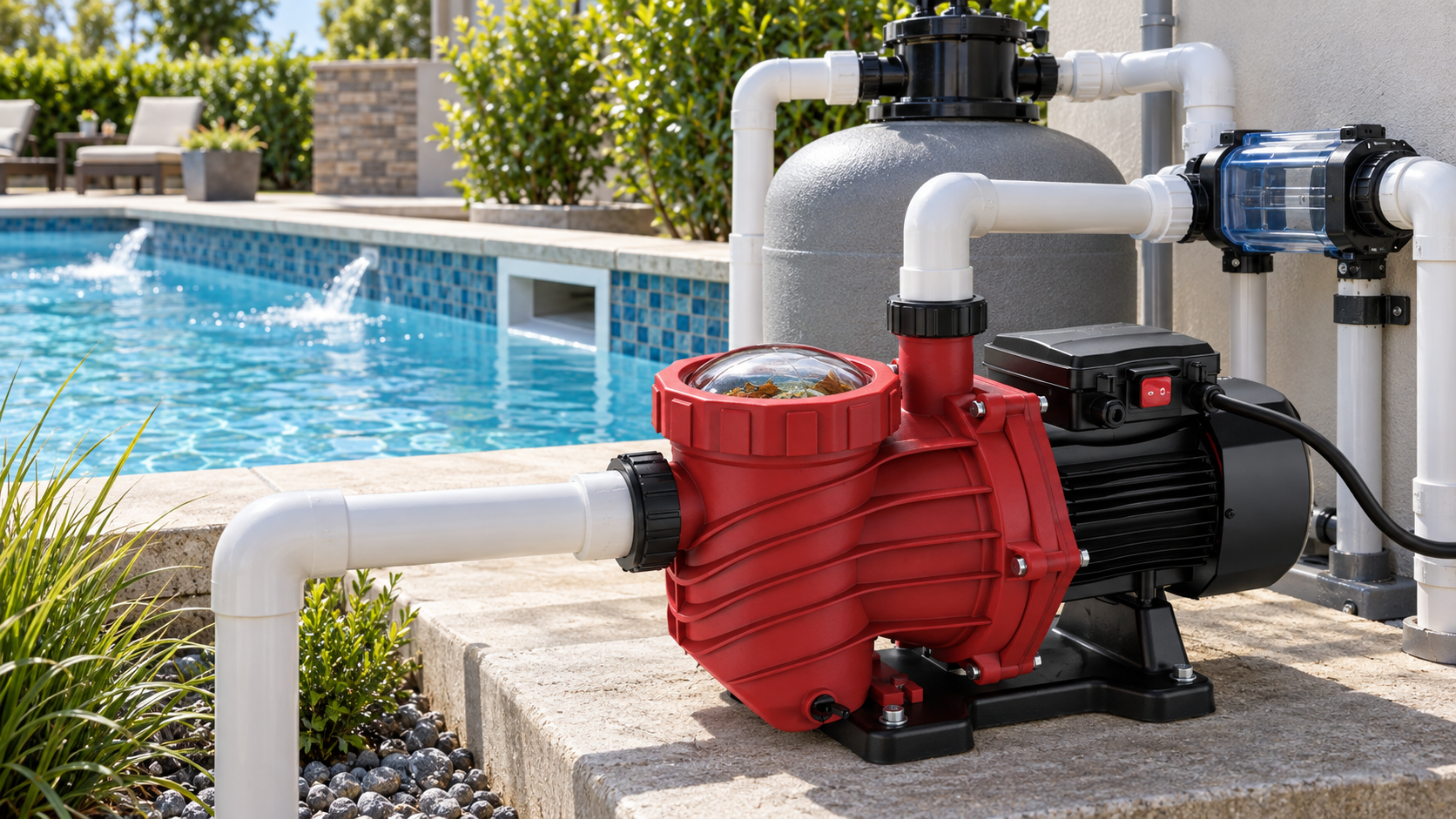
A pool pump pulls water from the pool, passes it through the filter and other treatment equipment, and then returns it to the pool through the return jets. Its major job is to keep water flowing. The pump basket filters out leaves, hair, and other large debris, while the filter traps the finer particles, and the water treatment system deals with germs and algae.
III. How a Pool Pump Works
1. Drawing Water from the Pool
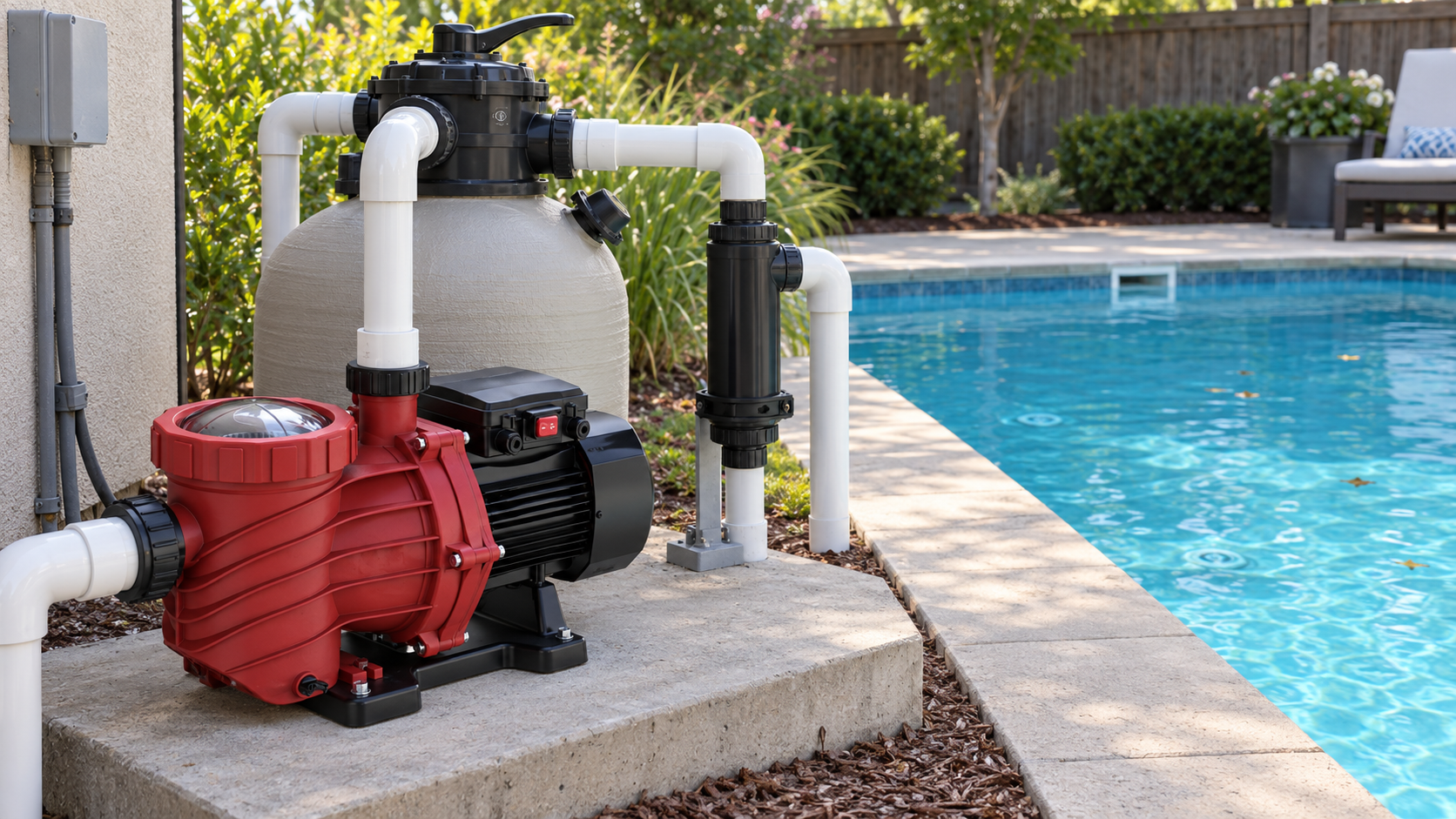
Pool water enters the circulation system often through surface skimmers and pool bottom suction outlets. This water is pulled through the suction pipe into the strainer housing by the pump. The pump basket catches leaves, hair, insects, and other big things that could clog or damage the pump before the water gets to the impeller.
2. Moving Water Through the Equipment
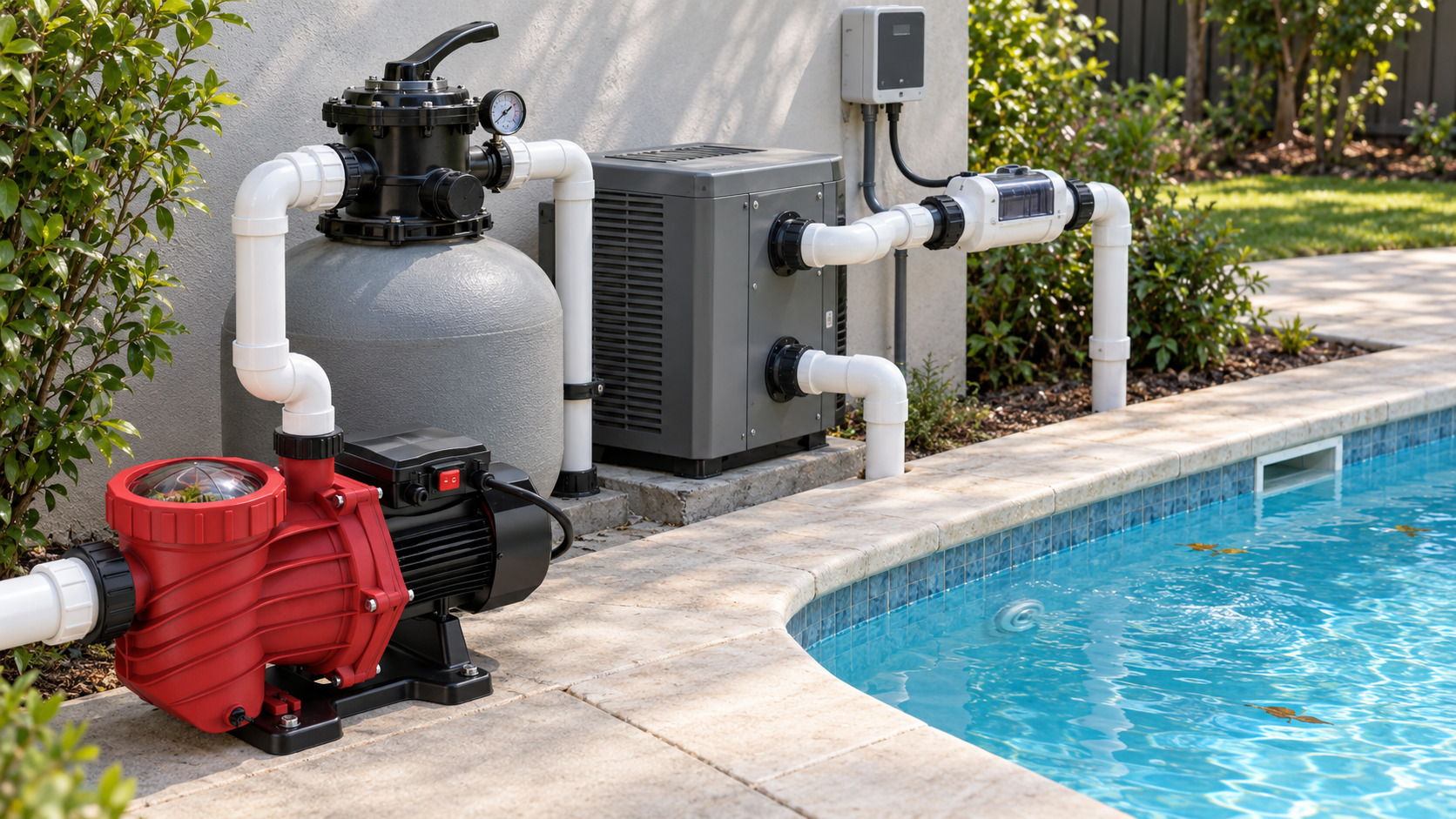
The motor turns the impeller in the pump housing. The spinning impeller provides the flow that moves water from the suction side to the discharge side. Water then travels through the pool filter and, depending on the system, may also flow through a heater, salt chlorinator, UV unit or chemical dosing equipment.
3. Returning Water to the Pool
The water is filtered and treated and then put back into the pool through the return jets. The location and direction of these jets help to circulate treated water around the pool. No need to transfer water manually. As long as the pump is running, the same water circulation process is repeated.
IV. Main Functions of a Pool Pump
1. Keeping Pool Water Circulating
Pool pumps circulate water from the pool to the treatment systems and back again. Without this flow, the water will sit in the pool while the filter, heater, and treatment equipment lie unused. Important for your variety of products is that a pool pump should be sold as the major source of water flow, not only as a motor of a specific HP or kW rating.
2. Carrying Dirt to the Filter
The pool pump sends water containing dust, dirt, hair, and other tiny particles through the filter. The filter then traps these particles, and the pure water flows on through the system. The pump as such does not filter fine dirt, so in the delivery of both products combined, the working flow of the pump has to be adjusted to the allowed flow range of the filter.
3. Supporting Surface Cleaning
The water flowing through the skimmer brings floating leaves, insects, hair, and other surface dirt into the pump basket. This helps keep the surface of the water clearer until the dirt settles to the bottom. The opening of the skimmer, the pipe size, the water level, and the direction of the return jet all affect skimming; so, more powerful pumps do not always mean better skimming.
4. Distributing Pool Chemicals
The pump helps in the distribution of chlorine and other pool treatment materials around the pool. Constant water circulation means treated water doesn’t stay in just one spot. The pump doesn’t decide the right chemical level or disinfect the pool itself, but it does help the chosen treatment process operate across the pool.
5. Supporting Heaters and Treatment Equipment
Pool heaters, salt chlorinators, chemical dosing devices, and some UV systems need water to pass through them to work. A lot of these goods feature a flow switch that turns them off if there isn’t enough water flowing through them. Offering full pool systems, you can check the minimum and maximum flow of each device and avoid packages where the pump and treatment equipment do not perform properly together.
V. Main Types of Pool Pumps
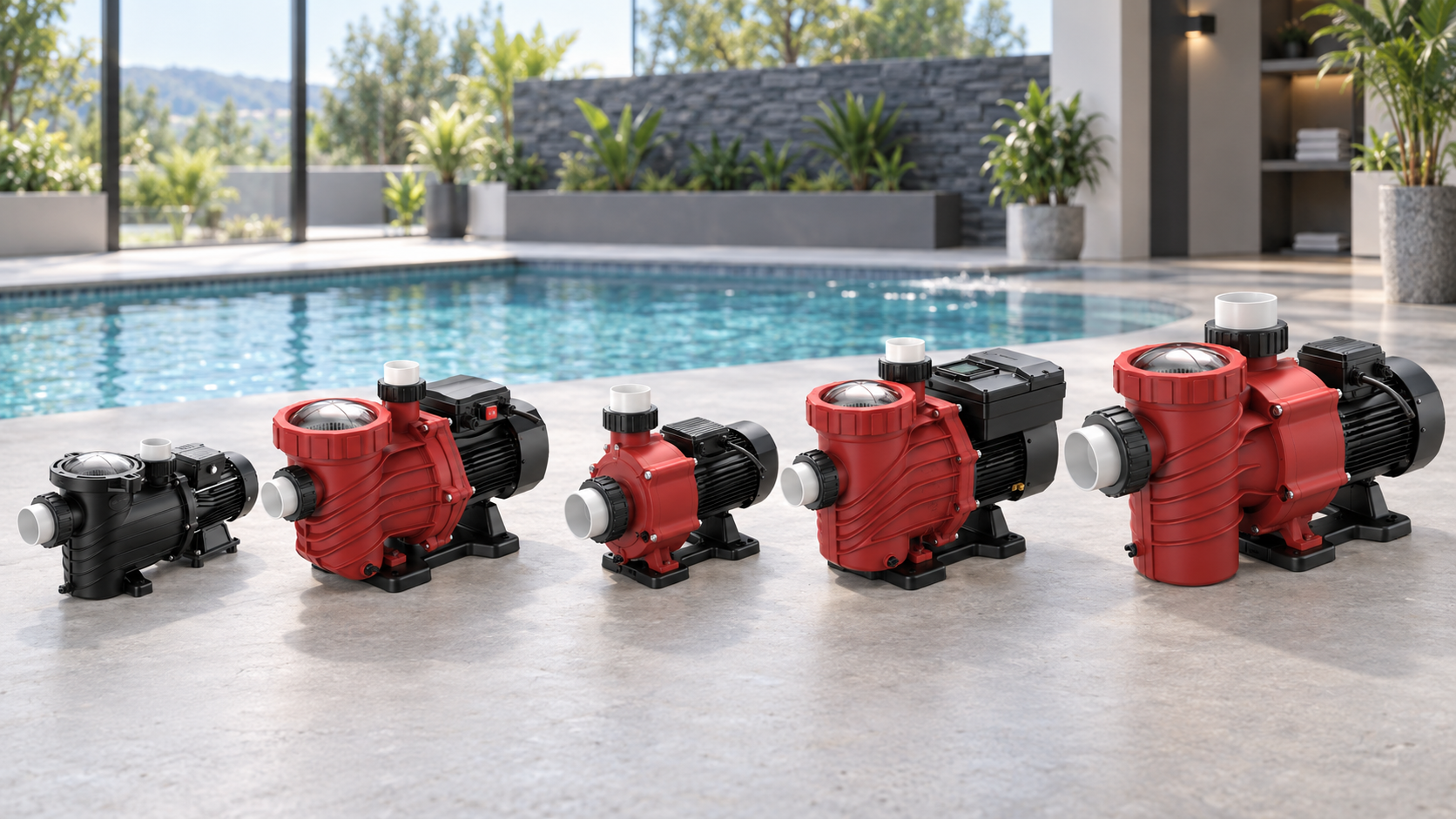
All pool pumps do the same basic task of moving water, but there can be differences in the installation, speed control, and size of pools they are suitable for. These product types allow you to add internal connections to the matching Pool Pump pages without making the article a full selection guide.
1. Above-Ground Pool Pumps
Above-ground pool pumps are usually designed for smaller pools and for short and simple pipe systems. They’re usually compact and quick to install, and they cost less than pumps for large in-ground pools. Not all above-ground models are self-priming, so be sure to check the needed installation location before adding it to a normal pool kit.
2. Self-Priming Pool Pumps
Self-Priming Pool Pumps are often used on in-ground pools or systems where the pump is above the water level of the pool. After the pump housing has been filled before the first start, the pump can push air out of the suction line and start pumping water. This design offers more options for installation, but the pump should not be advertised as being able to run dry.
3. Single-Speed Pool Pumps
Single-Speed Pool Pumps operate at one constant motor speed once they are switched on. They are easy to manage and cheaper to install, which makes them a good choice for a normal pool system that needs constant circulation. They are also easier to stock and replace for you when the local market is mostly using basic pump-and-filter products.
4. Variable-Speed Pool Pumps
Variable-Speed Pool Pumps allow you to vary the motor speed to create different flow rates for typical filtration, heating, cleaning, or other pool activities. Operating at a reduced speed when you don’t require a high flow will save power, but how much you save will depend on your system and schedule. These pumps allow you to provide a higher-level solution for situations where more control over flow and run time is needed.
5. Commercial Pool Pumps
Commercial pool pumps are used in hotels, schools, fitness centres, public pools, and other systems with larger water volumes or longer run times. Applications may call for more flow, more solid structure, and motors designed for continuous or frequent duty. For commercial projects, we recommend checking the needed flow at the actual system head and not only comparing pumps on maximum flow or motor power.
VI. Pool Pump Limits
A pool pump is not a stand-alone water treatment system. The strainer basket is for bigger stuff, but another filter is necessary to catch the finer particles. Without the proper treatment or heating equipment, it also can not remove bacteria, balance the water, or heat the pool.
The problems of cloudy water, weak skimming, and slow circulation will not be solved by just fitting a larger pump. The problems may be due to a clogged filter, undersized piping, a closed valve, a leak in the suction, improper return-jet location, or wrong chemical levels. Knowing these limits can help you decide if a complaint is coming from the pump or somewhere else in the pool system.
VII. Conclusion
A pool pump pulls water from the pool, forces it through the filter and other equipment, and returns it to the pool. The water flow provides filtering, surface cleaning, chemical mixing, heating, and disinfection. Different types of pool systems use self-priming, above-ground, single-speed, variable-speed, and commercial pool pumps to do this basic job.
If you are developing a Pool Pump product line or purchasing pumps for a project, tell HunGerät the pool volume, pipe layout, filter flow range, voltage, frequency, and connection size. We can help you compare the right pump models, performance curves, control options, and OEM setups.
VIII. FAQ
1. Does a Pool Pump Clean Pool Water by Itself?
No, it pumps water around, but it does n’t do the whole cleaning process by itself. The basket gathers the big debris, the filter traps the smaller bits of dirt, and the treatment system manages the germs and algae.
2. What Is the Difference Between a Pool Pump and a Pool Filter?
The pool pump makes the water flow, and the pool filter catches the debris that comes along. The working flow of the pump should be in the allowed flow range of the filter, so that the two items can function together correctly.
3. Can a Swimming Pool Work without a Pump?
A pool can keep water without a pump, but cannot maintain typical filtration and water treatment. If the water sits long enough, dirt can build up, and the chance of cloudy water or algae growth increases.
4. How Does a Pool Pump Move Water?
The motor drives an impeller that pulls water into the pump and pushes it into the filter. The real amount of water moved depends on the pump curve and the resistance caused by the pipes, valves, filter, and other equipment.
5. Where Does Water Go after Leaving the Pool Pump?
Typically, the water goes from the pump to the filter and then any heater or treatment equipment that is present. It then returns to the pool using return jets. The exact arrangement of equipment is dependent on the system design.
6. Does a Pool Pump Remove Leaves and Hair?
Yes, the pump helps to transport leaves, hair, and other large particles into the skimmer or pump basket. Smaller particles tend to end up in the pool filter, so you need to clean both the basket and the filter on a frequent basis.
7. Does a Pool Pump Distribute Chlorine?
Yes, the pump circulates the chlorinated water around the pool and helps to keep the chlorine from sitting in one spot. It does not keep the right chlorine level if the system does not have a salt chlorinator and does not produce chlorine.
8. Can a Pool Pump Help Prevent Algae?
Pool pumps assist in managing algae by circulating water through the filter and dispersing treatment chemicals around the pool. It can’t stop algae all by itself if the pump doesn’t run long enough, the water balance is incorrect, or certain areas don’t circulate well.
9. Does a Pool Pump Heat Pool Water?
A standard pool pump does not generate heat. It employs a separate pool heater or heat exchanger to convey water. Therefore, the pump flow must be in the range required by the heating equipment.
10. Does a Pool Pump Need to Run All the Time?
You don’t have to have every pool pump operating 24/7. The actual run time needed depends on the size of the pool, the actual flow rate of the pump, water usage, weather, filtration needs, treatment method, and any municipal rules for public pools.
11. What Happens When a Pool Pump Stops Working?
The water ceases going through the filter, the surface stops being skimmed, and the distribution of chemicals stops. Flow switches automatically cut off heaters, salt chlorinators, and dosing equipment when little or no water flow is detected.
12. Why Is the Water Flow from the Return Jets Weak?
Typical causes are a full pump basket, a dirty filter, an air leak on the suction side, a partially closed valve, a clogged pipe, or poor pump speed. Check these elements before you think about replacing the motor or the whole pump.
13. Can a Pool Pump Be Too Powerful for the Filter?
Yes the pump can pump more water than the filter is designed for. If the flow is too great, the pressure of the filter will be increased and the quality of the filtering will be reduced, thus you should compare the operational flow of the pump with the rated flow of the filter.
14. Do Single-Speed and Variable-Speed Pool Pumps Perform the Same Job?
Yes, both types circulate water through the pool circulation system. A single-speed pump operates at a fixed speed. A variable-speed pump can vary flow for different operating situations.
15. What Pool Equipment Normally Works with a Pool Pump?
A simple system often consists of skimmers or suction outlets, a pool pump, a filter, pipelines, valves, and return jets. It may additionally have a heater, salt chlorinator, UV unit, chemical dosing unit or an automatic controller depending on the project.
16. Can a Pool Pump Run without Water?
No, a pool pump needs water to cool it and protect the mechanical seal while it is operating. If the pump runs dry turn it off and inspect the water level, suction line, pump lid and valves before turning it on again.
17. Does Pool Pump Speed Affect Water Circulation?
Yes . Usually, increasing speed increases water flow and pressure, and vise versa. Make that the variable speed pump is running at a high enough speed to provide the minimum flow needed for the filter, heater and treatment equipment.
18. Can One Pool Pump Run the Filter, Heater, and Salt Chlorinator Together?
Yes, one pool pump can flow water through multiple devices connected together if the working flow of the pump is enough to fulfill the needs of the devices. Select the pump curve to match the filter maximum flow and the heater or salt chlorinator allowable flow range.
19. Can a Pool Pump Operate a Pool Cleaner or Water Feature?
Some suction-side pool cleaners use the main pump’s suction; some pressure-side cleaners need an additional booster pump. Waterfalls and other water features also need additional flow and head in adequate quantities. So, this requirement needs to be incorporated into the pump match.
20. How Does Pool Turnover Time Relate to the Pump?
Pool turnover time is the time it takes to move a volume of water equal to the volume of the pool. This is the pool volume above the actual pump flow. When carrying out this check, verify the pump flow against the real system resistance, not the maximum catalogue flow.